
 By Raul Delapena Setiawan
In the modern digital landscape, Facebook remains a cornerstone of any comprehensive marketing strategy. With billions of active users, Meta’s ecosystem offers unparalleled reach. However, the efficacy of your advertising campaign is often decided before a single cent is spent—it is determined by your creative assets. Using the wrong dimensions can lead to pixelated imagery, cropped text, and reduced engagement.

As we move through 2025, understanding the technical requirements for Meta ads is not just a logistical necessity; it is a competitive advantage. This guide provides an exhaustive look at the specifications required to ensure your brand remains visible, professional, and high-performing across all placements.

Main Facts: The Anatomy of a Successful Meta Ad
Meta advertising (formerly Facebook ads) functions on a sophisticated algorithm that prioritizes user experience. Because the platform serves content across a diverse range of devices—from desktop monitors to narrow smartphone screens—the "one-size-fits-all" approach is obsolete.
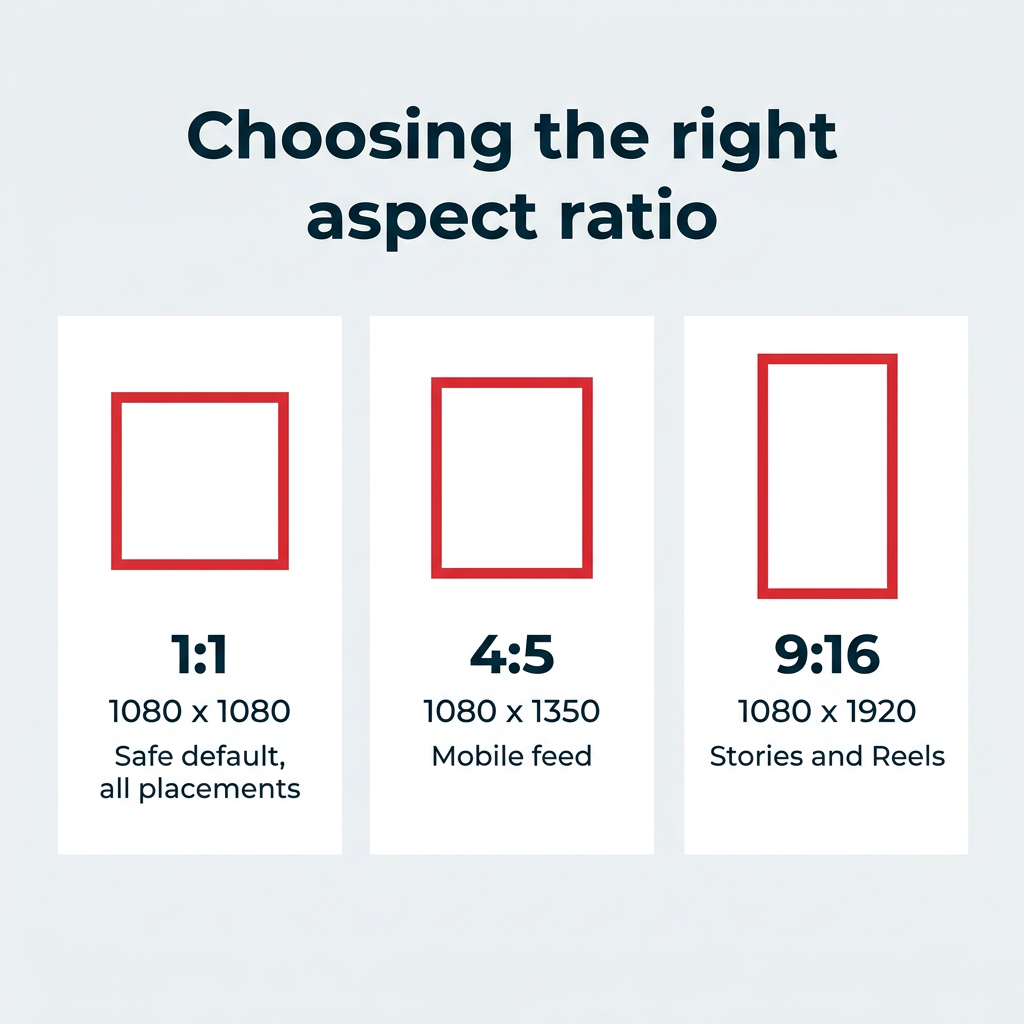
The primary constraint for advertisers is the aspect ratio. Whether you are running a static image or a high-production video, the aspect ratio dictates how much "real estate" your ad occupies in a user’s feed.
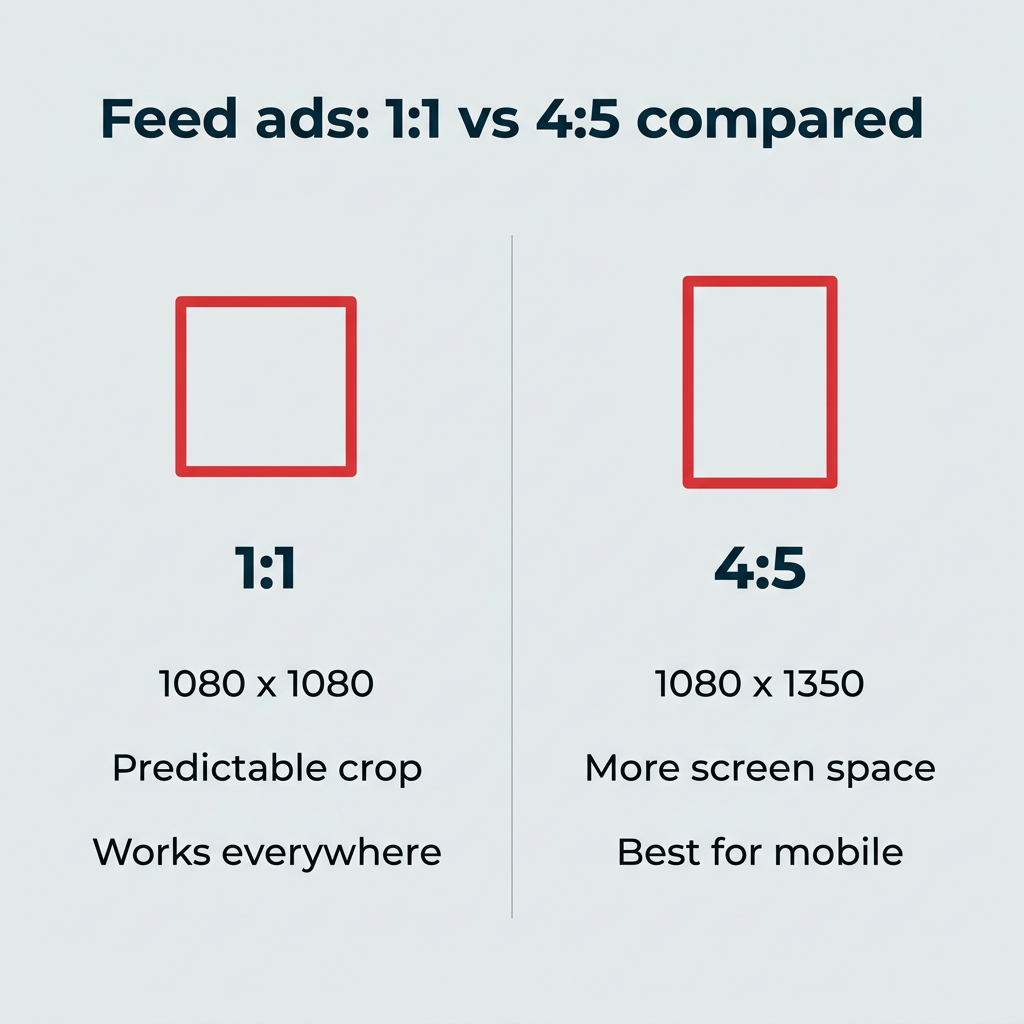
- The Golden Standard: For most placements, a 1:1 (square) aspect ratio is the safest, most versatile format.
- The Mobile Advantage: For feed placements on mobile, the 4:5 ratio is superior because it pushes organic content further down the screen, keeping your ad in the user’s eye line for longer.
- The Immersive Experience: For Stories and Reels, the 9:16 vertical format is mandatory. Anything less will result in unsightly black bars, which significantly lower click-through rates.
Chronology: The Evolution of Ad Formats
The history of Facebook advertising is a story of shifting user behavior. Initially, ads were limited to the right-hand column of the desktop interface—a passive, low-engagement space. As mobile usage surged, the focus shifted to the "News Feed," forcing advertisers to embrace native-style content.

- The Desktop Era (2010–2014): Ads were static, banner-like images relegated to the side of the screen.
- The Mobile Shift (2015–2018): As 80%+ of traffic moved to smartphones, Facebook introduced the "Carousel" and "Native Video" formats, which integrated ads seamlessly into the user’s scroll.
- The Vertical Revolution (2019–Present): With the meteoric rise of Snapchat and TikTok, Meta pivoted heavily toward 9:16 full-screen formats, leading to the current dominance of Stories and Reels.
Supporting Data: Why Dimensions Matter
According to recent platform analytics, the physical space an ad occupies correlates directly with conversion rates.
- Screen Real Estate: A 4:5 aspect ratio image takes up roughly 20% more screen space on a mobile device than a 1:1 image. This increase in visual dominance has been shown to improve brand recall.
- The 30MB Threshold: Meta enforces a 30MB file size limit for images and a 4GB limit for videos. High-resolution files are preferred, but exceeding these limits will trigger automated rejection or compression, the latter of which degrades image quality.
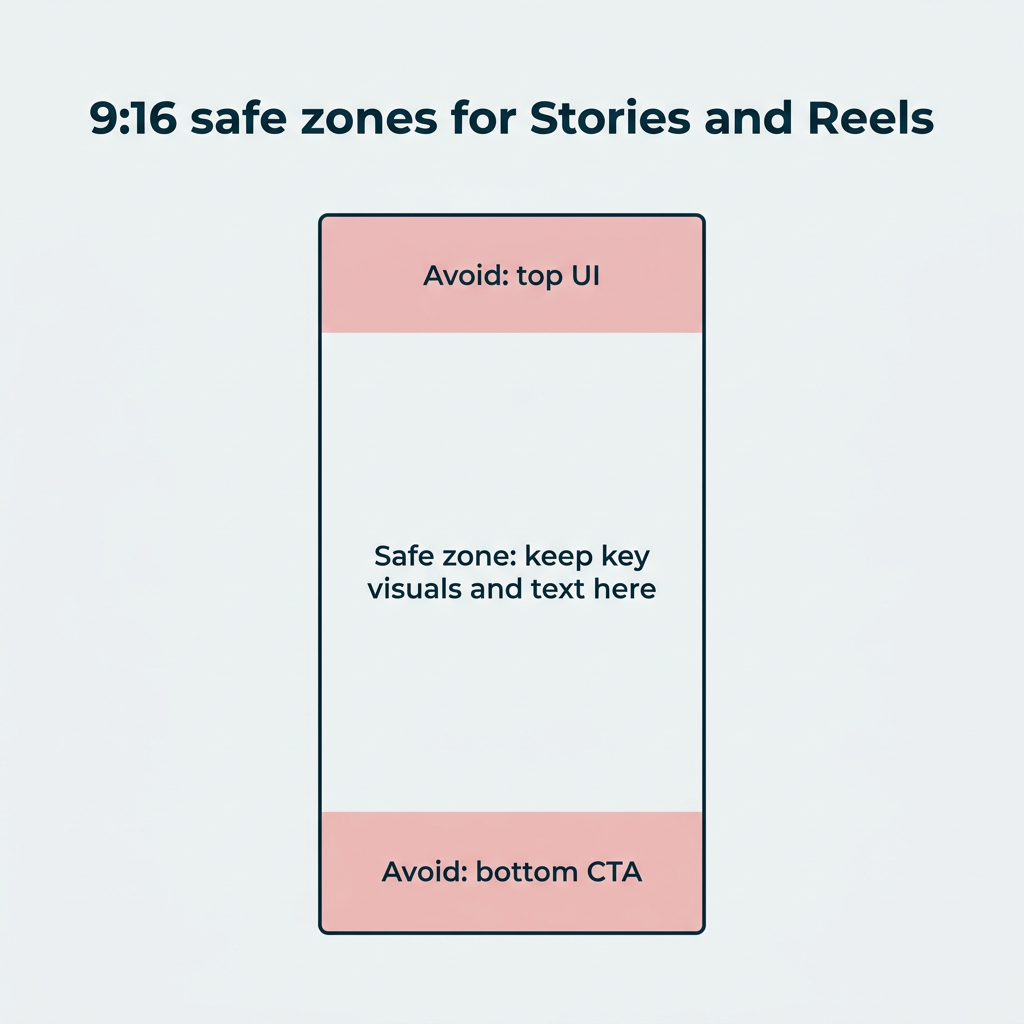
- Safe Zones: On Reels and Stories, UI elements (like the "Like" button or "Follow" text) cover the top and bottom 250 pixels. Failing to account for these "safe zones" often results in vital CTA buttons being obscured by the interface, rendering the ad ineffective.
Official Responses and Best Practices
Meta’s official guidelines emphasize the use of their "Advantage+" algorithm. The platform encourages advertisers to upload high-quality assets that can be automatically adapted to various placements.

Key Technical Specifications Table:

| Placement | Aspect Ratio | Resolution (Recommended) |
|---|---|---|
| Feed (Image/Video) | 1:1 or 4:5 | 1440 x 1440 or 1440 x 1800 |
| Stories / Reels | 9:16 | 1440 x 2560 |
| Carousel | 1:1 | 1080 x 1080 (min) |
| Right Column | 1:1 | 1080 x 1080 |
Note: Meta no longer strictly enforces the "20% text rule" on images, but internal data continues to show that cleaner, text-light creative performs better with the delivery algorithm.

Implications: Building a Scalable Strategy
The implications of these specifications for your creative team are clear: Design for the vertical, optimize for the mobile.

The "Safe Zone" Discipline
When designing for Reels or Stories, your creative team must adopt a "safe zone" template. By keeping logos, text, and Call-to-Action (CTA) buttons within the center 1080 x 1420 area, you ensure that your message remains legible regardless of the device’s UI overlay.

The Power of Carousel Ads
Carousel ads are uniquely powerful because they allow for storytelling. By using a series of 1:1 images or videos, you can walk a customer through a product catalog. The key implication here is consistency—each card in the carousel must be high-resolution and follow the same aspect ratio to prevent "jumping" or visual stuttering as the user swipes.

Leveraging Automated Placements
If you are managing a high-volume account, use the "Advantage+" placement feature. However, this requires you to upload your assets in multiple aspect ratios (1:1, 4:5, and 9:16). If you only upload a 1:1 square image, Meta will attempt to "pad" the rest of the screen, which often looks unprofessional. Providing the platform with the correct crop for each placement is the single most effective way to improve your ROAS (Return on Ad Spend).

Conclusion: Mastering the Technicals
Success on Facebook in 2025 is not just about the quality of your offer; it is about the professionalism of your presentation. By adhering to the recommended resolutions, aspect ratios, and file limits, you ensure that your ads look native to the platform.

When your ad looks like it belongs on the screen—rather than appearing as a broken or poorly cropped afterthought—the user is significantly more likely to engage. Use these specifications as your blueprint, test your creatives against the safe zones, and prioritize the mobile-first, vertical-video formats that currently dominate the social media ecosystem.

By aligning your creative strategy with these technical realities, you are not just buying impressions; you are building a seamless, high-converting customer experience.
 Reynand Wu
  Muslim
  Nila Kartika Wati