
 By Dwi Wanna
In the modern digital landscape, social listening is often described as putting your ear to the internet. Yet, for many organizations, the sheer volume of online chatter transforms that exercise into an overwhelming wall of digital white noise. Tracking every mention, hashtag, and comment without a cohesive strategy can lead to analysis paralysis. The fundamental objective of social listening is not merely to passively collect data, but to decode what those conversations signify and formulate strategic, actionable responses.
By focusing on the most critical social media listening metrics, businesses can pivot from reactive monitoring to proactive market strategy. Whether it is safeguarding brand reputation, capturing emerging industry trends, or refining product messaging, the right data points act as a compass for marketing, product, and executive teams alike.

Main Facts: Decoding Social Listening and Metrics
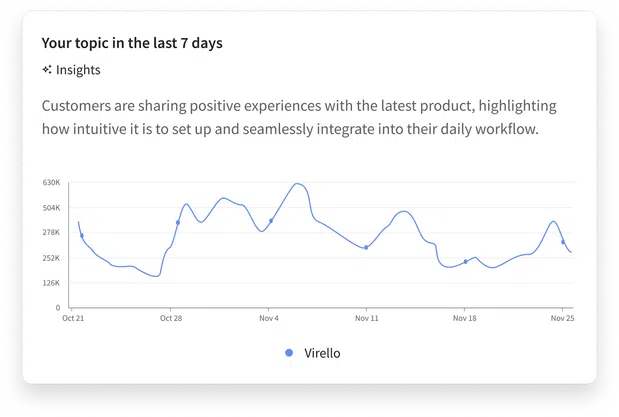
Social listening metrics quantify online conversations to reveal public sentiment, brand perception, competitor positioning, and industry trends. These data points track what consumers say about a brand, its product line, rival companies, or broader macroeconomic sectors across millions of web sources.
Crucially, industry experts emphasize the distinction between a raw metric and a Key Performance Indicator (KPI). A metric is simply a data point being tracked—such as a tally of brand mentions over a 24-hour period. That same metric transforms into a KPI only when it is explicitly tied to a strategic corporate objective.

For instance:
- Mention Volume acts as a baseline metric, but becomes a KPI when a company’s primary goal is to scale brand awareness.
- Share of Voice (SOV) operates as a comparative measurement, transitioning into a KPI when a business aims to outpace competitors in digital conversations.
- Sentiment Analysis measures public mood, escalating to a KPI when an enterprise sets out to consciously improve overall brand perception.
According to Tom Bukevicius, CEO and Founder of Scube Marketing, the value of these measurements lies in early pattern recognition. “The goal of social listening shouldn’t be to collect the biggest numbers, but to spot patterns early enough that marketing can respond before they become bigger opportunities or problems,” Bukevicius notes.
Chronology: The Evolution from Passive Monitoring to AI-Driven Strategy
The practice of monitoring public opinion has undergone a radical transformation over the past two decades, evolving in tandem with digital communications.
Early Days: Manual Searches and Basic Trackers (Late 2000s)
In the nascent stages of social media marketing, organizations relied heavily on basic web alerts and manual keyword searches. Marketing teams combed through blogs, forums, and early social networks like Twitter and Facebook by hand. Data was sparse, sentiment analysis was virtually non-existent, and reports were labor-intensive, often reflecting consumer feedback long after a crisis had peaked or a trend had passed.
The Rise of Dedicated Listening Platforms (2010s)
As the social web expanded into a multi-billion-user ecosystem, dedicated social listening tools emerged. Platforms began indexing millions of sources daily, allowing brands to track mention volumes and basic sentiment (positive, neutral, negative). However, these early platforms often dumped massive data sets onto marketing teams without offering clear frameworks for what to do with the insights, leading to data fatigue.
The Modern Era: Real-Time Intelligence and AI Integration (Present)
Today, social listening has matured into an enterprise-wide capability. Modern platforms—exemplified by suite tools like Hootsuite’s Lumen, Perch, and Wisdom—monitor over 150 million sources in real time. Rather than just counting mentions, contemporary listening tools leverage artificial intelligence to surface conversation themes, predict trend trajectories, and translate raw data into plain-language business recommendations. This evolution has expanded social listening from a niche marketing tactic into critical intelligence utilized by product development, sales, and customer support departments.
Supporting Data: The 7 Social Listening Metrics That Matter
Not all metrics carry equal weight. To build a robust listening framework, analysts and marketers must focus on the seven core metrics that offer genuine strategic utility.
+---------------------------+-----------------------------------+---------------------------------------------------+
| Social Listening Metric   | What It Measures                  | Strategic Application                             |
+---------------------------+-----------------------------------+---------------------------------------------------+
| 1. Mention Volume         | Total frequency of brand/topic    | Identify sudden spikes/dips indicating campaigns  |
|                           | references online.                | or crises.                                        |
| 2. Sentiment              | Emotional tone (positive,         | Gauge public perception shift and pinpoint drivers|
|                           | negative, neutral) of mentions.   | of customer satisfaction or dissatisfaction.      |
| 3. Share of Voice (SOV)   | Brand conversation share versus   | Benchmark competitive standing and market         |
|                           | industry competitors.             | visibility.                                       |
| 4. Reach                  | Potential audience size exposed   | Evaluate the amplified impact of influencer or    |
|                           | to brand mentions.                | campaign shout-outs.                              |
| 5. Engagement Rate        | Interaction levels (likes, shares,| Determine which specific messaging angles or      |
|                           | comments) on relevant content.    | topics genuinely resonate.                        |
| 6. Trend & Topic Volume   | Growth rate of specific industry  | Catch emerging trends early before market         |
|                           | keywords and themes over time.    | saturation occurs.                                |
| 7. Conversation Themes    | Recurring questions, complaints,  | Uncover qualitative context to inform product,    |
|                           | or ideas in consumer chatter.     | support, and content strategies.                  |
+---------------------------+-----------------------------------+---------------------------------------------------+
1. Mention Volume
Mention volume tracks the absolute number of times a brand, product, or competitor is referenced across the internet. A sudden surge or drop is rarely random. It can signal a successful viral campaign or an unfolding public relations issue. While volume alone lacks emotional context, it serves as an essential tripwire prompting deeper investigation.

2. Sentiment Analysis
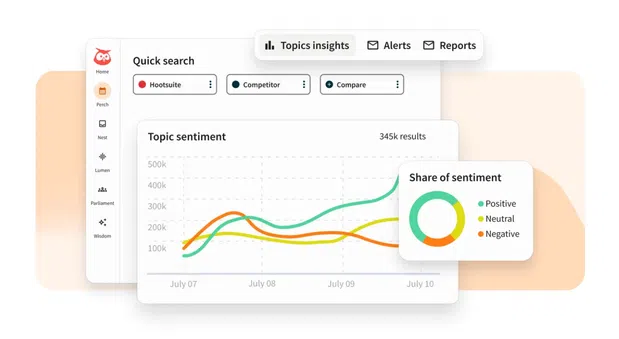
Sentiment analysis categorizes the underlying emotion of online conversations into positive, negative, or neutral buckets. If mention volume spikes, sentiment analysis answers the critical follow-up question: Is this attention actually good for us? Tracking sentiment allows brands to protect their reputation, address customer complaints proactively, and measure the emotional impact of marketing initiatives.
3. Share of Voice (SOV)
Share of voice measures the proportion of industry-wide conversations that your brand owns relative to your competitors. A rising SOV indicates growing market visibility and category authority, whereas a sudden drop points to aggressive competitor maneuvers. Savvy marketers track SOV before, during, and after major ad spends to verify if campaign investments successfully shifted industry dialogue toward their brand.
4. Reach
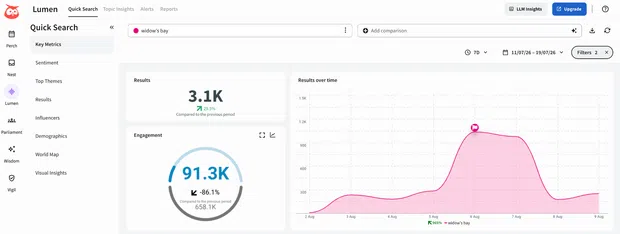
Reach estimates the maximum potential audience size exposed to a conversation or brand mention. Because not all mentions carry equal weight—a shout-out from an industry thought leader with a massive following differs vastly from a forum post with zero replies—reach provides a clear picture of audience scale, distinct from raw impression counts which can include repeated views by the same user.
5. Engagement Rate
Engagement rate quantifies how actively audiences interact with content through likes, comments, shares, and saves. High engagement signals that a topic or message strikes a chord with the target demographic, giving marketing teams a clear signal to double down on high-performing content verticals.
6. Trend and Topic Volume
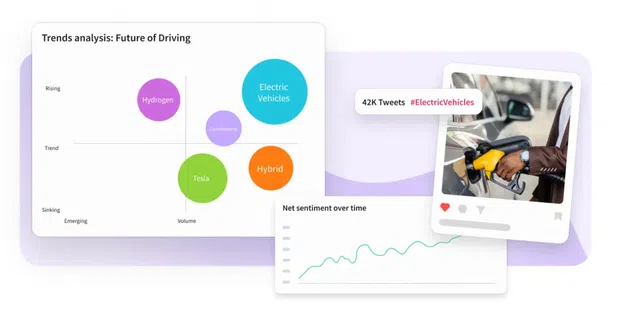
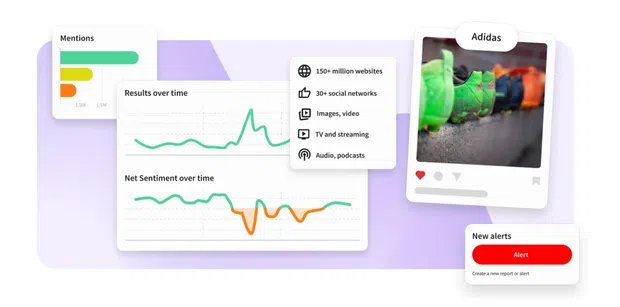
Tracking how often specific keywords or themes are discussed over time helps organizations spot cultural or industrial shifts. The commercial value of a trend diminishes rapidly once every competitor has weighed in; consequently, monitoring topic volume early provides the critical window required to capitalize on emerging movements while they remain fresh.
7. Conversation Themes
Conversation themes capture the recurring ideas, pain points, questions, and feature requests embedded within unstructured text. This metric provides qualitative context, transforming vague awareness numbers into actionable intelligence that can shape content calendars, update product roadmaps, and refine customer service protocols.
Official Responses and Enterprise Solutions
As businesses demand deeper accountability from their marketing technology stacks, software providers have evolved their offerings to bridge the gap between data collection and execution. Modern platforms are designed to streamline the entire listening-to-action workflow.
Industry leaders like Hootsuite have structured their ecosystems around three functional pillars: real-time monitoring, performance reporting, and AI-driven execution.
- Real-Time Monitoring with Lumen: Tools such as Hootsuite’s Lumen scan over 150 million sources across the social web. By tracking mentions, sentiment shifts, and competitor activity as it happens, these tools provide the early-warning systems necessary for modern crisis management and agile marketing.
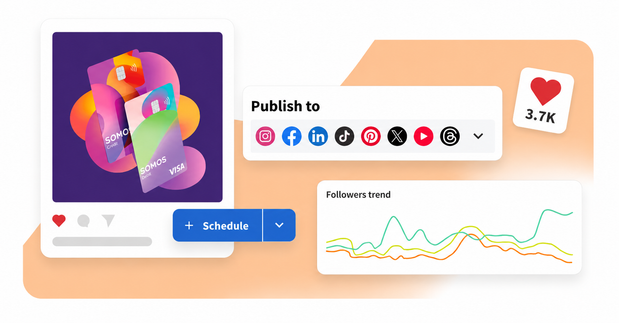
- Performance Tracking with Perch: Once insights are gathered, platforms like Perch integrate listening data with publishing metrics. This allows teams to evaluate whether specific content campaigns successfully shifted audience sentiment and generated the desired engagement across multiple channels.
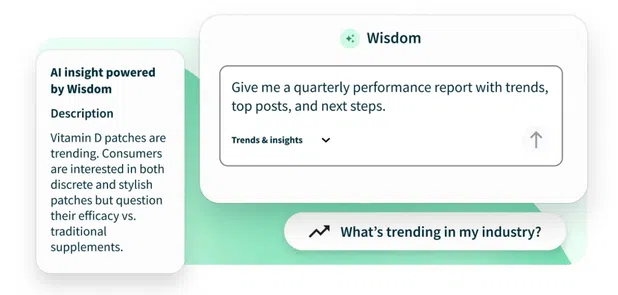
- AI-Powered Action with Wisdom: Addressing the perennial challenge of turning data into execution, conversational AI tools—such as Hootsuite’s Wisdom—allow marketers to query listening databases using plain language. Rather than manually parsing complex data dashboards, users can prompt the AI to analyze trends, suggest response strategies, and draft ready-to-review content derived directly from consumer conversations.
Implications for Modern Business Strategy
The strategic integration of social listening metrics extends far beyond the marketing department, offering profound implications for enterprise-wide operations.
1. Cross-Departmental Intelligence
Customer feedback voiced on social media frequently bypasses traditional support tickets and formal surveys. When organizations democratize social listening data, insights flow naturally to product, sales, and executive teams. For example, if product-related praise spikes around a specific feature, product development teams can prioritize similar enhancements in future updates. Conversely, if pricing complaints flood community platforms like Reddit, sales teams can proactively adjust their competitive talking points before engaging prospective clients.
2. Refining Messaging and Positioning
A common pitfall in corporate strategy is a disconnect between how a company describes its value proposition and how customers experience it. Tom Bukevicius highlights a campaign where consumer research revealed that the target audience was not questioning the core product, but rather remained confused about how it differed from cheaper alternatives. By shifting the campaign from feature-focused messaging to clearer comparative positioning, guided by social listening insights, the firm successfully resolved the market friction.
3. Proactive Crisis Mitigation
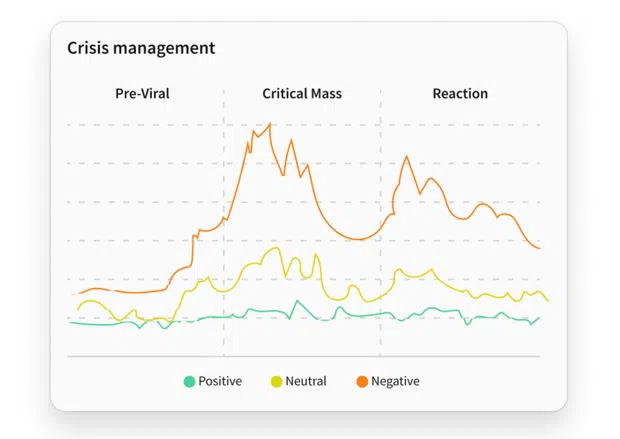
In an era where negative news travels instantaneously, the speed of brand response dictates the severity of a crisis. Organizations that continuously track net sentiment and mention volume can detect anomalies within minutes rather than days. This early visibility buys invaluable time for communications teams to formulate measured, strategic responses rather than scrambling to manage uncontrolled PR fallout.

Ultimately, social listening metrics should not be viewed as vanity dashboards designed to inflate quarterly reports. When deployed correctly, they form the foundation of a listening-led enterprise—one capable of understanding its audience deeply, adapting to market shifts instantaneously, and turning public conversation into a sustained competitive advantage.
 Reynand Wu
  Muslim
  Nila Kartika Wati