By Hannah Macready With reporting and digital strategy insights from enterprise marketing authorities.
Main Facts: The New Frontier of Digital Risk
In the fast-paced ecosystem of digital marketing, brand safety has transformed from a back-office compliance checkbox into a high-stakes, board-level priority. As digital strategies scale across complex enterprise structures, the potential vectors for reputational damage have multiplied exponentially. Brand safety is no longer merely about dodging unseemly ad placements on programmatic networks; it is an all-encompassing framework designed to shield a company’s paid media, organic social channels, and public interactions from toxic environments, malicious actors, and automated manipulation.
The baseline principles of brand safety have historically relied on industry reference points, such as the legacy standards produced by the Global Alliance for Responsible Media (GARM)—a voluntary cross-industry initiative launched in 2019 and discontinued by the World Federation of Advertisers in August 2024. Despite the sunsetting of the initiative itself, its foundational frameworks, including the Brand Safety Floor and Adjacency Standards Framework, continue to serve as the baseline definitions for content categories that advertisers universally avoid: hate speech, explicit material, and terrorism.
However, the risk matrix facing enterprise brands in 2026 is vastly more sophisticated. Driven by the proliferation of generative artificial intelligence (AI), synthetic media, coordinated bot rings, and rapid-fire trend hijacking, marketing leaders face unprecedented threats. Recent industry data underscores this vulnerability: research from Gartner highlights that 62% of organizations encountered a deepfake-related incident over a recent 12-month period, while enterprise spending on combating misinformation and disinformation is projected to skyrocket past $30 billion by 2028.
To survive and thrive in this landscape, enterprise teams can no longer rely on sporadic audits. They must institute robust internal policies for brand safety—comprehensive systems of rules, workflows, role definitions, and technological guardrails that ensure every piece of published content aligns with brand values and regulatory requirements.
Chronology: The Evolution of Digital Brand Vulnerability
To understand how modern enterprises arrived at the complex brand safety challenges of 2026, it is helpful to trace the evolution of digital advertising and social media governance over the past decade:
2017–2018 (The Programmatic Wake-Up Call): Major global brands discover their programmatic display ads running adjacent to extremist and hate-speech videos on major video-sharing platforms. This sparks widespread digital ad boycotts and forces the industry to reckon with the invisible speed of automated ad buying.
June 2019 (The Birth of GARM): Recognizing the chaos of the digital advertising ecosystem, the World Federation of Advertisers launches the Global Alliance for Responsible Media (GARM). For the first time, advertisers, agencies, and platforms unite to establish a universal "Brand Safety Floor," defining what content is unequivocally unfit for monetization.
August 2024 (A Shift in Industry Governance): Following legal pressures and shifting industry dynamics, the World Federation of Advertisers discontinues GARM. While the initiative ceases operations, its established safety floors and adjacency standards remain deeply embedded as legacy benchmarks utilized by verification vendors like Integral Ad Science (IAS) and DoubleVerify.
2025–2026 (The Generative AI Disruption): The barrier to entry for creating hyper-realistic synthetic media collapses. Generative AI tools flood social channels with deepfake executive endorsements, automated misinformation, and sophisticated bot networks. Brand safety pivots from managing simple keyword exclusions to deploying real-time AI detection, decentralized governance, and rigid internal publishing policies.
Supporting Data & Comparative Frameworks
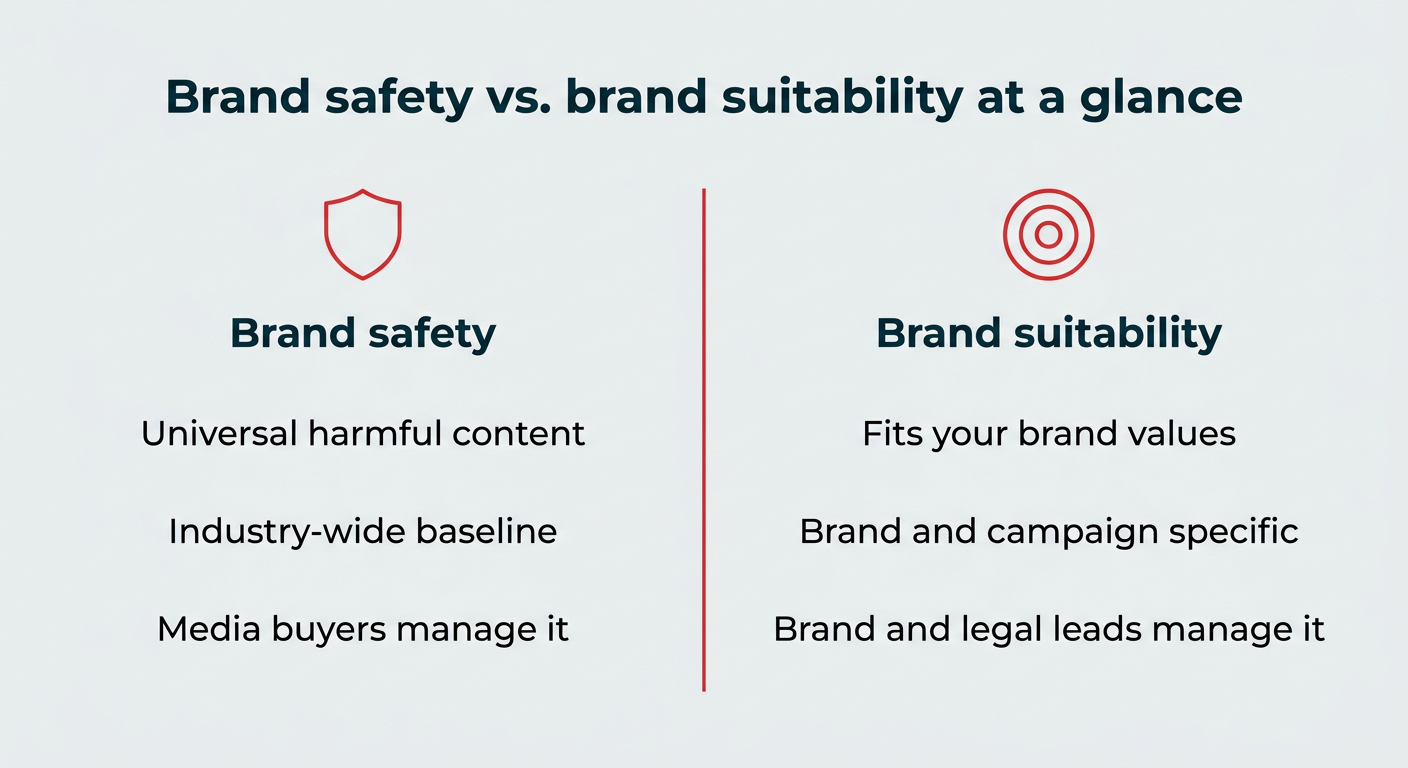
Navigating modern brand safety requires a nuanced understanding of terminology that is frequently conflated. Chief among these is the distinction between brand safety and brand suitability.
Dimension
Brand Safety
Brand Suitability
Definition
Avoiding universally harmful, offensive, or illegal content.
Choosing content contexts that specifically fit a brand’s unique values, voice, and target audience.
Scope
Industry-wide baseline (anchored in legacy GARM standards and verification metrics).
Brand-specific, campaign-specific, and market-specific nuances.
Managed By
Media buyers, programmatic verification vendors, and platform policy teams.
Brand marketing directors, regional leads, and corporate legal teams.
Practical Example
Blocking digital ads from appearing next to violent or extremist propaganda.
A family-oriented travel brand opting out of programmatic adjacency to heated political debate forums.
Furthermore, enterprises must balance three distinct layers of governance:
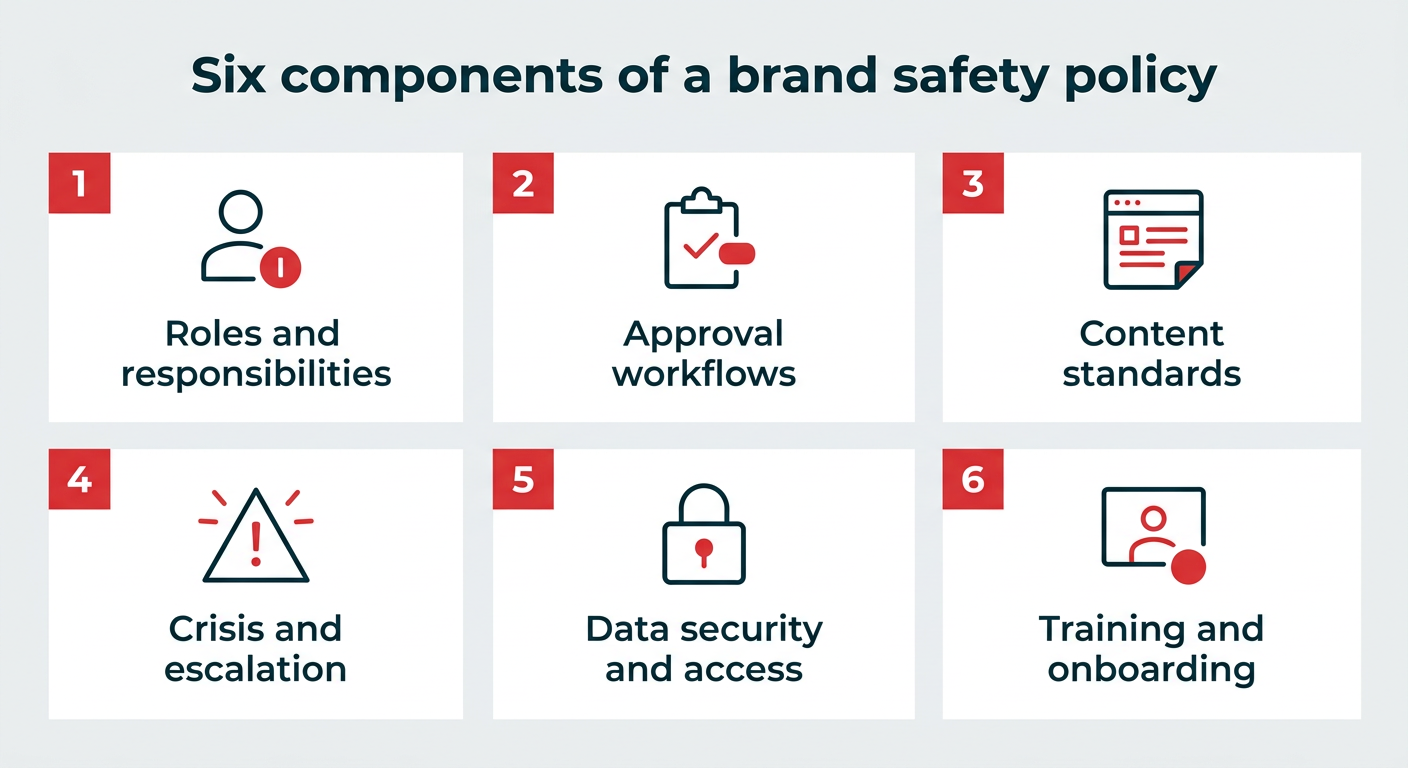
Internal Brand Safety Policies: Workflows, approval chains, escalation protocols, and access permissions governing how internal teams publish content safely.
Social Media Guidelines: Aesthetic rules covering tone of voice, visual identity, community engagement styles, and brand persona.
External Brand Safety Practices: Programmatic ad placements, inclusion/exclusion lists, ad fraud prevention, and third-party verification vendor accreditations.
Official Responses & Expert Insights
Industry leaders emphasize that effective brand safety policies must strike a delicate balance: they must protect the enterprise from catastrophic reputational harm without stifling employee creativity or paralyzing marketing teams with fear.
Nick Martin, Social Media Lead at Tilpati, underscores the importance of positive reinforcement and clear, accessible pathways rather than authoritarian warnings. "When employees aren’t sure what’s allowed, they either freeze or take risks," Martin notes. He advocates for providing teams with structured, approved tools—such as centralized employee advocacy software (e.g., Parliament)—where staff can share pre-approved corporate content without the risks associated with drafting posts from scratch.
Furthermore, Martin cautions against the use of fear-based compliance language. Threatening employees with termination for speaking out of turn often backfires, creating a culture of silence rather than compliance. Instead, he advises framing guidelines around direct, actionable concepts, such as protecting confidential customer data.
"If you are seeing your employees sharing on social media and you see a post that’s well put together, take a screen grab and give that person a shoutout," Martin recommends. Highlighting positive models reinforces the desired behavior across the organization.
On the corporate strategy front, organizations are increasingly turning to integrated enterprise platforms like Hootsuite Social OS to operationalize these philosophies. By dividing capabilities into specialized modules—such as Vigil for governance and compliance, Perch for publishing approvals, and Lumen for real-time listening and crisis detection—enterprises can automate their safety checks without sacrificing publishing velocity.
Implications: The 2026 Risk Landscape and the Road Ahead
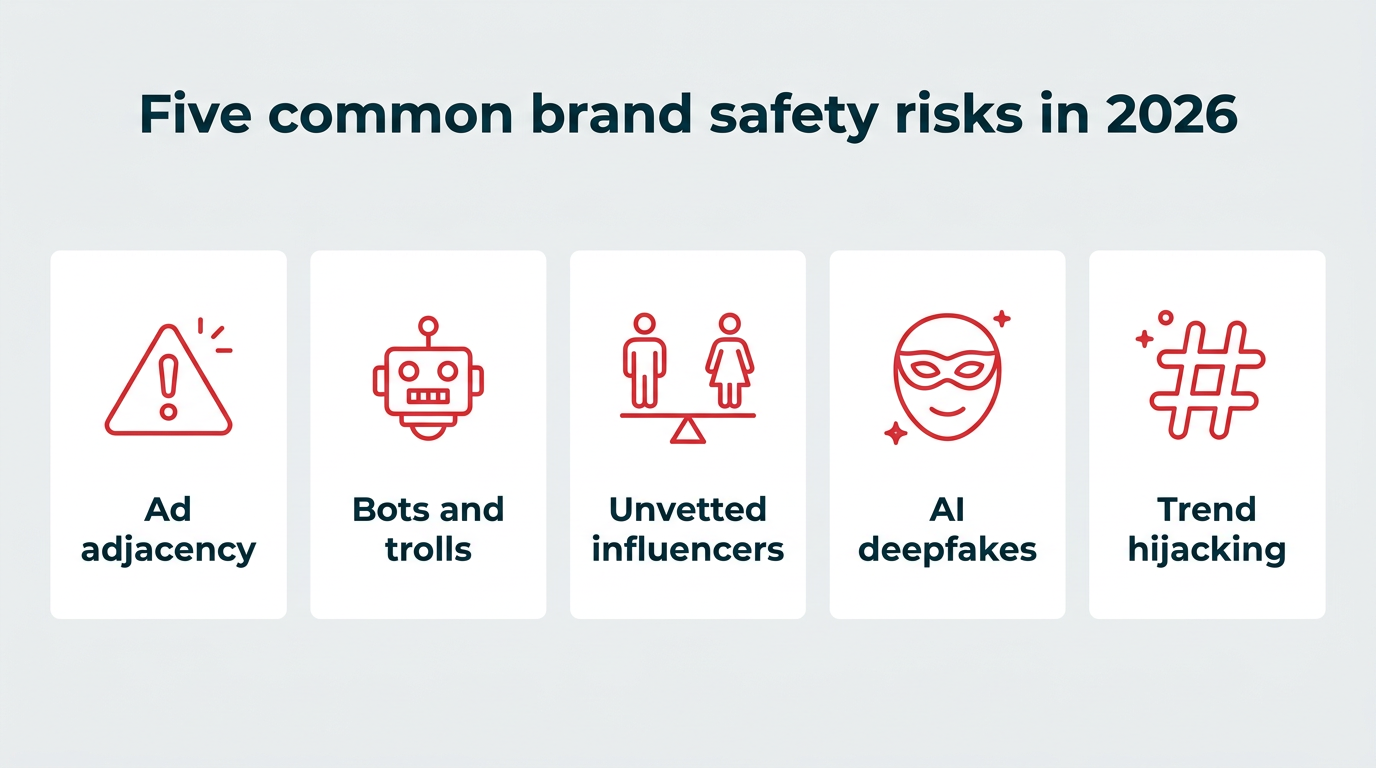
As we navigate through 2026, the convergence of automated technologies and human communication has magnified five core brand safety risks that every enterprise must address:
1. Ad Placement Next to Harmful Content
With programmatic channels accounting for over 90% of US digital display ad spend, ad placement decisions happen at machine speed. Inclusion lists (restricting ads strictly to pre-approved publishers) have largely superseded reactive exclusion lists, paired with monthly programmatic audits.
2. Bots, Trolls, and Coordinated Inauthentic Behavior
Automated botnets can artificially inflate outrage, distort sentiment metrics, and manufacture crises during sensitive product launches. Enterprises rely on advanced social listening tools to separate genuine consumer grievances from coordinated manipulation before committing to a public response.
3. Unvetted Influencer Partnerships
Partnering with creators carries inherent reputational exposure. Modern vetting protocols mandate deep dives into a creator’s historical content, audience authenticity metrics, and crisis-management track records, backed by airtight contractual exit clauses.
4. Misinformation and AI-Generated Deepfakes
With over 60% of organizations having faced a deepfake incident, synthetic audio and video impersonating corporate executives have become routine threats. Defenses now require continuous multi-channel monitoring, trademark registrations for expedited takedowns, and pre-scripted crisis communications templates.
5. Hashtag and Trend Hijacking
Jumping on viral trends without investigating their origin is a recipe for disaster. A mandatory two-minute pre-publish review—evaluating who originated the trend and its current contextual associations—prevents embarrassing accidental associations.
Real-World Case Study: Turning Crises into Opportunities
A prime example of effective escalation and brand safety execution is demonstrated by Hong Kong Airlines. Utilizing real-time listening alerts via Lumen by Hootsuite, the airline quickly detected a mispriced fare going viral across social channels. Rather than issuing a defensive corporate statement or attempting to bury the error, leadership made the rapid decision to honor the mistaken fares. This transparent, customer-first response transformed a potential operational disaster into a massive goodwill story, resulting in a 4,900% surge in positive engagement.
Building an Enterprise Brand Safety Framework
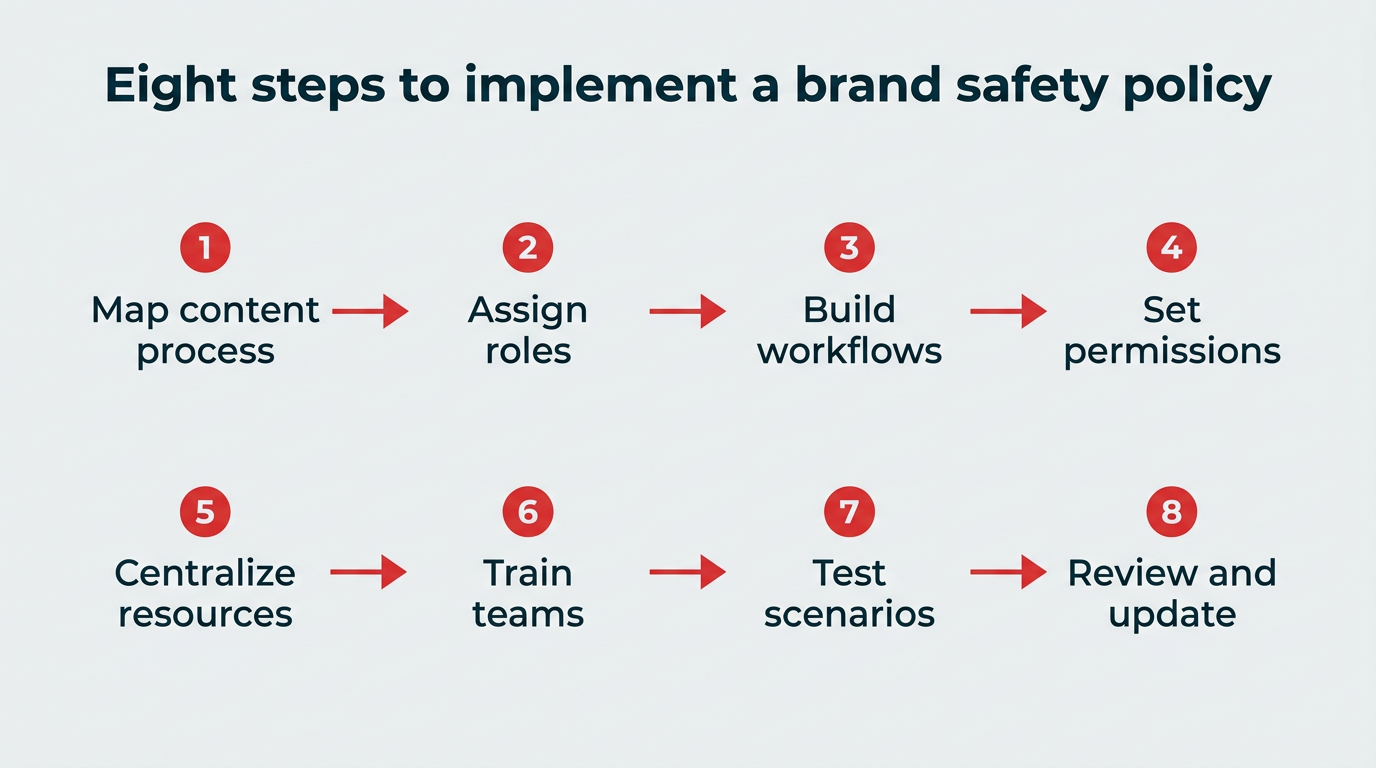
Implementing a resilient internal policy requires an eight-step operational roadmap:
Map Content Workflows: Audit existing content creation paths to eliminate shadow processes and unauthorized shortcuts.
Assign Clear Roles: Define explicit responsibilities across marketing, legal, compliance, and community management.
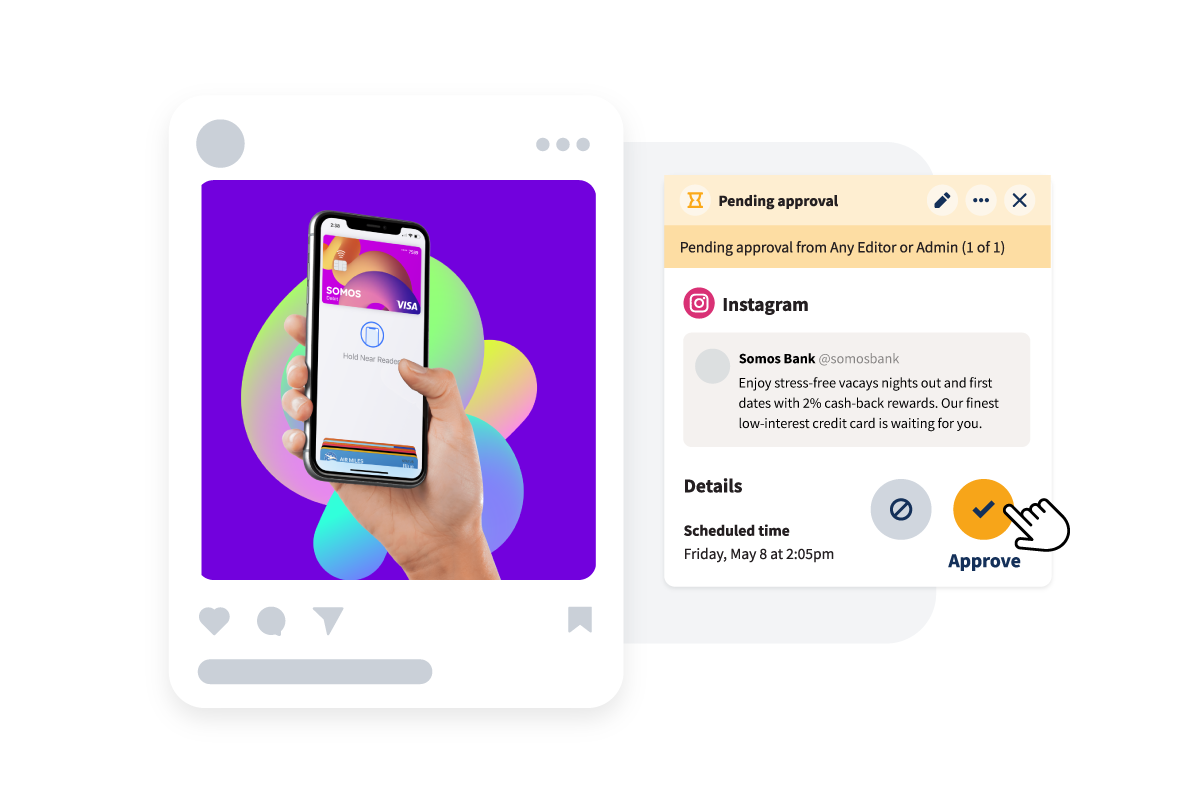
Establish Approval Guardrails: Implement multi-tier review workflows to ensure no content goes live without authorized oversight.
Enforce Role-Based Permissions: Restrict publishing access to trained personnel through centralized enterprise tools.
Centralize Resources: Build a single, accessible digital repository containing all brand safety guidelines, templates, and escalation contacts.
Conduct Ongoing Training: Transform safety guidelines from a static onboarding document into quarterly refreshers and interactive scenario drills.
Test via Simulation: Run tabletop crisis simulations to ensure teams can execute escalation plans under pressure.
Iterate and Review: Update policies at least annually—or quarterly in fast-moving industries—to adapt to shifting platform algorithms and emerging AI technologies.
By treating brand safety as a living, breathing operational ecosystem supported by robust internal policies and advanced governance technology, enterprise brands can safeguard their hard-earned reputations and maintain authentic connections with their audiences in an increasingly complex digital world.

 By Siti Muinah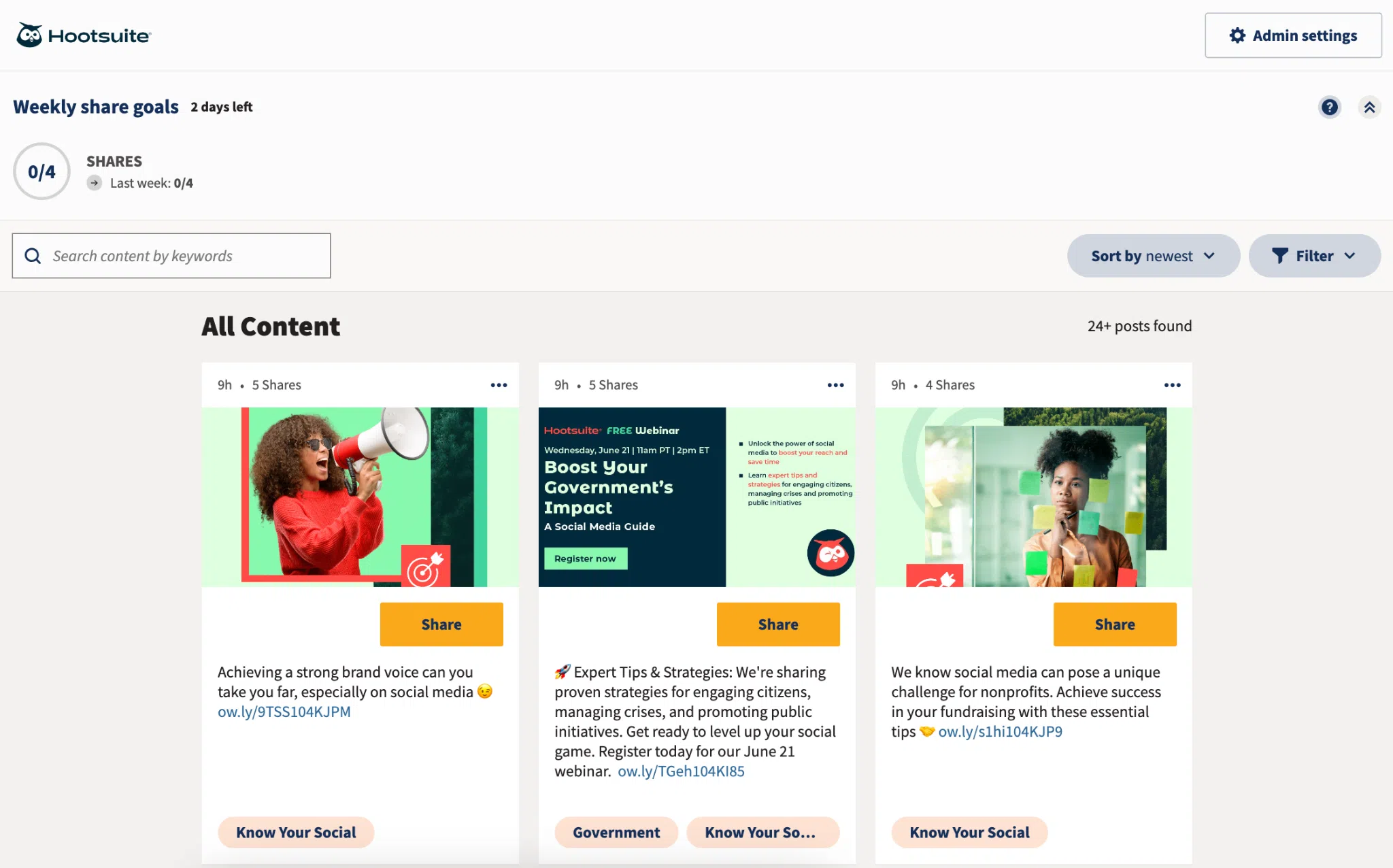




 Reynand Wu
  Muslim
  Nila Kartika Wati