
 By Dwi Wanna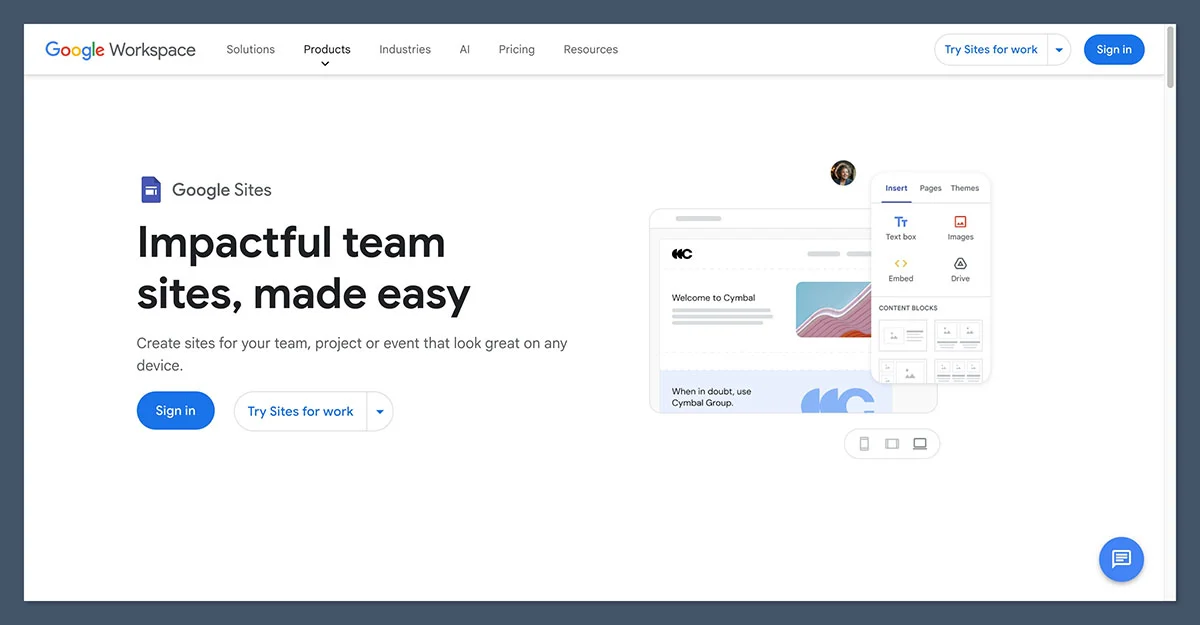
In the rapidly evolving landscape of digital presence, the distinction between a website and an online store has never been more critical. As entrepreneurs and business owners scramble to establish a foothold on the web, they are often faced with a plethora of choices. Two of the most frequently discussed, yet fundamentally different, platforms are Shopify and Google Sites.
While both allow users to publish content to the internet, that is where the functional similarity ends. After conducting hundreds of hours of rigorous, hands-on testing of various website builders and ecommerce engines, we have concluded that Shopify is the definitive winner for any venture intended to generate revenue. Conversely, Google Sites occupies a specific niche for free, informational, and internal web projects.
This guide breaks down why these two platforms occupy entirely different orbits, helping you determine which is the right investment for your specific business goals.
The Core Dichotomy: Purpose and Philosophy
To understand the difference between Shopify and Google Sites, one must look at their core design philosophies.
Shopify was engineered from the ground up as a dedicated commerce operating system. It is a SaaS (Software as a Service) platform designed to manage the entire lifecycle of a sale: inventory management, secure checkout, tax calculation, global shipping logistics, and customer relationship management.
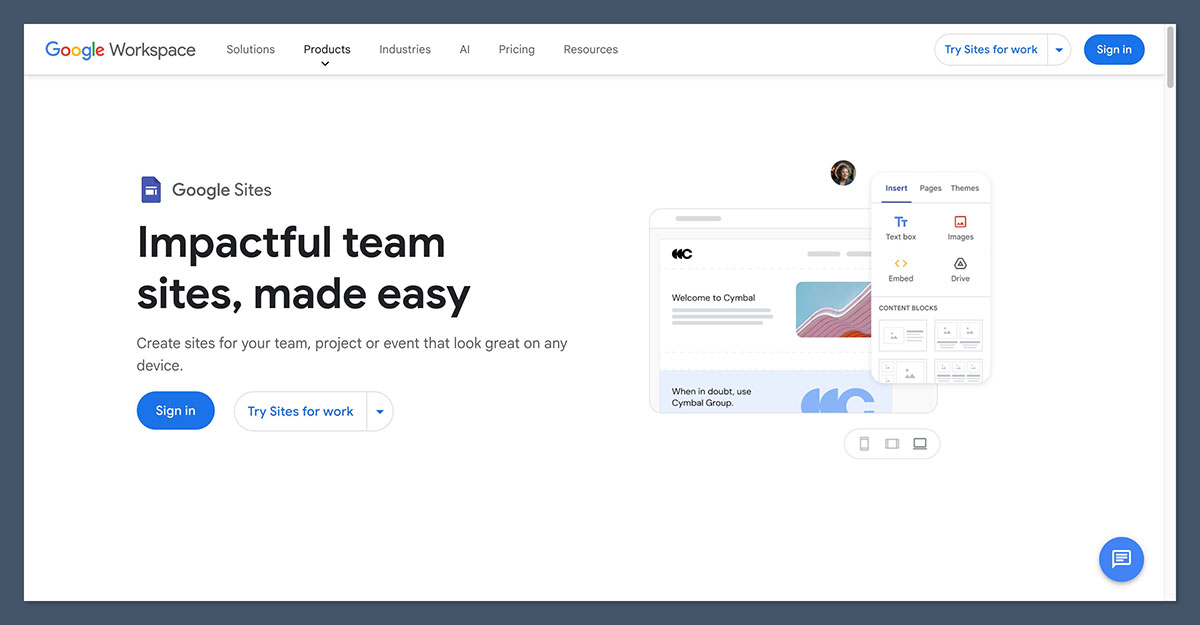
Google Sites, in contrast, is an extension of the Google Workspace ecosystem. It is a lightweight, intuitive site builder designed for rapid information dissemination. It excels at creating internal company wikis, project hubs, classroom portals, and basic static landing pages. It was never intended to handle the complexities of a commercial transaction.
A Chronology of Platform Evolution
- The Early 2000s: Google acquired JotSpot in 2006, which eventually evolved into the current iteration of Google Sites, focusing on collaboration and simplicity.
- The Shopify Rise: Founded in 2006, Shopify emerged as a reaction to the frustration of building online stores using cumbersome, existing tools. It focused on the merchant experience, democratizing ecommerce for millions.
- The Modern Era: Today, Shopify has become a powerhouse, hosting over 12,000 apps and processing billions in transactions. Google Sites remains a "utility" tool, prioritizing ease of use over complex business functionality.
Comparative Analysis: Breaking Down the Metrics
When comparing these two, it is essential to look at the pillars of digital success: pricing, sales utility, SEO, design, and user experience.
1. Pricing: The Free vs. Revenue-Generating Model
Google Sites is undeniably the winner for those with zero budget. It is completely free to host and build, requiring only a Google account. The only cost associated with it is the purchase of a custom domain name (typically $10–$20/year) and potentially a Google Workspace subscription if you require professional administrative controls.
Shopify operates on a subscription model. Plans range from roughly $29 to $299 per month for standard tiers, with enterprise-level Shopify Plus starting at $2,300/month. However, comparing these prices is a "false equivalency." You are not paying for the same service; you are paying for an infrastructure that facilitates profit. Shopify’s fees cover hosting, security, payment processing, and high-performance server maintenance—features that simply do not exist in the Google Sites ecosystem.
2. The Ecommerce Engine
If your goal is to sell, Shopify is the only choice. The platform offers:
- Native Inventory Control: Real-time tracking across multiple warehouse locations.
- Payment Gateways: Integration with over 100 providers, including Apple Pay, Google Pay, and PayPal.
- Abandoned Cart Recovery: Automated email triggers to recover lost sales.
- AI-Driven Copywriting: Built-in "Shopify Magic" to optimize product descriptions.
Google Sites offers none of these. To "sell" on a Google Site, you would have to manually embed external buttons or links that redirect users to a third-party checkout. This results in a disjointed, high-friction user experience that typically kills conversion rates.
3. SEO and Visibility
Visibility is the lifeblood of online commerce. Shopify provides an extensive SEO toolkit:
- Schema Markup: Automatic structured data to help search engines understand your products.
- Blogging: A full-featured CMS (Content Management System) to build topical authority.
- Speed and Security: High-speed global CDNs (Content Delivery Networks) and SSL certificates included out-of-the-box.
Google Sites, while "mobile-friendly," is severely limited. You cannot control technical SEO elements like canonical tags, schema, or advanced indexing settings. It is not designed to rank in competitive search markets, and its basic design constraints make it difficult to build the comprehensive content hubs required for modern SEO success.
Supporting Data: The User Perspective
In our testing, we evaluated both platforms based on a seven-pillar rubric:
| Metric | Shopify | Google Sites |
|---|---|---|
| Sales Features | 40% (Weighting) | 0% (No Native Support) |
| Website Features | 15% | 10% |
| Support | 12% | 5% |
| Design/Customization | 10% | 5% |
| User Experience | 10% | 15% |
| Value for Money | 5% | 40% |
The data confirms the trade-off: Shopify is an investment in commerce; Google Sites is a utility for information.
The Implications of Choice
Choosing the wrong platform can have severe long-term consequences.
Implication of Choosing Shopify for a Simple Site:
If you only need a landing page to display contact information, choosing Shopify is "overkill." You will pay monthly fees for features you do not need, and the learning curve—while moderate—will be unnecessary for a site that doesn’t sell anything.
Implication of Choosing Google Sites for an Online Store:
This is a more dangerous mistake. Businesses that attempt to "hack" an ecommerce site together using Google Sites often find themselves unable to manage inventory, calculate taxes accurately, or provide a secure, professional checkout experience. The loss of customer trust due to a clunky, non-professional store can lead to irreparable brand damage.
When to Choose Which
Choose Google Sites If:
- You are building an internal company intranet.
- You are a teacher creating a classroom resource page.
- You need a simple, free landing page to share information (e.g., a wedding invitation or a personal resume).
- You have zero budget and no plans to scale into commerce.
Choose Shopify If:
- You intend to sell physical or digital products.
- You want to scale your business into a brand.
- You require multichannel selling (syncing inventory across TikTok, Instagram, and Google Shopping).
- You want access to a massive library of plugins and professional design templates.
Final Verdict: The Strategic Decision
After thorough analysis, the distinction is clear: Shopify is a business engine; Google Sites is a digital filing cabinet.
For any entrepreneur, the primary goal is to minimize friction in the sales process. Shopify minimizes this friction by handling every aspect of the transaction within a secure, professional, and scalable environment. Google Sites, while an excellent, user-friendly tool for internal documentation, introduces insurmountable friction for any commercial endeavor.
If you are just starting your online journey, do not let the allure of a "free" tool distract you from your ultimate objective. If that objective is to build a successful, revenue-generating business, Shopify is the industry standard for a reason. Start with their free trial, leverage their $1/month introductory offers, and treat your digital storefront as the professional asset it needs to be.

Frequently Asked Questions (FAQs)
Can I sell products on Google Sites?
Not natively. There is no shopping cart or payment processor. Any transaction must be offloaded to an external service, which creates a poor customer experience.
Is Google Sites really free?
Yes. The builder and hosting are free with any Google account. However, you will need to purchase a custom domain name and pay for a Google Workspace subscription if you require professional business features.
How much does Shopify cost?
Standard plans range from $29 to $299/month (billed annually). Shopify also offers a $5/month "Starter" plan for social selling, and high-end enterprise solutions (Shopify Plus) start at $2,300/month.
Is Google Sites good for SEO?
It is only suitable for very basic, low-competition sites. Because you cannot control advanced SEO elements like schema markup, canonicalization, or advanced metadata, it will struggle to rank against professional ecommerce stores.
Can I embed a Shopify store into Google Sites?
Technically, yes, using the "Buy Button" feature. However, you still need an active, paid Shopify subscription to use the feature. It is far more efficient to build the entire store on Shopify from the start.
 Lina Irawan
  Basiran
  Nila Kartika Wati