
 By Lina Irawan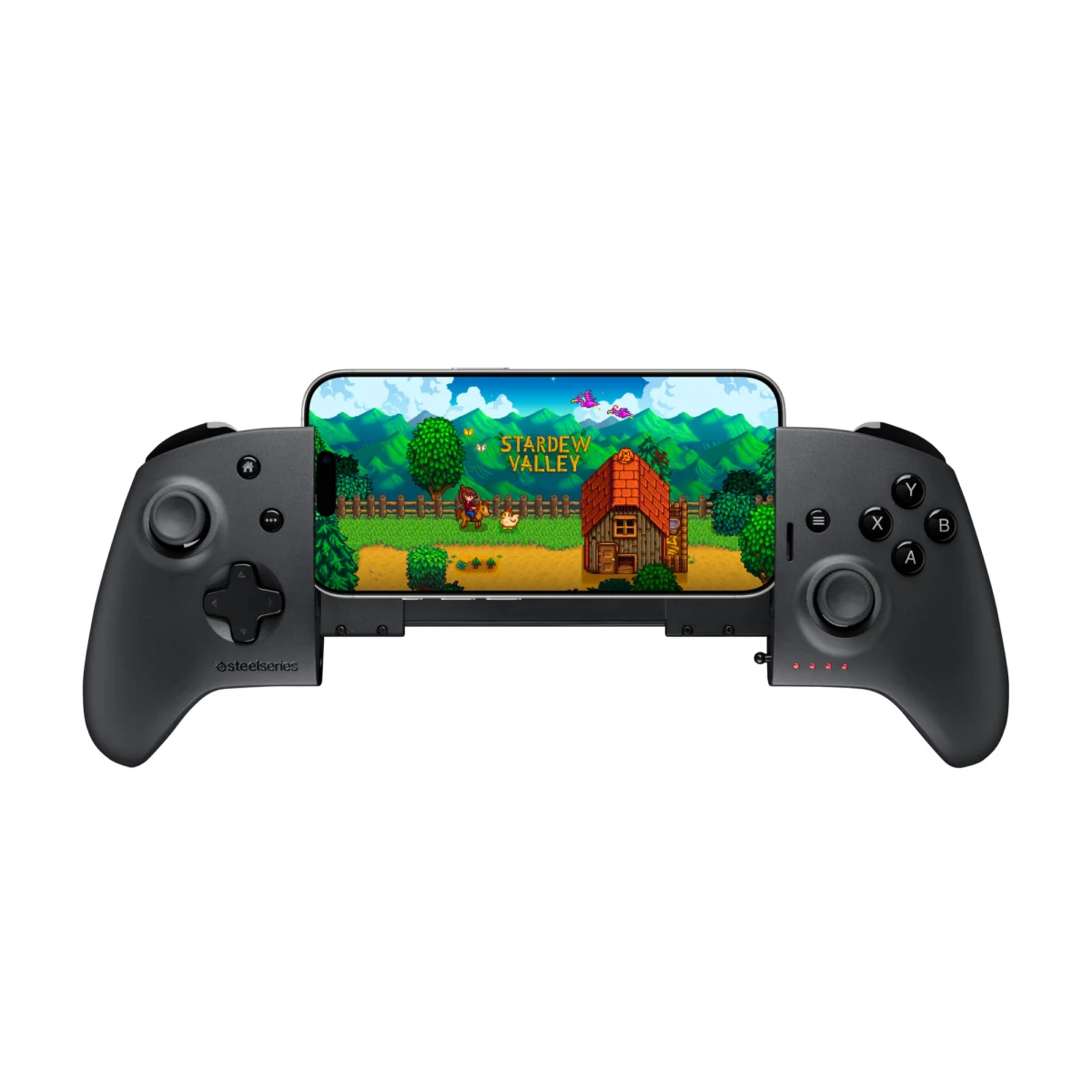
With the recent launch of the iPhone 18 Pro, Apple has sent a clear, thunderous signal to the industry: the smartphone is no longer just a communication tool or a productivity hub—it is a formidable gaming console. During the launch presentation, Apple executives leaned heavily into the device’s gaming capabilities, touting the A20 Pro chip’s 7-core GPU, which promises a 40% performance boost over its predecessor. Combined with an upgraded thermal management system featuring an enlarged vapor chamber, Apple claims the hardware is now capable of sustaining AAA performance levels previously reserved for dedicated consoles.
Yet, as the dust settles on the iPhone 18 Pro pre-orders, the conversation has shifted from the hardware inside the phone to the hardware that might soon sit in our hands. Reports surfacing from code deep-dives and industry insiders suggest that Apple is preparing to re-enter the gaming peripheral market with two new controllers. If confirmed, this would mark Apple’s most significant foray into dedicated gaming hardware since the ill-fated Pippin console of the mid-90s.
The Evidence: What the Code Reveals
The whispers regarding these controllers originated from a meticulous inspection of the macOS 26.7 release code. A sharp-eyed MacRumors reader identified two distinct device identifiers: "T6502" and "T1057." These units are explicitly categorized within Apple’s Game Controller framework as "Made for iPhone" (MFi) gamepads.
Industry analyst Mark Gurman of Bloomberg has further bolstered these claims, noting that these controllers have been in internal development for over a year. The technical specifications point to a familiar layout: a robust D-pad, dual thumbsticks, standard shoulder buttons, and analogue triggers—the industry standard for modern gaming.
The strategy appears to be twofold. One model is rumored to be a streamlined, wired controller designed for plug-and-play simplicity. The second, more ambitious iteration reportedly features Bluetooth connectivity, integrated accelerometers, and gyroscopes. This "Pro" version would theoretically allow for advanced motion controls, positioning it as a direct competitor to high-end peripherals from companies like Sony, Microsoft, and Razer.
A History of Gaming Hardware: From Pippin to Arcade
To understand the gravity of this potential move, one must look at Apple’s fractured history with gaming. The Apple Pippin, released in 1996, remains a cautionary tale of over-ambition and poor market fit. It was a multimedia console that lacked the software library to compete with the Sega Saturn or the PlayStation. Since then, Apple has largely opted to let third-party developers handle the "gaming" experience, focusing instead on providing the platform—the App Store and, more recently, Apple Arcade.
However, the landscape has changed. The rise of cloud gaming and the success of portable powerhouses like the Nintendo Switch and the Steam Deck have proven that consumers crave high-fidelity gaming on the go. By integrating console-grade performance into the iPhone 18 Pro, Apple is effectively laying the foundation for a platform that could potentially host desktop-class titles. The missing link has always been the interface. While touchscreens have improved, they are fundamentally inadequate for the precision required in modern competitive or AAA titles. Dedicated physical controls are the necessary next step.
The "Beats" Strategy: Why Not Apple?
Perhaps the most intriguing detail in the current rumors is the branding. Reports suggest these controllers will be released under the "Beats" moniker, rather than the iconic Apple logo. This decision is as strategic as it is surprising.
Historically, Apple has been protective of its brand identity. By delegating gaming hardware to Beats, Apple achieves several objectives:
- Market Positioning: Beats is perceived as a "youthful" and "energetic" brand. It carries less of the sterile, premium-luxury baggage that Apple often projects, making it a more natural fit for the gaming subculture.
- Price Flexibility: Apple’s main brand is synonymous with high-end, high-margin products. Using the Beats label allows for a more flexible pricing structure, enabling the company to compete with established mid-tier peripheral makers without damaging its own premium reputation.
- Platform Agnostic Appeal: Beats is already a cross-platform brand. If the controllers are branded as Beats, they can be marketed to Android users as well, potentially capturing a larger market share of the mobile gaming demographic than a device strictly tied to the "iPhone" brand ever could.
However, this strategy is not without its risks. Beats is primarily known for audio equipment. While it has successfully branched into speakers and cases, transitioning to gaming peripherals is a massive leap. Gamers are notoriously brand-loyal and skeptical of "lifestyle" brands entering their space. If the controllers lack the tactile satisfaction of an Xbox Elite or a DualSense, the Beats branding might not be enough to save them.
The Competitive Landscape
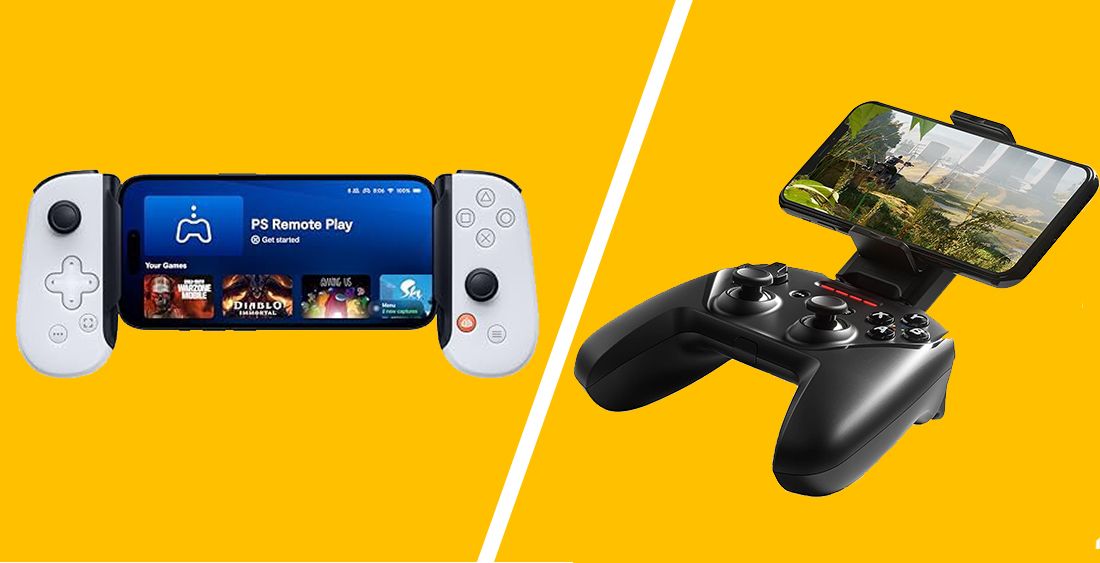
The market for mobile gaming controllers is already saturated. Consumers can currently choose from a variety of premium devices. Backbone, for example, has effectively cornered the market on "clamp-style" controllers that turn a smartphone into a makeshift Switch. SteelSeries and Razer offer high-quality Bluetooth controllers that are compatible with nearly every mobile OS.
For Apple to succeed, it cannot simply offer "another" controller. It must offer an experience that integrates seamlessly with the ecosystem. This means near-zero latency, native integration with iOS/macOS, and, crucially, a software layer that makes mapping controls to existing mobile games effortless.
Implications: A New Ecosystem
If Apple moves forward with these controllers, the implications for the wider gaming industry are profound.
1. The Death of the "Mobile-Only" Mindset
By providing hardware that mimics console controls, Apple is encouraging developers to port more complex games to the iPhone. If developers know that a significant portion of their player base is using a physical controller, they will be more likely to prioritize console-quality control schemes in their mobile versions.
2. Apple TV and Vision Pro Synergy
The controllers are unlikely to be limited to the iPhone. We should expect seamless hand-offs between the iPhone, iPad, Mac, and Apple TV. Imagine starting a game on your commute using your iPhone, and then dropping the device into a dock (or using AirPlay) to continue on your living room television using the same controller. Furthermore, the inclusion of motion sensors suggests a future where these controllers serve as a bridge for spatial gaming on the Vision Pro, offering a tactile anchor in an immersive environment.
3. The "Late-to-the-Party" Philosophy
Apple has a well-documented history of entering mature markets only when it believes it can offer a definitive "perfection" of the existing technology. When Apple enters a space, it rarely does so to experiment; it does so to dominate. If this controller project is truly under development, Apple is signaling that it believes it has identified a gap in the market—likely the lack of a standardized, high-quality, universal mobile gaming experience.
Conclusion: Is There a Market for an Apple Controller?
Ultimately, the question remains: does the world need an Apple—or Beats—gaming controller?
For the casual gamer, perhaps not. But for the power user invested in the Apple ecosystem, the promise of a "just works" controller is compelling. If these devices offer the same level of seamless pairing, low latency, and build quality associated with Apple’s best work, they could become the gold standard for mobile gaming.
However, the "Beats" branding is a double-edged sword. While it provides the flexibility to compete on price, it risks signaling that Apple isn’t fully committed to the "gaming" identity. If Apple wants to compete with the Steam Deck or the Nintendo Switch, it must eventually step out from behind the Beats curtain and fully embrace its own identity as a gaming powerhouse.
The hardware is coming, and the performance is already there. The real battle will be fought in the minds of the players—and whether Apple can prove that it understands the culture, as well as it understands the code.
 Reynand Wu
  Lina Hope
  Evan Lee Salim