
 By Reynand Wu
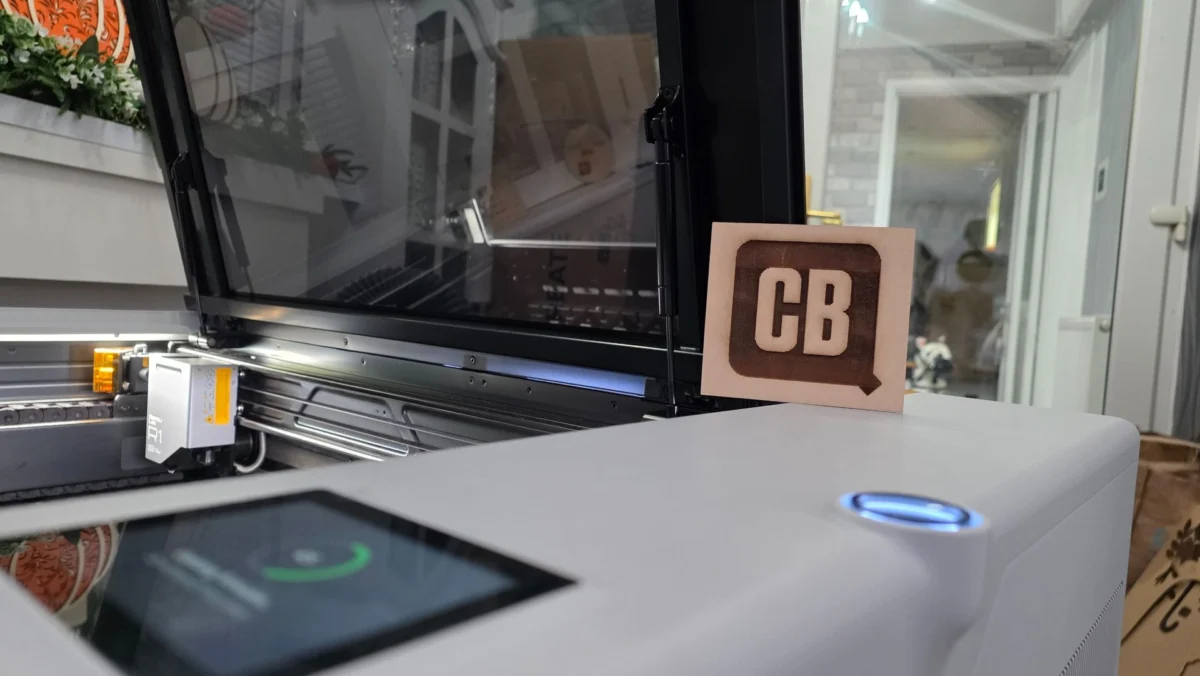
Bambu Lab, the powerhouse that has dominated the desktop 3D printing industry for the past five years, has officially broken its own mold. In a landmark announcement that marks the company’s first departure from the 3D printing ecosystem, Bambu Lab has unveiled the R1, a 55-watt CO2 laser cutter that promises to streamline the desktop fabrication experience.
For a company synonymous with high-speed, user-friendly 3D printers, the R1 represents a bold pivot into the competitive laser-cutting market—a space currently dominated by incumbents like xTool. After two weeks of intensive beta testing, the verdict is clear: Bambu Lab is not merely entering this space; they are looking to disrupt it with the same obsession for workflow optimization that turned their printers into household names.
The Evolution of Bambu Lab: From Extrusion to Emission
The journey to the R1 did not happen overnight. Over the last twelve months, Bambu Lab has been testing the waters by integrating modular laser heads into their H-series 3D printers. For many enthusiasts, the H2S served as a bridge, offering a hybrid approach that combined traditional extrusion with laser-based cutting and blade-based precision, reminiscent of the versatility found in high-end Cricut machines.
However, the R1 is a different beast entirely. It is a standalone, dedicated CO2 laser designed for power, precision, and ease of use. While the company has long been the "top dog" of the maker community, the R1 signals a transition from being a printer manufacturer to a comprehensive desktop manufacturing hub.
Key Technical Specifications and Performance
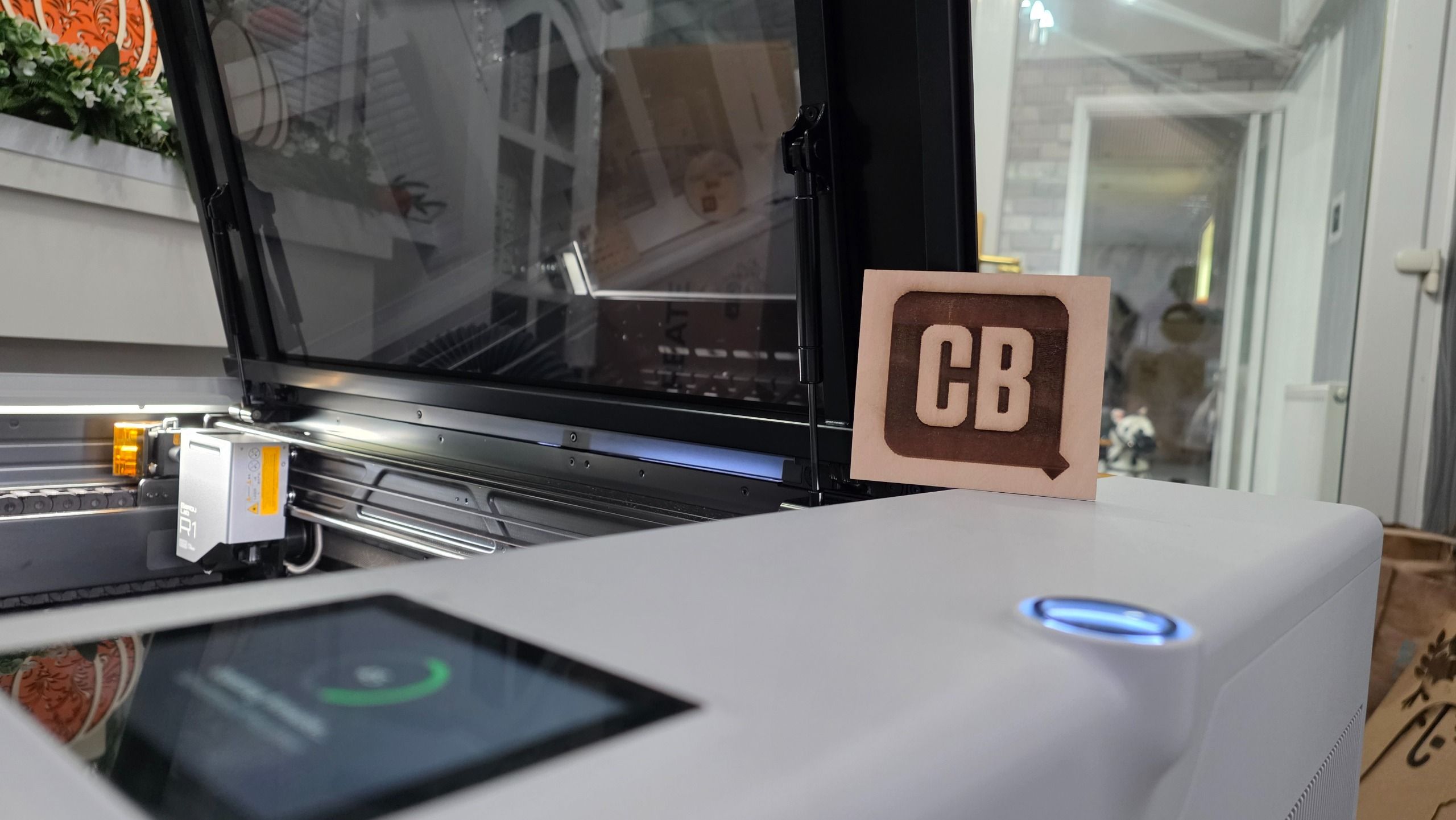
At its core, the R1 is a 55-watt CO2 laser, a power profile that strikes a perfect balance between professional-grade output and the footprint required for a home studio or small business.
The TriSense System: A Game Changer
The standout feature of the R1 is undoubtedly the "TriSense System." For those familiar with traditional CO2 lasers, the process of manual mirror alignment is often the most frustrating barrier to entry. It is a laborious, time-consuming task involving thermal paper, trial-and-error burn tests, and the physical turning of mirror mounts.
Bambu Lab has completely eliminated this friction. The TriSense system enables the R1 to perform an automated optical path alignment. With a single click, the machine detects the placement of the material, calculates the surface height, and maps the tool head path. This level of automation is unprecedented at this price point and fundamentally lowers the barrier to entry for hobbyists who lack a background in optical engineering.
Material Versatility
The R1 handles a diverse library of materials with ease. During our two-week testing phase, the machine sliced through acrylic "like butter," according to our hands-on experience. The roster of compatible materials includes:
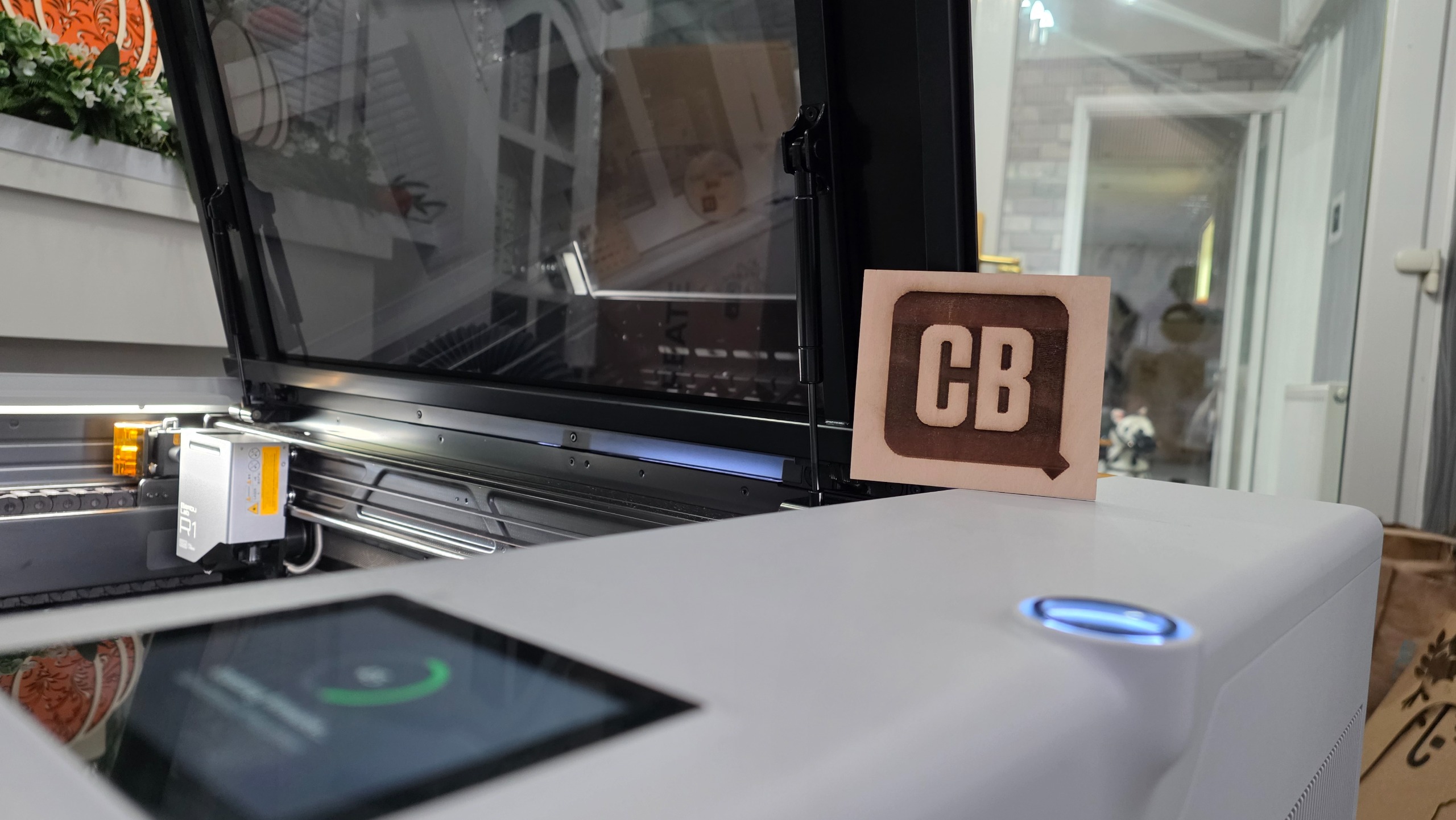
- Organics: Wood, leather, paper, and fabric.
- Engravables: Glass, stone, and various coated metals.
- Synthetic: Acrylics (clear and colored).
While some material compatibility is still being refined via ongoing software updates, the R1 proved surprisingly capable even with non-standard materials like PLA, provided the user adheres strictly to the safety guidelines.
Chronology of the Launch
- The Lead-Up (2023–2024): Bambu Lab integrates laser and blade modules into the H-series 3D printers, testing user demand for multi-functional fabrication.
- The Announcement (October 2024): The official reveal of the R1, the company’s first standalone laser product.
- Beta Phase: Select testers receive the R1 to evaluate build quality, software stability, and the efficacy of the TriSense alignment system.
- Pre-Order Window: Pre-orders open immediately following the announcement, with the first units slated to ship in late October.
Pricing Strategy and Market Positioning
Priced at $2,499.00 / £2,249.00 / €2,499.00 / AU$3,849.00 for the base unit, the R1 is aggressively positioned. To put this in perspective, competitors like the xTool P2S launched at a higher MSRP of approximately $4,299. By offering a high-performance CO2 laser at a significantly lower entry cost without sacrificing build quality, Bambu Lab is positioning the R1 to capture both the professional maker demographic and the "prosumer" segment that has already bought into the Bambu ecosystem.
Software Ecosystem: Bambu Suite
One of the most common complaints in the laser industry is the fragmented, often buggy software provided by hardware manufacturers. Bambu Lab is addressing this with the launch of "Bambu Suite."
Crucially, the software is 100% free. Unlike some competitors that utilize AI-credit systems or subscription-based features, Bambu Suite is a clean, desktop-downloadable environment. It includes essential tools for background removal and vector tracing, allowing users to convert raster images into cut-ready SVGs in seconds. The UI feels like an extension of the Bambu Studio software used for their printers, ensuring a shallow learning curve for existing fans.
Safety and Reliability
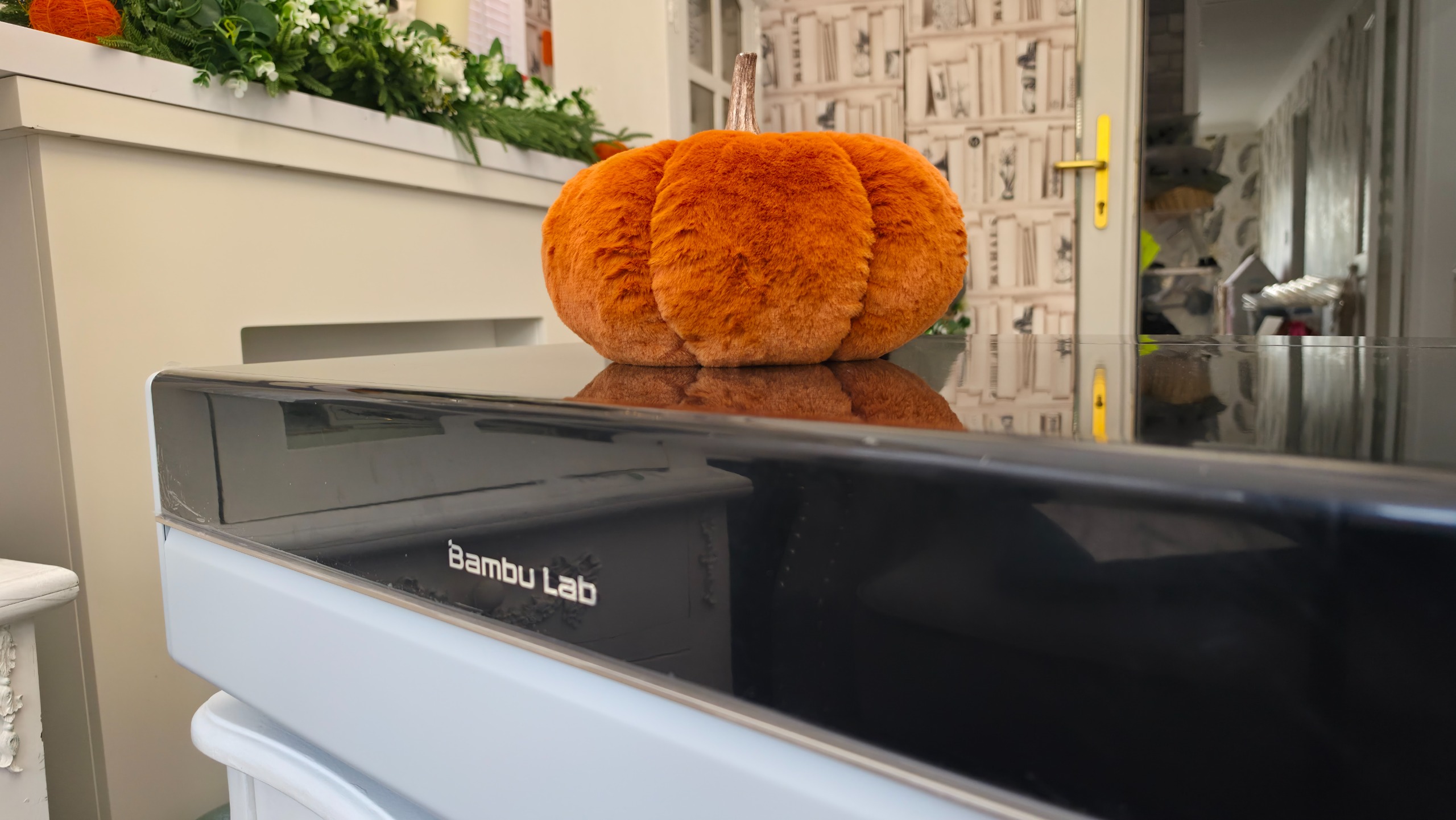
The R1 is Class 1 certified, meaning it is designed to be safe for use in residential environments, including homes with pets and children. Safety features include:
- Auto-Stop: The laser ceases operation instantly if the lid is opened.
- Emergency Stop: A prominent physical red button for immediate power-down.
- Flame Detection: The system monitors for flare-ups, with an optional, dedicated Auto Fire Extinguishing System available for purchase.
- Vision Encoder: Sold separately, this calibration board allows the machine to detect and correct mechanical drift over time, ensuring that the precision of the machine does not degrade with heavy usage.
Implications for the Maker Industry
The introduction of the R1 has significant implications for the broader creative technology market.
Competition and Innovation
By entering the laser space, Bambu Lab is forcing incumbents to justify their higher price points. When a company with the scale and manufacturing efficiency of Bambu Lab enters a market, the immediate result is usually a "race to the top" in terms of feature sets. We expect to see competitors rushing to improve their own alignment systems and software ease-of-use to match the R1’s "one-click" workflow.
The "Bambu-fication" of Desktop Fabrication
The R1 reinforces the trend of "appliance-like" fabrication tools. Five years ago, laser cutting required a technical understanding of optics and cooling systems. With the R1, Bambu Lab is pushing toward a future where a laser cutter is treated more like a high-end office printer—reliable, automated, and accessible.
Limitations to Consider
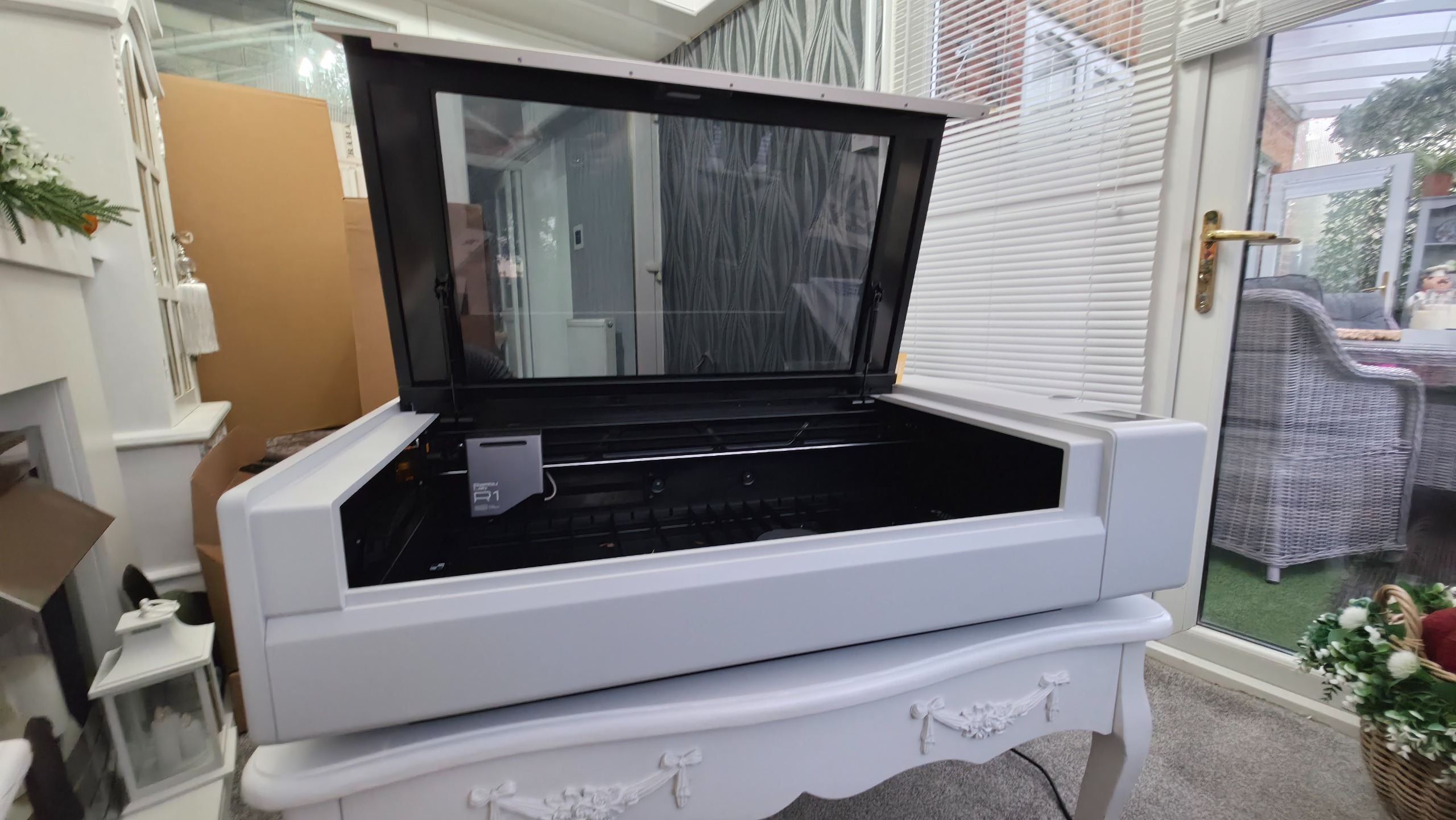
Despite the excitement, the R1 is not without its physical footprint. It is a "chonky" machine, requiring a dedicated workspace. While it is more space-efficient than typical CO2 lasers—saving about a third of the space of a standard unit—it is significantly larger than compact diode lasers like the xTool F2 Ultra. Furthermore, the lack of live-stream video monitoring via the app means that users must remain in proximity to the machine during operation, a standard safety requirement that users should not ignore.
Final Thoughts
The Bambu Lab R1 is a statement piece. It says that the company is no longer content with just 3D printing; they intend to own the entire "maker" desk. By leveraging their existing user base, a refined software suite, and a disruptive pricing strategy, Bambu Lab has created a compelling product that is likely to become the new benchmark for desktop CO2 laser cutters.
For those currently using Bambu printers, the R1 is a natural extension of your workflow. For those new to the ecosystem, it represents a high-performance, low-friction entry point into the world of laser fabrication. As shipping commences in October, the industry will be watching closely to see if the R1 can sustain its early momentum. If the last few weeks of testing are any indication, the R1 is not just a success—it is the beginning of a new chapter in desktop manufacturing.
 Iffa Jayyana
 Nila Kartika Wati
