
 By Siti Muinah
In the hyper-competitive digital ecosystem of 2026, where global social media advertising spend is projected to surge to an astronomical $338.75 billion, marketing leaders face unprecedented pressure to justify budgets and optimize content performance. Operating in an information vacuum is no longer viable. To understand whether a 2% engagement rate is a triumph or a failure, modern brands must contextualize their metrics against broader industry standards.

Enter social media competitor analysis—a strategic practice that has evolved from basic digital spying into a sophisticated discipline centered on baseline establishment, trend forecasting, and strategic positioning. By tracking how category peers perform across various digital channels, brands can transform raw data into actionable insights, mitigating guesswork and aligning marketing goals with shifting consumer behavior.

Main Facts: The Evolution of Social Media Benchmarking
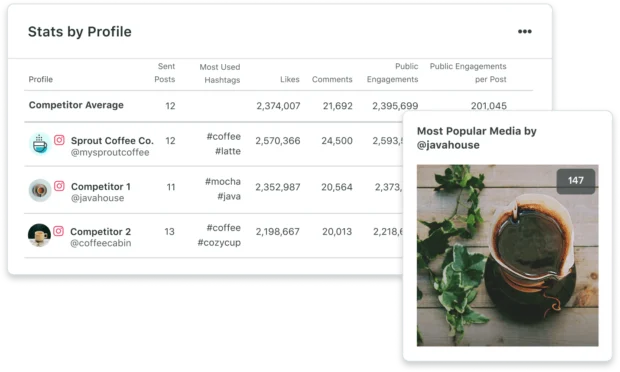
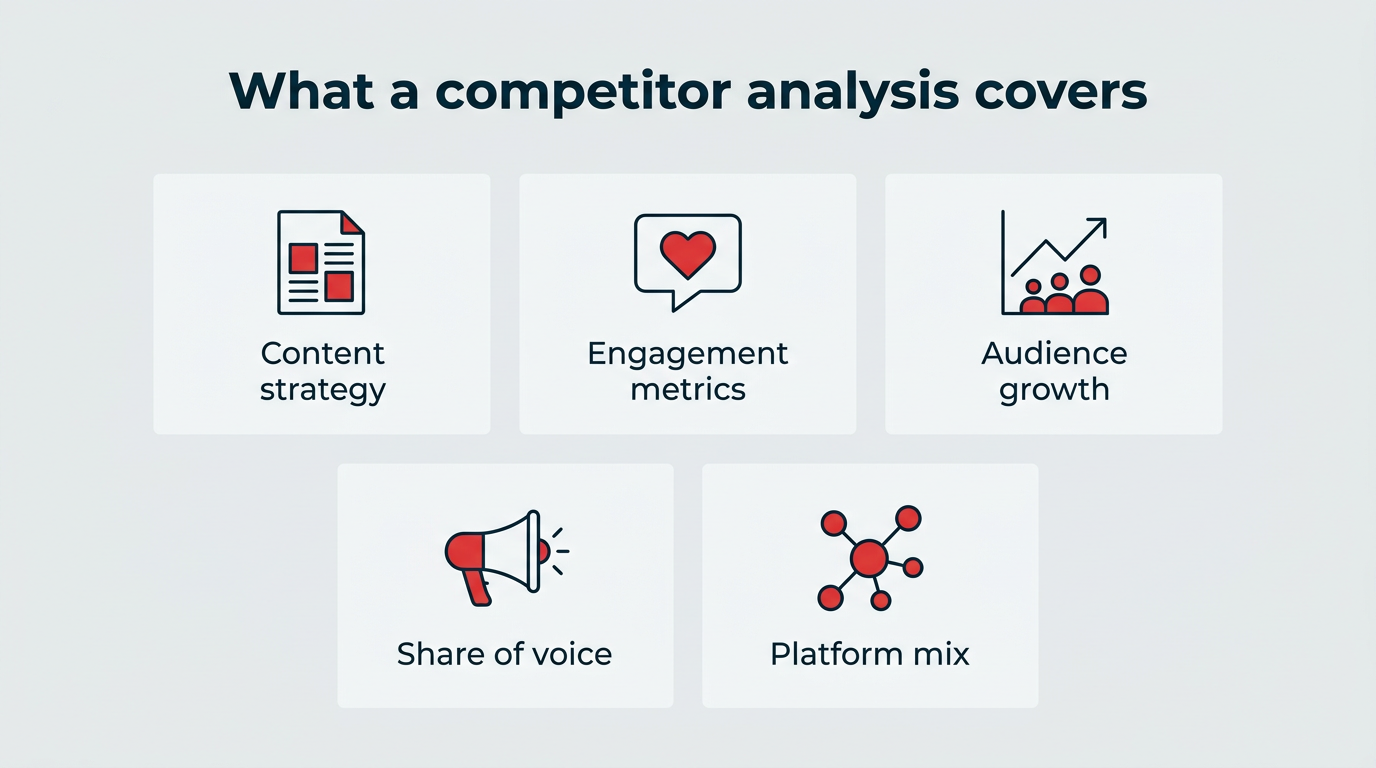
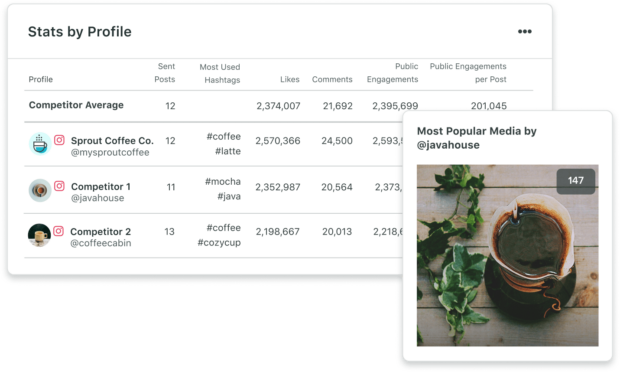
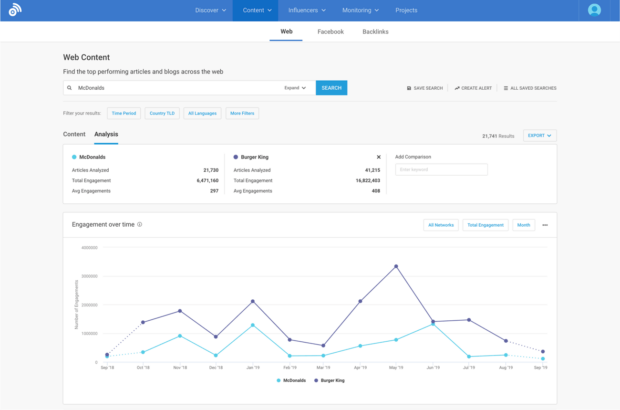
At its core, social media competitor analysis involves tracking, evaluating, and comparing the performance, content strategies, and audience engagement of category rivals. Unlike broader market research—which focuses on overarching consumer demand, macroeconomic buying behavior, and target demographics—competitor analysis stays hyper-focused on the digital channels themselves. It measures the precise content competitors publish, how target audiences respond, and how a brand’s metrics stack up head-to-head.
As algorithms grow more unpredictable, generative AI floods feeds with content, and user screen time hits historic peaks, understanding competitor movements has become the earliest indicator of structural shifts within any given industry. Without these comparative baselines, marketing departments cannot accurately determine whether a sudden drop in reach stems from poor creative execution or a macro-level algorithm update impacting the entire sector.
Chronology and Industry Shift: From Manual Audits to AI-Driven Insights
The methodology of competitor tracking has undergone a massive transformation over the past decade:
- The Early 2010s (Manual Monitoring): Digital marketers relied heavily on manual spreadsheets, visiting individual competitor profiles daily to record follower counts, comment volumes, and posting frequencies by hand.
- The Mid-to-Late 2010s (Emergence of Point Solutions): The market saw the rise of specialized monitoring tools (such as Social Blade and early listening suites) that allowed brands to track basic metrics and hashtag usage across platforms like Twitter (now X) and Facebook.
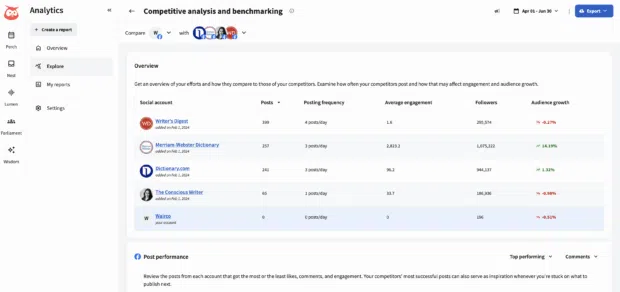
- The Early 2020s (Integrated Analytics): Competitor intelligence became deeply woven into broader social media management platforms. Tools began offering automated reporting, share-of-voice visualizations, and cross-channel tracking.
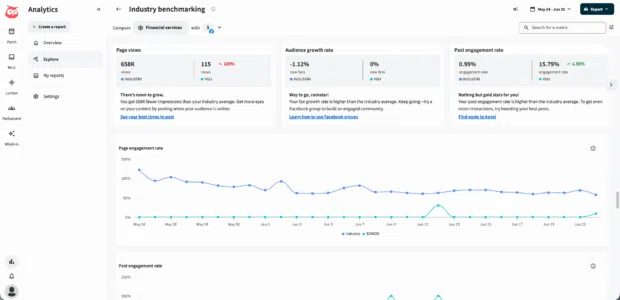
- 2025–2026 (AI Integration and Conversational Intelligence): Today, advanced platforms feature natural language querying (allowing marketers to ask questions about data in plain English) alongside predictive social listening and automated industry benchmarking. Platforms like Perch by Hootsuite, Brandwatch, and Sprinklr dominate the enterprise space by collapsing hours of manual research into instant, AI-synthesized summaries.
Supporting Data: Top Competitor Analysis Tools Compared
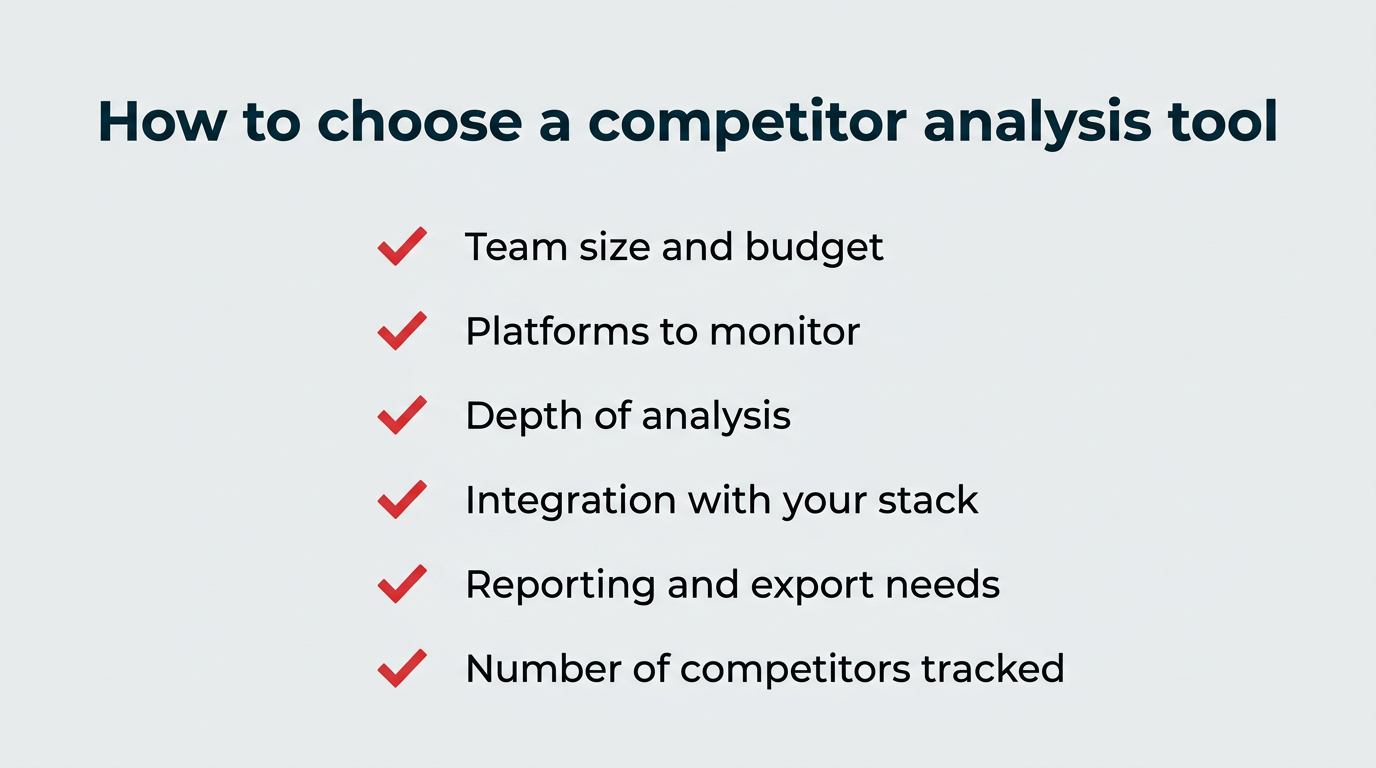
Selecting the right tool depends heavily on organizational structure, platform priorities, and budget constraints. The following breakdown evaluates the leading social media competitor analysis software available in the market:
| Tool | Best For | Supported Platforms | Starting Price | Target Audience |
|---|---|---|---|---|
| Perch by Hootsuite | Full management, analysis, & industry benchmarking | Facebook, Instagram, X, LinkedIn, TikTok, Bluesky | $99/user/month | Mid-market to Enterprise |
| Brandwatch | Consumer intelligence & share of voice analysis | X, Instagram, Facebook, Reddit, blogs, forums | Contact for pricing | Enterprise research teams |
| Sprinklr | Deep competitor insights & sentiment tracking | Facebook, Instagram, X, YouTube | Contact for pricing | Large enterprise teams |
| SEMrush | Combining SEO and social competitor insights | Facebook, Instagram, X, LinkedIn | $139.95/month (Pro) | Integrated marketing teams |
| Sprout Social | Advanced analytics and reporting benchmarking | Facebook, Instagram, X | $199/seat/month | Agencies and growing teams |
| BuzzSumo | Analyzing top-performing content and trends | Facebook (primary) + web | $199/month | Content-focused teams |
| Keyhole | Hashtag and campaign keyword tracking | X, Instagram, Facebook, YouTube, web | Contact for pricing | Campaign & influencer teams |
| Mentionlytics | Brand monitoring and sentiment analysis | X, Instagram, Facebook, YouTube, Pinterest, web | Contact for pricing | Small to mid-sized teams |
| Phlanx | Quick engagement comparisons across channels | Instagram, YouTube, X, Twitch | Free basic tools available | Solo marketers & creators |
| Later | Instagram-led benchmarking & multi-network scheduling | Instagram + additional networks via suite | Publicly listed plans | Creators & small businesses |
| Social Blade | Free, high-level performance tracking | YouTube, Instagram, TikTok, Twitch, Facebook | Free (with paid tiers) | Creators & small businesses |
| Similarweb | Understanding social traffic within the customer journey | Facebook, Instagram, YouTube, web sources | Contact for pricing | Analytics & growth teams |
Official Perspectives and Industry Insights
Industry leaders emphasize that competitive intelligence is not about replication; rather, it is about differentiation. According to digital marketing veteran Christina Newberry, "You never want to copy your competitors’ content, of course. But you do want to learn from the strategies that work for them."
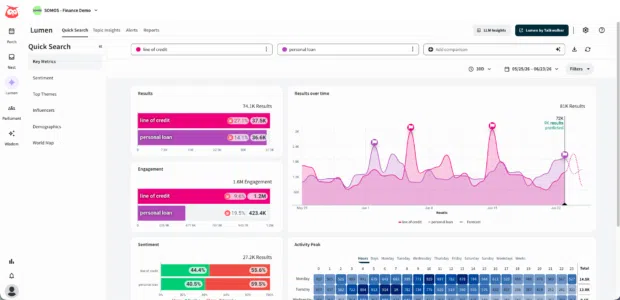
Marketing executives note that utilizing automated benchmarking tools allows departments to shift focus from data gathering to strategic execution. By leveraging unified dashboards, teams can instantly identify content gaps—such as underserved topics or ignored formats—that present clear opportunities for brand differentiation. Furthermore, data-backed justification of marketing performance provides necessary leverage during executive budget approvals, ensuring that social media spending is treated as a core revenue driver rather than an experimental expense.

Implications for Modern Marketers
Implementing a structured competitive analysis framework yields several profound implications for a brand’s long-term digital strategy:

1. Realistic Goal-Setting and Accountability
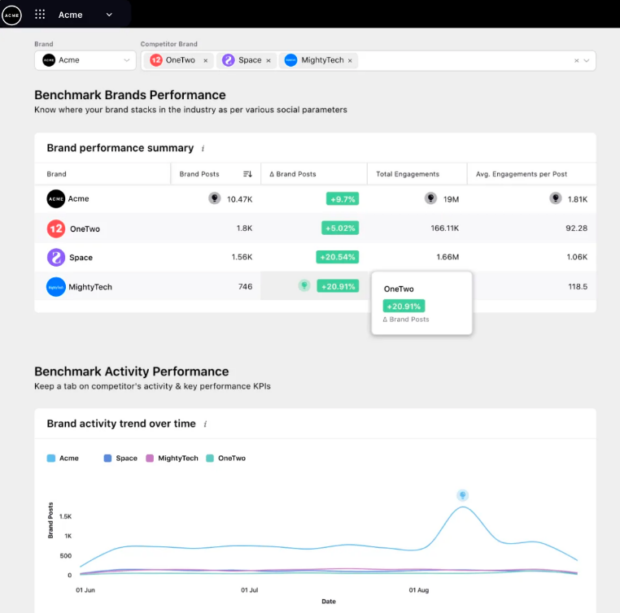
Without historical data on a newly launched channel, setting Key Performance Indicators (KPIs) can feel like shooting in the dark. By analyzing what established competitors achieve within the same niche, marketing teams can establish grounded, attainable performance goals.
2. Sharpening the Unique Selling Proposition (USP)
Monitoring competitors illuminates precisely where a brand excels and where it lags behind. Recognizing these distinctions fortifies the brand’s unique selling proposition, ensuring that messaging remains distinct in crowded digital feeds.
3. Enhancing Social SEO and Reach
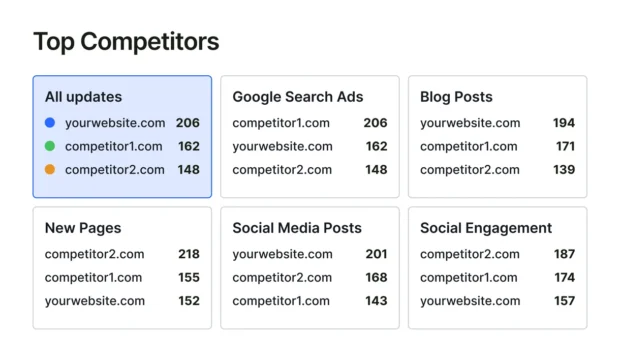
Deep competitive analysis extends beyond basic follower counts; it uncovers the specific keywords, phrases, and hashtags driving high-reach content. Integrating these insights into a broader social SEO strategy expands brand visibility far beyond existing follower bases.
4. Executing Comprehensive SWOT Analyses
Combining quantitative metrics (engagement rates, posting cadence) with qualitative metrics (audience sentiment, share of voice) provides the ideal foundation for a robust SWOT (Strengths, Weaknesses, Opportunities, Threats) analysis. This structural clarity empowers marketing teams to pivot quickly in response to emerging market trends.
Conclusion
Social media competitor analysis is no longer an optional luxury for brands looking to stand out; it is a fundamental pillar of modern digital strategy. By leveraging the right combination of analytics platforms—ranging from comprehensive suites like Perch by Hootsuite to specialized listening and SEO tools—marketers can decode industry shifts, defend their budgets, and uncover fresh opportunities for growth. As digital platforms continue to evolve at a breakneck pace, brands that systematically monitor and adapt to their competitive landscape will undoubtedly secure a lasting advantage.
 Ammar Sabilarrohman
 Jia Lissa
 Muslim
