
 By Asep Darmawan
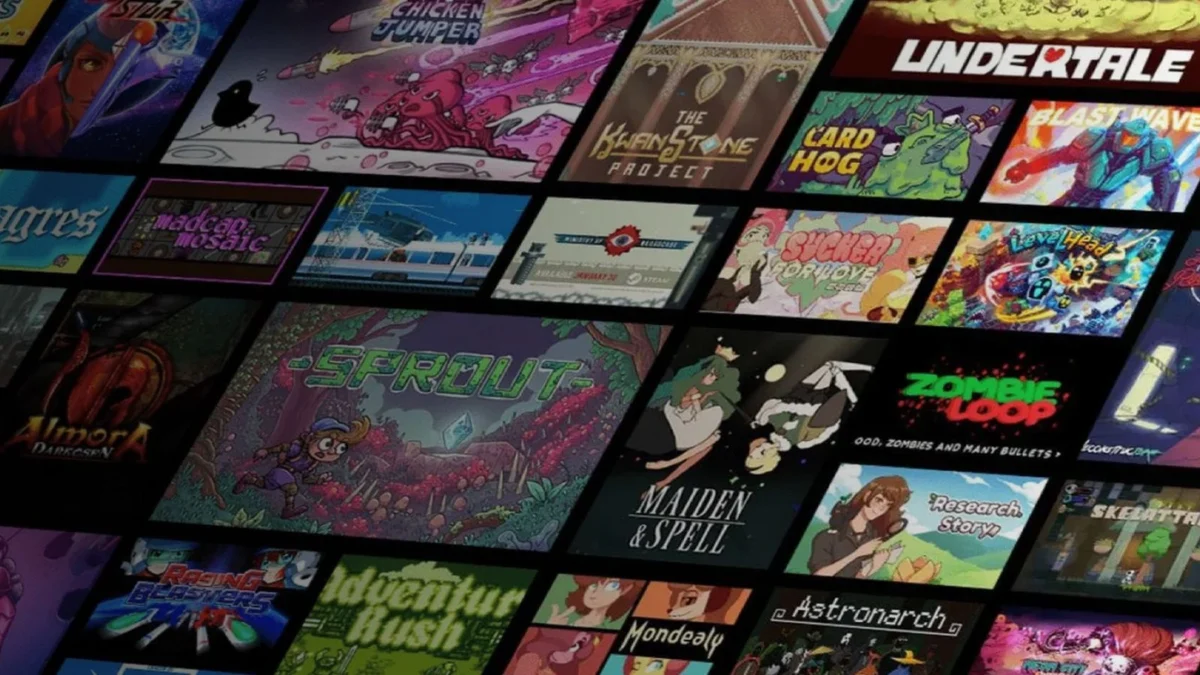
The landscape of indie game development is set for a seismic shift. GameMaker, the veteran engine powerhouse behind cult classics and massive indie hits, has announced that its next-generation runtime—the GameMaker Runtime (GMRT)—will be available for free for commercial use starting January 1, 2027. This move represents a strategic democratization of game development tools, potentially lowering the barrier to entry for aspiring creators globally.
By removing the requirement for a Professional license to release and monetize games on desktop, mobile, web, and the GX Games platform, GameMaker is signaling a commitment to an open-access model that could redefine how indie developers approach their business plans.
The Core Facts: What Changes in 2027?
Currently, GameMaker operates on a tiered model. While the software is free for non-commercial experimentation, developers who wish to distribute or sell their titles must purchase a one-off "Professional" license, currently priced at $99.99.
Starting January 1, 2027, this friction point will be removed for projects utilizing the GMRT. Developers will be able to build, publish, and sell their games commercially without the upfront cost of the professional tier.
Key Takeaways:
- Commercial Freedom: No professional license will be required for commercial deployment on standard platforms (Desktop, Mobile, Web, GX Games).
- Targeted Innovation: The policy change specifically applies to the GMRT, the platform’s future-facing technology stack.
- Console Stability: Requirements for console exports remain unchanged. Developers looking to target platforms like PlayStation, Xbox, or Nintendo Switch will still require an Enterprise license and must maintain an approved-developer status with the respective platform holders.
- Tiered Consistency: Despite the shift in runtime pricing, the current subscription and pricing tiers for the broader GameMaker suite remain in effect for the foreseeable future.
A Brief Chronology: The Evolution of GameMaker
GameMaker has long been a staple in the "democratization of code" movement. Its history is marked by a transition from a hobbyist tool to an engine capable of powering multi-million dollar commercial successes.
- Early Origins: Initially known as Animo and then Game Maker, the software was created by Mark Overmars in 1999. Its original intent was to teach students the fundamentals of programming through a visual, event-driven interface.
- Professionalization (2010s): With the acquisition by YoYo Games, the engine evolved into GameMaker: Studio. This era saw the engine gain industry respect as it powered titles like Spelunky, which demonstrated that a 2D engine could produce high-fidelity, highly polished, and commercially successful titles.
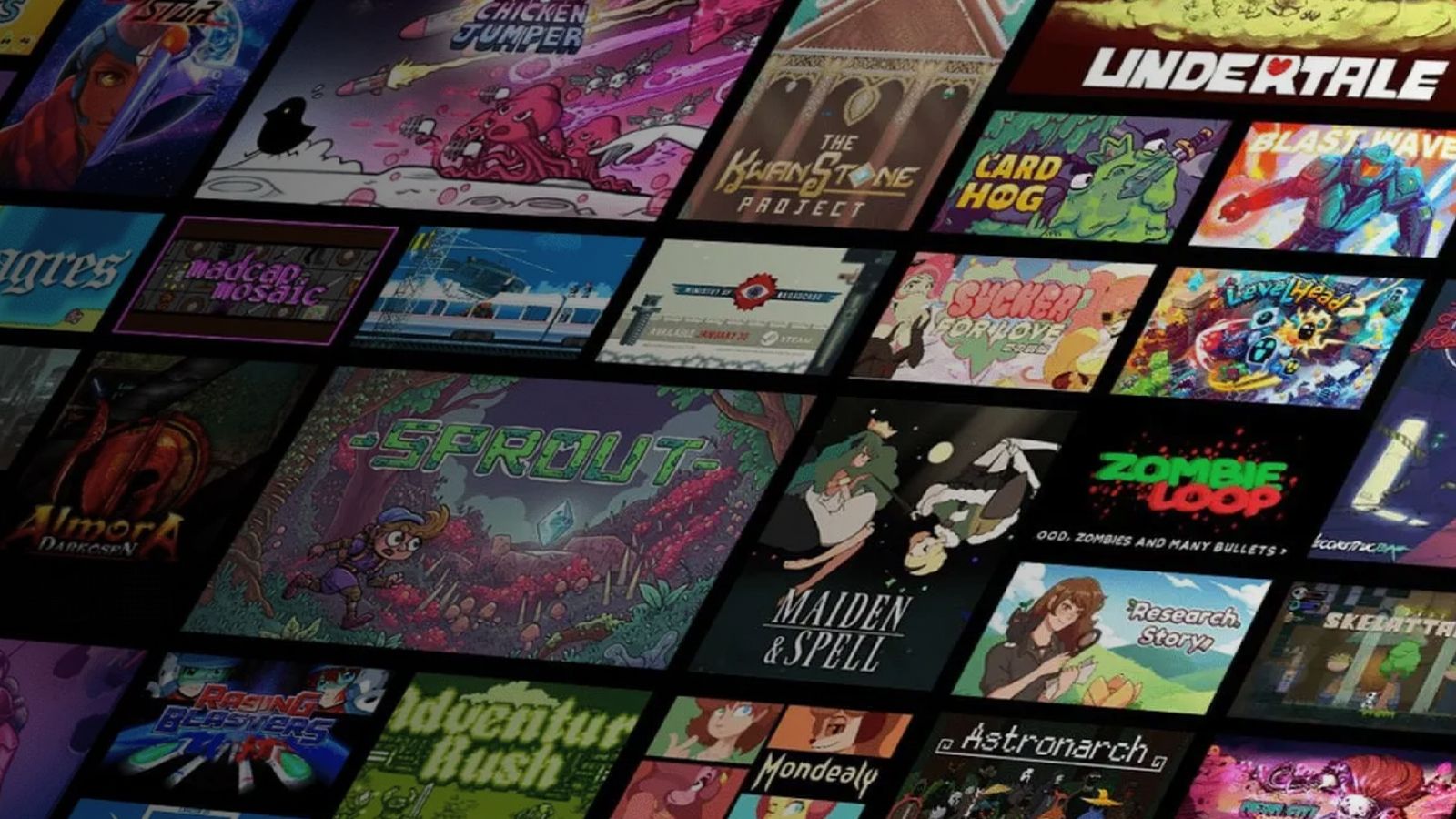
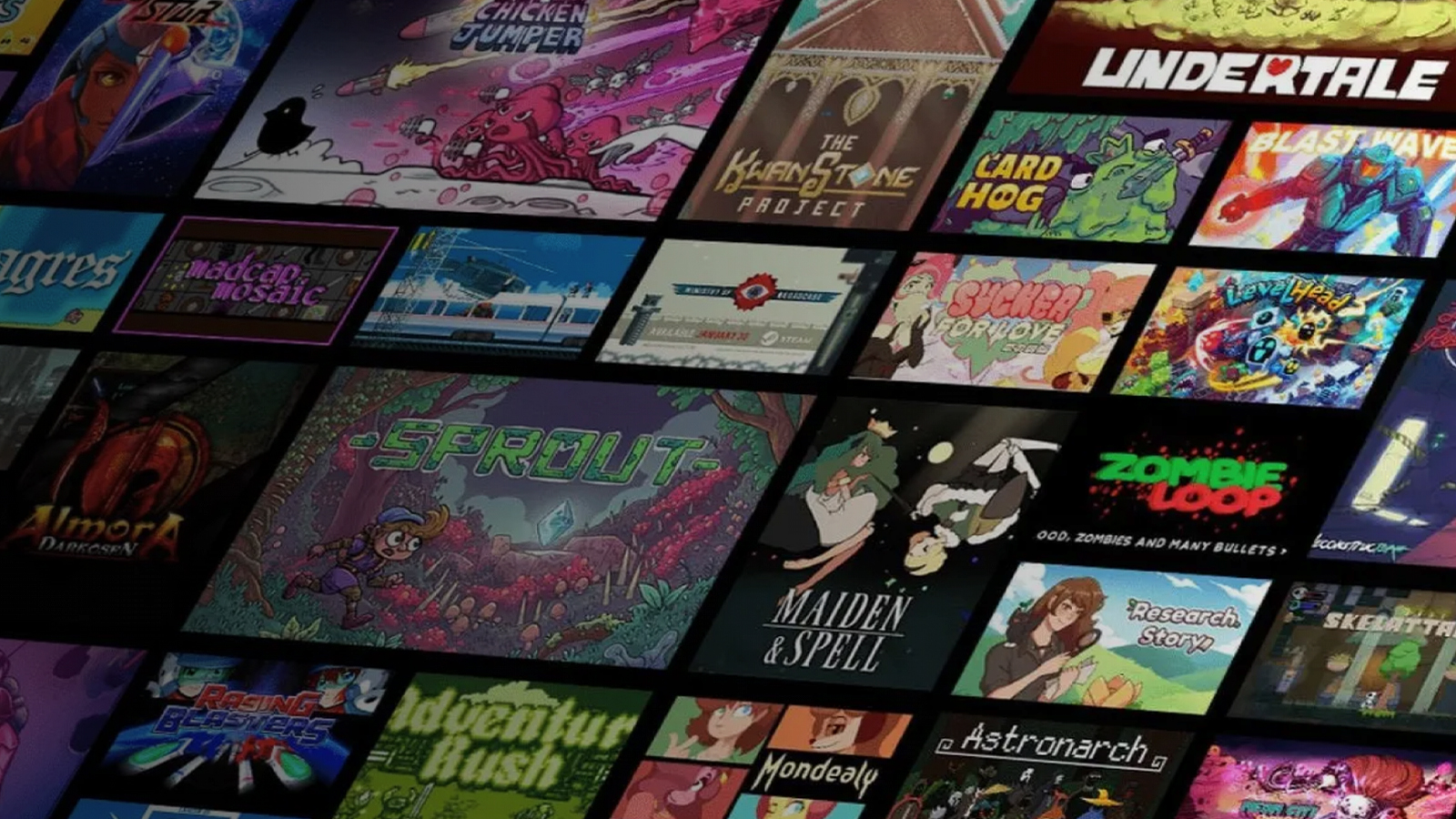
- The Modern Era: Under its current management, GameMaker has doubled down on cross-platform accessibility. The introduction of Deltarune and the critical darling UFO 50 cemented the engine’s reputation as the gold standard for 2D design.
- The GMRT Pivot (2024–2027): Earlier this year, the company began opening up access to the GMRT source code. By announcing the 2027 free-access roadmap, the company is completing a long-term strategy to move away from gatekeeping development and toward a model of ecosystem growth and community-driven contribution.
The Technical Backbone: Understanding GMRT
To understand the weight of this announcement, one must understand what a "runtime" actually is. In the context of game development, the runtime is the invisible engine room of your software. When a player presses a button, the runtime is the set of libraries and code that translates that input into movement, sound, or a menu interaction.
The GMRT is GameMaker’s most significant technological leap in years. It is designed to be lighter, faster, and more modular than its predecessors. By allowing developers access to this source code, GameMaker isn’t just giving away a tool—it is giving developers the keys to the engine’s internal logic. This allows for deeper optimization and the ability for the community to fix bugs or add custom functionality without waiting for an official patch from the developers.
Industry Implications: Why This Matters
The decision to make the GMRT free for commercial use is a strategic chess move in a crowded engine market. With industry giants like Unity and Unreal Engine grappling with developer sentiment and pricing controversies, GameMaker’s decision to lower costs is a direct appeal to the "indie heart" of the gaming industry.
1. Lowering the Barrier to Entry
Many aspiring developers are discouraged by the "cost-per-feature" model common in the industry. By eliminating the $99.99 barrier, GameMaker is inviting students, hobbyists, and developers in emerging markets to take their projects to the finish line without financial risk.
2. Encouraging Open-Source Contributions
By providing source-code access for the GMRT to all tiers, GameMaker is essentially creating a decentralized R&D department. When thousands of developers have the ability to inspect and adapt the engine’s core, the rate of innovation increases exponentially.
3. A Strategic Shift in Revenue
If the software is free, how does the company survive? The answer lies in the enterprise ecosystem. By fostering a massive base of developers who are intimately familiar with the GameMaker workflow, the company secures its future as the go-to engine for 2D development. Furthermore, the "Console Export" requirement (which remains paid) ensures that the company retains a steady revenue stream from the studios that reach the level of success required to publish on home consoles.
Official Stance and Community Feedback
In recent blog posts and developer updates, the GameMaker team has emphasized that this is part of a larger, long-term vision. The primary goal is to ensure that the engine remains the most intuitive and capable platform for 2D game design.
"We want our developers to focus on the game, not the licensing," a company spokesperson suggested in their recent briefing. The community response has been largely positive, with veteran developers praising the move as a "huge win for the little guy."
However, some have noted that the 2027 timeline is conservative. Critics argue that while the news is welcome, the delay might lead some developers to postpone their transition to the GMRT until the free-access date is closer. GameMaker’s counter-argument is that the "beta" status of the runtime requires a gradual rollout to ensure stability and compatibility across the vast array of hardware that the engine currently supports.
Conclusion: Is Now the Time to Learn GameMaker?
With the roadmap to 2027 now public, the question for many developers is whether it is worth starting a project in GameMaker today. The answer, given the recent updates, is an emphatic yes.
The engine’s unique blend of "Drag-and-Drop" visual coding for beginners and the powerful GML (GameMaker Language) for advanced users provides a seamless growth path. Whether you are building a simple mobile puzzle game or a complex, narrative-driven RPG, the engine’s flexibility is now paired with a more generous business model than ever before.
As the industry continues to fluctuate, GameMaker is doubling down on its identity: a creator-first engine that values the success of the developer as much as the quality of the software. For those looking to enter the industry, there has perhaps never been a better time to download the engine, open the documentation, and start building.
Resources for Aspiring Developers
For those ready to dive into the world of game development, the following resources remain essential:
- The GameMaker Blog: The primary source for all technical updates regarding the GMRT.
- Professional Documentation: The comprehensive wiki remains the gold standard for learning the engine’s syntax.
- Community Forums: A hub for troubleshooting and networking with fellow developers who are currently navigating the transition to the new runtime.
As we look toward 2027, it is clear that the playing field for indie game development is leveling out. For the developer in their bedroom, the path from idea to "published" has never looked quite so accessible.
 Reynand Wu
 Nila Kartika Wati
 Nana Muazin
