
 By Ammar Sabilarrohman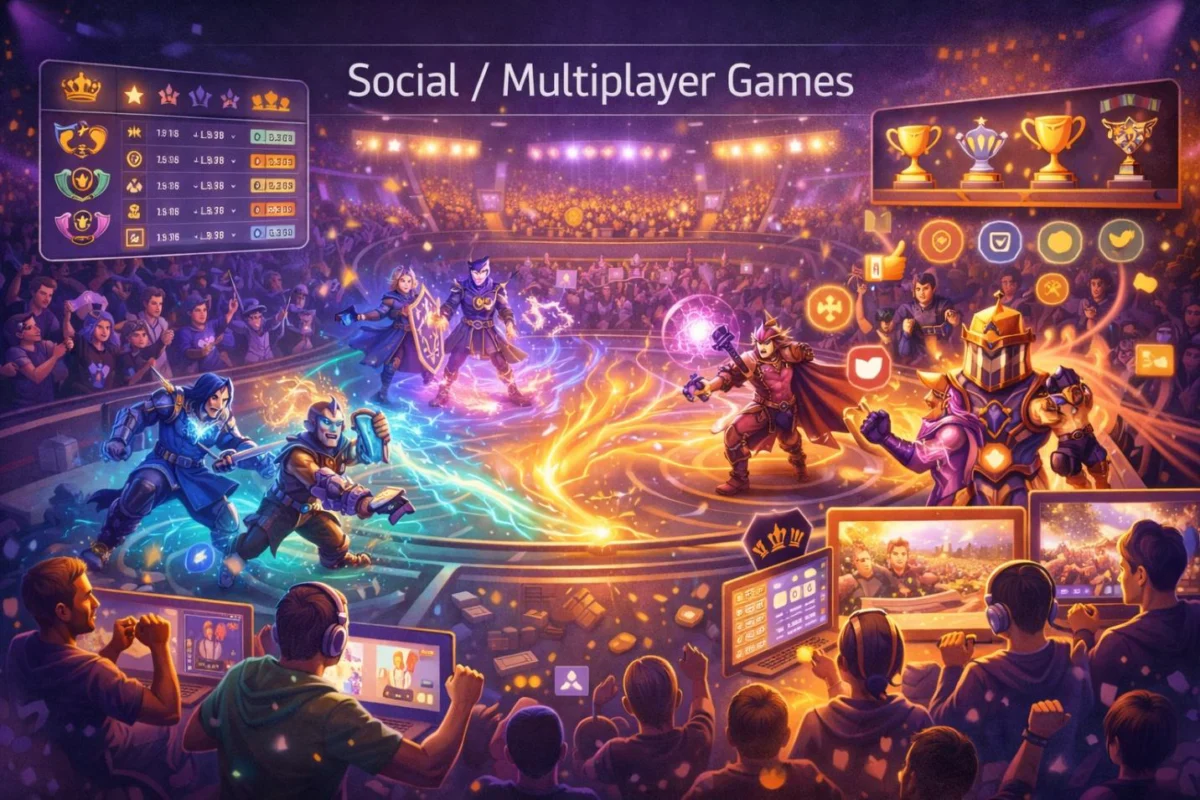
In the digital product landscape, the term "gamification" has become a catch-all buzzword, often reduced to the superficial application of points, badges, and leaderboards (PBL). When product teams decide to "add gamification," they are frequently making a fundamental error: treating user psychology as a monolith.
It is akin to a restaurant owner saying, "Let’s add music," without specifying whether they want jazz, heavy metal, or classical. Each genre commands a distinct atmosphere, attracts a different demographic, and operates through specific emotional mechanisms. To successfully integrate game design into software, product leaders must stop treating gamification as a feature set and start treating it as a genre-based framework.
The Core Problem: The Myth of Universal Game Psychology
The central thesis of modern gamification—what we might call "Gamification 2.0"—is that there is no singular "game psychology." An RPG player seeks narrative depth and character evolution; a puzzle enthusiast craves the "aha!" moment of elegant logic; a strategy player lives for long-term planning and system mastery.
These are not merely preferences; they are distinct motivational structures. Designers who grab random mechanics from disparate genres and mash them together create a discordant user experience. To design effectively, one must choose a genre intentionally, study its internal logic, and align it with the product’s core value proposition.
The Gamification Taxonomy: A Strategic Breakdown
To move beyond basic points and streaks, developers must look at the "hook" of specific gaming genres and translate them into meaningful product experiences.
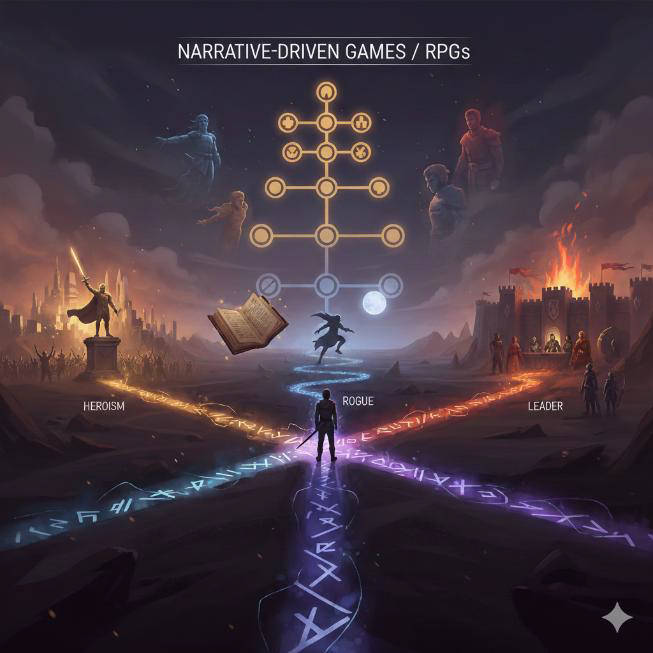
1. Narrative-Driven/RPG: The Architecture of Identity
Role-Playing Games (RPGs) like The Last of Us or Mass Effect are built on emotional weight. The player is not just clicking buttons; they are assuming an identity.
- The Lesson for Product: Move away from progress bars and toward narrative arcs. Instead of telling a user they have reached "Level 5," frame it as a character evolution.
- Application: Language apps like Duolingo could transition from counting XP to contextualizing progress: "You have now mastered the present tense; you can finally describe your daily life in Spanish to a native speaker." This shifts the focus from an arbitrary number to the acquisition of real-world capability.
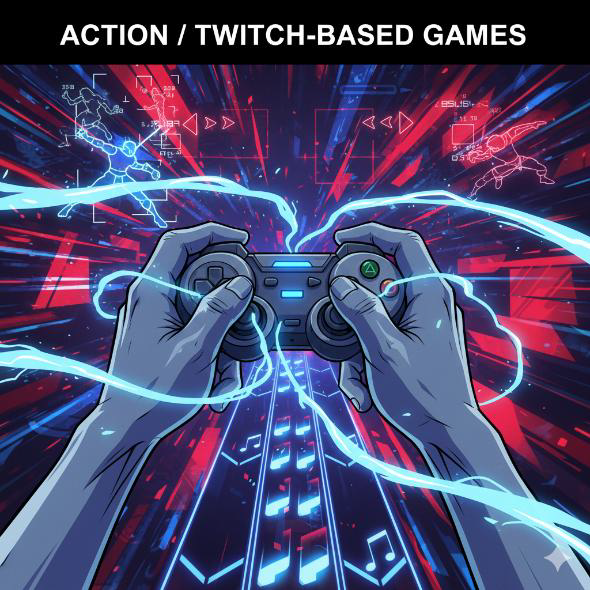
2. Action/Twitch-Based: The Power of Sensory Feedback
Action games like Street Fighter or DOOM rely on motor mastery and immediate sensory reward. The core loop is inherently satisfying, regardless of the extrinsic rewards.
- The Lesson for Product: "Juice"—the audio-visual feedback that makes an action feel good—is paramount. If logging a workout or a task feels like a chore, no badge will save it.
- Application: Fitness apps should prioritize the "feel" of inputting data. If the interaction has tactile, smooth, and immediate feedback (haptics, crisp animations), the user is more likely to perform the task for the intrinsic satisfaction of the action itself.
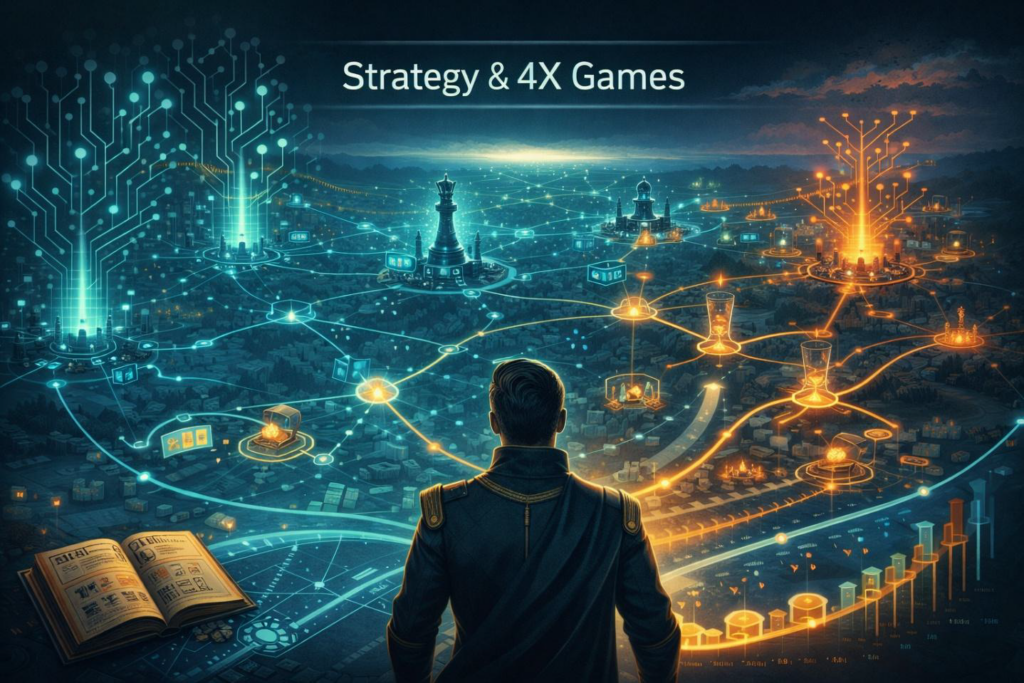
3. Strategy/4X: The Logic of Long-Term Investment
Strategy games like Civilization or mobile hits like Whiteout Survival thrive on complexity and "theorycrafting." They ask the player to think three moves ahead.
- The Lesson for Product: Allow users to see the ripple effects of their decisions. Most apps focus on immediate gratification, but strategy games prove that users will engage deeply if they can make plans that take weeks or months to yield results.
- Application: Financial planning apps should adopt the "tech tree" model. Instead of a static balance sheet, show how current saving habits unlock specific "future options" (e.g., "Saving $400/month unlocks these investment vehicles in five years").
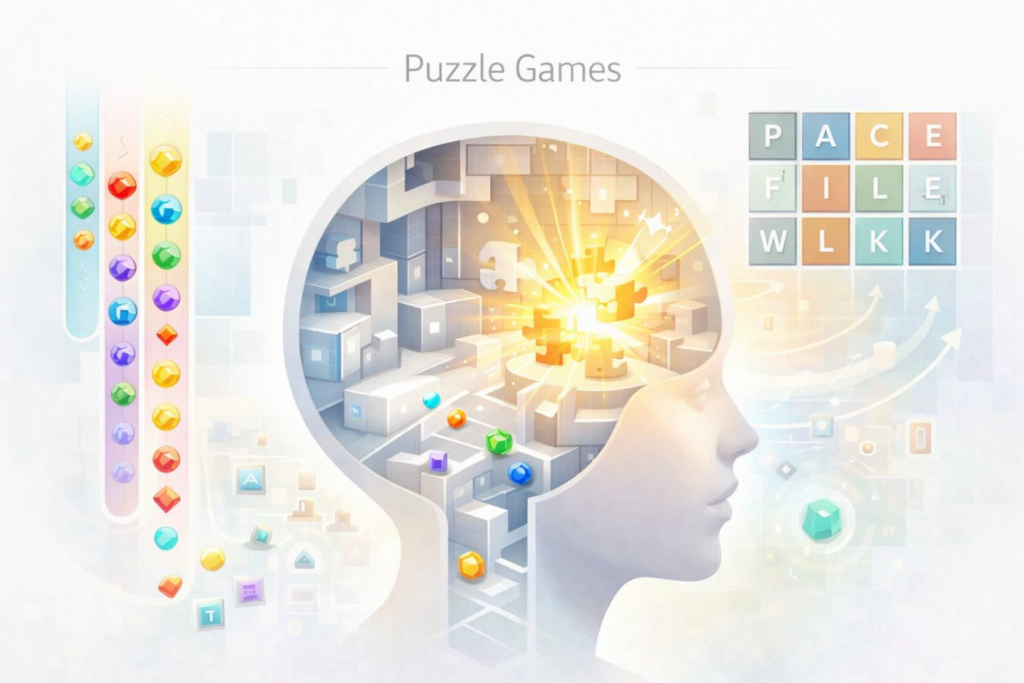
4. Puzzle Games: The "Aha!" Moment
Games like Portal or Royal Match are designed around the flash of insight. They do not force the player through a grind; they provide a problem and let the user solve it.
- The Lesson for Product: Teach through play, not through tutorials. Stop forcing users through "walls of text" onboarding.
- Application: Instead of explaining a feature, create a "level" where the user discovers the feature’s value by using it to solve a small, contained problem. This cognitive effort is more rewarding than passive learning.
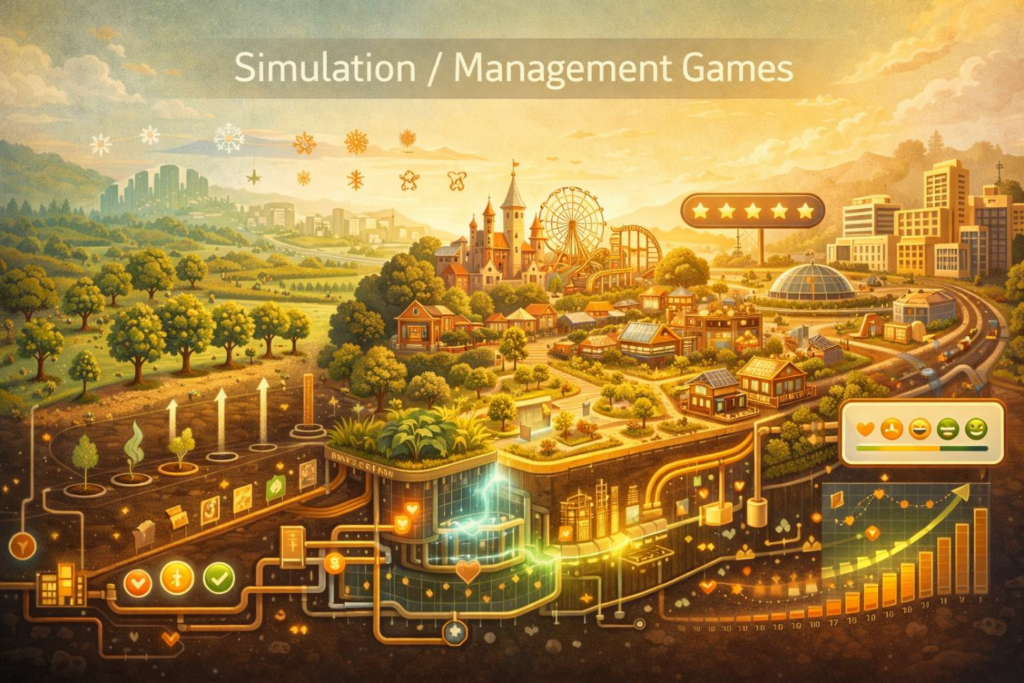
5. Simulation/Management: The Joy of Growth
Titles like The Sims or RollerCoaster Tycoon attract "systems thinkers" who want to build something that reflects their personal logic.
- The Lesson for Product: Users want to create, not just consume. Provide building blocks and allow for emergent, non-linear workflows.
- Application: CRM or project management tools should act as "sandboxes." Don’t force a strict, linear workflow; provide a set of tools (the "building blocks") and let the user architect their own environment.
6. Sandbox: The Ultimate Agency
Minecraft and similar titles demonstrate that some users value freedom over guidance. When you tell a sandbox player what to do, you lose them.
- The Lesson for Product: Agency is the ultimate engagement tool. If your product is a productivity suite (like Notion), do not force a template. Give the user the power to build the system themselves.
7. Social/Multiplayer: The Network Effect
Roblox and Fortnite are not just games; they are social infrastructure. Their success is predicated on the fact that the social network is the value.
- The Lesson for Product: Do not bolt on social features. If you add a leaderboard to an app where users have no relationship, you create resentment, not competition.
- Application: Focus on cooperative "guild" mechanics. Build systems where users are accountable to each other, not just to a ranking.
Implications: The Revenue of Meaningful Design
The current industry standard—PBL (Points, Badges, Leaderboards)—often creates a "compulsion loop" that leads to burnout. By contrast, the genre-based framework creates stakeholder investment.
When users feel they are part of a narrative (RPG), part of a grand strategy (Strategy), or part of a community (Social), they don’t just "use" the product—they inhabit it. This is why mobile strategy games generate billions in revenue. Players aren’t spending money to "skip" the game; they are spending to accelerate their strategic agency.
Strategic Recommendations for Product Teams:
- Genre Audit: Sit down with your design team and identify: "What game genre does our product most resemble?"
- Strip the "PBL": Ask yourself, "If we removed all points and badges, would the core action still be satisfying?" If the answer is no, you have a design problem, not a gamification problem.
- Design for Autonomy: Whether through puzzle-based discovery or sandbox-style freedom, give the user the ability to make choices that have visible, long-term impacts on their environment.
- Foster True Sociality: If you implement social features, prioritize cooperation and interdependence over zero-sum competition.
Conclusion: The Path Forward
Gamification 2.0 is not about making apps "fun" in a superficial sense. It is about understanding the psychological architecture of play and applying it to professional, creative, and personal tools. When designers move away from the "skinner box" of points and toward the deeper, more complex structures of established game genres, they create products that aren’t just addictive—they are essential.
The future of digital engagement does not lie in more notifications or more badges. It lies in giving users the tools to build their own stories, solve their own problems, and manage their own growth within a system that respects their intelligence.
 Neng Nana
  Sagoh
Sagoh 