
 By Jia Lissa
Wix has long been a household name in the realm of website builders, celebrated for its user-friendly drag-and-drop interface and extensive feature set. It’s often the first platform many aspiring entrepreneurs and creatives turn to when establishing an online presence. However, as the digital landscape evolves and businesses grow, Wix’s generalist approach can sometimes prove to be a double-edged sword. While offering unparalleled design freedom, this flexibility can inadvertently lead to cluttered or unprofessional-looking sites for those without a keen design eye. Furthermore, its vast template library, while impressive in quantity, doesn’t always deliver the sophisticated polish seen in more design-centric competitors. A significant limitation for many users is the inability to switch templates post-publication without undertaking a complete site rebuild.
For businesses and individuals who find Wix either too generic, insufficiently robust for their e-commerce ambitions, or simply not aligned with their specific operational needs, a wealth of specialized and equally capable alternatives exists. This article delves into three leading platforms—Squarespace, Shopify, and Weebly—each offering distinct advantages that cater to different user requirements, providing compelling reasons to look beyond the omnipresent Wix.
The Evolution of Web Presence: A Brief Chronology of Website Builders
The journey of website creation has undergone a dramatic transformation, moving from the domain of highly skilled programmers to a tool accessible to virtually anyone. Understanding this evolution helps contextualize the current market and the specialized offerings available today.
Early Days: The Rise of DIY Web Design
In the nascent stages of the internet, building a website was a complex endeavor, typically requiring knowledge of HTML, CSS, and often server-side scripting. This barrier to entry meant that only large corporations or tech-savvy individuals could establish a significant online footprint. The late 1990s and early 2000s saw the emergence of rudimentary "what you see is what you get" (WYSIWYG) editors, which began to democratize web design by allowing users to manipulate visual elements without directly writing code. Platforms like GeoCities and early iterations of content management systems (CMS) paved the way for more sophisticated builders. This period marked a pivotal shift, making the internet less about coding and more about content and visual presentation.
Wix’s Ascent and the Market’s Diversification
Wix entered the scene with a strong focus on empowering individuals and small businesses to create professional-looking websites with unprecedented ease. Its intuitive drag-and-drop editor, coupled with a vast array of templates, quickly made it a popular choice. Wix’s early success lay in its ability to abstract away the technical complexities, allowing users to focus on design and content. However, as the market matured, user needs diversified. E-commerce grew exponentially, demanding more specialized tools for inventory, shipping, and payment processing. Creative professionals sought platforms that prioritized aesthetic integrity and streamlined design workflows. Similarly, absolute beginners desired even simpler interfaces with fewer overwhelming options. This diversification led to the rise of platforms that, while perhaps not as universally flexible as Wix, excelled in specific niches.
The Current Landscape: Specialization and AI Integration
Today’s website builder market is characterized by specialization and the increasing integration of artificial intelligence. Platforms are fine-tuning their offerings to cater to specific user segments, whether it’s artists and photographers needing impeccable portfolios (Squarespace), established retailers requiring robust sales infrastructure (Shopify), or small local businesses seeking maximum simplicity (Weebly). AI is also beginning to play a transformative role, assisting with everything from initial site layouts (Squarespace Blueprint) to generating compelling product descriptions (Shopify Magic). This current era emphasizes efficiency, intelligent design assistance, and tailored functionality, pushing beyond the one-size-fits-all model.
Deeper Dive: Supporting Data and Feature Analysis of Top Wix Alternatives
To truly appreciate the alternatives, a granular examination of their features, interfaces, and pricing structures is essential.
Squarespace: The Aesthetic Powerhouse
For those who find Wix’s extensive design freedom more of a hindrance than a help, Squarespace emerges as the disciplined, design-first alternative. Its core philosophy revolves around aesthetic consistency and sophisticated presentation, making it an ideal choice for visually-led businesses and creatives.
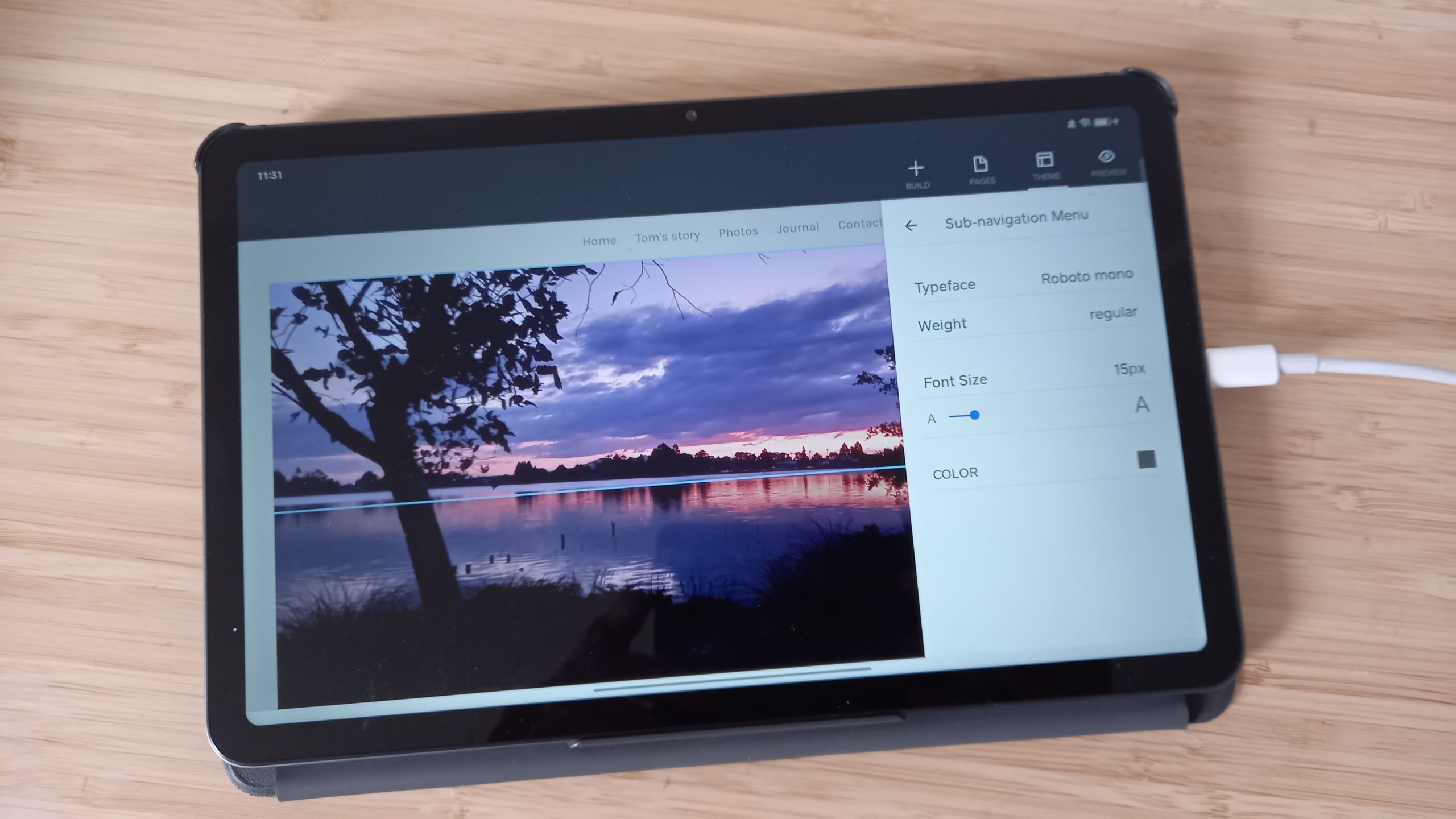
30-second review: Squarespace is where design excellence meets structured simplicity. Its templates are widely considered the most polished in the market, meticulously crafted by an in-house design team. The platform’s structured, grid-based editor ensures that every element aligns perfectly, resulting in a cohesive and professional appearance without requiring users to have a graphic design background. While it commands a higher price point than some competitors, the visual impact and integrated features often justify the investment, especially for brands prioritizing a premium online image.
Features: Squarespace’s strength lies in its unwavering commitment to consistency and visual appeal. Each template is a testament to contemporary web design principles, featuring elegant typography, sophisticated image handling, and inherent mobile responsiveness. This means users start with a strong foundation, virtually eliminating the risk of creating an amateurish-looking site.
Beyond aesthetics, Squarespace offers robust e-commerce capabilities. It includes comprehensive inventory management, automated abandoned cart recovery, and integrated email marketing tools, all without the need for separate, potentially costly plugins that Wix users often rely on. This integrated ecosystem streamlines operations for online stores, ensuring a smooth customer journey from browsing to purchase. For content creators and bloggers, Squarespace provides powerful blogging tools, integrated analytics, and robust SEO features to help drive organic traffic.
A newer development is the "Blueprint AI" feature, which can generate a preliminary site structure based on user prompts. While still in its formative stages and perhaps not as advanced as some AI tools, it offers a helpful starting point, especially for users who feel overwhelmed by a blank canvas. This intelligent assistance hints at Squarespace’s future direction in making sophisticated design even more accessible.
Interface: Squarespace’s editor prioritizes structure over absolute free-form placement. While this means less pixel-perfect control compared to Wix, it is a deliberate design choice that ensures visual harmony. The grid system automatically aligns elements, preventing the common pitfalls of cluttered layouts and inconsistent spacing. This guided approach means users can achieve a polished, professional site without grappling with intricate design decisions. The learning curve for Squarespace might be slightly steeper than Wix initially, as users adapt to its structured environment, but the payoff is a website that looks expertly designed, not merely assembled. Its intuitive block-based system allows for efficient content creation and layout adjustments within defined sections.
Pricing plans: Squarespace offers four primary plans: Basic, Core, Plus, and Advanced.
- Basic: Starting at $16 (£12) monthly, this plan is tailored for portfolios, blogs, and simple personal sites that do not involve selling products. It provides a custom domain, SSL security, unlimited bandwidth, and basic website metrics.
- Core: At $23 (£17) monthly, Core introduces full e-commerce functionality, including unlimited products, inventory management, and basic sales tools. However, it applies a 3% transaction fee on all sales. This plan is suitable for small businesses beginning their online selling journey.
- Plus: Priced at $39 (£29) monthly, the Plus plan removes the 3% transaction fee, making it significantly more cost-effective for businesses with higher sales volumes. It also includes advanced analytics, abandoned cart recovery, and gift cards, offering a more comprehensive suite for growing online stores.
- Advanced: The top-tier plan, at $99 (£79) monthly, is designed for high-volume e-commerce operations. It includes advanced shipping features (e.g., real-time carrier shipping), subscriptions, and API access for deeper integrations, catering to established merchants with complex needs.
Squarespace is particularly popular among artists, photographers, designers, and small businesses in the fashion, hospitality, and wellness sectors, where visual branding is paramount.
Shopify: The E-commerce Juggernaut
For businesses whose primary purpose is selling products online, and who have either outgrown Wix’s e-commerce capabilities or were solely using Wix for sales, Shopify stands as the undisputed leader. It is not merely a website builder with e-commerce features; it is a dedicated, comprehensive e-commerce platform built from the ground up for online retail.
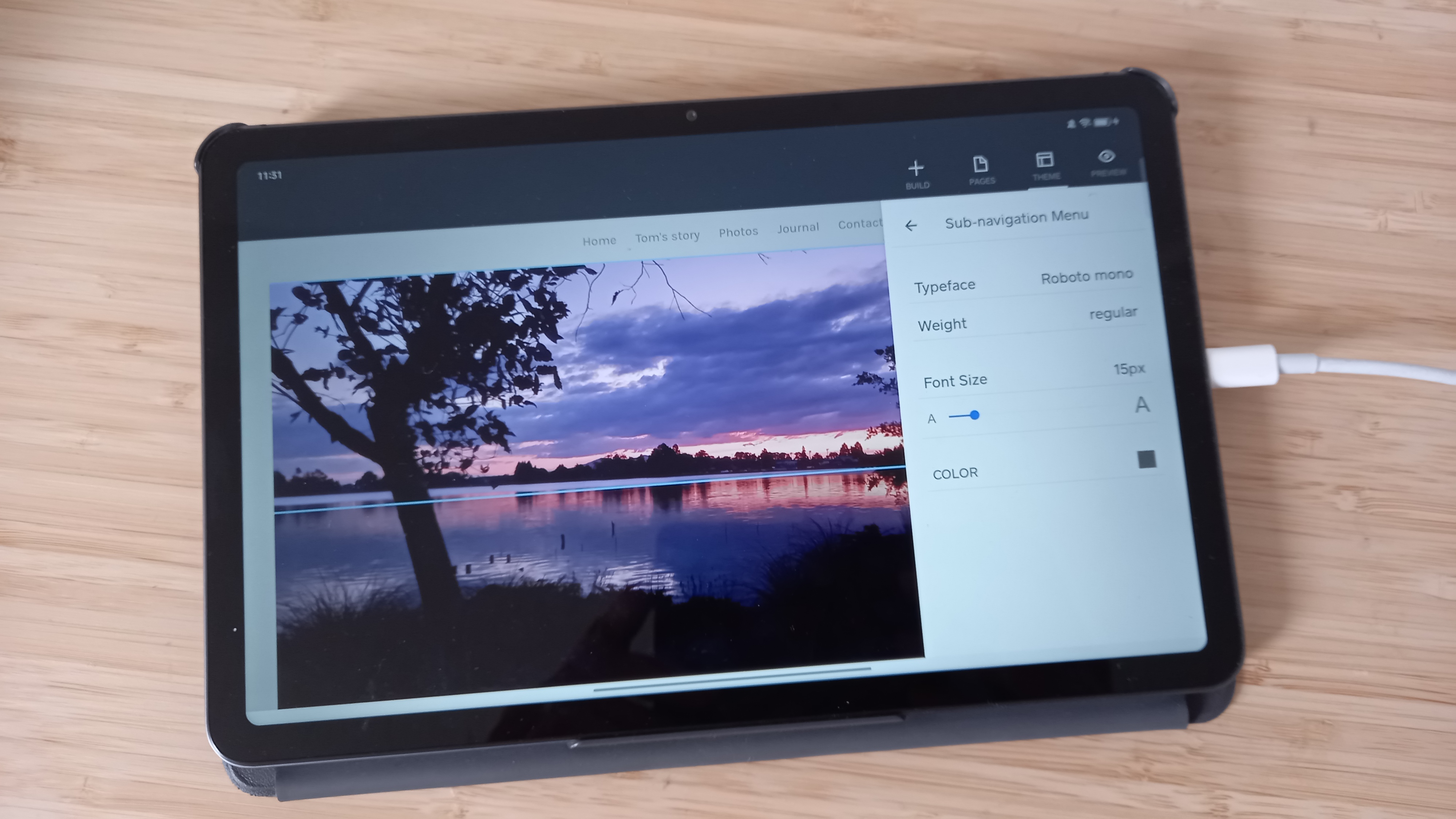
30-second review: Shopify is the quintessential upgrade for any business serious about selling online. Its singular focus on e-commerce is evident in the depth of its sales, inventory, and multichannel features, which far surpass those of general-purpose builders like Wix. While its site editor might be more rigid, it prioritizes conversion optimization and streamlined store management, making it the go-to platform for scalable online retail.
Features: Shopify’s strength lies in its unparalleled app ecosystem, which dwarfs Wix’s offering. This marketplace provides an extensive array of integrations covering virtually every aspect of online retail, from advanced SEO and marketing tools to customer loyalty programs, dropshipping automation, accounting integrations, and sophisticated shipping logic. Essential e-commerce features like abandoned cart recovery, customizable discount codes, and digital gift cards are standard.
Shopify Magic, an AI-powered content generation tool, assists store owners by helping to write compelling product descriptions, blog posts, and marketing copy, a significant advantage for those without a dedicated copywriting team. Where Shopify truly distinguishes itself from Wix is in its robust multichannel selling capabilities. Merchants can seamlessly sell across various platforms, including social media (Facebook, Instagram, TikTok), major online marketplaces (Amazon, Etsy), and even in person via Shopify’s integrated Point-of-Sale (POS) system. This holistic approach to sales channels ensures businesses can reach customers wherever they are, a level of integration and scale that Wix’s general builder simply cannot match. Advanced inventory management, detailed analytics, and comprehensive reporting further solidify its position as an e-commerce powerhouse.
Interface: Shopify’s editor, while still user-friendly, adopts a more rigid, section-based approach compared to Wix’s free-form canvas. Designers accustomed to pixel-perfect control might initially find this restrictive. However, this structure is a deliberate choice, optimized for rapid store setup and conversion efficiency. The platform guides users through a clear, product-first setup checklist, ensuring that all critical elements for a functional online store are addressed promptly. This structured workflow allows businesses to get online and start selling much faster, minimizing the potential for design inconsistencies that could arise from excessive freedom. The admin dashboard is intuitive, providing a centralized hub for managing products, orders, customers, and marketing campaigns.
Pricing plans: Shopify offers a three-day free trial, followed by flexible pricing plans designed to accommodate businesses of all sizes.
- Basic: Starting at approximately $39 (£25) monthly, this plan covers the needs of most small businesses getting started. It includes essential e-commerce features, two staff accounts, and basic reporting. Transaction fees apply if not using Shopify Payments.
- Shopify (formerly Grow): Roughly $105 (£65) monthly, this plan adds professional reporting, up to five staff accounts, and lower transaction fees (if not using Shopify Payments). It’s designed for growing businesses that need more insights and capacity.
- Advanced: Priced at around $399 (£259) monthly, the Advanced plan is tailored for established merchants with high sales volumes. It offers the lowest transaction fees, up to 15 staff accounts, advanced reporting, and calculated third-party shipping rates, enabling sophisticated logistics.
- Starter Plan: A low-cost option designed for selling purely through social media and messaging links, without the need for a full storefront. This allows businesses to quickly monetize their social presence.
Shopify is the preferred platform for dropshippers, small to large online retailers, and businesses looking to scale their e-commerce operations significantly.
Weebly: Simplicity and Affordability for Beginners
For users who prioritize ease of use above all else, and find even Wix’s interface a bit overwhelming, Weebly offers a refreshingly straightforward alternative. While it may not boast the extensive template range or design flexibility of its competitors, its strength lies in its uncomplicated approach, making it ideal for beginners and those seeking a simple, functional business website.
30-second review: Weebly excels in its simplicity. It won’t match Wix on sheer template volume or design intricacy, but for anyone seeking a no-fuss, intuitive website builder, it’s an excellent choice. Its drag-and-drop interface is incredibly easy to grasp, and its generous free plan offers capabilities that many competitors reserve for paid tiers, particularly for physical product sales.

Features: Weebly’s most compelling feature for budget-conscious users is its highly generous free tier. Unlike many competitors, Weebly’s free plan allows for unlimited physical product sales, making it an attractive option for startups and hobbyists who want to test the waters of online selling without upfront investment.
Paid tiers expand on this by adding a custom domain, the ability to sell digital products, and on the top plan, the removal of Weebly’s standard 3% transaction fee. The platform includes a suite of built-in tools that cover essential website functionalities: a user-friendly form builder for lead generation, automatic mobile responsiveness ensuring sites look good on any device, and basic SEO tools to help improve search engine visibility. It avoids the "sprawl" of add-ons often seen in Wix, offering a more consolidated experience. Furthermore, Weebly’s acquisition by Square has led to seamless integration with Square’s payment processing and POS systems, which is a significant advantage for businesses that also operate a physical storefront or take in-person payments. This synergy simplifies financial management and inventory tracking across online and offline channels.
Interface: Weebly’s clearest advantage over Wix is its absolute simplicity. It’s designed for quick adoption, allowing users to pick it up from a standing start with minimal friction. The editor is clean and uncluttered, presenting options in a clear, logical manner. The trade-off for this ease of use is a much smaller template library, typically around 40 themes, compared to the hundreds offered by Wix. However, for users whose priority is getting online quickly without being bogged down by countless design choices, this limited selection works in Weebly’s favour, reducing decision fatigue and speeding up the build process. The drag-and-drop functionality is intuitive, allowing users to add and rearrange elements like text, images, and videos with ease.
Pricing plans: Weebly’s pricing structure has seen some adjustments recently, making direct comparison with Wix’s entry-level plans more nuanced than before.
- Free: This plan is remarkably generous, offering unlimited physical product sales, 500MB storage, and SEO tools, though it includes Weebly branding and uses a Weebly subdomain.
- Connect: Starting at $13 (£10) monthly (when paid annually), this plan allows users to connect a custom domain and removes Weebly ads, while still including a 3% transaction fee on e-commerce sales. It’s suitable for personal sites or small blogs.
- Pro: At $16 (£13) monthly (when paid annually), the Professional tier adds unlimited storage, advanced site statistics, password protection for pages, and phone support. It also supports digital product sales.
- Business: The top plan, around $26 (£20) monthly (when paid annually), removes the 3% transaction fee and includes advanced e-commerce features like item reviews, shipping labels, and abandoned cart emails.
It’s crucial for prospective users to compare Weebly’s updated pricing directly against their specific needs and against Wix’s Light plan, as Weebly no longer consistently undercuts Wix on price across all tiers. Weebly is particularly suited for small local businesses, personal blogs, simple portfolios, and very small online stores that prioritize ease of management and cost-effectiveness.
Official Responses and Market Positioning
Each of these website builders actively cultivates a distinct brand identity and market position, often in subtle contrast to competitors like Wix.
- Squarespace consistently positions itself as the premium, design-forward platform. Its marketing emphasizes visual storytelling, high-quality aesthetics, and the ability to create "beautiful websites." This resonates with artists, photographers, designers, and small businesses in creative industries who prioritize brand image and user experience. While it doesn’t directly criticize Wix, its focus on "structured design" implicitly highlights a contrast with Wix’s more "free-form" approach, suggesting a superior outcome for those without professional design skills.
- Shopify unequivocally markets itself as the leading e-commerce solution. Its official communications focus on empowering entrepreneurs, facilitating growth, and providing robust tools for selling across multiple channels. They highlight scalability, the extensive app store, and comprehensive business management features, clearly differentiating themselves from general-purpose builders that offer e-commerce as an add-on. Shopify’s messaging is always about maximizing sales and operational efficiency for online merchants.
- Weebly, while now part of Square, continues to lean into its legacy of simplicity and accessibility. Its positioning is often around "getting online quickly and easily," particularly appealing to small businesses and individuals who may be new to website building. Its generous free plan is a key marketing point, attracting users who need basic functionality without a significant investment. The integration with Square further solidifies its appeal to small businesses that require unified payment processing and POS solutions.
It’s also important to acknowledge that Wix itself is not static. It continuously introduces new features, including its own AI tools (Wix ADI – Artificial Design Intelligence) and improvements to its e-commerce offerings. However, for users who find its core philosophy or interface challenging, the specialized alternatives remain highly relevant.
Implications for Businesses and Creators
The choice of website builder carries significant implications for a business’s online presence, operational efficiency, and long-term growth.
The Cost of Flexibility vs. Structure
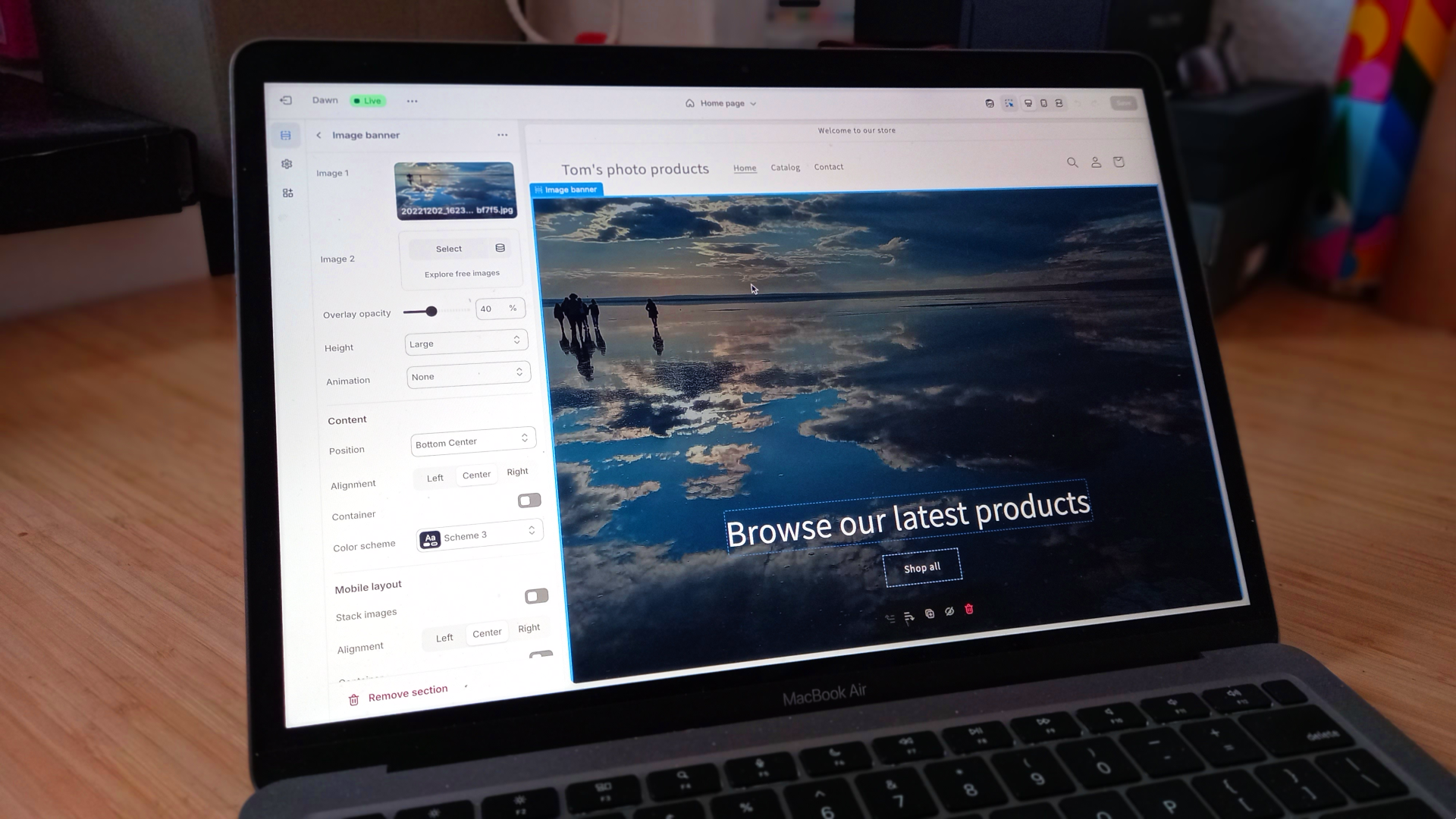
Wix’s famed design flexibility, while appealing on the surface, can be a double-edged sword. For users without a strong design background, the sheer number of options and the ability to place elements anywhere can lead to visually inconsistent, cluttered, or poorly optimized websites. Squarespace, with its structured, grid-based editor, offers a compelling counterpoint. It imposes design best practices, ensuring visual harmony and mobile responsiveness by default. The implication here is a trade-off: do you value absolute creative control (Wix) at the risk of design mishaps, or do you prefer a guided, structured approach (Squarespace) that guarantees a polished outcome, even if it means less granular control? For businesses where brand image is critical, the latter often proves more beneficial.
Scaling E-commerce Operations
The decision between a general-purpose builder with e-commerce features (like Wix) and a dedicated e-commerce platform (like Shopify) becomes critical as a business grows. If your online store sells a handful of products and serves as a secondary revenue stream, Wix’s integrated e-commerce might suffice. However, once inventory grows, sales volumes increase, and there’s a need for advanced marketing, detailed analytics, robust shipping options, or multichannel selling, a platform like Shopify becomes indispensable. The implication is that choosing a scalable e-commerce solution from the outset can save significant migration headaches down the line. Shopify’s deep integrations, vast app ecosystem, and focus on conversion optimization are designed for businesses whose primary goal is to sell and scale online.
Balancing Budget and Features
While Wix offers competitive pricing, it’s essential to consider the total cost of ownership when evaluating alternatives. Weebly, for instance, once held a clear advantage in affordability, particularly with its generous free plan. However, recent pricing adjustments mean that its paid tiers now align more closely with Wix’s entry-level plans. This implies that users should conduct a direct feature-by-feature and cost-by-cost comparison based on their specific needs. Hidden costs can also arise from transaction fees (if not using the platform’s native payment gateway or on lower tiers) and the need for premium apps to extend functionality. A truly informed decision requires looking beyond the headline monthly fee to understand what’s included and what might become an additional expense.
Future Trends in Website Building
The website builder industry is dynamic, with emerging trends that will further shape choices. The increasing sophistication of AI tools, for example, promises to make website creation even more intuitive and personalized. "Headless commerce" – separating the frontend presentation from the backend e-commerce logic – is gaining traction for larger, more customized stores, an area where platforms like Shopify offer more flexibility. Personalized user experiences, driven by data and AI, are becoming standard. Choosing a platform that is actively investing in these future trends ensures longevity and adaptability for your online presence.
Conclusion: Making the Right Choice Beyond Wix
Wix remains a highly capable and popular website builder, serving millions of users effectively. However, the notion that it’s the only or best option for everyone is a misconception. The modern digital landscape demands specialization, and for those whose needs extend beyond Wix’s generalist strengths, compelling alternatives await.
- If your priority is stunning visual design, aesthetic consistency, and a polished brand image, Squarespace is likely your ideal platform. It trades some of Wix’s boundless flexibility for a guided, professional design experience, perfect for creatives and premium brands.
- If your business is primarily focused on selling products online, requires robust e-commerce features, scalability, and multichannel selling capabilities, Shopify is the clear choice. Its dedicated infrastructure and extensive app ecosystem are built for serious online retail.
- If simplicity, ease of use, and a quick setup for a straightforward business website or a small online store are paramount, Weebly offers an incredibly accessible and user-friendly experience, especially appealing to beginners and those leveraging Square’s broader ecosystem.
Ultimately, the "best" website builder is subjective and depends entirely on individual requirements, technical comfort level, and business objectives. Prospective users are strongly encouraged to utilize the free trials offered by these platforms. By experimenting with their interfaces, testing their features, and assessing how well they align with specific goals, businesses and creators can confidently choose the platform that truly empowers their online success, looking confidently beyond the familiar confines of Wix.
 Evan Lee Salim
  Nana
Nana  Ammar Sabilarrohman