By Erin Rodrigue Content Strategist & Former HubSpot Marketing Manager
Executive Summary & Main Facts
For years, Meltwater has stood as an industry heavyweight in the media intelligence and public relations software sector. It offers a massive suite of features designed to help enterprise organizations monitor their global brand footprints, analyze public sentiment, and track competitive metrics across countless channels. However, as marketing teams lean further into agility, integrated workflows, and cost-efficiency, a growing number of organizations are exploring alternatives.
The primary friction points driving teams away from Meltwater include a steep learning curve, rigid reporting customization, platform bloat, and a disconnect between tracking insights and taking immediate operational action. When monitoring lives in one silo and publishing or community management happens in another, vital insights frequently slip through the cracks.
To address these pain points, the media intelligence landscape offers several powerful alternatives. Leading platforms like Hootsuite, Muck Rack, Cision, Brandwatch, Agorapulse, and Brand24 cater to distinct organizational needs. Whether a team requires robust social-first management, dedicated PR journalist databases, deep consumer research, or budget-friendly brand tracking, the modern market provides specialized solutions tailored to specific workflows and budgets.
Chronology of Market Evolution: Why Teams Are Re-Evaluating Enterprise Media Tools
The shift away from monolithic enterprise platforms like Meltwater did not happen overnight. It is the result of a multi-year evolution in how digital marketing, public relations, and customer experience teams operate.
Phase 1: The Era of Disjointed Point Solutions (Early 2010s)
Historically, organizations built their martech stacks by purchasing standalone tools for every distinct task. PR teams used one software suite for press release distribution and journalist tracking, social media managers used another for scheduling posts, and market researchers relied on expensive third-party data providers for sentiment analysis. This resulted in fragmented data silos, inflated budgets, and disjointed cross-departmental communication.
Phase 2: The Rise of All-in-One Suites (Late 2010s to Early 2020s)
To combat fragmentation, vendors built expansive "all-in-one" platforms. Meltwater and similar enterprise tools expanded rapidly, acquiring features to cover everything from web scraping and print media monitoring to social listening and influencer tracking. While these platforms provided comprehensive aerial views of brand reputation, they often became unwieldy. The sheer volume of features introduced complex, heavy user interfaces that required dedicated specialists to operate.
Phase 3: The Demand for "Insight-to-Action" Velocity (Present Day)
By 2026, marketing and communications teams operate under intense pressure to move at the speed of social media. Waiting weeks for a dedicated insights analyst to pull a static report is no longer viable. Teams now demand tools that bridge the gap between discovery and execution. If a brand spots an emerging viral trend or a customer service crisis brewing online, they need to transition from listening to content creation, stakeholder approval, and cross-channel publishing within a single unified workspace. This realization has triggered the modern migration toward agile, interconnected alternatives.
Supporting Data: Why Teams Switch from Meltwater
When evaluating why communication and marketing professionals transition away from Meltwater, user feedback consistently points to four major operational barriers:
The Steep Learning Curve: Meltwater’s immense depth means users must invest substantial time to master its interface and Boolean query structures. For dedicated market intelligence teams, this is standard procedure; for busy social media managers or generalists, it represents unnecessary friction.
Reporting Customization Bottlenecks: While Meltwater provides multiple reporting formats, tailoring distinct views for diverse stakeholders—such as a high-level summary for a CEO versus a granular share-of-voice breakdown for a PR team—often requires manual workarounds and excessive time.
The Insight-to-Action Gap: Traditional monitoring platforms excel at surfacing signals. However, because publishing and engagement tools often live in separate software ecosystems, teams face a disjointed handoff. Valuable insights can easily stall during this transition.
Platform Bloat and Cost Misalignment: Many organizations find themselves paying for enterprise packages packed with unused features. Conversely, scaling up to unlock a single essential feature often triggers expensive tier upgrades.
Key Feature Comparison of Top Alternatives
Tool
Best For
Price Point
Listening Depth
Publishing Included
Hootsuite
Social intelligence and social management in one platform
$149/user/month; custom enterprise pricing
Deep monitoring + listening (150M+ web sources, 30+ social platforms)
Yes
Muck Rack
Journalist discovery, outreach, and media relationships
Custom
Deep media monitoring
No
Cision
Large-scale PR and newswire distribution
Custom
Deep media monitoring + social media listening
Available via CisionOne Social
Brandwatch
Deep consumer and audience research
Custom
Deep consumer intelligence
Available via Brandwatch SMM
Agorapulse
Social management + light social/web listening
$79/user/month (billed annually)
Light
Yes
Brand24
Budget-conscious brand monitoring
$199/month (billed annually)
Moderate (mentions and sentiment)
No
Detailed Breakdown of Top Meltwater Alternatives in 2026
1. Hootsuite — Best for Social-First Teams and Unified Workflows
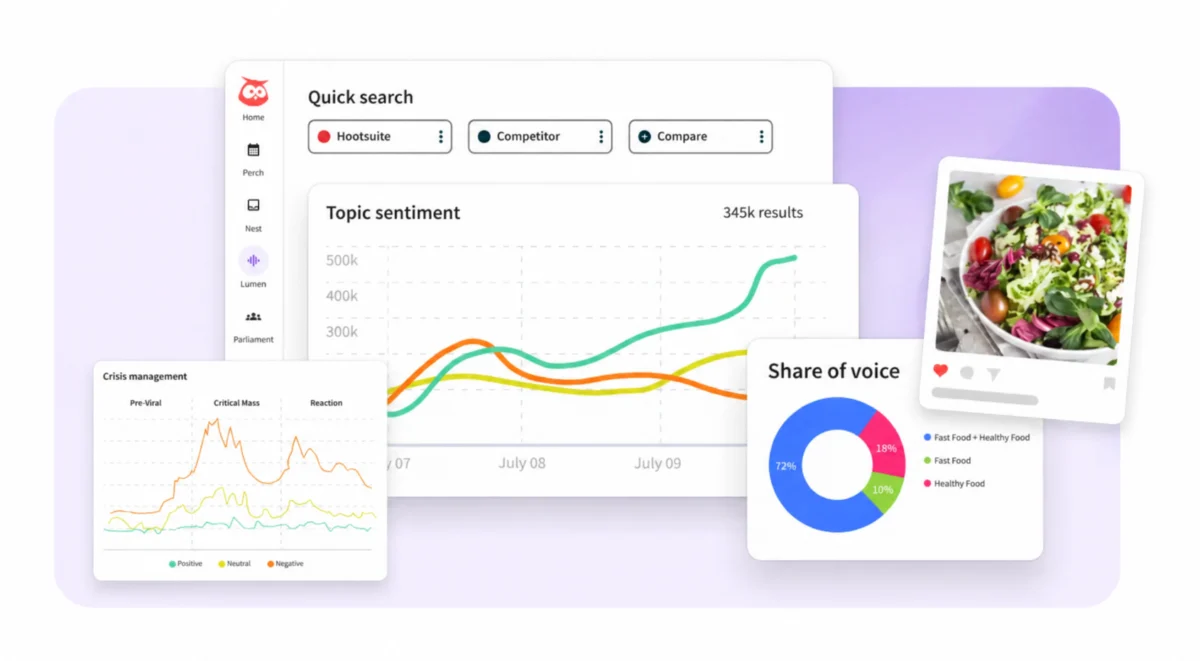
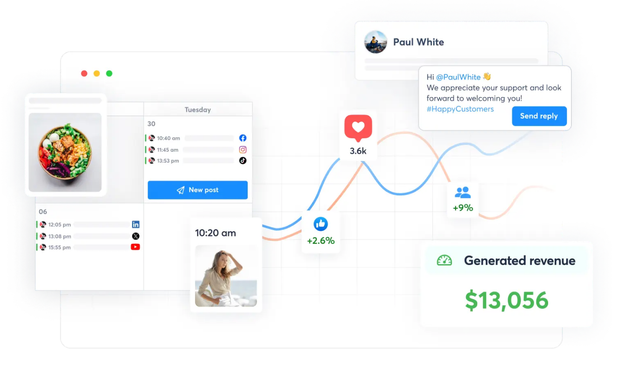
Hootsuite bridges the gap between intelligence gathering and daily social execution. Rather than separating monitoring from publishing, Hootsuite integrates these functions into a unified workspace.
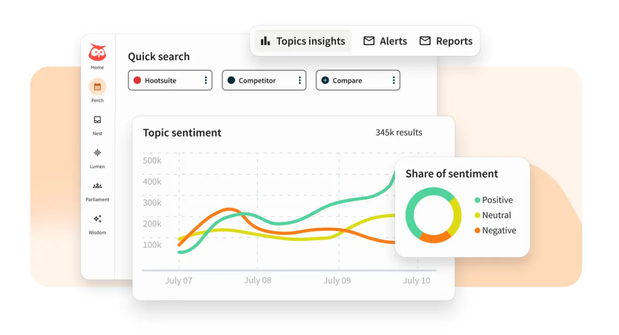
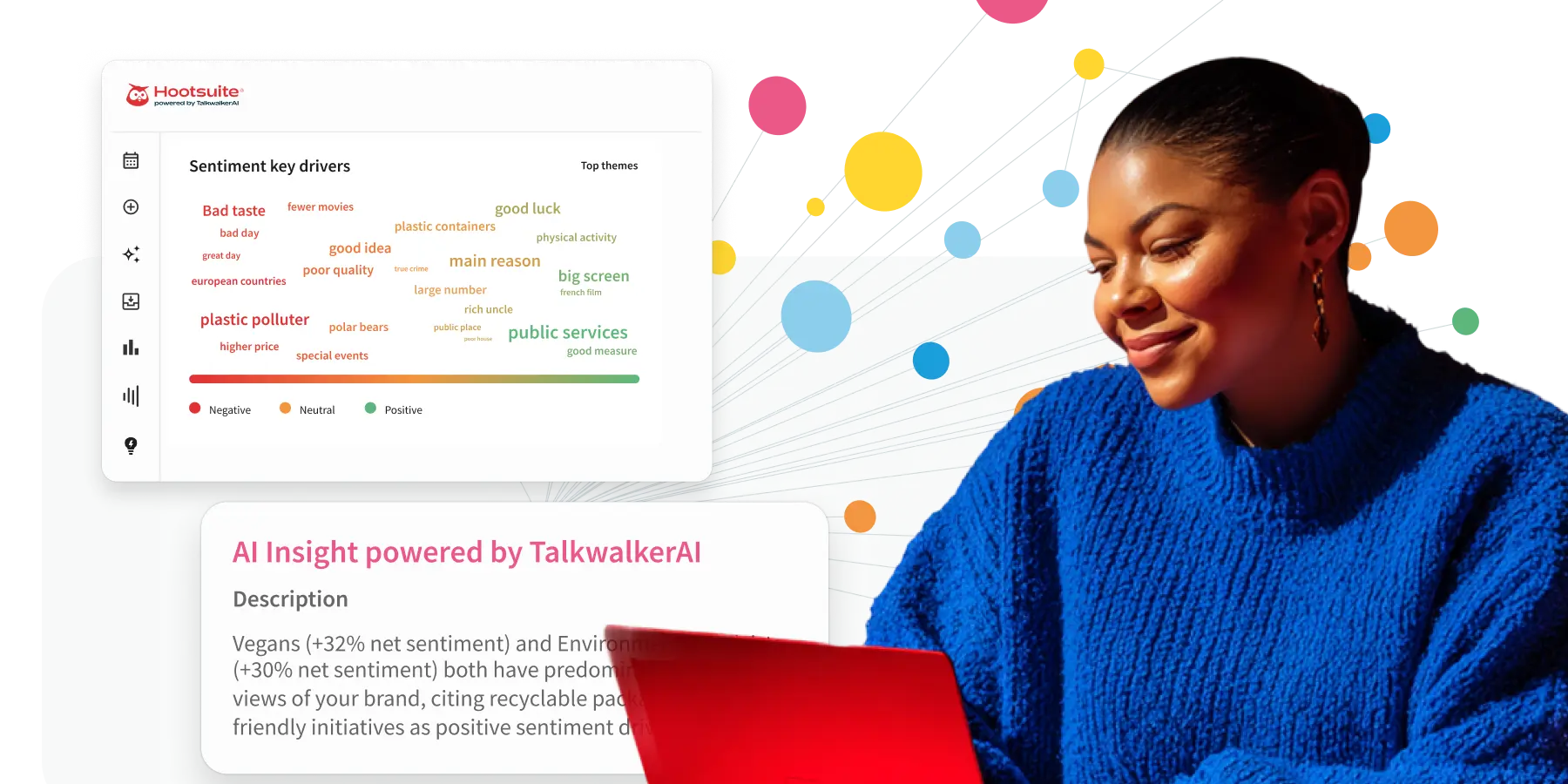
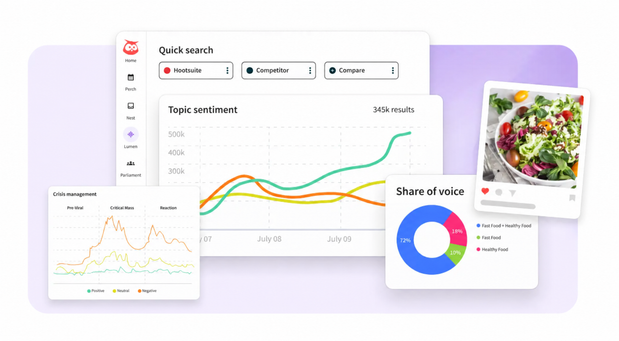
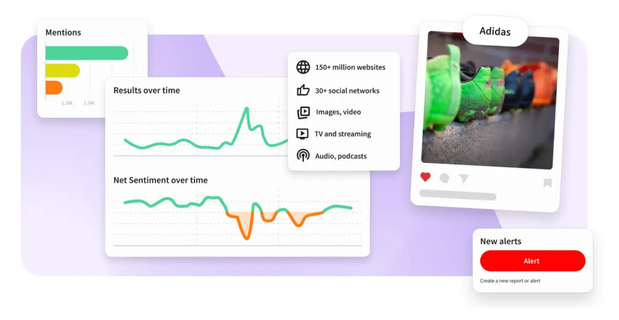
Lumen: Handles deep monitoring and intelligence, tracking over 150 million websites and 30+ social channels to capture mentions, sentiment, competitor shifts, and potential crises.
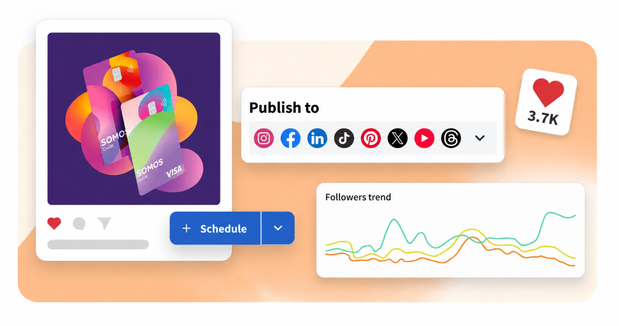
Perch: Functions as the central hub for content planning, publishing, asset approvals, and scheduling.
Nest: Unifies community management by pulling direct messages, comments, and brand mentions into a single shared inbox.
The Tradeoff: While Hootsuite excels at social media management and web monitoring, it is not built to replace dedicated PR tools like journalist databases or press release distribution wires.
2. Muck Rack — Best for PR-Centric Media Relations
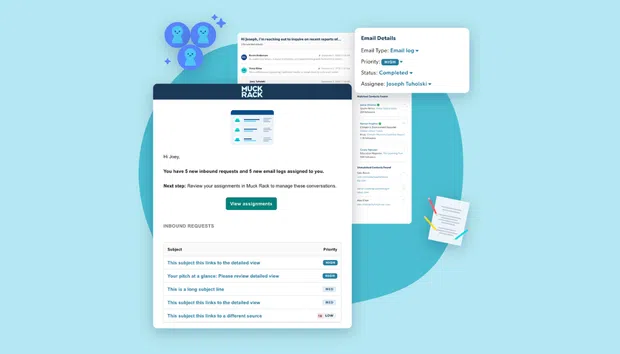
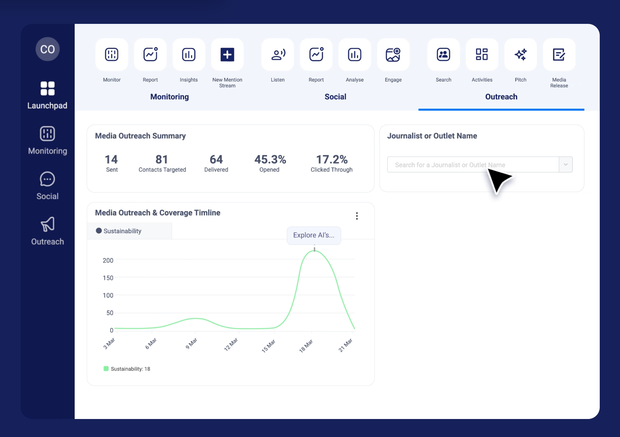
For organizations where earned media, journalist outreach, and relationship management form the core strategy, Muck Rack offers a purpose-built environment. It streamlines reporter discovery, media list building, pitching campaigns, and coverage reporting. Teams that spend their days pitching reporters rather than analyzing audience metrics will find Muck Rack significantly more intuitive than broader media intelligence platforms.
3. Cision — Best for Enterprise PR and Newswire Distribution
Cision stands as an enterprise-grade media intelligence platform with substantial overlap with Meltwater. However, Cision heavily emphasizes traditional PR workflows. It is the premier choice for large communications departments that routinely ask, "Who should we pitch next?" rather than "What are people saying about us right now?" Through integration with CisionOne Social, it also provides modern monitoring capabilities.
4. Brandwatch — Best for Deep Consumer Intelligence
Brandwatch targets market researchers and advanced analysts who need to dive deep into consumer behavior, market sentiment nuances, and psychographic segmentation. While Meltwater covers broad media landscapes, Brandwatch leans heavily into consumer research, making it ideal for dedicated insights teams. However, for lean social media teams looking for fast execution, Brandwatch can feel overly research-heavy.
5. Agorapulse — Best for Lean Social Media Management
Agorapulse offers a streamlined, user-friendly social media management experience featuring publishing, reporting, and light listening tools. It suits leaner teams that need to maintain an active social presence and monitor basic brand chatter without paying for advanced research capabilities they rarely use.
6. Brand24 — Best for Budget-Conscious Brand Monitoring
Brand24 provides straightforward, lightweight brand monitoring across social media, blogs, news sites, and review platforms. It tracks mentions and sentiment shifts without the complex infrastructure of enterprise PR suites, making it an accessible option for small-to-medium businesses with strict budget constraints.
Official Industry Perspectives and Expert Insights
Selecting the right tool requires evaluating how data will be utilized across an organization rather than merely cataloging feature lists. Industry experts emphasize that data volume alone guarantees no competitive advantage.
"A lot of businesses end up focusing on how much data tools collect without looking at what they’re going to do with it," notes Jase Rodley, Founder and SEO Consultant at Dialed Labs.
Rodley’s observation underscores a fundamental truth for modern marketing leaders: if intelligence data originates from channels where a brand’s target audience does not spend time, the resulting metrics create noise rather than actionable direction.
Organizations must evaluate the total cost of setup—factoring in user seats, add-on costs, training overhead, and required integrations. A lower sticker price on a basic monitoring tool offers little savings if a team must purchase three complementary applications to fill functional gaps. Conversely, paying for heavy enterprise software with untouched capabilities drains valuable marketing budgets.
Implications for Modern Organizations
Migrating from an enterprise platform like Meltwater to an alternative carries significant operational implications. Organizations must weigh these factors before committing to a switch:
Workflow Redesign: Moving from a PR-heavy platform to a social-first platform like Hootsuite requires retraining staff to prioritize real-time social engagement alongside traditional media monitoring.
Cross-Departmental Alignment: Communications teams, product developers, and customer support desks must agree on core metrics. A unified platform simplifies data sharing, ensuring that customer conversations captured by listening tools directly inform product roadmaps and content strategies.
ROI Optimization: Streamlining software stacks eliminates redundant tool subscriptions, reallocating capital toward agile execution, paid media campaigns, or creative content production.
Conclusion: How to Choose Your Next Platform
Ultimately, the ideal Meltwater alternative depends entirely on your team’s core operational focus:
Choose Hootsuite if your organization operates primarily on social media and needs a seamless pipeline from listening (Lumen) to content creation (Perch) and community management (Nest).
Choose Muck Rack or Cision if your primary daily objective centers on earned media, journalist outreach, press release distribution, and traditional PR relationship management.
Choose Brandwatch if your department functions as a dedicated market research unit requiring deep consumer intelligence and psychographic audience analysis.
Choose Agorapulse or Brand24 if you manage lean operations on a strict budget, requiring straightforward publishing or lightweight brand mention tracking.
By aligning platform capabilities with actual day-to-day workflows, marketing and communications leaders can eliminate platform bloat, accelerate their speed-to-action, and build a resilient martech stack built for modern digital engagement.

 By Ammar Sabilarrohman


 Neng Nana
 Jia Lissa
