
 By Pevita Pearce
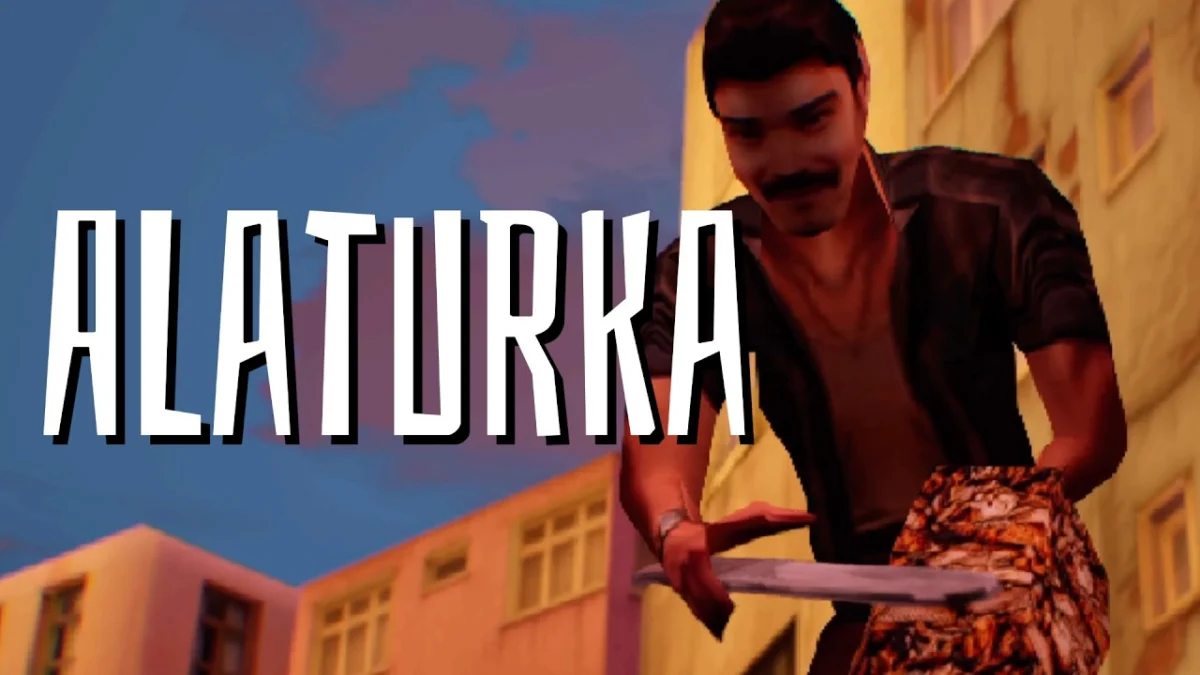
For many, the anticipation surrounding Grand Theft Auto VI represents the pinnacle of modern gaming production. It is a monolith of high-fidelity graphics, massive budgets, and hundreds of developers. However, for those who find the allure of modern AAA blockbusters overshadowed by the nostalgic charm of the PlayStation 2 era, a solo developer has emerged with a compelling counter-narrative.
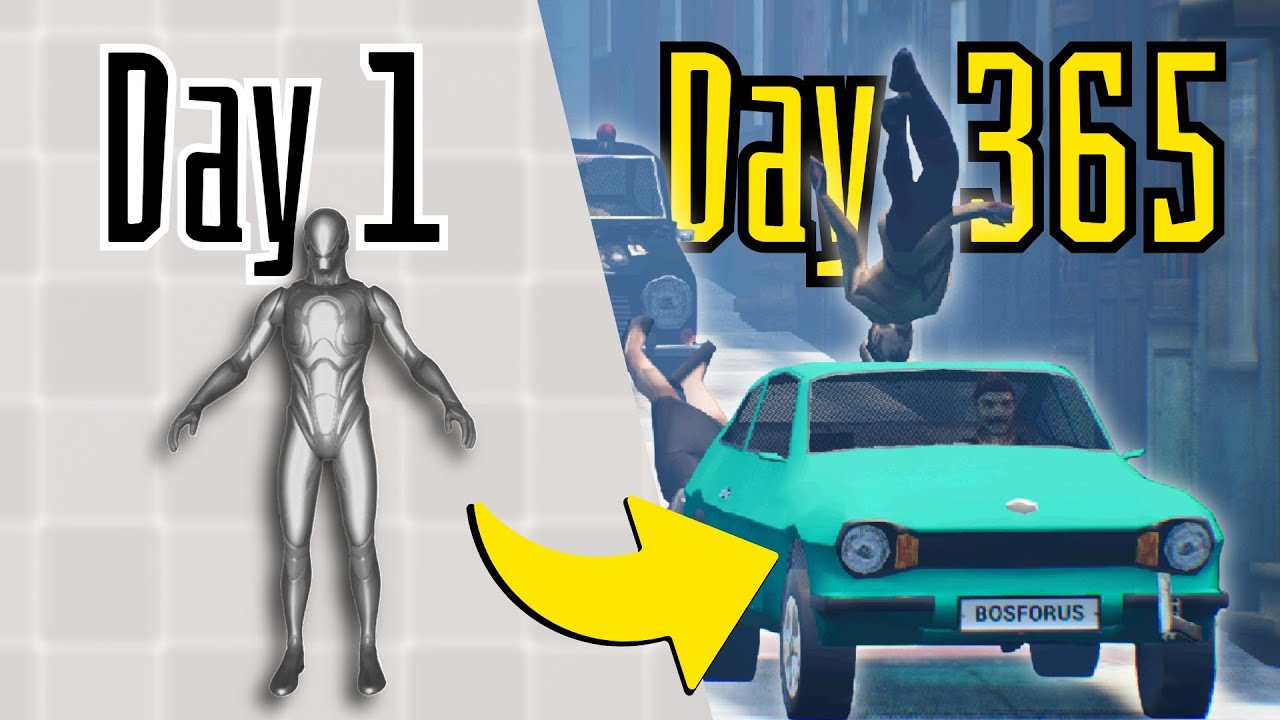
Alaturka, an open-world action game set against the vibrant, chaotic backdrop of 1970s Istanbul, is not just a game; it is a masterclass in independent ambition. Developed over 18 months by Burak Akşahin—known online as Bufuak—the project serves as both a playable love letter to the golden age of sandbox gaming and a transparent, educational journey for aspiring developers.
The Genesis of an Urban Sandbox
The concept behind Alaturka began with a simple, albeit daunting, question: Could a single developer, working entirely alone, replicate the intricate mechanics and sprawling atmosphere of a classic Rockstar-style open-world game using Unreal Engine 5?
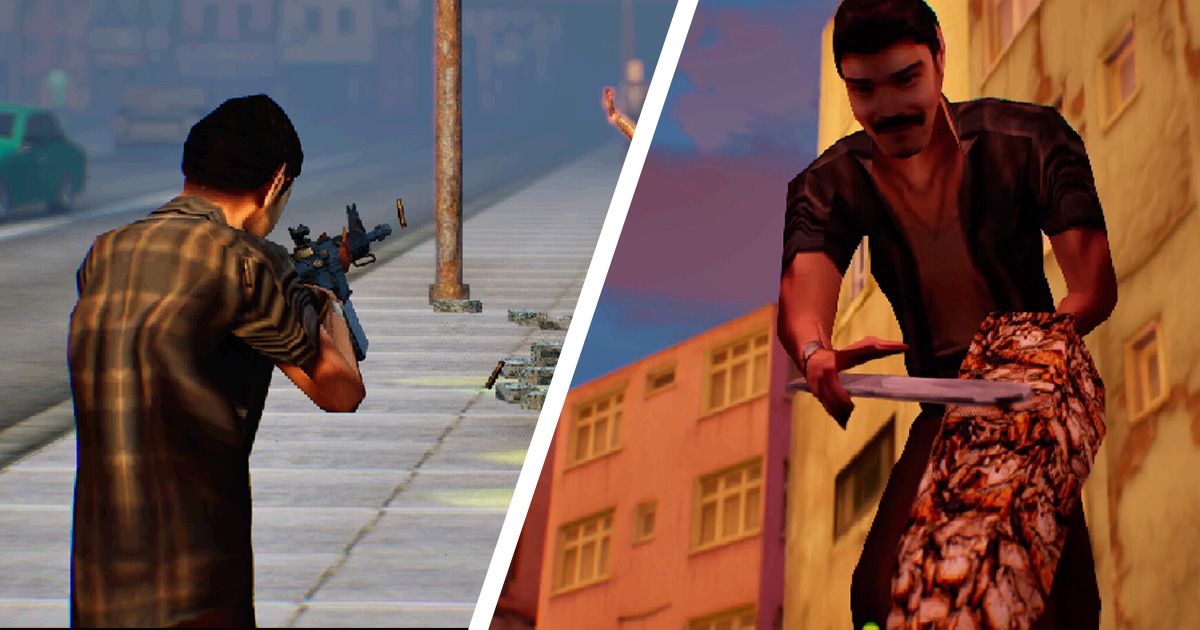
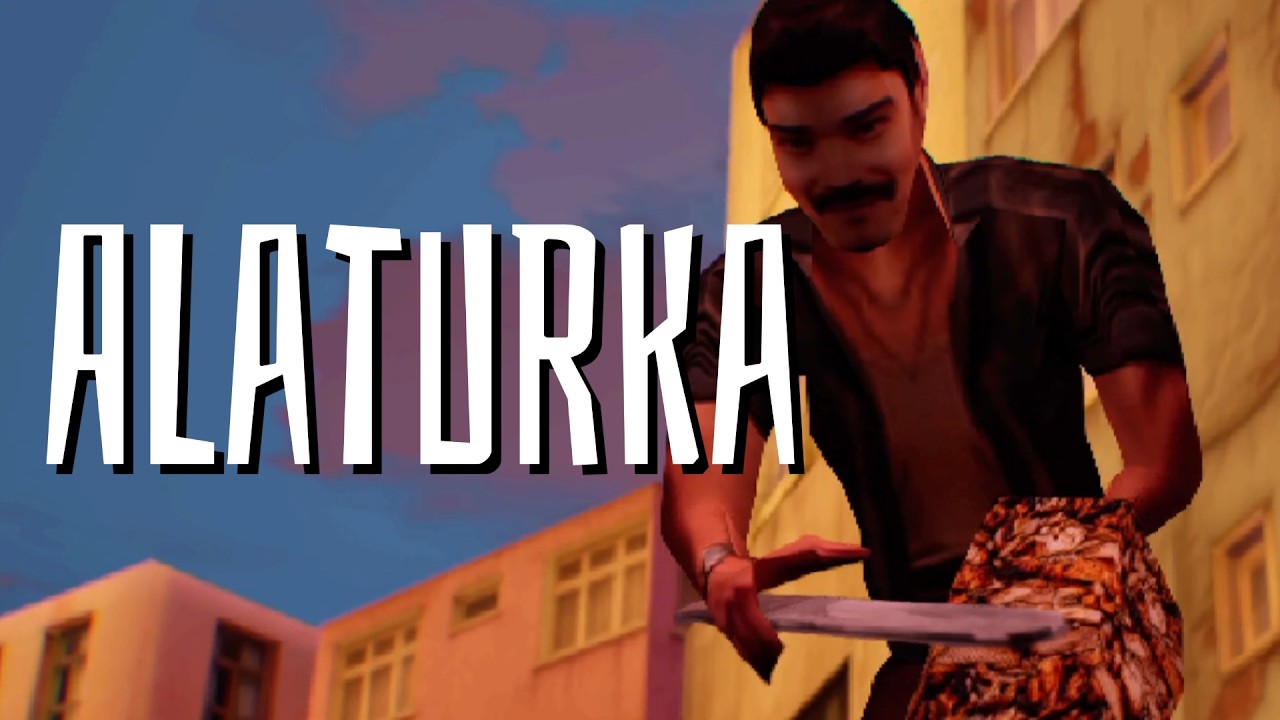
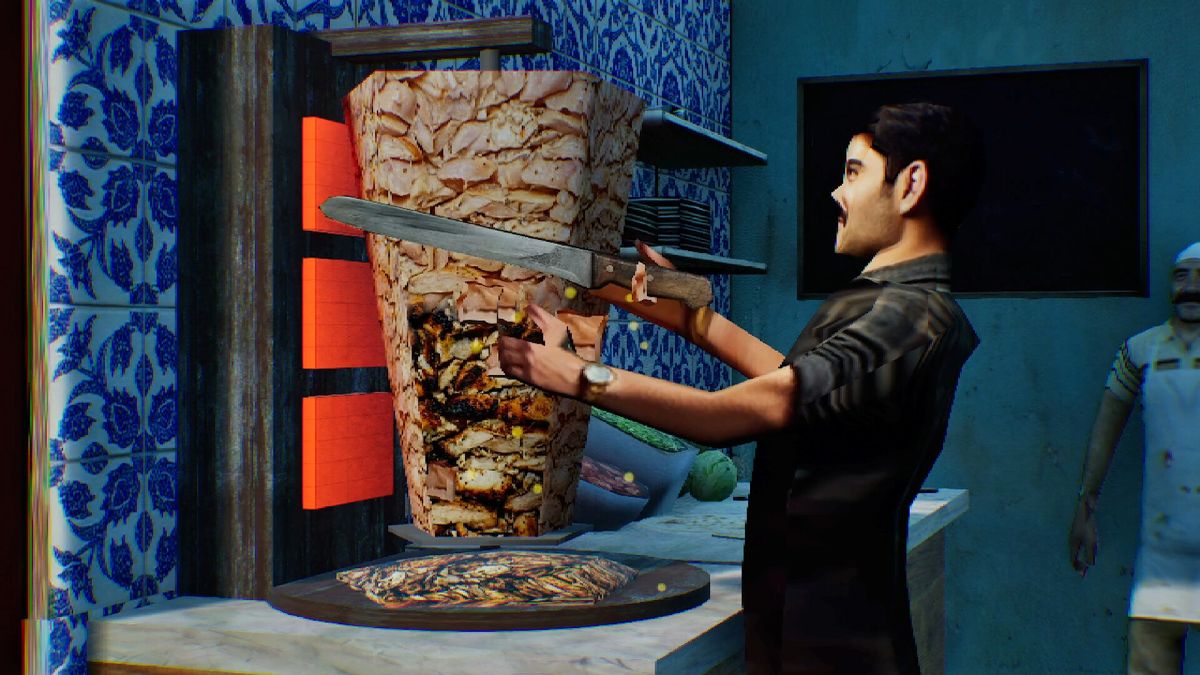
The premise is deceptively simple: players assume the role of a döner kebab apprentice navigating the bustling streets of 1970s Istanbul. The gameplay loop involves balancing the humble life of a food delivery worker with the illicit allure of the city’s criminal underworld. Players must slice the spit, deliver wraps, and eventually rub shoulders with local figures who offer far more lucrative—and dangerous—opportunities than the honest service industry.
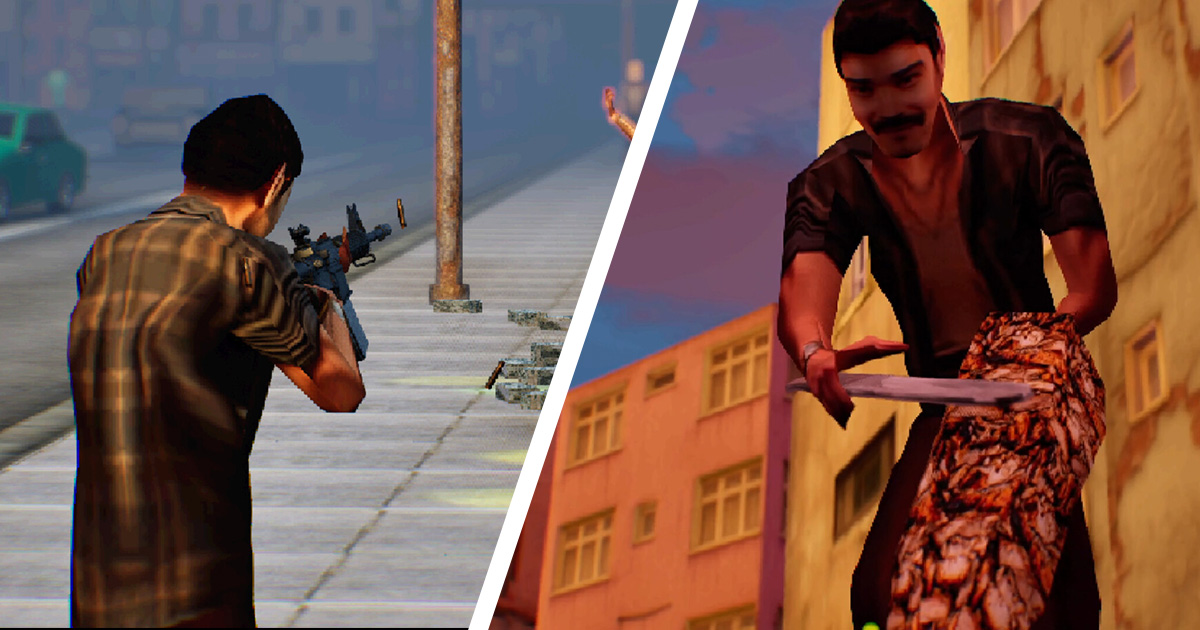
Unlike the polished, cinematic experience of modern titles, Alaturka leans into a deliberate, retro aesthetic. Its low-poly models and PS2-style environmental design are not a lack of capability, but a stylistic choice aimed at ensuring the game remains accessible to a wide variety of hardware configurations, echoing the hardware-constrained ingenuity of early 2000s classics.
A Chronology of Development
The creation of Alaturka has been uniquely public. Rather than shielding the development process behind closed doors, Akşahin opted to live-stream the entire journey, providing a raw, unfiltered look at the reality of game design.
- The Inception (18 Months Ago): Akşahin, an experienced Unreal Engine tutor, began the project as an educational initiative. His goal was to provide students with a real-time case study of how a complex sandbox project is structured from the ground up.
- The Technical Pivot: Early in the development, the project experimented with high-fidelity solutions like Epic Games’ MetaHuman creator. However, in a strategic shift, Akşahin pivoted toward a low-poly art style. This decision allowed him to maintain performance across lower-end devices while leaning into the nostalgic, "chaotic" aesthetic he desired.
- The World Building Phase: Using satellite imagery of Istanbul as a foundational blueprint, Akşahin meticulously recreated the city’s unique topography. This included the implementation of a full day-night cycle, which features atmospheric sunsets over the Bosphorus, grounding the game in a tangible, recognizable sense of place.
- The Chaos System (8 Months Ago): A major milestone in the game’s development was the implementation of a comprehensive "chaos system." This mechanic allows for dynamic AI behavior, where pedestrians and drivers react to player interference, resulting in emergent gameplay and unpredictable chain reactions—a hallmark of the genre.
- Refinement and Polish: In the months following the chaos system update, the focus shifted to optimization and content depth. This included modeling period-accurate vehicles from scratch and integrating a soundscape influenced by the legendary 1970s Anatolian psychedelic rock scene, which provides the game with its distinct cultural flavor.
Supporting Data and Technical Architecture
Alaturka is built on Unreal Engine 5, a powerful toolset that is typically associated with photorealistic graphics. Akşahin’s use of the engine is a testament to its versatility, showing that even the most advanced tools can be harnessed to create stylized, performant retro experiences.
Key technical pillars of the project include:
- Scalable Weaponry: Akşahin engineered a modular weapon system that allows for various combat scenarios without compromising the game’s performance.
- Dynamic AI Logic: The NPC and traffic systems utilize avoidance and pathfinding logic tailored for the dense, labyrinthine streets of Istanbul.
- Asset Creation: All vehicles and character models were built from scratch, ensuring that the 1970s aesthetic is maintained consistently throughout the urban environment.
Beyond the code, the game’s "mood" is a critical component of its design. By curating a soundtrack of 1970s Anatolian Psychedelic Rock, Akşahin has created a sensory experience that distinguishes Alaturka from the typical American-centric settings of its genre inspirations.
Official Perspective and Community Engagement
The developer’s transparency has been the cornerstone of Alaturka’s success. By sharing edited highlights of the development process on platforms like YouTube and engaging directly with the community on Reddit, Akşahin has turned a solo project into a collaborative dialogue.
In his communications, Akşahin emphasizes the importance of managing scope. "I wanted to see if I could build a game that felt as big as my childhood favorites, but without the team of hundreds," he noted during one of his dev-log streams. His willingness to showcase the crashes, the bugs, and the failed iterations has earned him a loyal following among indie developers who are often faced with similar hurdles.
The response from the gaming community has been overwhelmingly positive. The game is currently available for wishlisting on Steam, signaling a growing appetite for smaller, "AA" or "Indie-AAA" projects that offer a focused, high-quality experience without the bloated development cycles often found in the mainstream sector.
Broader Implications: The Rise of the Solo-Dev Sandbox
The success and visibility of Alaturka raise broader questions about the future of the open-world genre. For years, the consensus was that a truly immersive sandbox required massive investment and hundreds of personnel. Alaturka challenges this notion by proving that with the right tools, a clear stylistic vision, and a dedication to iterative design, a single person can create a world that feels both alive and distinct.
The Return of Stylized Graphics
There is a growing trend in the gaming industry toward "retro-revival" graphics. As AAA games chase increasingly expensive photorealism, developers like Akşahin are finding that a distinct, low-poly art style can offer a unique visual identity that is both memorable and technically efficient. This allows developers to focus their energy on gameplay mechanics, physics, and world-building rather than the diminishing returns of hyper-realistic rendering.
The Democratization of Game Development
The development of Alaturka also highlights the power of modern game engines. The barrier to entry for building complex, physics-heavy games has never been lower. By documenting his process, Akşahin has effectively created a roadmap for other developers. His journey from an Unreal Engine tutor to the creator of a highly anticipated commercial project serves as a beacon for the next generation of indie designers.
The Cultural Niche
Perhaps the most significant implication of Alaturka is the potential for open-world games to explore non-Western settings. By focusing on 1970s Istanbul, the game provides a fresh perspective that many mainstream titles ignore. This suggests that there is a vast, untapped market for games that utilize the "sandbox" template to explore diverse cultural histories and urban landscapes.
Conclusion: A New Chapter for Indie Gaming
As the gaming industry prepares for the massive launch of Grand Theft Auto VI this November, it is worth remembering that the heart of the medium often beats strongest in the projects that dare to be different. Alaturka does not seek to outshine the giants; instead, it offers an alternative path—one defined by personal vision, technical ingenuity, and a deep respect for the history of gaming.
Whether it is the rhythmic beat of a 1970s psychedelic track playing through the speakers of a period-accurate car, or the satisfaction of delivering a perfect döner kebab in the shadow of the Bosphorus, Alaturka promises an experience that is uniquely its own. For the player, it represents a chance to step into a meticulously crafted world that feels like a hidden memory, and for the developer, it stands as a testament to the fact that in the world of game design, big things can indeed come from small teams.

With a commercial release on the horizon, Alaturka is more than just a clone of a popular franchise; it is an evolution of the genre, proving that the spirit of the open-world sandbox is alive, well, and thriving in the hands of the solo developer. As we look toward the future of interactive entertainment, projects like Alaturka remind us that the most compelling stories are often those told by a single, dedicated voice.
 Reynand Wu
 Nila Kartika Wati
 Nana Muazin
