
 By Raul Delapena Setiawan
For independent creators, illustrators, and influencers, the Print-on-Demand (POD) landscape has transformed from a niche hobby into a sophisticated revenue engine. However, choosing the right infrastructure is no longer just about who offers the best t-shirt—it is about choosing a business model. Two giants dominate the current discourse: Redbubble, the established marketplace, and Fourthwall, the rising star of brand-centric commerce.
While both platforms allow you to sell custom products without holding inventory, they operate on fundamentally different philosophies. This analysis explores the core mechanics, financial implications, and strategic advantages of both, helping you decide whether you need a launchpad or a foundation.
The Core Philosophy: Marketplace vs. Brand Home
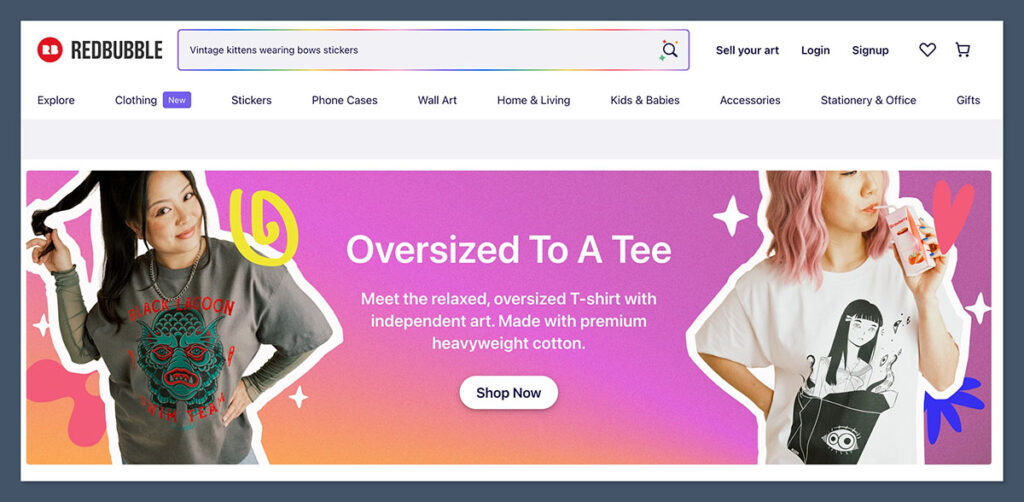
Redbubble: The Discovery Engine
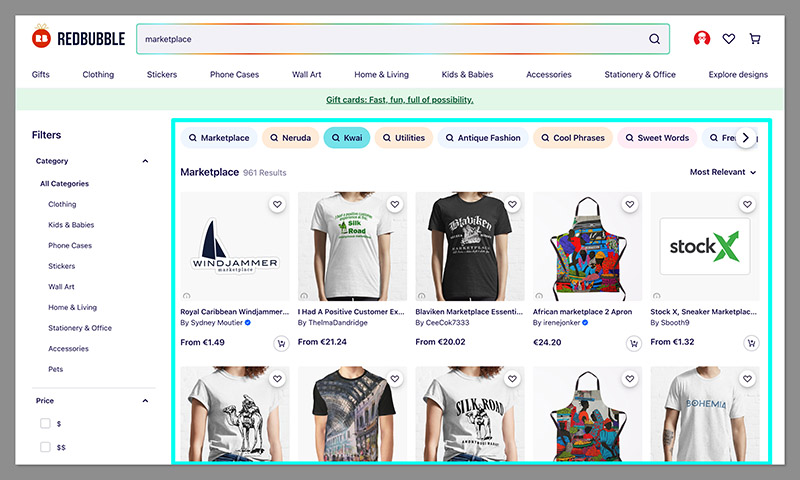
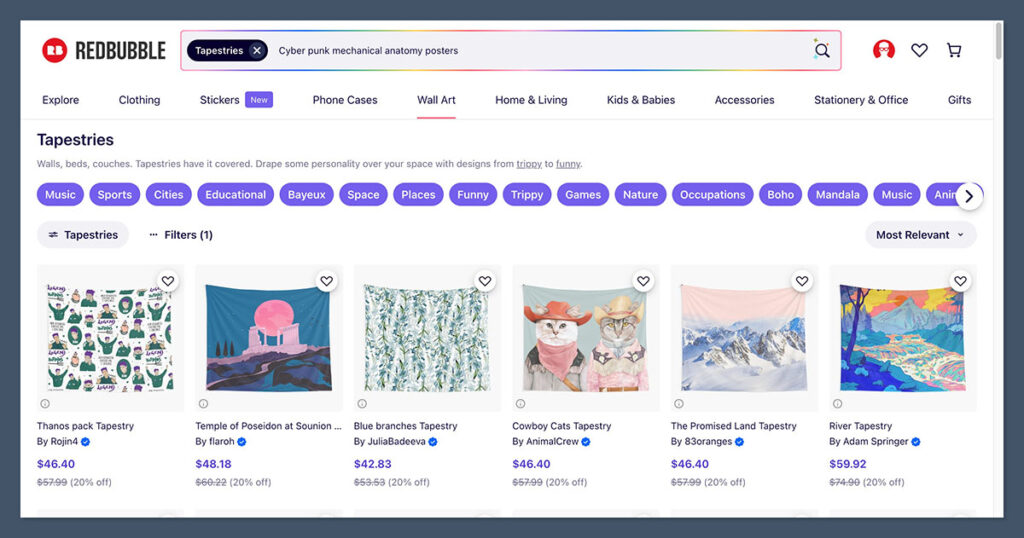
Redbubble operates as a massive, centralized marketplace. When you upload your artwork to Redbubble, you are essentially adding your products to a global digital storefront that already attracts millions of organic visitors.
- The Advantage: You do not need a marketing budget. If your designs align with current trends or popular search terms, Redbubble’s algorithms can place your work in front of shoppers who have never heard of you.
- The Limitation: You are a tenant, not a landlord. You do not own your customer data, you cannot retarget visitors, and you are constantly competing against over 650,000 other artists on the same platform.
Fourthwall: The Brand Ecosystem
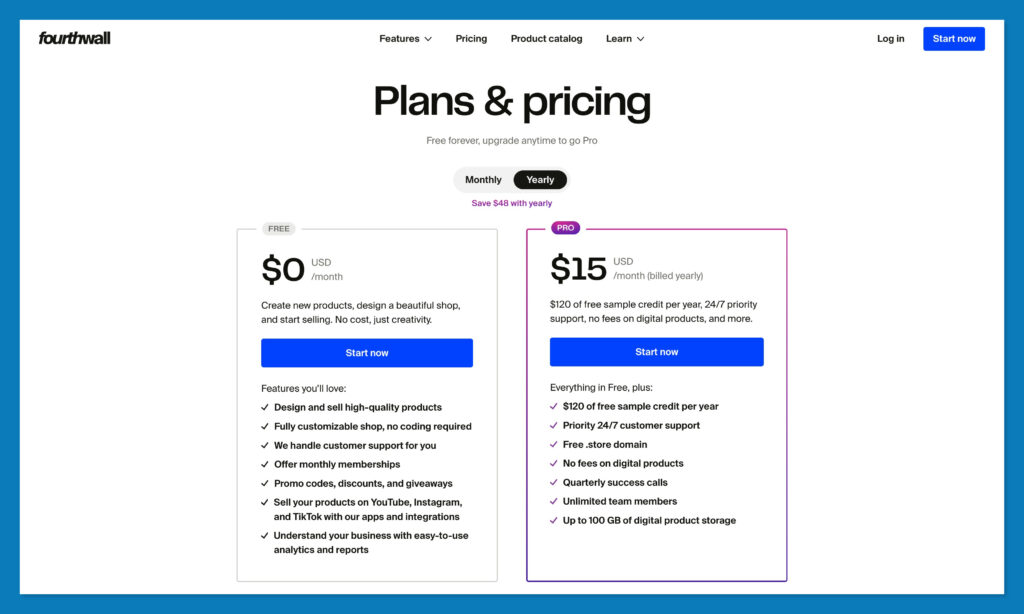
Fourthwall takes a "direct-to-consumer" (DTC) approach. It provides the tools to build a dedicated, branded website. Instead of waiting for shoppers to stumble upon your work in a marketplace, you bring your audience to a space that you control.
- The Advantage: Total ownership. You control the aesthetic, the customer data, and the marketing funnel. You are not just selling a shirt; you are building a brand hub.
- The Limitation: The burden of traffic is on you. If you don’t have an established social media following or an email list, you will have to work harder to generate your first sale compared to a marketplace model.
A Chronology of the Creator Economy Shift
The evolution of these platforms mirrors the maturation of the creator economy.
2006–2015: The Rise of Marketplaces
In the early days, platforms like Redbubble revolutionized the "artist-as-entrepreneur" model. By abstracting away the complexities of fulfillment, tax, and inventory, Redbubble allowed creators to focus purely on design. For nearly a decade, this was the gold standard for independent illustrators.

2016–2022: The Creator-Led Explosion
As social media platforms like YouTube, Twitch, and TikTok exploded, creators realized their audience was their most valuable asset. They needed a way to monetize their "fandom" that felt native to their brand.
2023–Present: The Era of Infrastructure
Enter Fourthwall. Recognizing that creators were becoming overwhelmed by managing a "tech stack" (Shopify for the store, Printful for the POD, Patreon for the memberships), platforms began consolidating these services. Today, the trend is toward "all-in-one" ecosystems that handle everything from tax compliance to digital product delivery.
Supporting Data: Comparing the Financials
| Feature | Redbubble | Fourthwall |
|---|---|---|
| Business Model | Marketplace (Traffic provided) | Brand Storefront (Traffic needed) |
| POD Catalog | ~80 products | 350+ premium, retail-grade items |
| Ownership | Platform controls customer data | You own customer data |
| Revenue Streams | POD only | POD, Digital, Memberships, Donations |
| Pricing | Fee-based tiers (up to 50% cut) | Margin-based (Base cost + your markup) |
| Merchant of Record | Yes | Yes |
The "Hidden" Costs of Redbubble
Redbubble’s tier system has become a point of contention. While it is free to start, Redbubble categorizes sellers into tiers based on activity and volume. Standard accounts can see up to 50% of their monthly earnings deducted as platform fees. While the Pro tier removes these fees, the criteria for reaching these tiers are controlled entirely by the platform, leaving creators with little predictability.
The Fourthwall Profitability Model
Fourthwall is significantly more transparent. You pay the base cost of the product and keep the difference between that and your retail price. While they do take a 5% fee on digital downloads and memberships on their free plan, this is a fixed, predictable cost that allows for much higher margins on physical goods compared to the tiered-marketplace model.
Official Responses and Strategic Positioning
Both companies have leaned into their specific value propositions through recent updates.
Redbubble’s Pivot to Discovery:
Redbubble has heavily invested in "discovery" features. By improving search tagging and utilizing AI to suggest related products to shoppers, they are doubling down on their role as a destination. Their message to creators is clear: "Stay here, focus on the art, and let us handle the acquisition."
Fourthwall’s Focus on Integration:
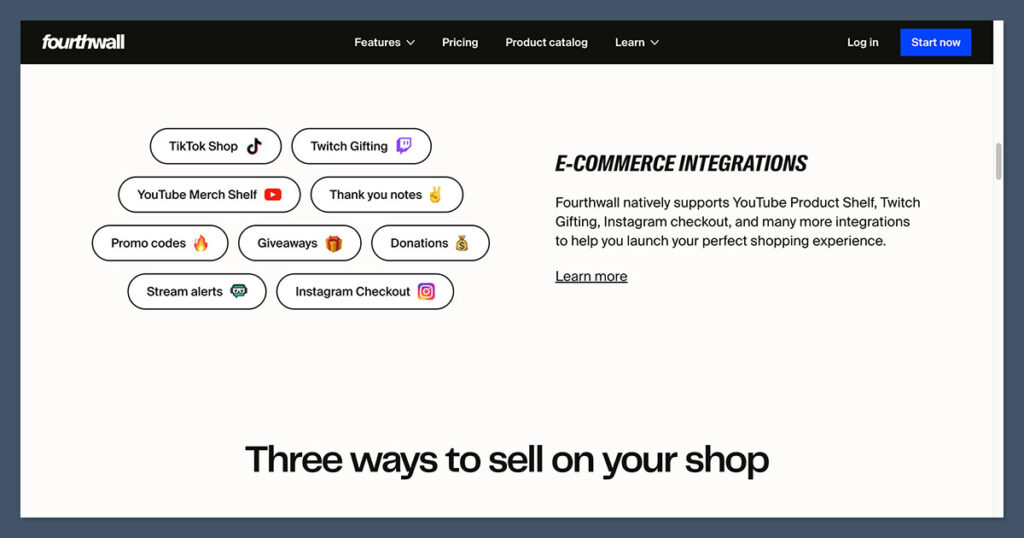
Fourthwall has responded to the needs of "pro-creators" by integrating with YouTube Shopping, Twitch, and TikTok Shop. Their official stance is that creators should own their destiny. By providing an "Eli AI" assistant and sophisticated analytics, they are positioning themselves not just as a printer, but as a business growth partner.
Implications for Your Business Strategy
When to choose Redbubble:
- You are a pure artist: You have no interest in marketing, building a website, or managing customer relationships.
- You have no existing audience: You need a place where people are already searching for products.
- You want to experiment: You want to see if your art has commercial appeal without spending a single dollar or minute on site design.
When to choose Fourthwall:
- You are a creator with a "tribe": You have a YouTube channel, a newsletter, or a community that trusts you.
- You want to scale: You want to offer more than just print-on-demand—perhaps a digital course, a monthly supporter membership, or limited-run physical products you source yourself.
- You value data: You want to know who your customers are so you can email them, remarket to them, and build long-term relationships.
The Verdict: The Path to Longevity
If your goal is to make a few extra dollars on the side with minimal effort, Redbubble remains a viable, albeit restrictive, option. It is the path of least resistance.
However, if you are looking to build a career in the creator economy, Fourthwall is the superior choice. It provides a professional "home base" that grows with you. By retaining ownership of your customer data and diversifying your revenue streams through memberships and digital goods, you protect yourself against the volatility of marketplace algorithms.
In the modern digital economy, the creator who owns the relationship with the customer always wins. While Redbubble gives you a place to sell, Fourthwall gives you the tools to succeed. If you are ready to transition from a "seller" to a "brand owner," the choice is clear.
 Laily UPN
 Neng Nana
 Sagoh
