
 By Suro Senen
In the fast-paced world of modern gaming, where massive open-world epics and live-service behemoths dominate the discourse, there is a surprising space emerging for the "bite-sized" experience. Saber Interactive, a studio known for its versatility and technical prowess, is betting that gamers are ready to return to the director’s chair. With the announcement of Stuntman: Hollywood, the studio is resurrecting a cult-favorite franchise that hasn’t seen a new entry since 2007. But as the industry leans toward infinite scale, can a game focused on the precise, repetitive, and adrenaline-fueled art of the movie stunt capture a new generation?
The Legacy of the Stuntman Franchise
To understand the significance of Stuntman: Hollywood, one must look back to 2002. Developed by the legendary Newcastle-based studio Reflections Interactive—the team behind the Driver series—the original Stuntman was a revelation. Published by Infogrames, it provided a unique, consequence-free playground where players could live out the high-stakes fantasies of a professional Hollywood stunt driver.
It was a game of precision, timing, and failure. Players were tasked with executing complex maneuvers—drifting through narrow alleyways, jumping over explosions, and performing "hero" car tricks—all under the watchful eye of a demanding virtual director. The 2007 sequel, Stuntman: Ignition, further refined this formula, cementing the series as a niche but beloved staple of the PlayStation 2 and Xbox 360 era. For nearly two decades, however, the franchise remained dormant, a relic of a time when "arcade-style" progression was the industry standard.
Chronology: From Embracer to Universal
The path to Stuntman: Hollywood is as complex as a blockbuster film’s production cycle. Its development began during one of the most turbulent periods in modern gaming history: the rapid expansion and subsequent restructuring of the Embracer Group. Saber Interactive, which was acquired by Embracer in 2020, found itself in a unique position.
According to Saber Interactive’s Chief Creative Officer, Tim Willits, the project was born from a convergence of opportunity and expertise. Speaking at Gamescom, Willits noted that the team possessed significant experience in the driving genre, and, crucially, held a burgeoning partnership with Universal Pictures.
"Stuntman was an IP that Embracer owned," Willits explained. "When we were in the Embracer family, we looked at the team we had available, their experience in driving games, and our strong relationship with Universal through projects like Jurassic Park and Turok. Universal was immediately on board. They loved the concept."
The project survived the massive corporate shake-up of 2024, when Saber Interactive was sold to a company owned by its co-founder, Matthew Karch, for $247 million. Despite the shifting corporate tides, the collaboration with Universal remained steadfast, setting the stage for a 2027 release.
A Marriage of Hollywood and Gaming
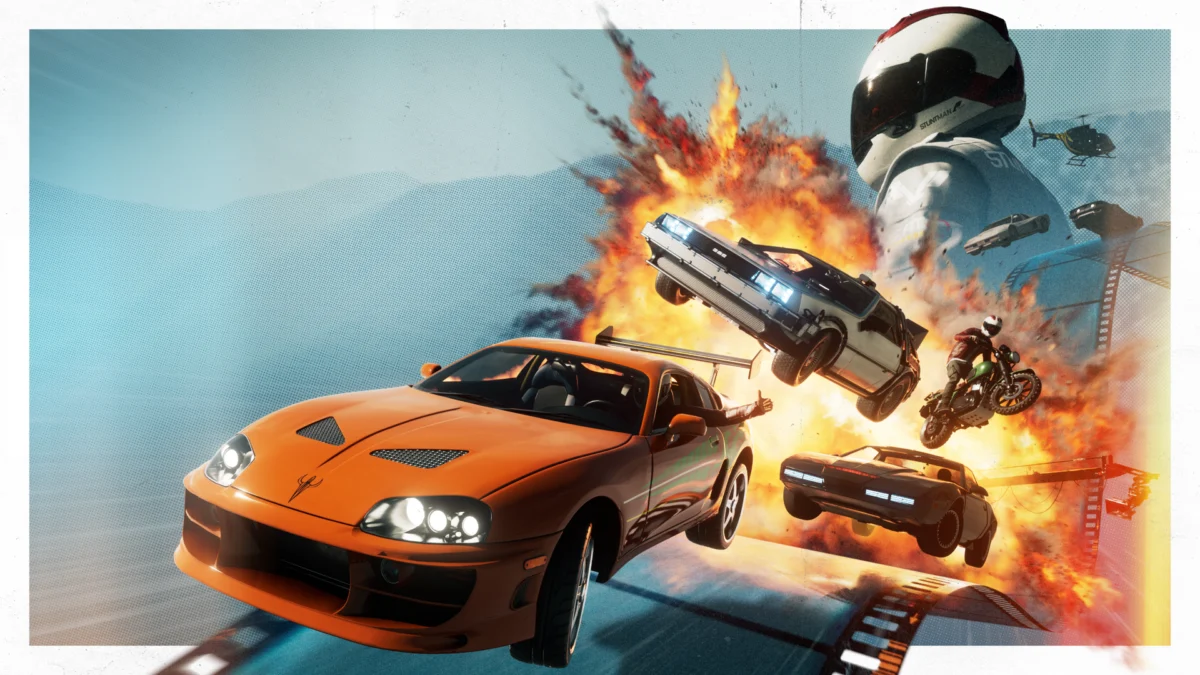
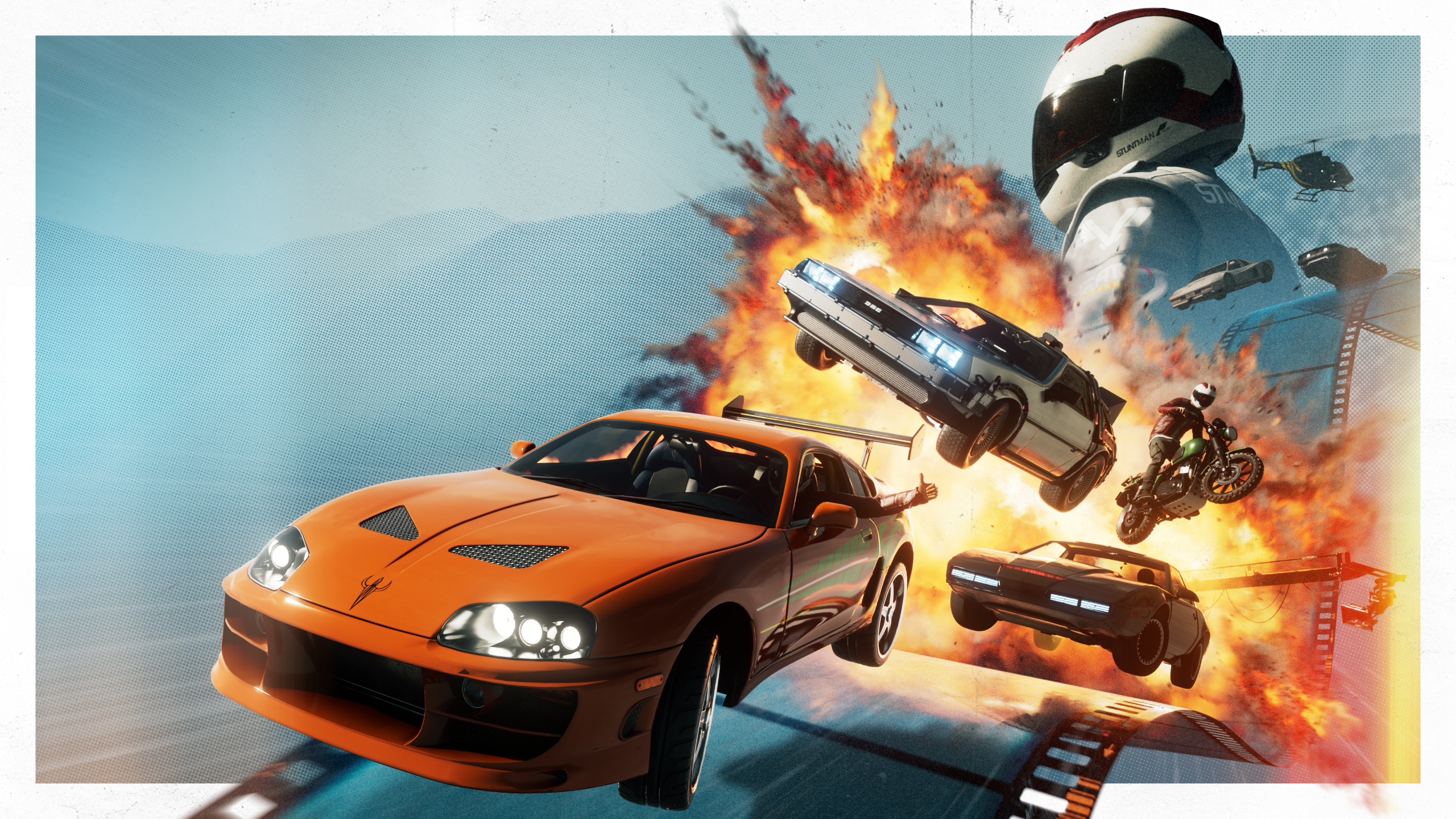
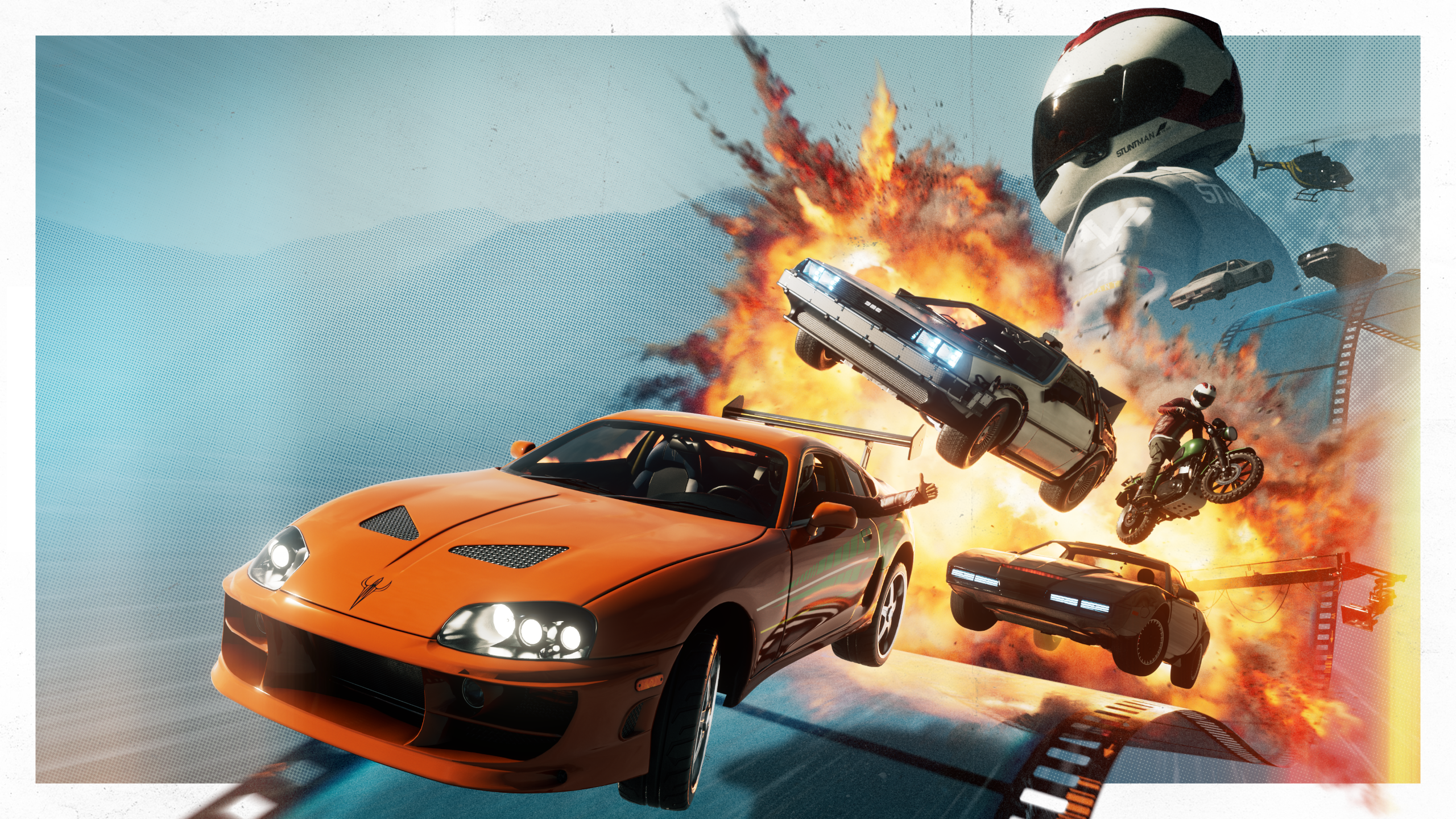
The true hook of Stuntman: Hollywood lies in its roster of iconic intellectual properties. In an era where licensing is often prohibitively expensive, Saber Interactive has secured a slate of franchises that read like a "greatest hits" list of childhood memories. Players will navigate sets inspired by The Fast and the Furious, Knight Rider, Miami Vice, Back to the Future, Death Race, and Jurassic World.
This isn’t merely a "skin" job; the involvement of the film studios has been substantive. Willits noted that the teams behind these films were actively engaged, providing assets, guidance, and creative ideas. "The movie people were really excited," he said. "It’s been a dream to work with Universal on this."
This strategy highlights a pivot in Saber’s business model: becoming the industry’s go-to partner for high-profile film adaptations. The studio is simultaneously working on a John Wick title in collaboration with Lionsgate. Willits spoke highly of the working relationship with director Chad Stahelski and Keanu Reeves, noting that Stahelski’s background and his film style—which often mimics the pacing and choreography of a game—make for a seamless creative transition to an interactive medium.
Hands-On: The "Bite-Sized" Experience
During a hands-on demo at Gamescom, the core loop of Stuntman: Hollywood became clear: it is an exercise in "bite-sized awesomeness."
The demo consisted of five distinct runs, each lasting between five and ten minutes. While the duration is short, the intensity is palpable. The game uses a director’s voiceover to guide the player, creating an immersive atmosphere of a film set. Players are given visual indicators for the "ideal route," as well as proximity cues for stunts that require hair-thin margins of error.
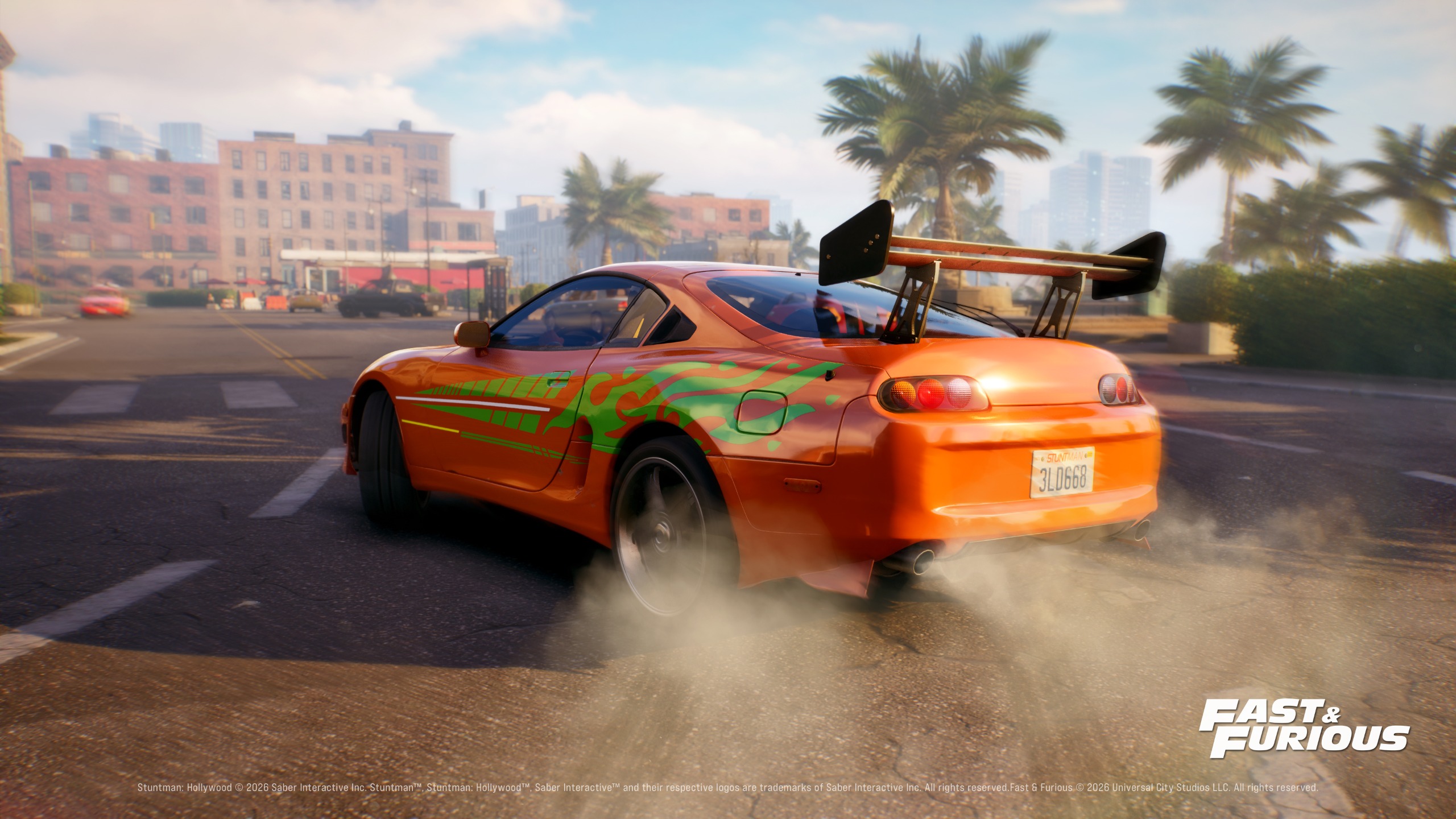
The mechanics are designed to be forgiving yet challenging. Unlike a pure simulation racer, Stuntman demands a rhythm. You might be tasked with drifting at a specific corner, hitting a ramp at an exact speed, or weaving through falling debris. Mistakes are punished, but not with the immediate, crushing "Game Over" of the original titles. A certain number of "howlers" are permitted, allowing the player to recover and finish the scene.
Each run culminates in a "bravura" moment—a high-stakes, cinematic stunt that builds tension through speed and timing. The satisfaction of nailing these sequences is the game’s primary reward, with the promise of high scores and perfectionist ratings providing the replayability needed to keep players engaged long after the credits roll on the main campaign.
Technical Execution and Art Direction
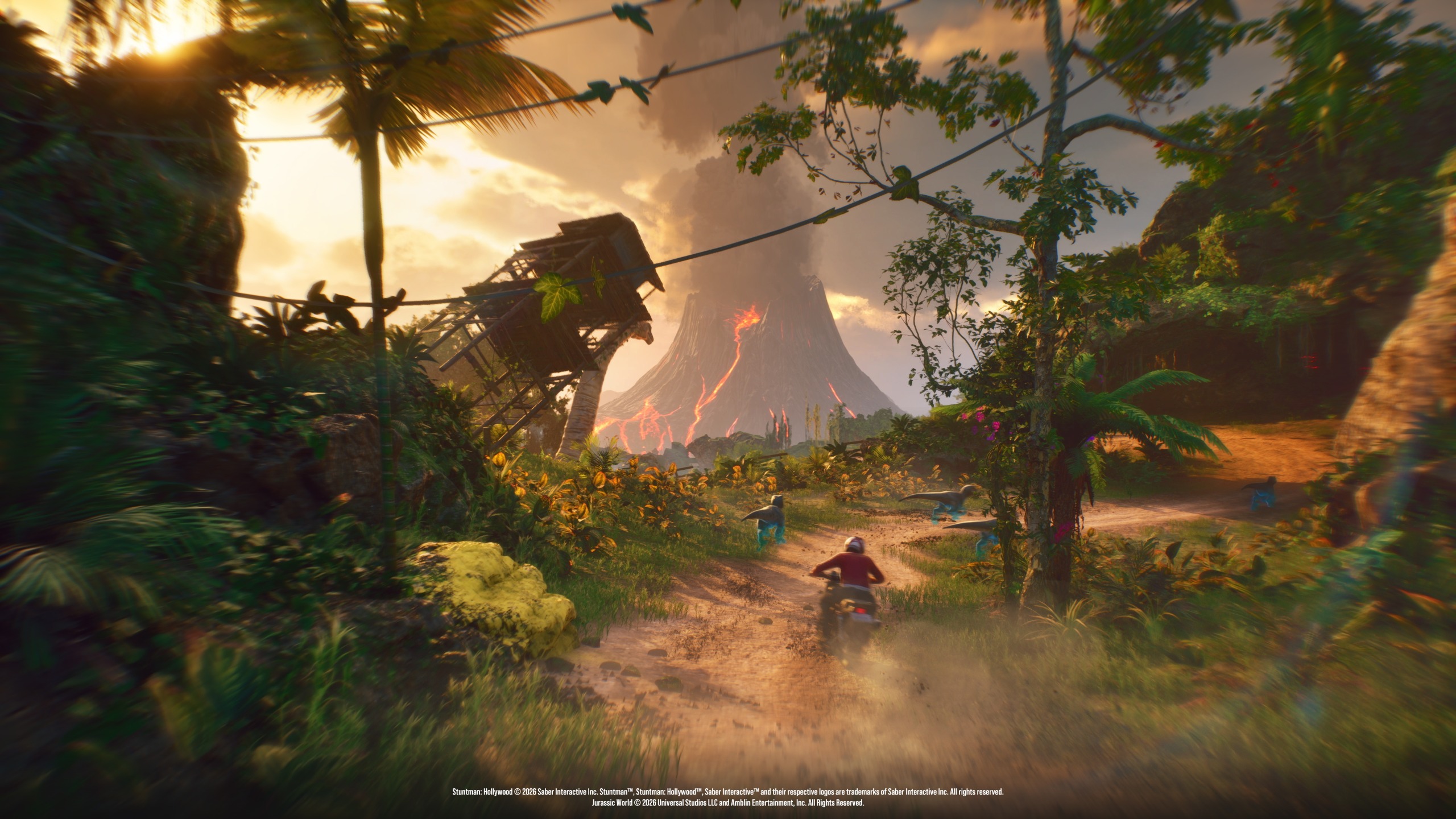
Visually, Stuntman: Hollywood manages to bridge the gap between high-fidelity realism and stylized fun. The game avoids the "uncanny valley" trap of hyper-realistic racing sims, opting instead for a vibrant, polished look that leans into the aesthetic of the movies it represents.
The art direction is specific to each set. For instance, the Miami Vice sequences utilize a saturated, neon-soaked palette reminiscent of 1980s television, while the Jurassic World levels lean into gritty, off-road textures. The vehicles—from the iconic white Ferrari Testarossa to the time-traveling DeLorean—are modeled with loving detail, though they are clearly tuned for cinematic flair rather than realistic physics.
Implications for the Industry
The success of Stuntman: Hollywood will serve as a bellwether for the "mid-sized" game market. By focusing on a specific, refined loop rather than an infinite open world, Saber Interactive is betting that quality and nostalgia can outperform quantity.
If Stuntman succeeds, it could pave the way for other dormant IPs to receive similar treatment. The game proves that a strong, recognizable license is a potent marketing tool, but the gameplay must stand on its own to avoid being dismissed as a cynical cash-grab. Saber’s ability to foster deep relationships with film studios suggests a future where gaming and cinema are even more tightly integrated, not just through cutscenes, but through the mechanics of play itself.
Ultimately, Stuntman: Hollywood is a throwback to a simpler time in gaming. It does not ask the player to manage inventories, craft items, or grind for hours. It asks them to do one thing: drive fast, look cool, and don’t ruin the shot. As we look toward its 2027 release on PlayStation 5, Xbox Series X/S, and PC, it is clear that for many, that is more than enough. Whether it can transcend its "throwaway" nature to become a modern classic remains to be seen, but as a proof-of-concept for how to handle licensed IPs, it is already showing immense promise.
The industry may be moving toward massive, persistent digital worlds, but there is still plenty of room for a game that knows exactly what it is—and delivers it with style.
 Iffa Jayyana
 Reynand Wu
 Nila Kartika Wati
