
 By Sagoh

In the digital ecosystem, where the average user’s attention span is measured in milliseconds, the blog post title acts as the ultimate gatekeeper. It is the first—and often the only—point of contact between a writer and a potential reader. As the legendary advertising executive David Ogilvy famously noted, the primary purpose of a headline is to get the reader to consume the first sentence of the body copy. When a title fails, the content beneath it remains invisible, regardless of the quality or the hours invested in its creation.
The Strategic Importance of Headlines
A blog post title is not merely a label; it is a marketing asset that determines the trajectory of your content. Whether your article is shared via social media, indexed by search engines, or featured in an RSS feed, the title is the singular variable that influences click-through rates (CTR).
An uninspired or convoluted title effectively buries your work in the archives. Conversely, a compelling, well-structured headline can cause a post to "go viral," spreading across the web like wildfire. For content creators, understanding the psychology of the headline is no longer optional; it is a fundamental requirement for survival in a crowded digital landscape.
The Anatomy of a Successful Headline: 8 Essential Strategies
Crafting a headline requires a blend of creative flair and strategic precision. While no single formula guarantees success, there are eight proven techniques that seasoned copywriters and bloggers use to maximize impact.
1. Communicate a Clear Benefit
The most effective titles answer a fundamental question for the reader: "What is in it for me?" When a user scans a list of search results, they are hunting for a solution to a specific problem. Titles that promise a tangible benefit—such as "10 Ways to Master Digital Photography" or "How to Optimize Your Website for Speed"—cut through the noise. These headlines are not cryptic; they are direct, promising the reader that their needs will be met if they click.

2. Ignite Controversy and Debate
Controversy is a powerful driver of engagement. By challenging the status quo or taking a firm stance on a polarizing topic, a writer can pique the interest of a target audience. However, this approach comes with a caveat: the body of the article must deliver on the promise of the title. If the content fails to back up the bold claims of the headline, the reader will feel deceived, which can erode trust in the long term.
3. Harness the Power of Questions
Human psychology is wired to respond to questions. When a title poses a query, the reader is subconsciously compelled to seek the answer. This is particularly effective when the question is personalized. By using the word "you," the writer creates an immediate, intimate connection, inviting the reader to engage with the subject matter as a participant rather than a passive observer.
4. Personalize the Experience
Even when writing for an audience of thousands, the goal should be to make each reader feel as though the content was crafted specifically for them. Personalization in titles—specifically through the use of direct address—bridges the gap between the writer and the reader. Titles that speak to the reader’s specific pain points or aspirations tend to perform significantly better than generic, third-person statements.
5. Strategic Keyword Optimization
Keywords are the bridge between user intent and your content. From an SEO perspective, including relevant terms in your headline is vital. If your article discusses a specific product or company, ensuring that the brand name or service category is present is essential. Furthermore, placing your primary keyword at the beginning of the title can enhance its visibility in search engine results, where longer titles are often truncated.
6. Utilize "Power Words"
Certain words possess a magnetic quality that can significantly influence user behavior. Terms like "Essential," "Proven," "Effortless," or "Secrets" evoke curiosity and urgency. However, these should be used with caution. Over-reliance on "clickbait" terminology can lead to reader skepticism. The goal is to enhance the title, not to mislead the audience.

7. Make Bold Claims and Promises
Similar to communicating a benefit, a bold claim takes the promise to the next level. It creates a "can’t-miss" proposition. When a title promises to reveal a "guaranteed" method or a "game-changing" insight, it appeals to the reader’s desire for high-value information. The risk remains, however, that the content must be of exceptional quality to satisfy the heightened expectations created by such a bold opening.
8. The Strategic Use of Humor
Humor can be an effective way to stand out, but it is a double-edged sword. A witty or pun-heavy title can build rapport with an audience, but if the joke is misunderstood or falls flat, it can alienate potential readers. Moreover, humorous titles often lack the keywords necessary for search engine optimization. It is best used when the brand identity allows for a conversational, lighthearted tone.
Chronology of Content Evolution
Historically, the transition from print journalism to digital blogging shifted the power of the headline. In the era of print, a headline’s goal was to entice the reader to buy the paper. In the digital age, the goal is to stop the scrolling process.
- The Early Web (Pre-2005): Headlines were often treated as simple file names or descriptive labels.
- The Rise of Search Engines (2005–2010): The industry saw a shift toward keyword stuffing, where headlines were optimized for bots rather than humans.
- The Social Media Explosion (2010–2015): The era of "Clickbait" arrived, where emotional triggers and extreme promises became the standard for viral content.
- The Modern Era (2015–Present): We have entered a period of "Content Maturity," where the best headlines balance SEO requirements with genuine human interest and authoritative value.
Supporting Data: The Impact of Headlines on CTR
Studies across various platforms have shown that changing a headline can influence click-through rates by as much as 500%. Data from platforms like HubSpot and Google Analytics consistently show that titles containing numbers (e.g., "7 Ways to…") tend to outperform descriptive titles. Furthermore, titles that are kept between 6 and 12 words generally receive the highest engagement, as they are easily processed by the brain and remain fully visible in mobile search results.
Expert Perspectives
Industry experts, including those at ProBlogger, emphasize that the most common mistake is rushing the process. A headline should not be an afterthought added in the final seconds before publishing. It should be treated as a draftable component of the article, just like the introduction or the conclusion.
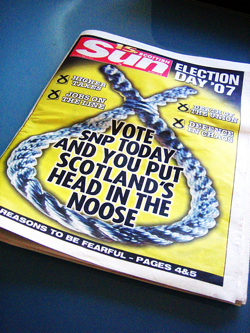
According to the principles of copywriting as outlined by giants like David Ogilvy, the headline represents 80% of the success of the advertisement. If the headline is weak, the remaining 80% of the budget (or time) is effectively wasted.
Implications for Future Content Strategy
As AI-driven search results and personalized content feeds become the norm, the role of the headline will continue to evolve. Future strategies will likely involve dynamic headlines that change based on the user’s demographic or previous search history.
However, the fundamental principle remains: do not rush. Whether you are writing for a niche hobbyist blog or a high-traffic professional site, the time spent refining your title is the most valuable investment you can make. By testing different variations, incorporating psychological triggers, and maintaining a clear focus on the reader’s needs, you can transform your blog from a quiet repository of information into a vibrant hub of engagement.
Conclusion: The Final Pause
Before hitting the "Publish" button, take a moment to pause. Re-read your title and ask yourself: "If I were scrolling through my feed, would this stop me?" If the answer is no, it is time to return to the draft. Your content deserves to be read, but it will only reach its audience if the gatekeeper—your title—is compelling enough to let them in. Invest in your titles, and the rest of your content will follow suit.
 Siti Muinah
 Muslim
