
 By Azzam Bilal Chamdy
It may have started as a backyard experiment on Bainbridge Island, Washington, back in 1965, but today, pickleball is an undisputed cultural juggernaut. As the fastest-growing sport in the United States, it has successfully bridged the generational divide, drawing everyone from retirees to Gen Z athletes onto the court.
For the professional blogger, this rise is more than just a passing trend—it is a masterclass in community building, strategic growth, and the art of engagement. Much like the transition from a casual blogger to a professional content creator, pickleball’s journey from a niche pastime to a global phenomenon offers a blueprint for success in the digital age.
The Chronology of a Phenomenon: From Bainbridge to Global Status
To understand why pickleball serves as such a powerful metaphor for content creation, one must first look at its trajectory. The sport was born out of necessity—a creative solution to boredom. When Joel Pritchard and Bill Bell returned from golf to find their families restless, they improvised with whatever equipment was at hand: ping-pong paddles, a perforated plastic ball, and a lowered badminton net.
This humble beginning mirrors the "bootstrapping" phase of every successful blog. Every major digital platform today—from the largest news aggregators to the most influential personal brands—began as a single post, often written with little more than a laptop and a vision. The lesson here is clear: Start small and think big. You do not need the infrastructure of a media conglomerate to launch; you only need to innovate within your constraints.
Strategic Parallels: Data-Driven Lessons for Creators
Beyond the history, the mechanics of the game provide actionable frameworks for anyone managing a content strategy. In an era where digital noise is at an all-time high, adopting the "court craft" of a pickleball player can help you cut through the static.
1. The Art of the "Dink": Prioritizing Simplicity
In pickleball, the "dink" is a soft, controlled shot hit into the opponent’s "kitchen" (the non-volley zone). It is not about raw power; it is about precision and pace control. For bloggers, this translates to the art of simplification. In a world of long-form, complex AI-generated content, there is a massive premium on clarity. Simplifying complex topics into digestible, high-value posts is the "dink" of the content world. It controls the narrative and keeps the reader exactly where you want them.
2. Positioning and the "Kitchen" Rule
The "kitchen" is the non-volley zone near the net. Entering it incorrectly results in a fault. In the blogging ecosystem, your "sweet spot" is the delicate balance between value and monetization. If you step too far into the "kitchen"—aggressively pushing affiliate links or hard-selling your products—you risk a "fault" with your audience, leading to loss of trust. Strategic positioning means knowing exactly when to step in for the kill (the conversion) and when to hold back and provide purely educational value.
3. The Rally as Engagement
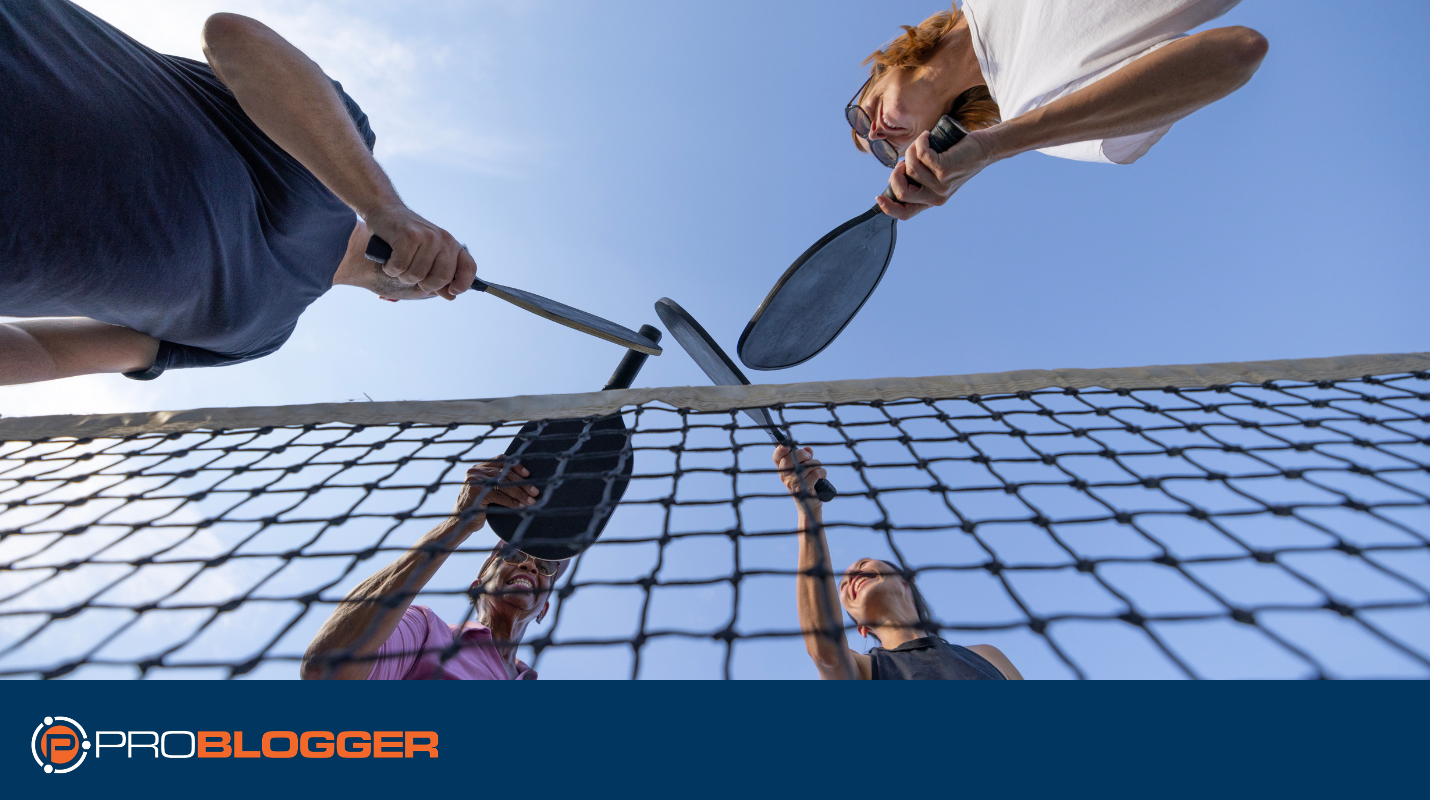
A pickleball rally is a collaborative effort to keep the game alive. When bloggers view their comment sections, social media threads, and email newsletters as a "rally," the dynamic changes. You aren’t just broadcasting; you are participating. The longer you keep the rally going—by responding to every comment, hosting Q&As, and acknowledging reader feedback—the more invested your audience becomes. Engagement is a reciprocal sport.
Supporting Data: Why Accessibility Wins
The meteoric rise of pickleball is rooted in its accessibility. Unlike tennis, which requires significant athleticism and a steep learning curve, pickleball is "easy to learn, hard to master." This is the gold standard for high-performing blogs.
Data shows that content hubs that prioritize user experience (UX) and intuitive navigation see significantly higher retention rates. When you remove the barriers to entry—by writing in an accessible voice, using clear subheadings, and ensuring your mobile interface is seamless—you are essentially widening the court. A wider court attracts more players, and in the digital sphere, more players equal a more robust, loyal community.
Navigating the "Whiffs" and Adapting to Change
Even professional athletes have off-days; they call them "whiffs." In the content world, this is the post that flops or the campaign that fails to convert.
The professional response to a "whiff" is not to walk off the court, but to analyze the serve. Did you miss the timing? Was the angle wrong? By treating each underperforming post as a data point rather than a personal failure, you refine your strategy. The digital landscape—much like the game itself—is constantly evolving. New algorithms, emerging platforms, and changing reader behaviors require the agility to adapt your footwork.
Official Perspectives: The Psychology of the Game
Industry experts often note that the "addictive" nature of pickleball is not just about the exercise; it is about the social cohesion. It is a game designed to be played with others, not just against them.
For the blogger, this serves as a reminder that community is the ultimate currency. When you write, you are not just inputting text into a CMS; you are inviting people to a space. If that space feels exclusionary or purely transactional, the "players" will leave. If it feels like a community-driven environment, they will stay, share, and advocate for your work.
Implications for Future Content Strategy
As we look toward the future of digital publishing, the implications of these lessons are profound:
- Sustainability: By adopting the "dink" philosophy of simple, high-value content, you avoid creator burnout. You are playing a sustainable game rather than a high-intensity, short-lived one.
- Agility: By embracing the need to adapt your "footwork" to new platforms (such as the rise of short-form video or AI search integration), you ensure your blog remains relevant.
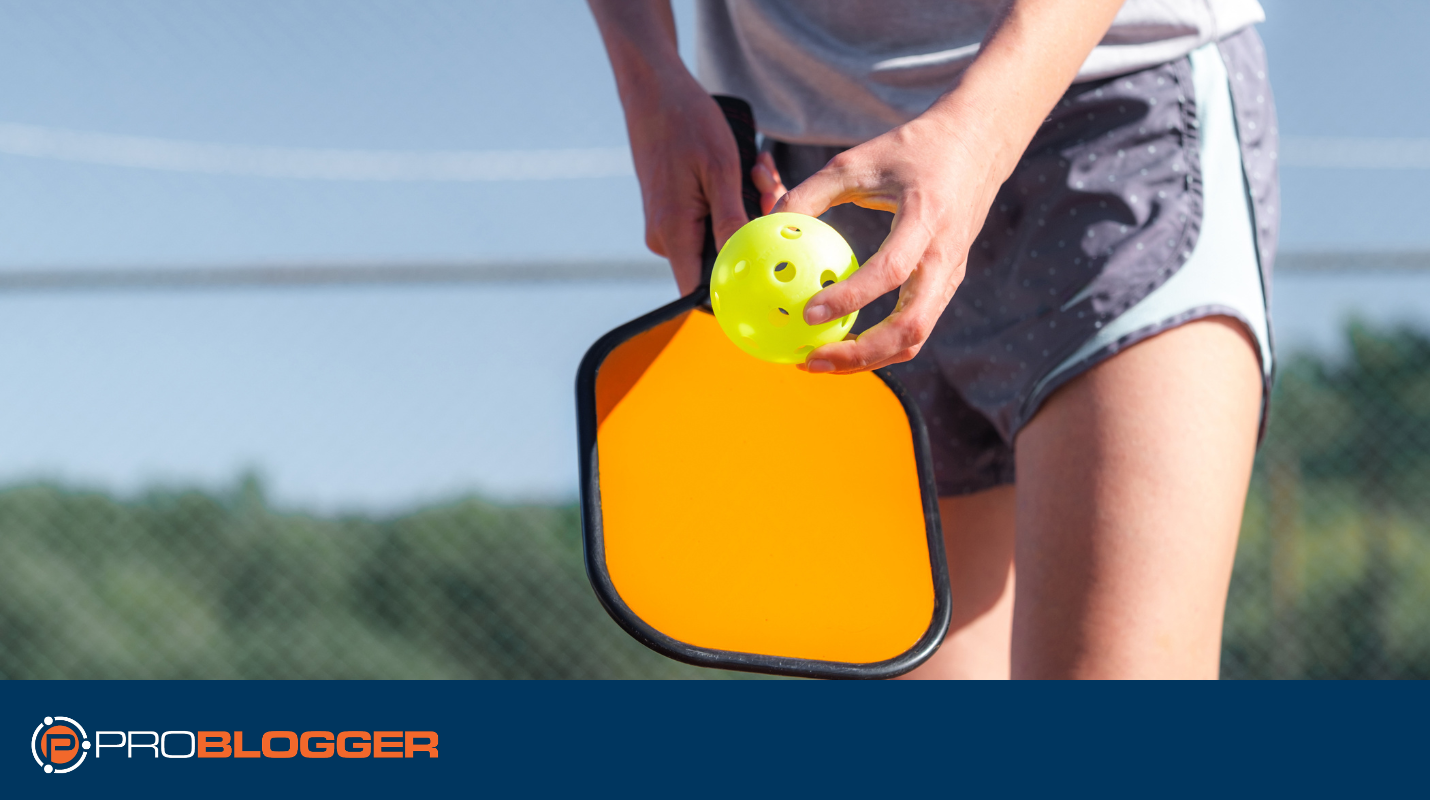
- The Power of the Serve: A strong introduction is the most important "serve" you have. If you hook your reader in the first 100 words, you set the tempo for the entire "match."
Conclusion: Grab Your Keyboard and Play
Who could have predicted that a sport named after a pickle would offer such a coherent strategy for digital success? Pickleball teaches us that the best results come from a blend of strategy, movement, and genuine joy.
Blogging should not be a chore performed in isolation; it should be a high-energy rally with your audience. It requires focus, a willingness to learn from your mistakes, and the wisdom to know when to strike. Whether you are a veteran blogger or just starting to draft your first post, the court is waiting.
The next time you sit down to write, imagine yourself on the court. You have your paddle in hand, the game is in motion, and your audience is waiting for your next move. Will you serve with purpose? Will you keep the rally going? Or will you risk a "whiff" by losing focus? The strategy is simple: keep your eye on the ball, respect the court, and most importantly, remember to have fun.
Your blog is your game—make sure you play it well.
 Asep Darmawan
  Siti Muinah