
 By Dwi Wanna
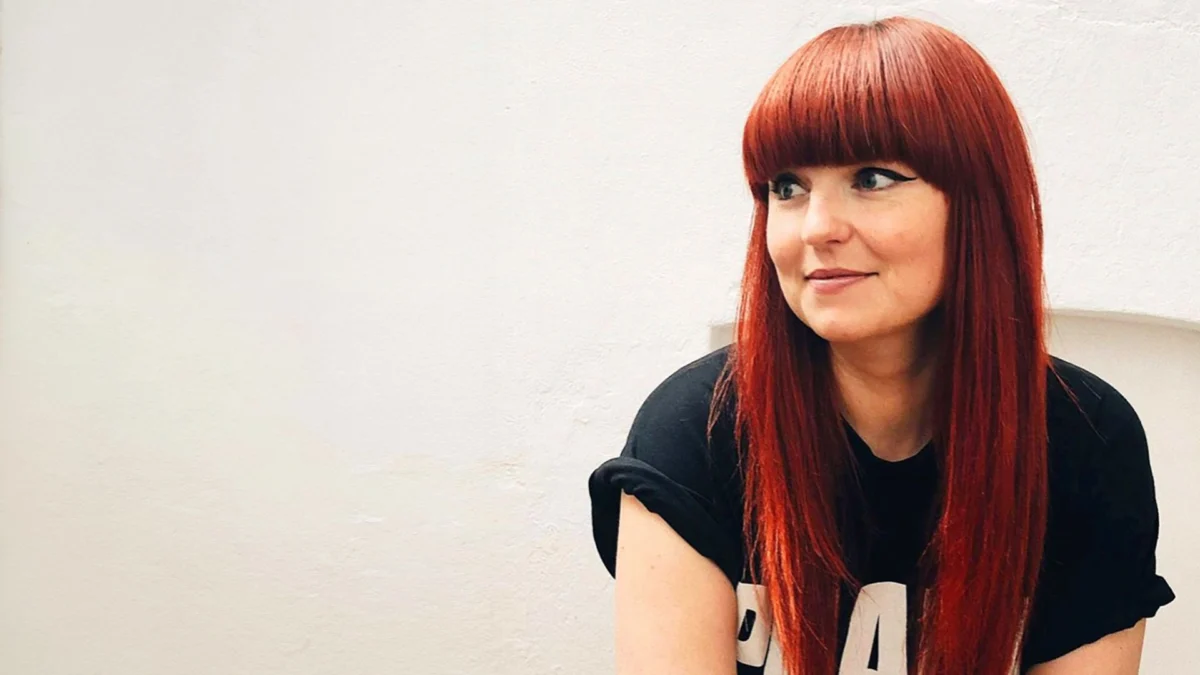
In the fast-paced world of brand strategy and creative direction, few figures bridge the gap between legacy expertise and modern cultural disruption as effectively as Chloë Templeman. As the Executive Creative Director at Pearlfisher, Templeman has become a prominent voice in the global design community, known for her commitment to "irresistible human connection."
With a career spanning 17 years across London’s most prestigious agencies, the Scottish-born creative has shaped the visual identities of industry titans, including Fortnum & Mason, Diageo, and Unilever. However, her influence extends far beyond the boardroom. As a dedicated mentor, she is a vocal advocate for the next generation of design talent and a champion for increasing female representation in high-level leadership roles. In this deep dive, we explore her professional philosophy, her take on the industry’s shift toward automation, and the personal experiences that have defined her journey.
A Legacy of Design Leadership
To understand Chloë Templeman’s approach, one must look at the foundation of her career. After cutting her teeth in the competitive London agency landscape, Templeman honed a philosophy that prioritizes strategy over mere aesthetics. At Pearlfisher, a firm synonymous with transformative brand design, she has spearheaded projects that do not simply exist on a shelf but resonate on a human level.
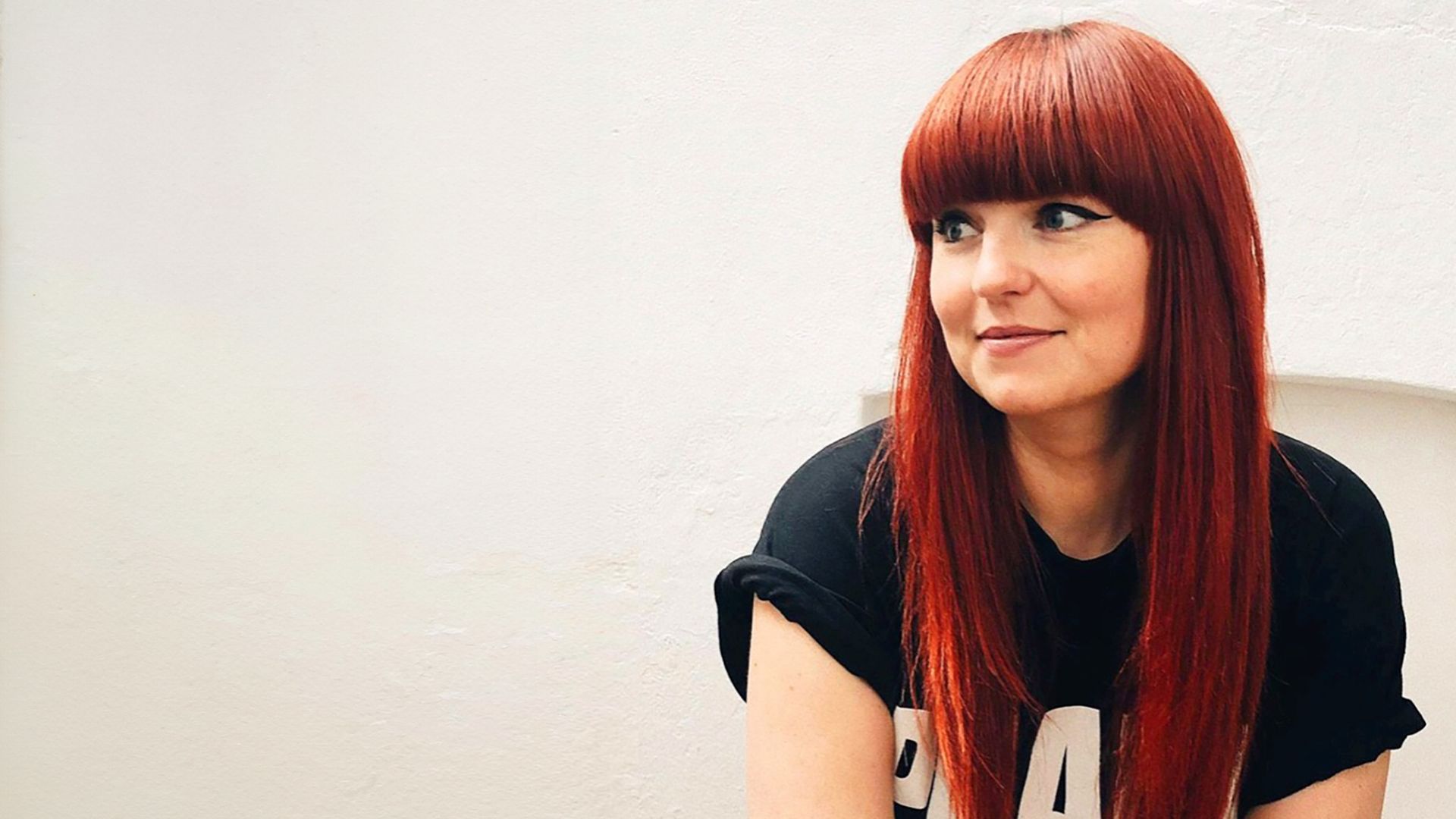
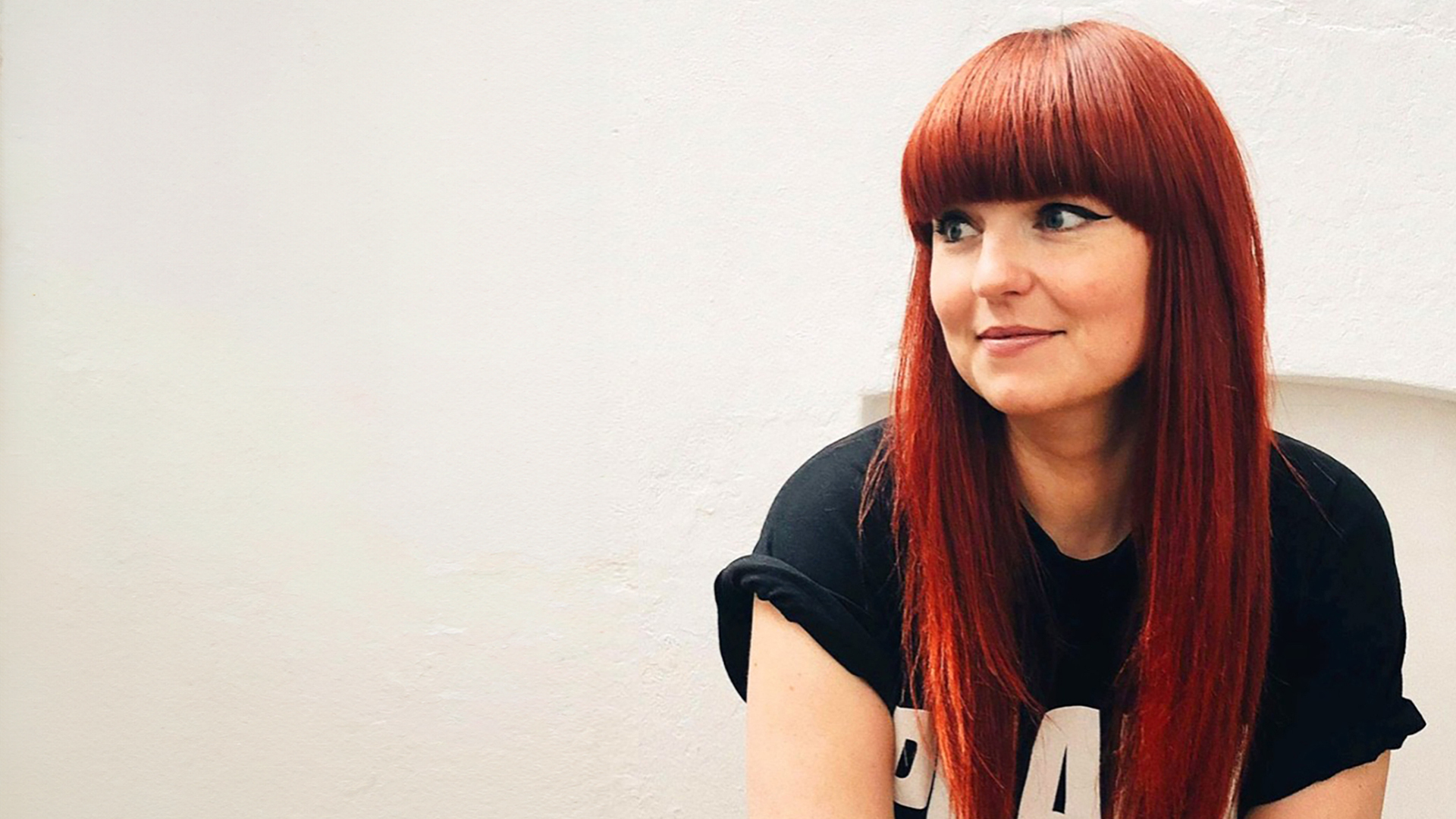
Her transition from a practitioner to a leader was not without its hurdles. Like many in the creative industry, Templeman has been candid about her battles with imposter syndrome. For years, she navigated the psychological weight of stepping into a Creative Director role, frequently comparing her internal process to those of her predecessors. Her realization—that leadership is not about mimicking those who came before but about leveraging one’s unique perspective—serves as a cornerstone of her current mentoring work.
Chronology: From Scotland to the Global Stage
Templeman’s trajectory reflects the evolution of the modern creative director:
- Early Years: Originating from Scotland, Templeman entered the industry with a focus on graphic design fundamentals and brand storytelling.
- The London Agency Era: Spending over a decade and a half in London, she worked across diverse sectors, refining her ability to manage multi-faceted brand identities for household names.
- The Pearlfisher Tenure: Joining the agency, Templeman integrated her technical expertise with the firm’s "strategy-first" ethos, eventually rising to the position of Executive Creative Director.
- Mentorship and Advocacy: Recognizing the disparity in leadership, she intensified her focus on mentorship, specifically working to dismantle the barriers that prevent women from ascending to executive roles.
- The Present: Today, she continues to influence the global design landscape, serving as a judge, speaker, and industry thought leader while managing high-stakes creative operations.
The "Anti-Design" Paradox: Finding Beauty in Chaos
One of the more intriguing aspects of Templeman’s creative outlook is her appreciation for "anti-design." In an era dominated by slick, hyper-minimalist digital interfaces, she sees a vital rebellion occurring in the design world.
"I’m increasingly drawn to the deliberate ‘so bad it’s good’ design trend," Templeman explains. This resurgence—characterized by clashing color palettes, erratic typography, and a "lo-fi" aesthetic—is more than just a nostalgic nod to the early 90s and MS Paint culture. According to Templeman, it represents a necessary injection of playfulness into an overly sanitized design landscape.
For Templeman, this is not about a lack of skill; rather, it is about the "masterful touch" required to make chaos feel intentional. By breaking traditional rules, designers can capture the attention of an audience that has become immune to conventional, polished branding. It is, in her view, a "nostalgic guilty pleasure" that serves as a powerful tool for brands looking to disrupt the status quo.
The AI Debate: A Human-Centric Stance
As generative AI begins to permeate the creative industry, Templeman has emerged as a cautious, though clear-headed, critic. Her primary concern is not the technology itself, but how it is being utilized to bypass the human element of the creative process.

The Danger of Algorithmic Feedback
Templeman’s biggest professional pet peeve is the reliance on AI to provide feedback on creative work. She argues that a machine, by definition, lacks the context, the client’s history, and the emotional intelligence required to judge a creative brief.
"AI is quite literally built on what’s already been done," she notes. When brands use AI to validate their decisions, they inevitably lean toward the "safe" and the "proven." For Templeman, this is the antithesis of innovation. To create something "genuinely brave," the human instinct—the gut feeling—must take precedence over algorithmic consensus.
Striking a Balance
While she warns against handing over decision-making power to machines, she is not a Luddite. She acknowledges that AI can be a useful tool for refining ideas that have already been formed by humans. However, the mandate remains: if the industry wants to produce disruptive design, it must ensure that human perspective, not data, leads the charge.
Implications for the Future of Creative Work
Templeman’s perspective provides a roadmap for the future of creative agencies. As the industry grapples with the tension between efficiency (AI) and authenticity (human design), her philosophy suggests three key shifts:
- The Rise of the "Human-First" Agency: As automated tools become commoditized, the value of human creative intuition will skyrocket. Agencies that prioritize high-level human synthesis will command a premium over those that rely on automated workflows.
- Mentorship as a Metric of Success: Templeman’s focus on the next generation highlights an industry-wide need for structured growth. Success in the future will be defined not just by output, but by the ability to foster talent and create diverse leadership pipelines.
- The 24/7 Creative Mindset: Templeman characterizes creativity not as a 9-to-5 job, but as a "lifestyle." This highlights the intensity of the profession, implying that the most successful creatives are those who naturally observe and synthesize the world at all times.
Conclusion: Embodying "Gaisgeil"
When asked how she would like to be remembered, Templeman turns to her Scottish roots, selecting the word Gaisgeil. Translated as "brave" and "fiercely capable," the term perfectly encapsulates her career trajectory. Whether she is leading a multi-million-dollar pitch, mentoring a junior designer, or critiquing the latest design trends, her approach is rooted in an unwavering determination to do things with passion and integrity.
In an industry that is constantly shifting, Chloë Templeman stands as a reminder that the most powerful design tool will always be the human perspective. As she continues to lead at Pearlfisher, her influence serves as a beacon for those looking to balance the technical demands of the future with the timeless necessity of human connection.
 Iffa Jayyana
 Reynand Wu
 Nila Kartika Wati
