
 By Siti Muinah
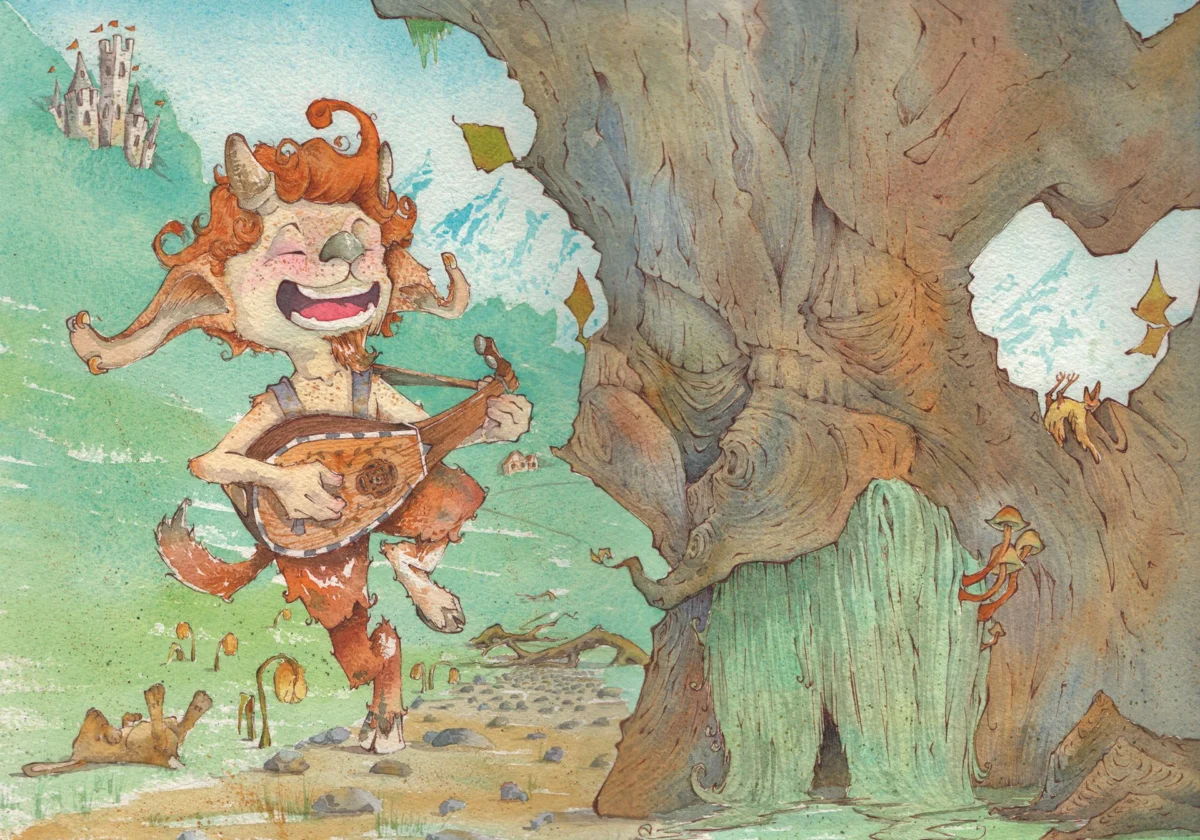
In the coastal town of Plouzané, nestled in the rugged and storied Bretagne region of France, lives an artist whose work feels as though it were pulled directly from the pages of a forgotten folktale. Gabriel Ribeiro, a Brazil-born author and illustrator, has carved out a distinct niche in the world of children’s literature and fantasy illustration. His artistic identity is a rich tapestry woven from the threads of his multicultural upbringing, the magic he discovered in nature as a child, and the transformative, often poignant, experience of living as an immigrant in the United States.
Ribeiro’s portfolio—characterized by the delicate, tactile textures of watercolours and the precision of coloured pencils—invites viewers into a realm where the boundary between the mundane and the magical is delightfully porous. His debut children’s book, The Autumn Fairies, served as a clarion call for his whimsical aesthetic, establishing him as a storyteller who prioritizes emotional resonance and atmospheric world-building.
The Artistic Foundations: A Global Perspective
To understand the depth of Ribeiro’s work, one must first look at the geography of his inspiration. Growing up in Brazil provided the initial spark for his love of the natural world—a theme that remains the cornerstone of his creative output. However, it was his relocation to the United States that introduced a layer of introspective complexity to his work.
The immigrant experience—the sense of being an outsider looking in, the discovery of new landscapes, and the nostalgic pull of one’s origins—has profoundly influenced the way he approaches character design. His characters often possess a sense of quiet longing or adventurous curiosity, mirroring his own journey across borders.
In terms of technique, Ribeiro eschews the cold perfection of purely digital mediums in favor of traditional tools. By utilizing high-quality watercolours and coloured pencils, he achieves a warmth and "humanity" in his illustrations that digital brushes often struggle to replicate. For aspiring illustrators looking to emulate his style, understanding the interplay of these traditional mediums is essential. As Ribeiro often demonstrates, the marriage of fluid, transparent watercolour washes with the sharp, deliberate mark-making of pencils creates a dynamic contrast that gives his fantasy worlds their distinct "lived-in" quality.
Portobello and the Hatmaker: The Power of Silhouettes
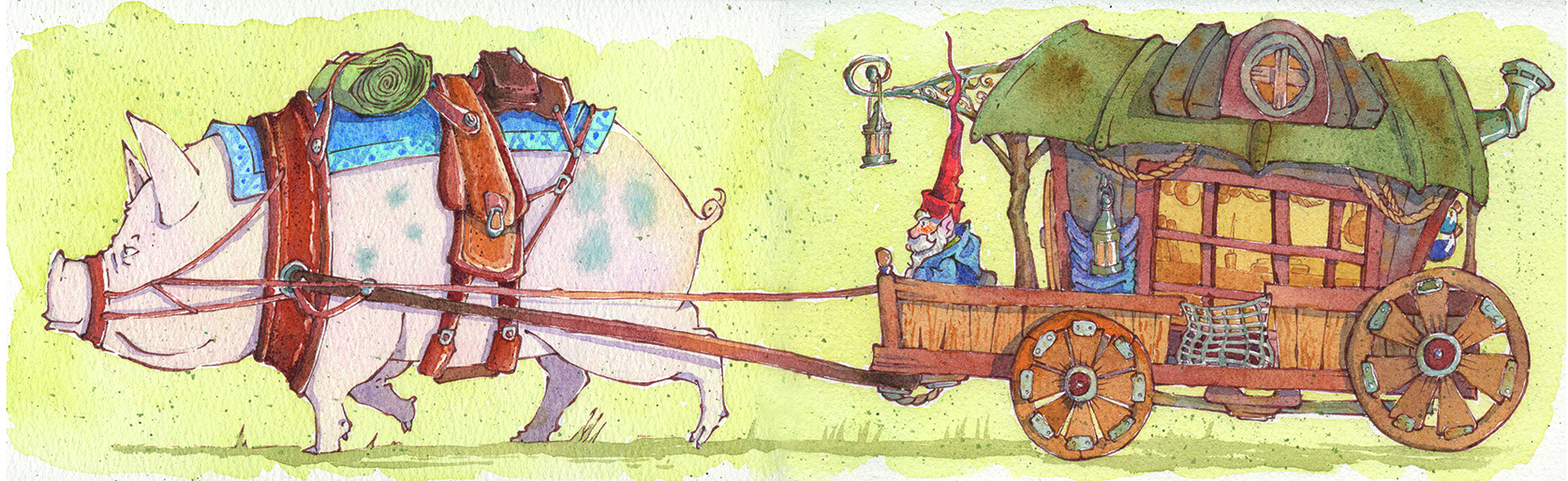
One of the most intriguing aspects of Ribeiro’s process is his focus on visual narrative economy. In his piece Portobello and the Hatmaker, Ribeiro explores how much story can be told within a single frame.
"It is a character study I did for a book that I hope to work on in the future," Ribeiro notes. "I wanted to focus more on creating strong silhouettes and character design, while trying to tell a full story with just a couple of characters."
In professional illustration, the "silhouette test" is a hallmark of good character design; if a character is recognizable solely by their outline, the design is considered successful. Ribeiro’s work here is a testament to this principle. By stripping away unnecessary clutter and focusing on the relationship between the two figures, he creates a narrative tension that compels the viewer to ask: Who are they? Where are they going? What is the nature of their partnership?
Fin and the Foul Root: The Complexity of Planning
While spontaneity is a virtue, growth often requires the rigour of structured planning. Fin and the Foul Root represents a pivotal moment in Ribeiro’s career, marking a shift toward more deliberate pre-production.
"I created this fun concept over the course of a week-long workshop," Ribeiro explains. "It was the most planning that I had ever put into a piece. I began working more with colour compositions and character design before moving on to the final piece."
This project highlights a crucial evolution in his methodology. By dedicating time to colour theory and composition studies before committing to the final illustration, Ribeiro was able to elevate the emotional impact of the scene. This structured approach allows him to guide the viewer’s eye through the narrative, ensuring that the "Foul Root" serves not just as an object, but as a central antagonist or mystery that anchors the entire composition.
Animal Band and the Firewood Brigade: Building a Lore
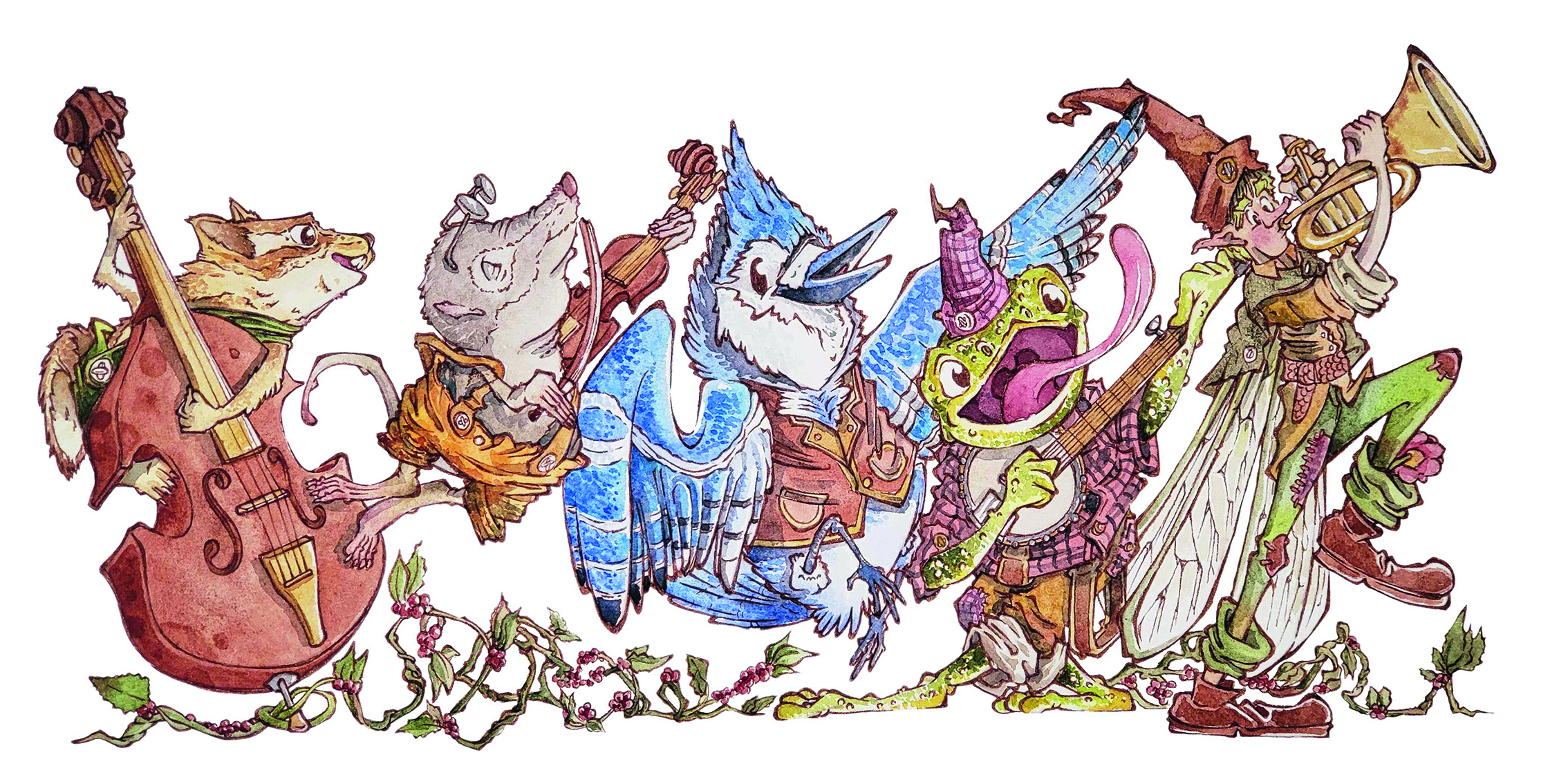
Perhaps the most compelling aspect of Ribeiro’s recent output is his commitment to world-building. Through his illustrations of the Animal Band and the Firewood Brigade, he is doing more than drawing pretty pictures; he is documenting the cultural life of a fictional society.
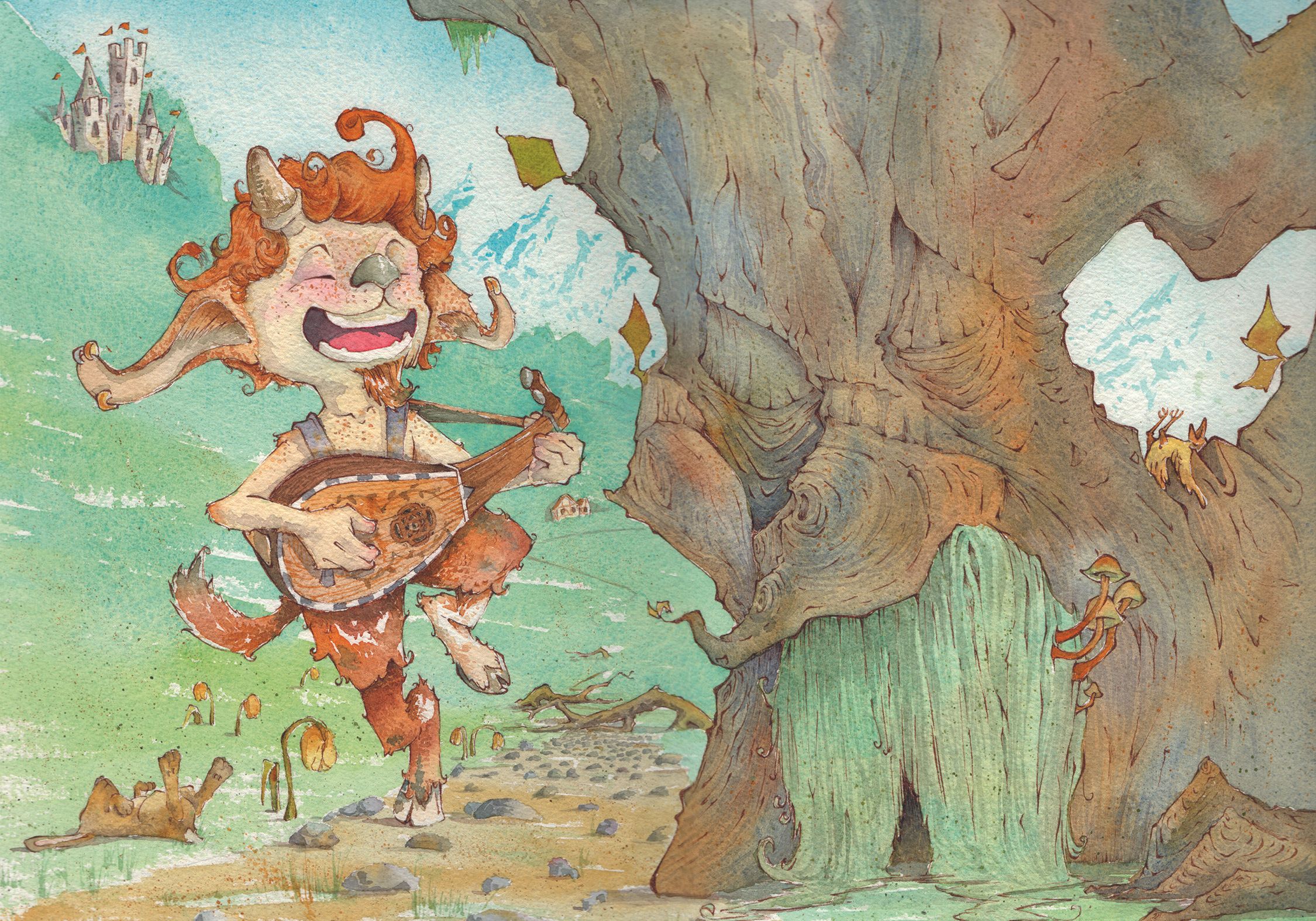
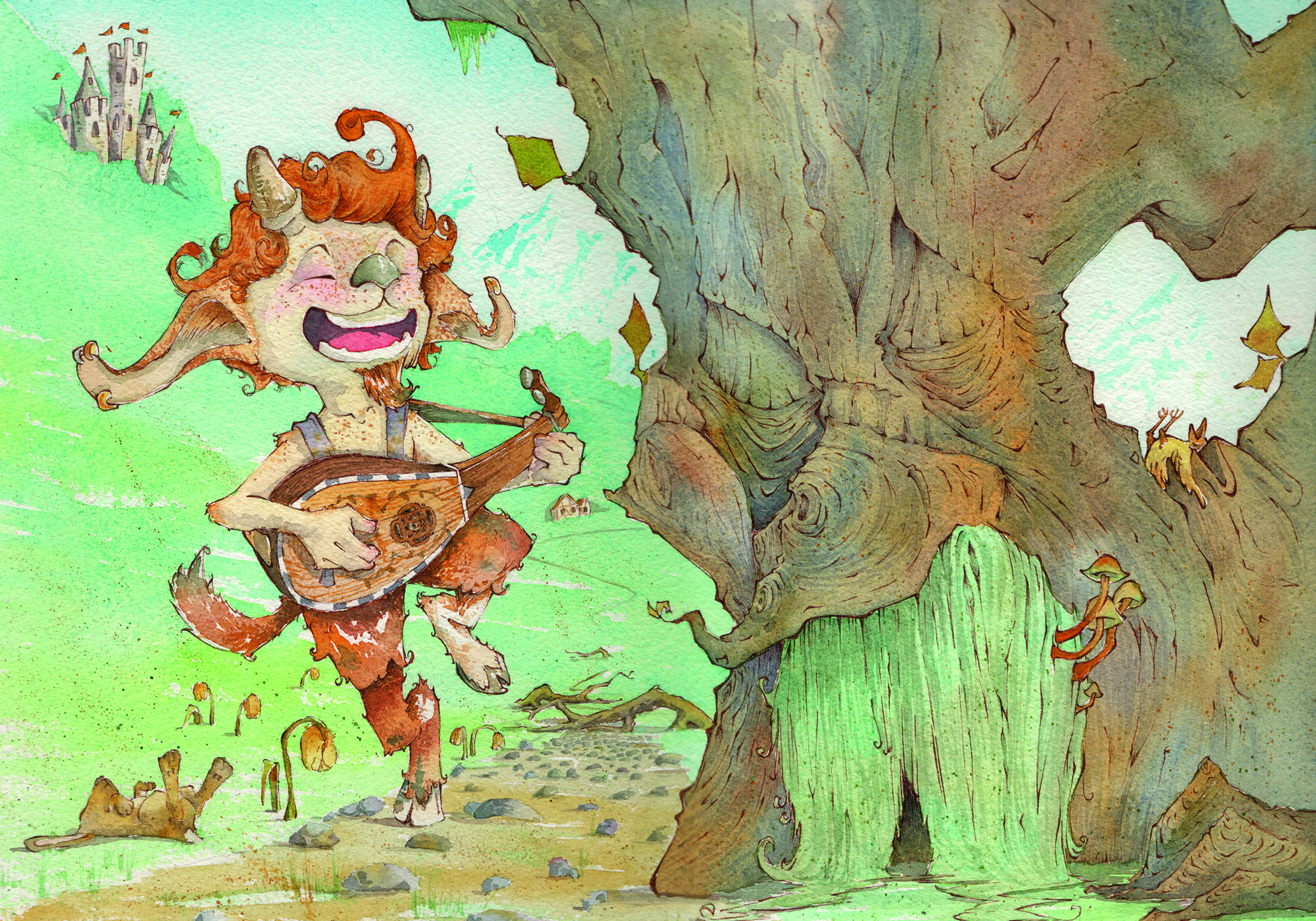
"This was one of the first pieces where I started to work with a warmer colour palette and began to dive a bit deeper into narrative," he says of the Animal Band. "In this story, during every fall, the animals and fairies welcome in autumn by staging a concert and a festival."
He then expanded upon this lore with Firewood Brigade. "I wanted to show more of their village, including glimpses of everyday life. This one depicts the firewood brigade that delivers firewood to all the animals and fae folk on especially cold nights."
This is where Ribeiro’s work transcends mere illustration and enters the realm of myth-making. By creating a consistent environment—a village that operates through seasonal cycles, complete with its own infrastructure (the firewood delivery system)—he creates an immersive experience for the reader. It is this attention to the "everyday life" of fantasy creatures that makes his work feel grounded and relatable.
Technical Proficiency and Tools of the Trade
For those interested in the technical side of Ribeiro’s work, his reliance on traditional tools is a breath of fresh air in an increasingly automated industry. The use of watercolours allows for organic color bleeding, which mimics the unpredictability of nature itself. When combined with the deliberate texture of coloured pencils, the resulting image possesses a depth of field that draws the eye into the paper.
Aspiring artists who wish to explore these mediums are encouraged to invest in high-quality paper that can withstand water manipulation and pigments that offer high lightfastness. Whether it is the soft glow of a twilight forest or the crisp details of a character’s attire, the physical interaction between the artist’s hand and the medium is what gives Ribeiro’s work its unique soul.
Implications for the Future of Children’s Illustration
The trajectory of Gabriel Ribeiro’s career offers a hopeful look at the future of children’s illustration. In an era dominated by AI-generated imagery and hyper-slick digital rendering, there is a renewed hunger for work that feels personal, hand-crafted, and deeply rooted in the human experience.
Ribeiro’s success suggests that the market for "slow art"—work that requires time, research, and emotional investment—is not only alive but thriving. By prioritizing character-driven storytelling over spectacle, he demonstrates that the most enduring images are those that invite the viewer to linger, to wonder, and to participate in the narrative.
As he continues to develop his future book projects, the art community will undoubtedly be watching to see how his unique blend of Brazilian heritage and French-based inspiration continues to evolve. His work serves as a reminder that regardless of where we come from or where we reside, the universal language of wonder is the most powerful tool in an illustrator’s kit.
For those eager to follow his creative journey, Ribeiro’s website acts as a digital gallery for his ongoing projects. His work stands as a testament to the idea that with enough passion, a few pencils, and a well-placed splash of watercolour, an artist can build an entire world from scratch.
This article originally appeared in the pages of ImagineFX, the world’s leading digital art magazine for fantasy and sci-fi enthusiasts. To explore more in-depth interviews with leading artists and receive expert training, subscribe to ImagineFX for the latest insights into the evolving landscape of creative design.
 Iffa Jayyana
 Reynand Wu
 Nila Kartika Wati
