
 By Nana
By Global Brand Strategy Desk
Published: March 2026
Main Facts
The paradigm of human-computer interaction has undergone a fundamental transformation. Technology is no longer merely a tool that humans operate from the outside; it has evolved into an immersive, living environment where users reside. As artificial intelligence redefines digital touchpoints, commercial interactions have shifted decisively from static transactions to dynamic, context-aware conversations.
In this emerging "agentic economy," artificial intelligence agents act autonomously on behalf of both consumers and corporations. This shift has rendered traditional branding frameworks—such as the classic 12-brand archetype model established 25 years ago—insufficient for guiding modern corporate identity.
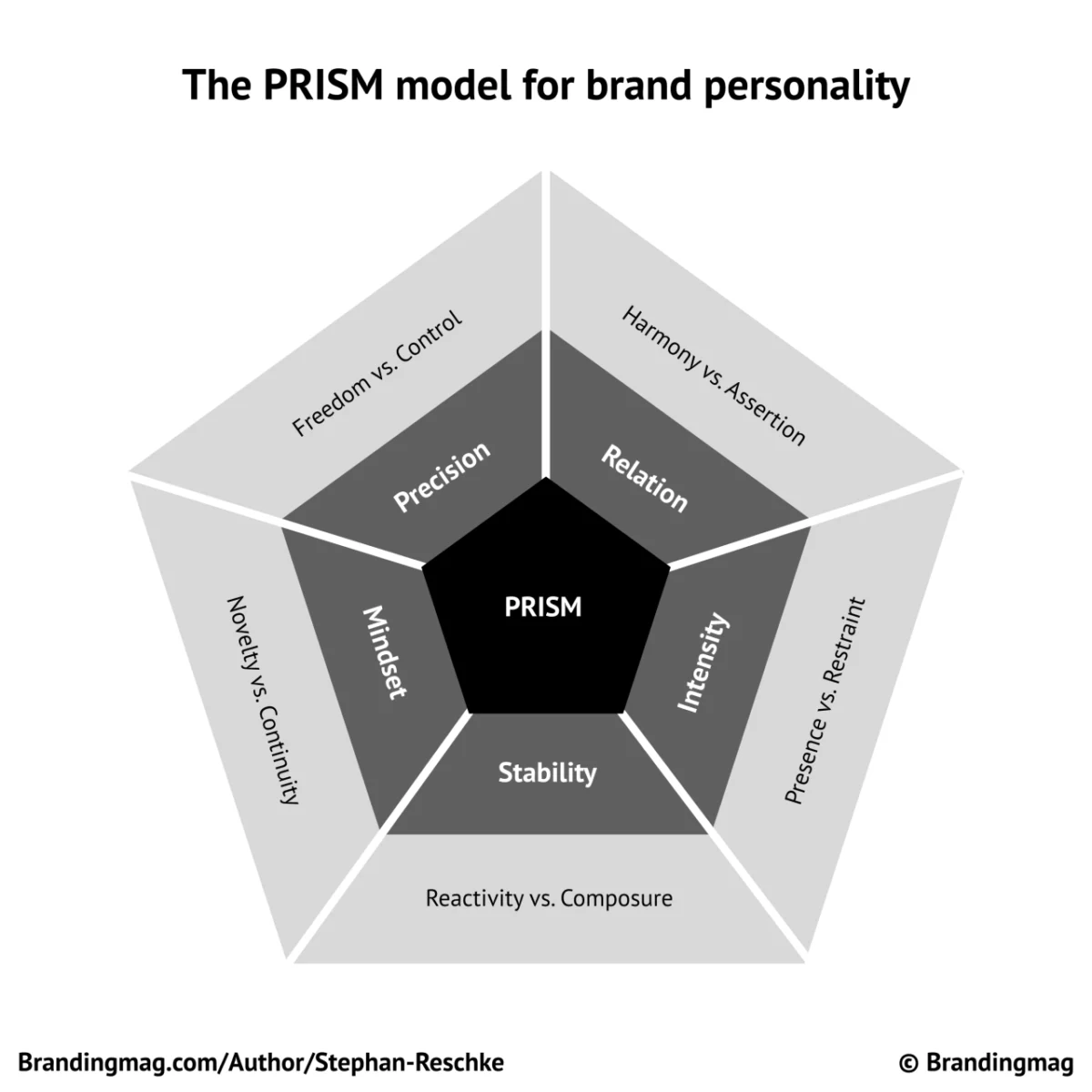
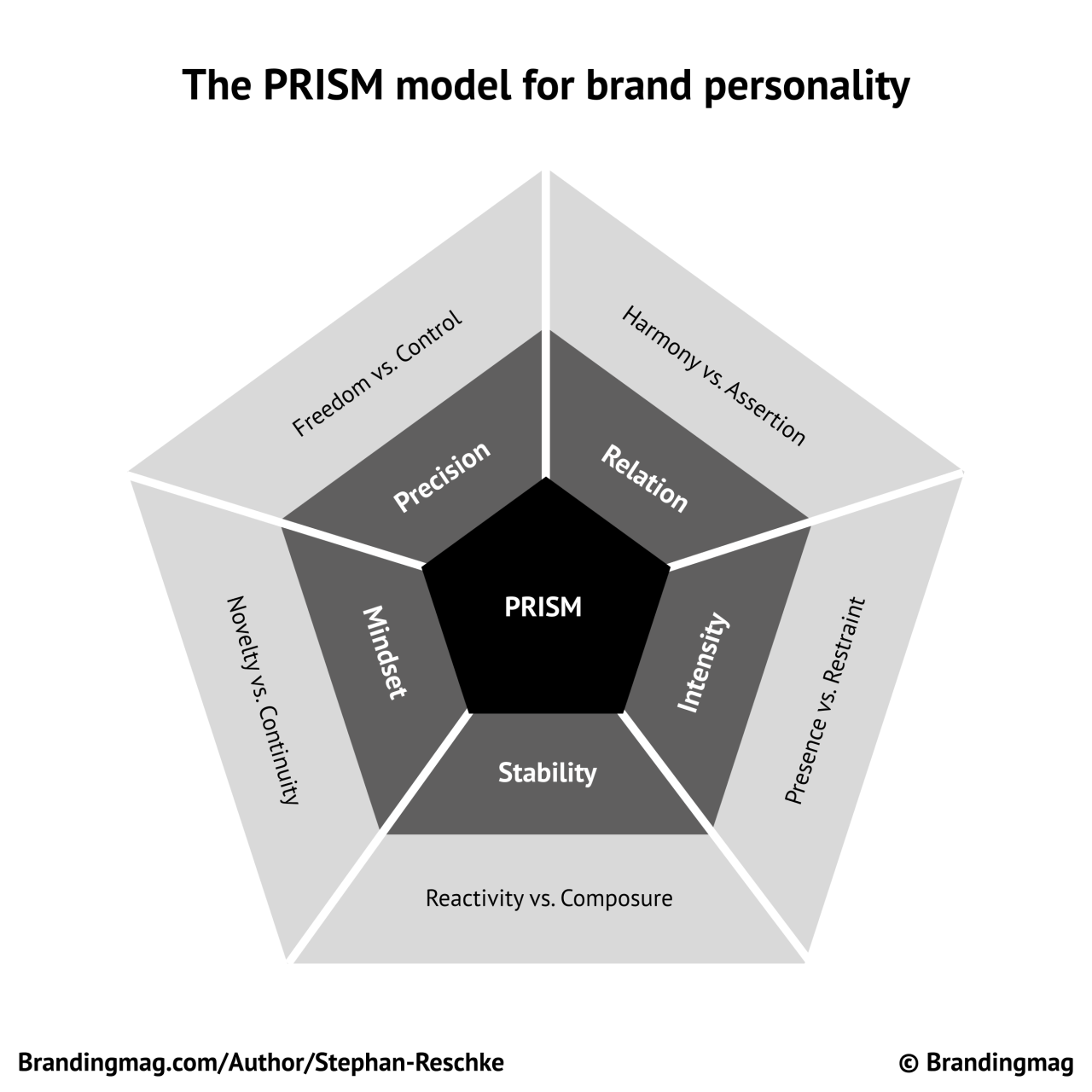
To bridge this strategic gap, industry experts have introduced the PRISM model. Adapted from the human psychology framework known as the "Big Five" or OCEAN model, PRISM maps out a brand’s personality across five core domains, each broken down into granular, measurable characteristics. This model provides the technical and behavioral architecture required for AI systems to read, understand, and authentically render a brand’s unique identity, laying the groundwork for what marketing visionaries now term "Agentic Lovemarks."
Chronology: The Evolution of Brand Connection
To understand why the PRISM model is necessary today, one must trace the historical evolution of how brands forge emotional bonds with consumers.
- Early 20th Century (The Advent of Emotional Marketing): Marketing professionals first began integrating psychology into commercial advertising. Pioneers recognized that surface-level product features were insufficient for driving sustained commercial growth; instead, tapping into human emotions was the key to unlocking long-term customer loyalty and repeat business.
- The Late 20th Century (The Humanization of Things): As consumer markets saturated, brands needed to become more "connectable." Corporations realized that for humans to feel an emotional attachment to an inanimate product or company, that entity needed a recognizable personality.
- 2001 (The Archetype Revolution): Authors Margaret Mark and Carol Pearson published The Hero and the Outlaw, introducing the 12-brand archetype model to the world. This human-inspired personality framework provided marketers with a rational guide to irrational consumer behavior, dictating how a brand should look, speak, and behave.
- The 2020s (The Rise of Conversational AI): Technology transitioned from visual and transactional interfaces to conversational, AI-driven environments. Artificial intelligence moved from merely displaying pre-existing information to actively generating new context, content, and real-time experiences.
- Recent Developments (The Agentic Shift): Former Saatchi & Saatchi Netherlands CEO Arjan Kapteijns redefined Kevin Roberts’ classic concept of a "Lovemark" for an AI-infused world, introducing "Agentic Lovemarks." Simultaneously, former Philips and ASML brand leader Thomas Marzano published his manifesto, Brand Constitutions, introducing the "Legible-Lovable Law."
- March 2026 (Introduction of the PRISM Model): Experts unveil the PRISM model as a direct response to the operational demands of the agentic economy, giving brands a granular, tech-savvy personality framework designed specifically for Large Language Models (LLMs) and autonomous AI agents.
Supporting Data and Conceptual Frameworks
The transition from human-managed marketing to machine-orchestrated brand experiences is supported by several foundational theories and structural laws that are reshaping modern enterprise strategy.
1. The Limitations of Legacy Archetypes
While the 12-brand archetype model successfully served the digital and physical landscapes of the late twentieth and early twenty-first centuries, it struggles in a 1-on-1 conversational AI environment. Archetypes are broad, macro-level categories (e.g., The Hero, The Jester, The Sage).

When an AI agent is instructed merely to follow a broad archetype during a customer interaction, the lack of granular instruction leads to high variance. In practice, leaving too much room for algorithmic interpretation is the equivalent of generating a completely different corporate logo every time a consumer searches for a brand.
2. The Legible-Lovable Law
Thomas Marzano’s Brand Constitutions framework establishes a dual requirement for brands operating in an AI-driven marketplace:
- Legible to AI: The brand’s identity, values, and behavioral parameters must be structured so that algorithms can easily read, parse, and accurately render them. If an AI cannot decipher a brand’s digital DNA, the brand will never be recommended by autonomous shopping or lifestyle agents.
- Lovable to Humans: Despite being mediated by machines, the ultimate endpoint of the interaction must still resonate emotionally with human decision-makers.
3. The Architecture of the PRISM Model
Derived from the psychological OCEAN ("Big Five") model, the PRISM model translates human personality traits into a brand-safe, operational framework. It categorizes corporate personality across five core domains:
- Mindset and Cognitive Style: How the brand processes information, approaches problem-solving, and views innovation versus tradition.
- Communication Dynamics: The rhythm, structure, and adaptability of the brand’s verbal and written expressions.
- Behavioral Execution: How the brand acts in dynamic scenarios, reflecting its core values through reactive and proactive choices.
- Emotional Resonance: The specific emotional triggers and empathetic ranges the brand deploys to connect with human users.
- Relational Stance: The posture the brand adopts relative to its audience—ranging from authoritative expert to peer-level collaborator.
Each domain is evaluated across six distinct, scalable characteristics, offering the precise nuance required to prevent generic AI responses and maintain consistent brand integrity across millions of simultaneous micro-interactions.
Official Perspectives and Expert Commentary
Industry leaders have been vocal about the urgent need to operationalize brand strategy for the agentic economy.
Arjan Kapteijns, reflecting on his modernization of the Lovemark concept, emphasizes that the fundamental objective of branding remains unchanged: "The base remains the need to create emotional connection; it’s just that that connection is now orchestrated by machines." Kapteijns points out that consumers are increasingly placing their trust not just in human entities, but in the digital agents that represent them and curate their choices.
Thomas Marzano expands on this operational reality through his concept of the "Experience Engine." According to Marzano, modern corporations can no longer rely on static campaign PDFs or brand guidelines hidden in corporate intranets. Instead, brand identities must be embedded directly into system prompts and web infrastructures.
"In an agentic economy, brands need to be both legible to AI in order to be recognized and recommended by the machine, and lovable by humans in order to be relevant in their decision making," Marzano notes in his Brand Constitutions manifesto. Without a technical framework like PRISM, interactions mediated by Large Language Models risk devolving into sterile, generic exchanges devoid of authentic corporate character.
Strategic Implications for Modern Enterprises
The widespread adoption of the PRISM model and the rise of Agentic Lovemarks carry profound implications for marketing executives, Chief Technology Officers, and brand custodians worldwide.
Shift from Campaigns to Brand Language
As voice-driven technology and conversational AI displace traditional visual advertising mediums, language becomes the primary brand touchpoint. LLMs do not read advertising campaigns; they consume data, analyze conversational context, and generate real-time content. Consequently, businesses must pivot from producing episodic marketing campaigns to engineering robust, living brand languages.
Integration into System Prompts and Digital Infrastructure
With frameworks like PRISM, brand strategy moves out of design handbooks and directly into the code. Corporations must encode their PRISM metrics into system prompts, APIs, and web infrastructures. This ensures that whether a customer interacts with a brand via a corporate chatbot, a third-party shopping agent, or an ambient voice assistant, the output remains distinctly on-brand.
Overcoming Uncertainty Through Active Engagement
The rapid acceleration of artificial intelligence naturally breeds anxiety among marketing professionals who fear the loss of control over their brand equity. However, industry experts agree that the most effective antidote to this uncertainty is proactive exploration. By experimenting with advanced frameworks like PRISM, organizations can future-proof their operations, ensuring they maintain deep, resonant human connections in a world increasingly run by autonomous machines.
The conversations defining the future of commerce have already begun. For brand leaders looking to secure their place on both human and AI shortlists, the time to adopt agentic-ready frameworks is now.
 Evan Lee Salim
 Ali Ikhwan
 Dwi Wanna
