
 By Muslim
By Erin Rodrigue
If you ever sent a Facebook poke, changed your Top 8 on Myspace, or lived through the awkward early days of digital networking, there is a strong chance this analysis is about you.

Millennials have been online since the embryonic days of web communities. Today, they are older, busier, and significantly pickier about what commands their attention. Yet, despite the non-stop industry chatter surrounding Generation Z and the nascent rise of Gen Alpha, brands that write off Millennials are committing a critical financial error.
Entering 2026, Millennials—born between 1981 and 1996 and currently aged 30 to 45—occupy a unique dual position. They are digital pioneers who remember a world before smartphones, yet they hold the largest global disposable income and aggregate purchasing power of any living generation. Understanding how this cohort navigates the digital landscape is no longer just a nostalgic exercise; it is an absolute prerequisite for modern brand survival.

Main Facts: The Intersection of High Engagement and Heavy Wallets
The prevailing narrative in modern marketing often posits that younger generations hold an absolute monopoly on social media attention. Data tells a vastly different story. While Gen Z may dominate visual-first, ephemeral platforms, Millennials remain remarkably active across a diverse digital ecosystem.
According to a recent media consumption report, 79% of Millennials used YouTube in the past month, 71% checked Facebook, and 54% actively engaged with Instagram. Furthermore, they are hitting their absolute prime earning years. Euromonitor data confirms that Millennials command the largest total income globally.
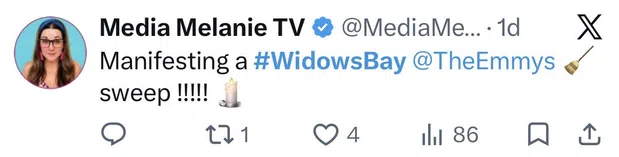
Unlike younger demographics who often treat social media purely as an immersive entertainment destination, Millennials integrate platforms seamlessly into a broader lifestyle. They use social channels for product discovery, cultural connection, continuous learning, and news consumption. They are pragmatic shoppers who leverage peer reviews and creator recommendations, bridging the gap between digital research and real-world transactions.
Chronology: From Early Adopters to Prime Consumers
To understand the modern Millennial social media user, it is helpful to trace how their relationship with technology has evolved over the past two decades:
- The Web 2.0 Genesis (Mid-2000s): As teenagers and college students, Millennials built the foundational culture of modern social media on platforms like Myspace, early Facebook, and message boards. They pioneered digital self-expression, daily vlogging, and online community building.
- The Mobile Transition (2010s): Entering the workforce, this generation drove the adoption of smartphones, Instagram, and Twitter. They became the first demographic to document their daily lives in real-time, inventing micro-influencer culture before brands had formal budgets for it.
- The Maturity Shift (Early 2020s): As career demands, mortgages, and parenthood set in, Millennial media consumption habits fragmented. Social platforms shifted from places of idle amusement to utilities for problem-solving, newsgathering, and targeted community connection.
- The 2026 Reality: Today, Millennials balance established networks (YouTube, Facebook) with newer, text-forward or community-centric platforms like Reddit, Threads, and Bluesky. They view social media as an efficient tool to navigate a complex, busy adult life.
Supporting Data: How Millennials Differ From Gen Z
Conflating Millennials with Gen Z is one of the most common pitfalls facing contemporary marketing teams. While the two cohorts share certain digital habits, their underlying motivations and platform interactions diverge sharply.
| Metric / Behavior | Millennials (Aged 30–45) | Gen Z |
|---|---|---|
| Role of Social Media | Utilized alongside TV, streaming, and professional workflows as part of a blended media diet. | Frequently viewed as a primary, standalone entertainment and destination platform. |
| Platform Ecosystem | Active across legacy and emerging networks: YouTube, Facebook, Instagram, Reddit, Threads. | Concentrated on visual-first apps: TikTok, YouTube Shorts, Instagram Reels, Snapchat. |
| Social Commerce Journey | Use social for discovery, research, and social proof, but often complete purchases on brand websites. | Highly comfortable completing direct financial transactions natively within social apps. |
| Customer Care Expectations | Demand high responsiveness; quick to abandon brands following a poor service experience. | Expect fast service, but display slightly higher tolerance for operational delays. |
Key Content Drivers
- Short-Form Video: 43% of Millennials prefer videos under 15 minutes over long-form content, appreciating quick, digestible insights.
- Life-Stage Relevance: 74% follow creators who openly discuss personal life milestones, career changes, or financial planning.
- Fandom Consistency: 56% report that the time and financial investment they dedicate to personal fandoms has remained steady throughout their adult lives.
- Trust in Peer Reviews: Over half (52%) of Millennials state that authentic customer testimonials and peer reviews are the single greatest influence on their buying decisions.
Official Responses and Industry Perspectives
Navigating the nuances of this generation requires expert insight. Heather Hildebrandt, Founder and Brand Strategist at Brightcraft Studios, warns against lazy demographic generalizations.
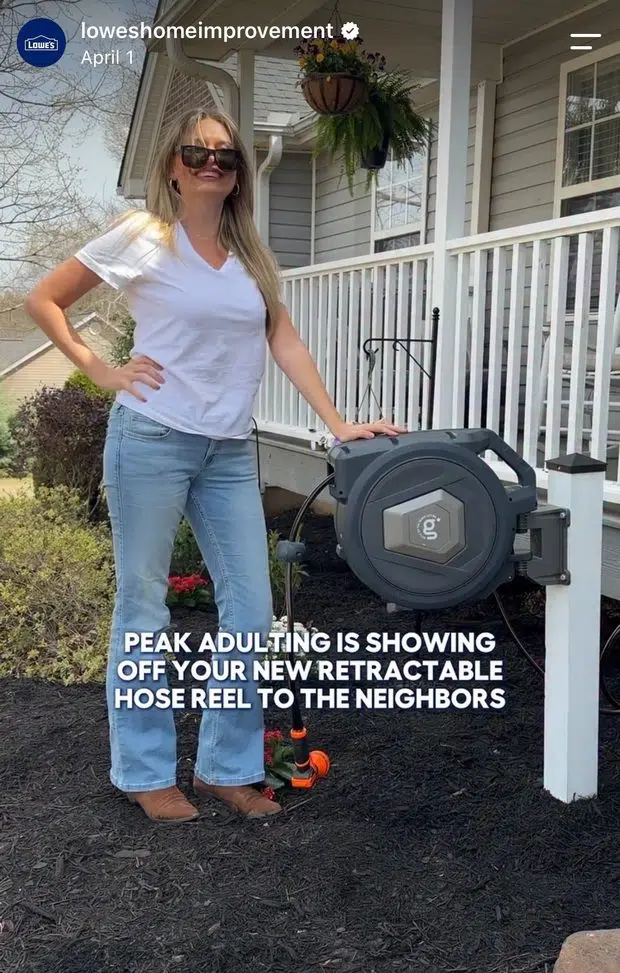
"I see Millennials get lumped into marketing that assumes they’re the age of Gen Z, who are in an entirely different point in their lives and see the world differently," Hildebrandt observes.
According to Hildebrandt, this mischaracterization goes beyond a simple messaging error—it actively alienates the consumer. "It rubs them the wrong way and leaves them feeling dismissed of what their generation is uniquely going through."
Furthermore, the proliferation of artificial intelligence has heightened consumer skepticism. Hildebrandt notes that Millennials, stretched thin by professional and familial responsibilities, have zero patience for manufactured corporate sincerity.
"Their time is limited and they aren’t going to spend it with brands that don’t establish trust and see their day-to-day reality," she states.

Strategic Implications: How Brands Can Win in 2026
To capture the attention—and wallets—of Millennials, marketing strategies must pivot away from generic, age-based stereotypes toward value-driven connection. Industry leaders recommend six foundational pillars:
1. Meet Them on Multi-Generational Platforms
There is no single "Millennial app." Brands must evaluate their specific analytics to locate their audience across YouTube, Facebook, Instagram, and Reddit, focusing energy where engagement is organic rather than forcing a presence everywhere.
2. Segment by Need, Not Just Age
Treating all 35-to-45-year-olds as a monolith fails because their life stages vary wildly—from new homeowners and parents to career changers and intentional single professionals. Segment by lifestyle needs, whether that is expert advice, financial confidence, or lifestyle inspiration.
3. Humanize the Brand
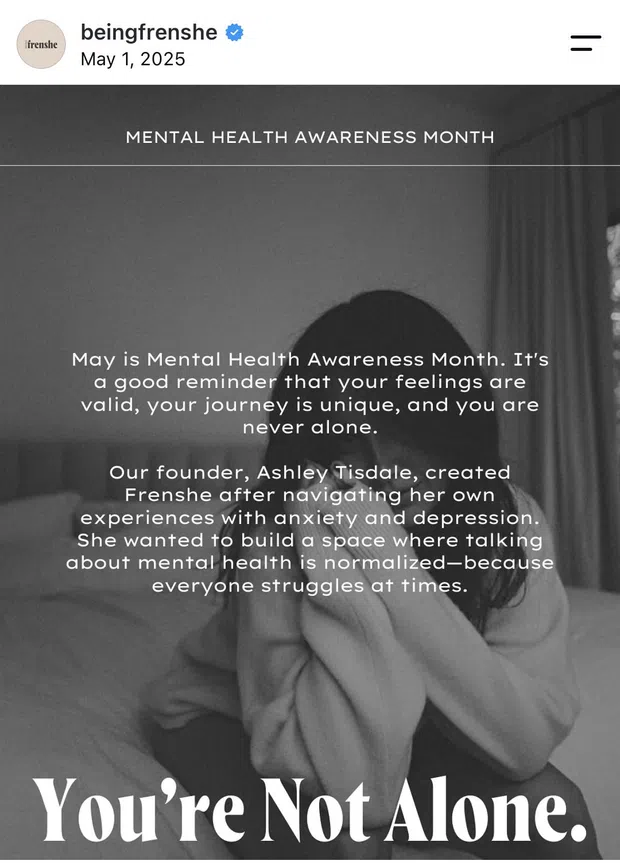
Millennials want to know who is behind the logo. Brand storytelling must feature real employees, founders, and creators. Furthermore, data indicates that 51% of Millennials and Gen Z expect brands to take a authentic public stand on cultural or social issues—provided those stances align naturally with the brand’s core mission, as seen in wellness brand Frenshe’s open advocacy for mental health awareness.

4. Prioritize Authentic Storytelling Over Polished Ads
A shaky, 30-second customer testimonial often outperforms a heavily produced campaign shoot. Connection trumps polish; content must feel native to the social feed rather than disruptive.
5. Partner with Trusted Creators
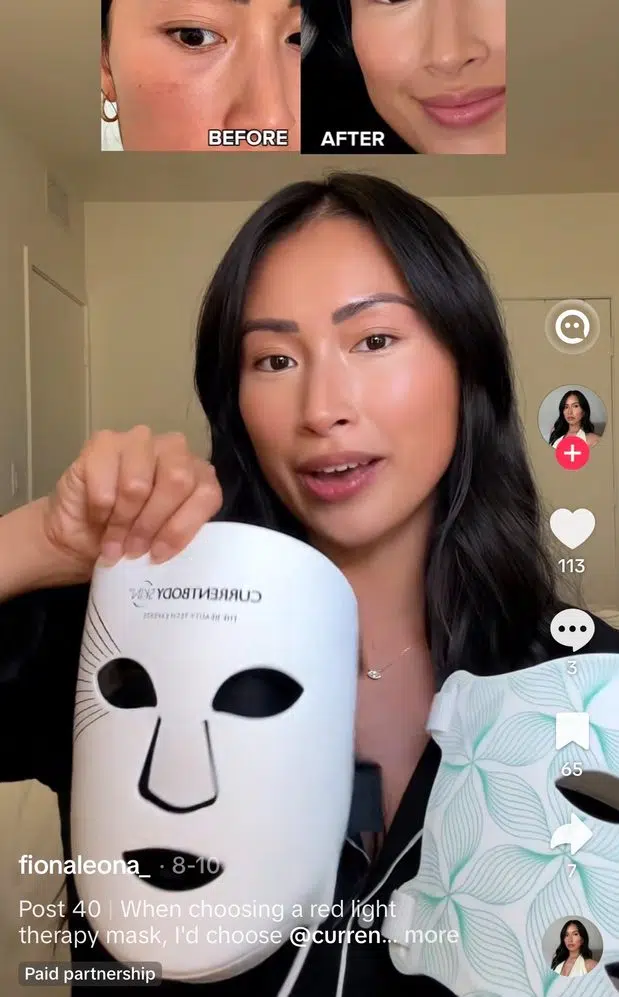
Because Millennials grew up alongside digital creators, they possess a refined radar for inauthentic sponsorships. Partnering with established influencers whom audiences already trust accelerates credibility, provided the partnership is a genuine fit.
6. Practice Active Social Listening
Guessing what Millennials want is a losing game. Leveraging modern social listening tools allows brands to monitor millions of online conversations, extracting real-time sentiment data, tracking niche community trends, and building strategies grounded in factual audience behavior.
Conclusion
Millennials are no longer the wide-eyed digital newcomers of the early 2000s. They are mature, economically dominant consumers navigating complex adult lives. Brands that successfully bridge the gap between attention and trust—utilizing robust planning platforms like Perch and deep-listening analytics like Lumen—will find that Millennials remain the most reliable growth engine in the modern digital marketplace.
 Neng Nana
 Ammar Sabilarrohman
 Jia Lissa
