
 By Nila Kartika Wati
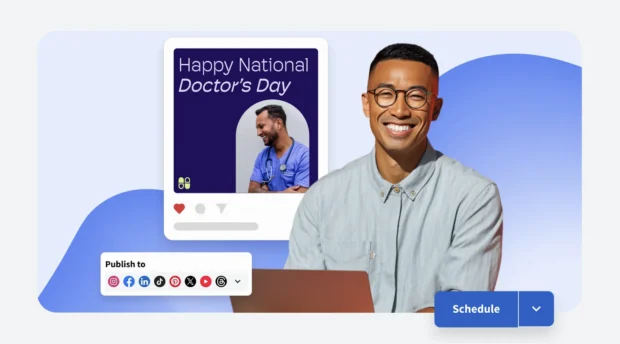
In an era defined by consumer skepticism toward traditional advertising and corporate messaging, modern enterprises are looking inward to find their most effective marketing asset: their own workforce. Employee advocacy—the practice of staff members promoting their employer on personal social networks—has evolved from an experimental marketing tactic into an essential enterprise strategy.
As trust in institutional logos continues to wane, companies leveraging internal thought leadership are seeing exponential jumps in reach, higher-quality job applicant pools, and more deeply connected company cultures.

Main Facts: What is Employee Advocacy?
At its core, employee advocacy involves team members—ranging from front-line staff to executive leadership—sharing company updates, industry insights, and cultural milestones on their personal social media accounts. While the practice predominantly takes place on professional networks like LinkedIn, it also spans platforms like X (formerly Twitter), TikTok, Instagram, and specialized industry Slack communities.
Advocacy generally falls into two categories:

- Organic Advocacy: Employees voluntarily sharing company news or personal perspectives because of genuine alignment and pride.
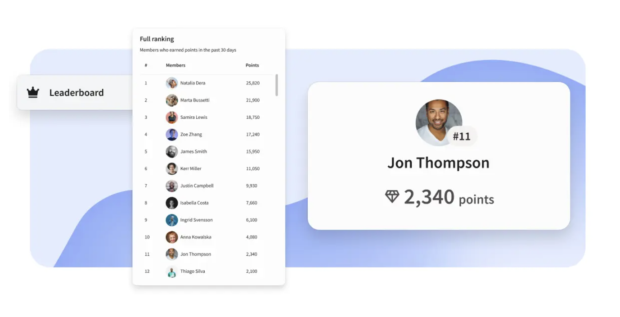
- Structured Advocacy: Formal corporate programs utilizing platforms (such as Hootsuite’s Parliament) to provide curated content libraries, regulatory guidelines, and streamlined sharing tools.
Industry data underscores the potency of this approach. According to the 2026 Edelman Trust Barometer, ordinary individuals and employees remain among the most trusted voices globally, outperforming corporate announcements. Statistics show that employee-driven content routinely travels significantly farther than posts originating from corporate brand pages simply because social media algorithms prioritize personal profiles. Furthermore, employee networks are, on average, ten times larger than a company’s official follower base.
Chronology: From Word-of-Mouth to Scaled Enterprise Programs
The evolution of employee advocacy tracks alongside the maturation of social media in the corporate world.
- The Early Days (Early 2010s): Companies initially relied on ad-hoc encouragement, asking workers to occasionally "like" or "retweet" major corporate announcements. These efforts were largely unmeasured and lacked formal structure.
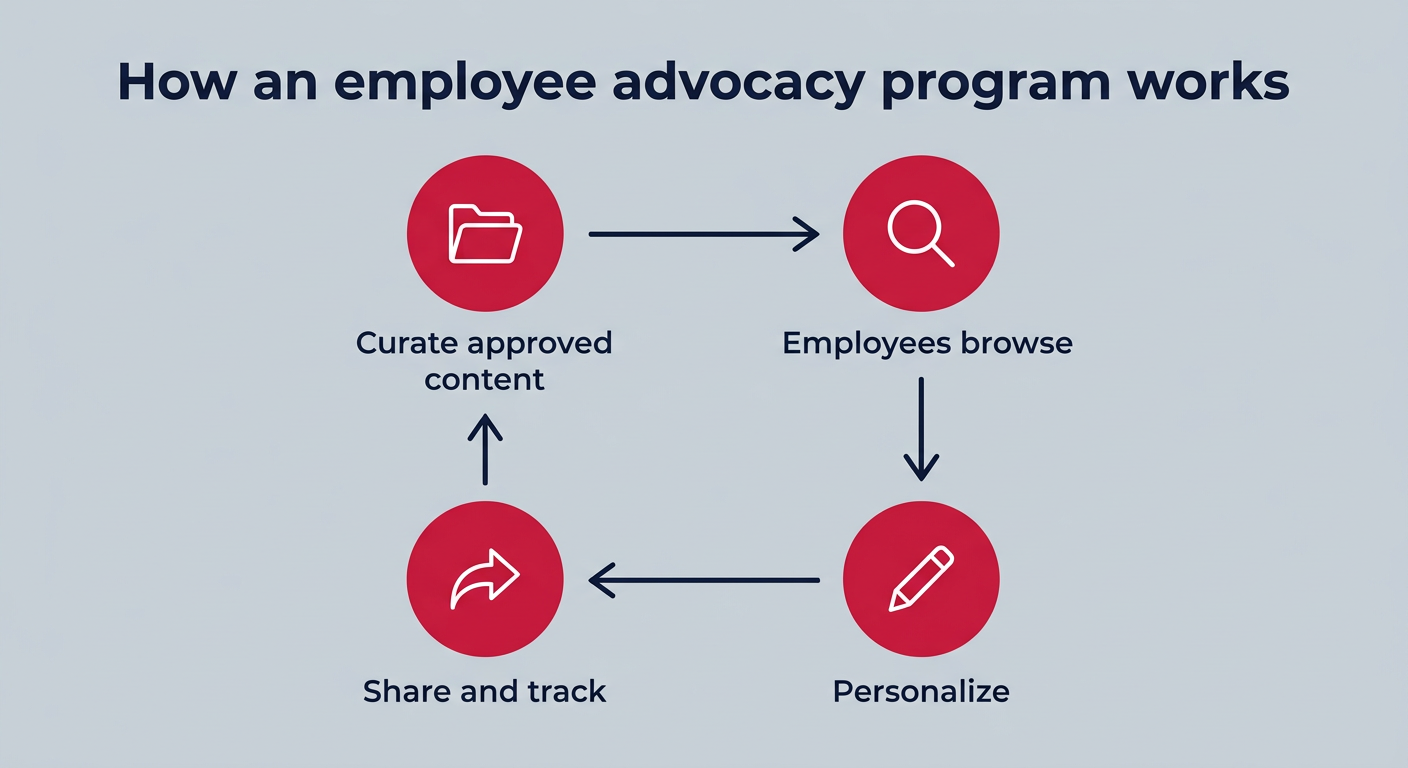
- The Rise of Dedicated Platforms (Mid-to-Late 2010s): Recognizing the massive reach of personal profiles, organizations began building or adopting specialized advocacy software. This era introduced centralized dashboards where communications teams could drop pre-approved links for staff to easily distribute.
- The AI and Automation Era (2025–Present): Today, employee advocacy has entered a sophisticated phase powered by artificial intelligence. Modern platforms now use AI orchestration layers (such as Hootsuite’s Wisdom) to automatically surface relevant industry news, draft contextual posts conversationally, and match team members with content that suits their specific expertise. What was once a tedious manual task is now seamlessly integrated into everyday enterprise communication tools like Slack and Microsoft Teams.
Supporting Data: Real-World Results and Metrics
The business impact of employee advocacy is no longer theoretical; measurable outcomes across multiple industries prove its bottom-line value.
1. Carahsoft: Boosting Web Traffic and Event Registrations
IT solutions provider Carahsoft integrated structured employee advocacy to amplify partner and event content. By empowering their workforce to share updates organically through centralized tooling, the company recorded:
- 8,700 new website visits directly attributed to employee posts.
- Up to 35% of total event registrations driven entirely by employee-shared content.
2. Athletico Physical Therapy: Expanding Community Reach
Athletico engaged its network of physical therapists, athletic trainers, and recruiters to share professional stories and milestone campaigns (such as National Physical Therapy Month). By streamlining the sharing process, the organization achieved a 40% growth in overall reach and deeper local community engagement.
3. DaVita: Supercharging Recruitment
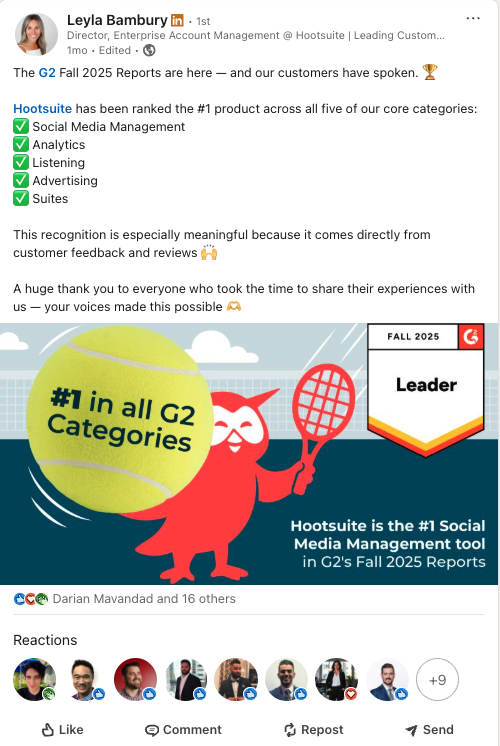
Global healthcare provider DaVita utilized employee advocacy specifically for employer branding. By encouraging staff to share authentic behind-the-scenes experiences and career growth stories, DaVita achieved:
- A 136% increase in traffic moving from LinkedIn to its career page.
- A 27% year-over-year lift in job applications originating from social media channels.
Official Responses and Strategic Best Practices
Enterprise marketing leaders emphasize that successful advocacy programs require a delicate balance between structure and authenticity. Overly polished corporate jargon quickly alienates audiences on platforms like LinkedIn, where users crave raw expertise and human connection.
Eileen Kwok, a veteran social and influencer marketing strategist, stresses the importance of personal voice:
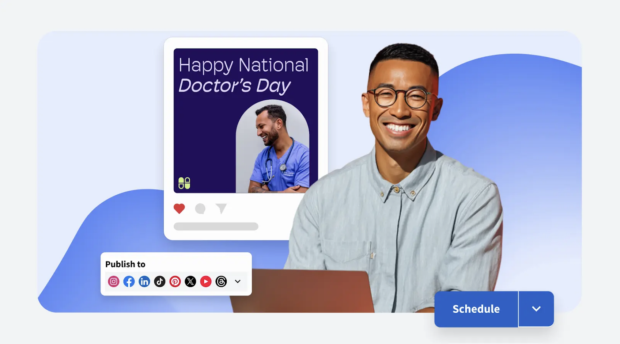
"I’ve found that encouraging employees to begin their workday by sharing a post helps make it a natural part of their daily routine. To make content feel more personal, focus on small adjustments: write copy in the first person, give team members opportunities to customize their posts, and avoid overly rigid branding or logo-heavy visuals."
To protect corporate reputation while scaling these initiatives, organizations must implement clear governance frameworks. This includes establishing basic social media do’s and don’ts, utilizing role-based permissions, and deploying compliance layers (such as Vigil in enterprise social operating systems) to prevent the accidental sharing of confidential client data in regulated sectors.
Implications for Marketing, HR, and Corporate Culture
The broad adoption of employee advocacy generates profound cross-functional implications for modern businesses:
- For Marketing Teams: Brands must shift resources away from purely top-down ad spend toward enablement. Empowering employees acts as a force multiplier, driving earned media value that far exceeds the reach of standard corporate handles.
- For Human Resources: Recruitment strategies are fundamentally transformed. Companies with socially engaged employees are significantly more attractive to top-tier talent. Prospective hires gain an unfiltered look into corporate culture, decreasing turnover and improving candidate quality.
- For Internal Culture: A well-run advocacy program creates a positive feedback loop. When employees are trusted to represent the company publicly, their sense of pride, ownership, and belonging deepens, reinforcing the very culture they are showcasing to the world.
As artificial intelligence continues to lower the friction of content creation and distribution, employee advocacy is poised to become a baseline expectation for competitive enterprises. Organizations that successfully bridge the gap between corporate messaging and authentic human storytelling will ultimately own the most valuable real estate in the digital marketplace: the human connection.
 Neng Nana
 Ammar Sabilarrohman
 Jia Lissa
