
 By Suro Senen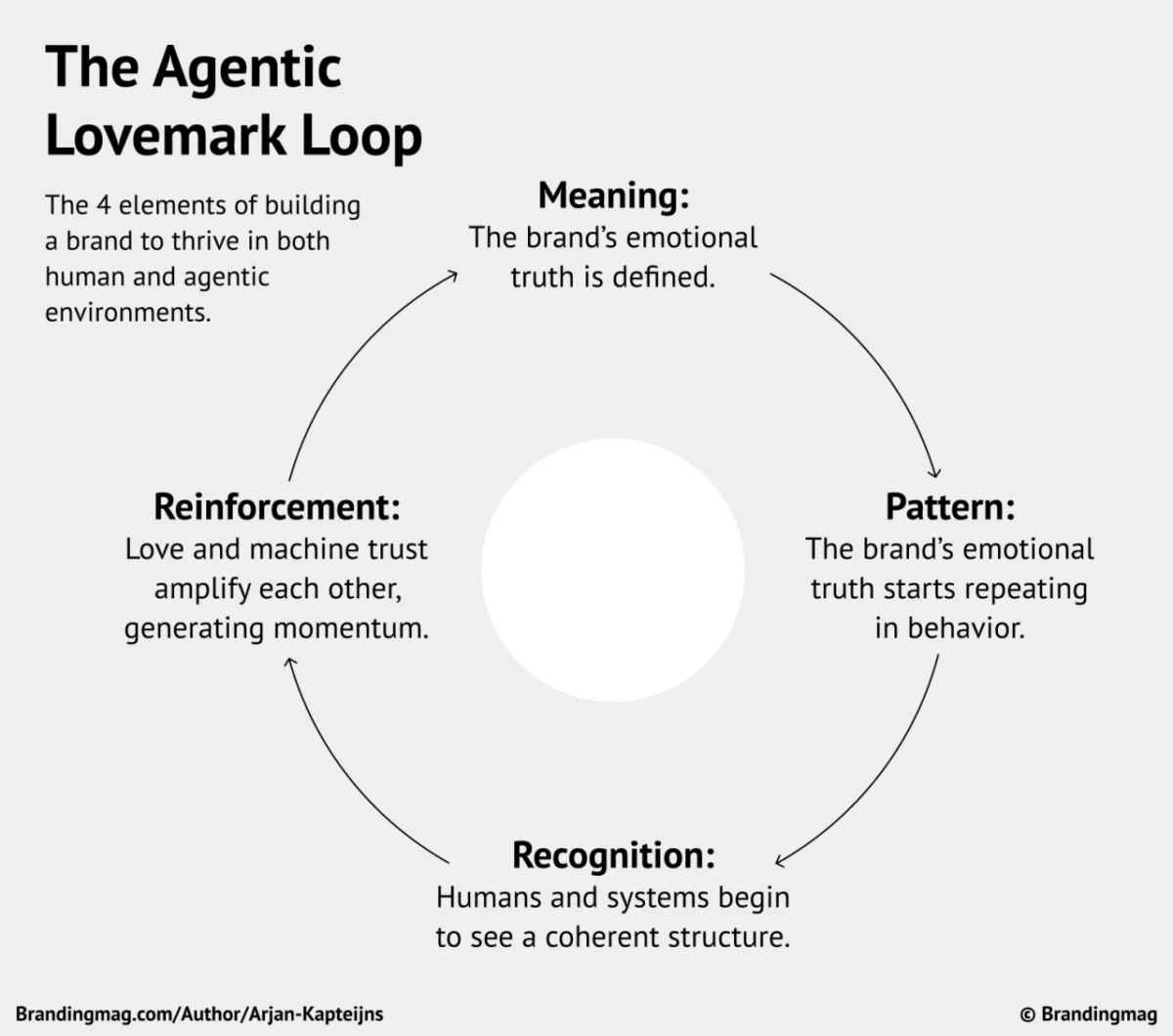
In the landscape of modern commerce, a profound shift is underway. For decades, the gold standard of brand building was defined by the "Lovemarks" philosophy—a concept championed by Kevin Roberts at Saatchi & Saatchi, which posited that the most successful brands transcend mere functionality to earn both "love" and "respect." Today, that paradigm is undergoing a radical, high-stakes evolution.
As intelligent AI agents begin to mediate the customer journey—collapsing discovery, consideration, and purchase into automated, system-driven filters—brands are facing an existential crossroads. Thomas Marzano’s seminal new manifesto, Brand Constitutions: The Legible-Lovable Standard for Building Equity in an Agentic Economy, provides the framework for this new reality. The core challenge is no longer just winning the hearts of consumers; it is becoming simultaneously "lovable" to humans and "legible" to the algorithms that act on their behalf.
The Evolution of the Brand-Customer Relationship
The traditional Lovemarks model was built for a human-led world. In that era, "respect" was a purely human judgment based on performance, reliability, and reputation. If a brand delivered on its promises, it earned respect. If it infused that delivery with myth, mystery, and emotional resonance, it earned love.
However, the "Agentic Age" has introduced a third party into the relationship: the intelligent system. These agents do not "feel" love, nor do they "experience" respect. Instead, they operate on pattern recognition, structural clarity, and data-driven verification. As McKinsey has noted, the modern marketing funnel is being compressed; the system now decides which brands earn the right to enter the field of consideration. If a brand is not legible to these systems—meaning it lacks structural coherence, metadata, or behavioral consistency—it will effectively become invisible, regardless of how much human love it enjoys.
A Chronology of the Shift: From Human Intuition to Systemic Logic
To understand how we arrived here, we must look at the progression of brand interaction:
- The Pre-Digital Era: Brand building was centered on mass communication and physical retail presence. Loyalty was a byproduct of habit and availability.
- The Digital Transformation: The rise of search engines and social media forced brands to optimize for keywords and engagement metrics.
- The Lovemarks Era: Marketers pivoted toward emotional storytelling, arguing that functional benefits were commoditized and that "loyalty beyond reason" was the only sustainable growth strategy.
- The Agentic Age (Current): We are moving into an era of "zero-click" commerce. AI agents, acting as personal concierges, curate shortlists based on historical data, systemic trust, and predictive modeling. The "randomness" of human shopping is being replaced by the "stability" of agentic preference.
Supporting Data: The Compression of the Funnel
The impact of AI on consumer behavior is not speculative; it is empirical. Recent market analysis indicates that as GenAI matures, the traditional "awareness-interest-desire-action" (AIDA) model is collapsing. When an AI assistant recommends a product, it utilizes a "rational shortlist" of brands that have passed its qualification criteria.
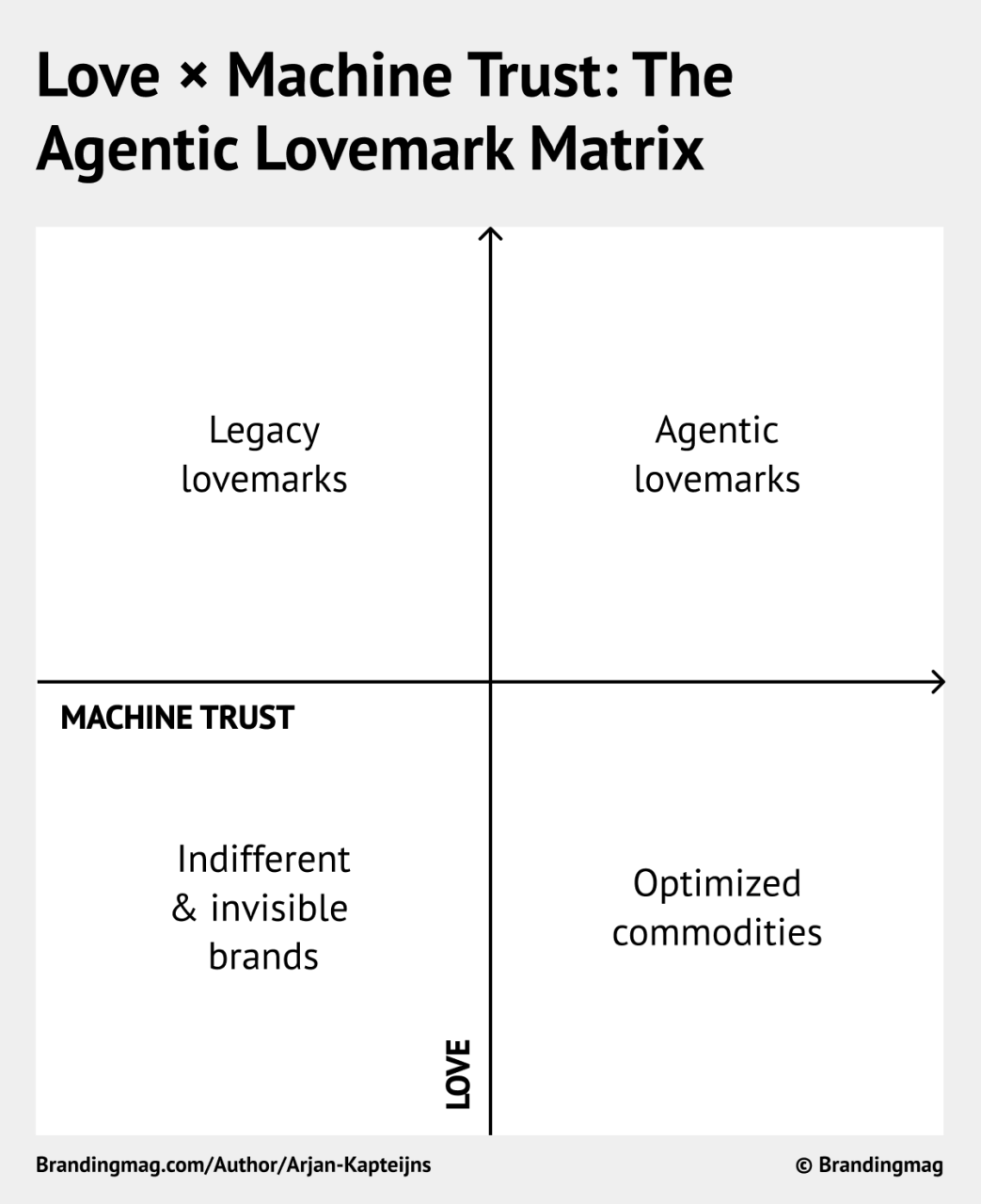
According to the new logic, "machine trust" is the horizontal axis that complements the vertical axis of human love. Machine trust is the structural output of reliability and legibility. While a consumer may love a specific brand of vehicle, if the AI agent cannot verify the brand’s availability, service metrics, or sustainability credentials, the agent may prioritize a competitor that is better "coded" into the system’s decision architecture.
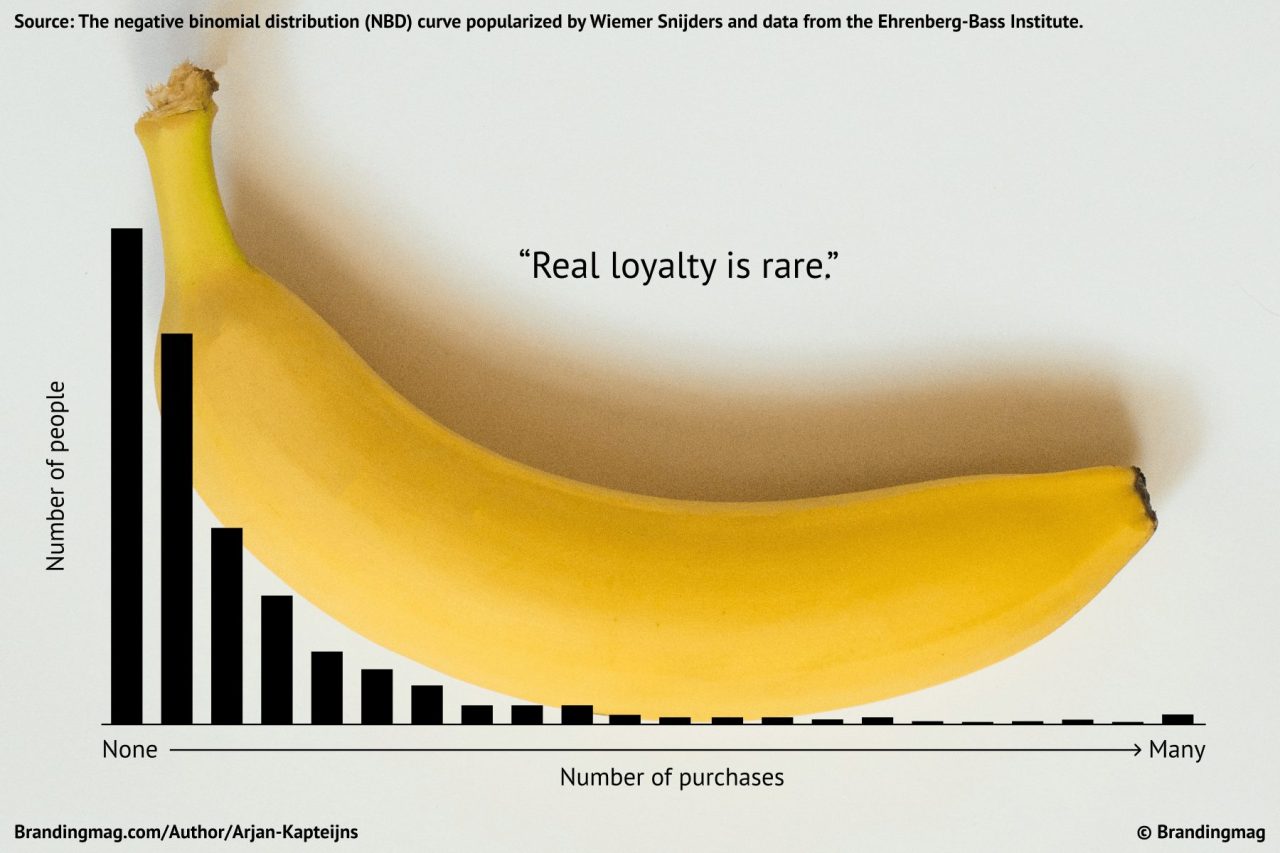
Consequently, the "Banana Principle"—a theory by Byron Sharp suggesting that loyalty is merely a statistical byproduct of penetration—is being rewritten. In an agentic world, the randomness of the "light buyer" is minimized. If an agent is trained to prefer a specific, legible brand, the behavioral volatility of the consumer decreases. We are witnessing a trend toward "stable loyalty," where the agent reinforces human preference, creating a self-perpetuating cycle of visibility and engagement.
Official Perspectives: The "Brand Constitution"
Thomas Marzano’s Brand Constitutions serves as the strategic blueprint for this era. Marzano argues that a brand’s "organizing idea"—the principle that aligns strategy, culture, and experience—must now function as a dual-purpose asset. It must inspire humans while providing the architectural data points for systems.
In interviews discussing his work, Marzano emphasizes that legibility is not an abandonment of soul; it is the codification of it. By building a "Brand Constitution," companies can ensure that their core values are expressed through consistent signatures, tones, and behavioral patterns. This codification allows systems to "read" the brand’s intent, effectively giving machines a proxy for the brand’s character.
Implications for the Creative Industry
The rise of the "Agentic Lovemark" has sparked a visceral debate within the creative sector. Critics argue that AI-driven optimization leads to a "smoothing out" of the creative process, stripping away the imperfections and human tensions that make art and branding authentic. Dutch creative legend Aad Kuijper has warned that "you cannot fake soul."
However, the distinction lies in the separation of creation and mediation. The creative work—the development of the emotional core, the story, and the brand myth—must remain entirely human. AI cannot replicate the lived experience of a failed studio session or the nuanced empathy of a designer. But AI can be the tool that ensures this human work is surfaced and reinforced by the digital ecosystem.
The Agentic Lovemark Loop
The ultimate goal for modern marketers is to enter the "Agentic Lovemark Loop":
- Meaning: The brand defines a strong emotional territory and organizing idea.
- Pattern: The brand translates this meaning into consistent, observable behavioral signatures.
- Recognition: Intelligent systems detect these patterns as indicators of reliability and trust.
- Reinforcement: The system surfaces the brand more frequently, deepening the human-brand relationship and creating more data for the system to interpret.
Conclusion: The Synthesis of Soul and System
The transition to the agentic age does not signal the death of the Lovemark. Rather, it signifies the maturation of the concept. An "Agentic Lovemark" is a brand that understands the duality of its audience. It is a brand that respects the human need for irrational, emotional connection while simultaneously providing the structural clarity that machines require to function.
Brands that succeed in the coming decade will be those that realize their "organizing idea" is their most valuable asset. This idea must hold the emotional weight of a narrative that people love, while also serving as the architectural logic that machines follow. By merging the "soul" of traditional brand building with the "system" of modern AI, companies can move beyond mere visibility to become the default choice in an automated world.
In the final analysis, becoming an Agentic Lovemark is not merely a technical requirement; it is a creative and strategic evolution. It is the ability to prove that while our choices may be increasingly mediated by machines, the reasons why we choose remain deeply, irrevocably human.
 Azzam Bilal Chamdy
  Nana Wu
  Raul Delapena Setiawan