
 By rifanmuazin
The landscape of Print-on-Demand (POD) has undergone a seismic shift between late 2025 and early 2026. For creators and entrepreneurs, the days of settling for low-quality, "budget-tier" apparel are over. Today, the market demands premium blanks, sophisticated branding, and reliable logistics. After six months of rigorous testing across eight major platforms—involving over 200 sample orders, 30-wash durability stress tests, and a deep dive into the "branding stack"—the verdict is clear: the industry has matured, and the gap between "merch" and "fashion" is narrowing.
Main Facts: The New Standard for Premium Apparel
Our testing methodology focused on three non-negotiable pillars: Blank Quality (requiring 200+ GSM from elite mills like AS Colour, Stanley/Stella, Cotton Heritage, and Lane Seven), Branding Stack (the inclusion of woven labels, custom hangtags, and bespoke packaging), and Print Method Accuracy (evaluating DTG, DTF, screen printing, embroidery, and sublimation).
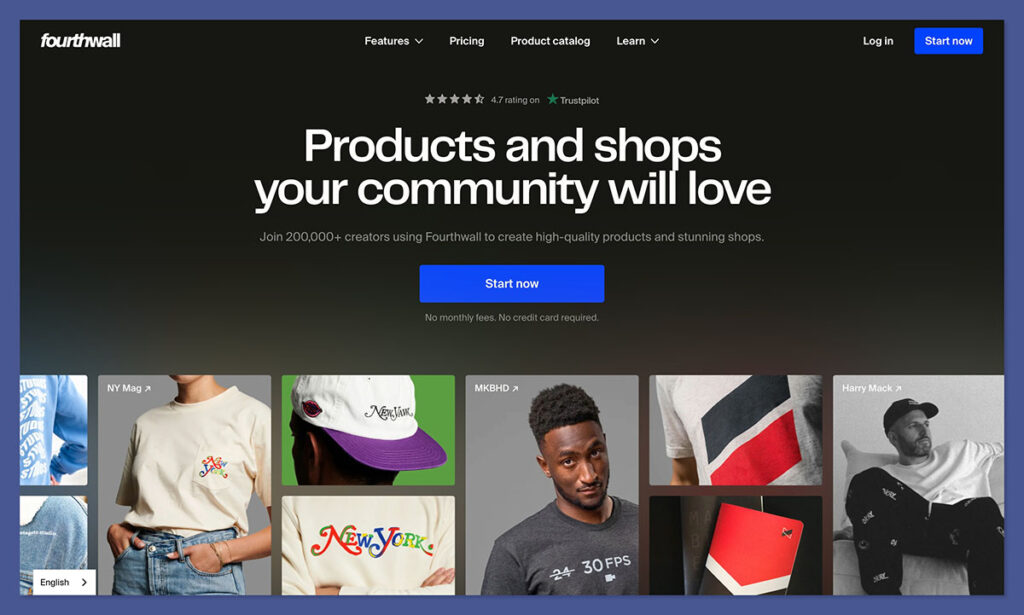
The data confirms that Fourthwall has emerged as the definitive leader for the modern creator. Unlike traditional POD platforms that force users to manage the complexities of e-commerce—such as sales tax nexus, storefront maintenance, and customer support—Fourthwall provides a holistic, all-in-one ecosystem. It is the only platform that synthesizes premium-grade blanks with a comprehensive suite of creator tools, allowing users to focus on brand identity rather than the logistics of running a retail business.
Chronology: Market Evolution (Q4 2025 – Q1 2026)
The industry has seen significant movement over the past two quarters:
- August 2025: Patreon raised platform fees for new creators to a 10% standard plan, prompting many to re-evaluate how they integrate membership revenue with merchandise sales.
- Late 2025 – Early 2026: The merger of Printful and Printify reached its final stages, with the consolidated entity operating under the "Fyul" brand for backend operations, though both platforms maintain their distinct consumer-facing interfaces.
- January 2026: Gumroad successfully restored PayPal integration, easing payment processing concerns for independent sellers.
- June 2026: Fourthwall updated its Pro pricing structure to $19/month or $180/year (effectively $15/month), further solidifying its value proposition for scaling brands.
Supporting Data: Comparative Analysis
| Platform | Best For | Premium Branding | Base Tee Cost | Production Speed |
|---|---|---|---|---|
| Fourthwall | All-in-one Creator Brand | Branded packing/ink | ~$11.75 | 3-7 days |
| Apliiq | Private-Label Fashion | Woven labels/hangtags | $7-$12 | 7-10 days |
| Tapstitch | Heavyweight Streetwear | Custom neck prints | $22.99 (430 GSM) | Variable |
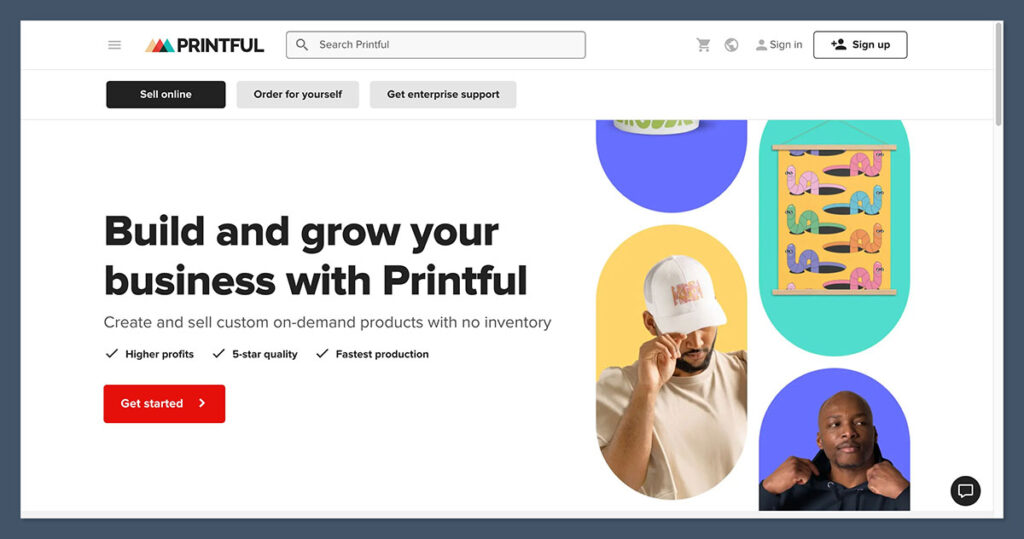
| Printful | Global Fulfillment | Printed labels | ~$11.75 | 2-5 days |
| Gelato | International Routing | Branded labels | ~$11.75 | 2-6 days |
The "Big Three" Specialized Providers
While Fourthwall wins on the all-in-one front, niche brands still find value in specialized partners:
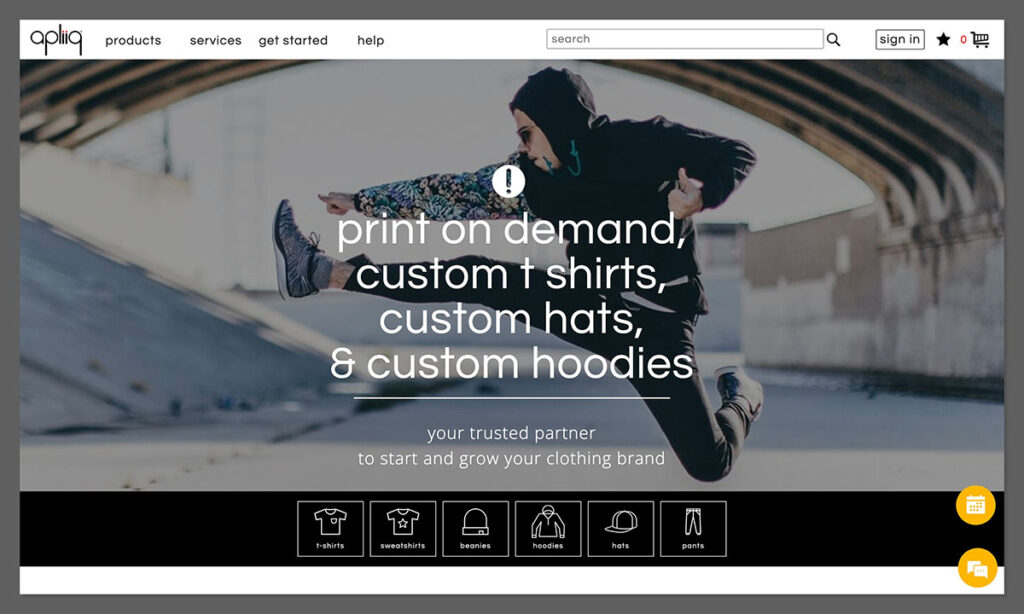
- Apliiq: Remains the industry standard for "real" private labeling. Their ability to sew in custom woven labels at a 100-unit Minimum Order Quantity (MOQ) makes them the preferred choice for boutique fashion brands that prioritize the "feel" of a retail garment.
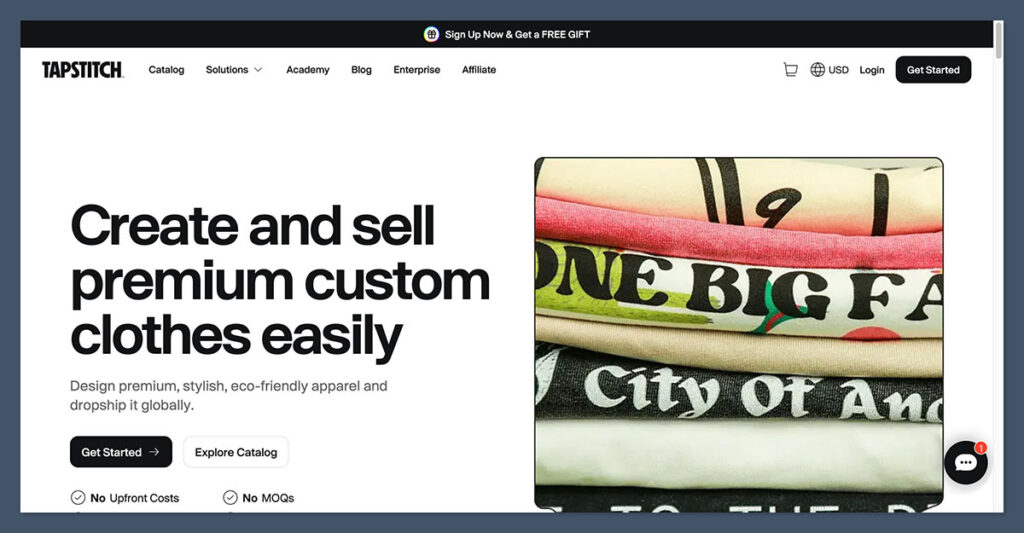
- Tapstitch: Dominates the streetwear segment by stocking 430 GSM blanks. For brands whose identity is built on structure, weight, and the "boxy" silhouette, Tapstitch is the only mainstream POD provider that delivers this premium hand-feel out of the box.
- Gelato: The go-to for international expansion. Their network fulfills roughly 90% of orders within the destination country, drastically reducing customs friction and shipping times for European and Asian markets.
Official Perspectives and Operational Insights
The "Sample-and-Lock" Discipline
A recurring theme in our research is the importance of the "sample-and-lock" workflow. Platforms like Printify function as a marketplace of providers; without sampling, consistency remains elusive. Founders who fail to test their specific SKU from a specific provider before launch are essentially gambling with their brand’s reputation. Our testing revealed that providers like Monster Digital and SwiftPOD consistently met premium benchmarks, provided the user took the time to verify the print alignment and fabric GSM firsthand.
The Sustainability Mandate
TPOP (based in France) has set a new benchmark for eco-conscious fulfillment. By utilizing plastic-free packaging and water-based inks, they offer a "clean" brand story that is highly attractive to European consumers. For brands positioning themselves on sustainability, the slight increase in base cost is an investment in brand equity that is easily recovered in higher retail pricing.
Implications for the Future of E-commerce
The line between a "creator" and an "e-commerce operator" is blurring, but the tools are finally catching up.
When to Graduate to Bulk
A critical strategic question for every entrepreneur is when to exit the POD model. Our analysis suggests that once a specific SKU consistently clears 100 units per month, the economic argument for bulk manufacturing becomes overwhelming. At this volume, per-unit costs typically drop by 40% to 60%. However, the transition must be seamless. Successful brands match their bulk production specs (same blank, same print method, same label) exactly to their POD "recipe" to ensure that the customer experience remains consistent during the transition.
The Reality of Print Durability
Founders often ask about the longevity of DTG prints. Our wash-cycle stress tests—conducted on 50-wash intervals—confirm that modern DTG, when applied to premium blanks, can maintain its integrity if the end-user follows proper care instructions: washing inside-out in cold water and air-drying. However, brands should note that "abuse" cycles (hot water and high-heat tumble drying) will inevitably cause degradation. We recommend that brands provide care instructions as part of the unboxing experience to manage customer expectations.
Strategic Recommendations: Which Platform Should You Choose?
- The Creator-First Approach: If you are a YouTuber, streamer, or influencer, Fourthwall is the superior choice. It eliminates the need to manage Shopify apps, tax nexus, or customer support, effectively "productizing" your audience without the operational headache.
- The Boutique Fashion Brand: If your brand identity relies on woven labels, embroidery, and a high-end, tactile finish, Apliiq is the necessary partner. You will pay a premium in terms of production time and manual effort, but the finished product will feel like it belongs on a luxury rack.
- The Global Scale-Up: If your customer base is dispersed across continents, Gelato provides the best logistics infrastructure to minimize shipping times and customs issues.
- The Streetwear Specialist: If you are building a heavy-weight, urban-focused brand, Tapstitch is the only provider that offers the 430 GSM fabric required to compete with high-end streetwear labels.
Conclusion: The "Premium" Definition in 2026
In 2026, the definition of a "premium" POD platform is no longer just about the speed of printing. It is about the total product experience. A premium brand is characterized by the weight of the fabric, the professional finish of the branding, and the reliability of the unboxing experience. Whether you choose the all-in-one convenience of Fourthwall or the granular control of Apliiq, the goal remains the same: to deliver a product that does not feel like an afterthought, but like a deliberate, high-quality garment. As the market continues to consolidate, those who invest in sampling, quality materials, and localized fulfillment will inevitably capture the lion’s share of the market.
 Dwi Wanna
  Lina Irawan
  Basiran