
 By Neng Nana
For the modern mobile content creator, the iPhone has evolved from a simple pocket camera into a high-end cinema production tool. With the advent of Apple’s ProRes codec and high-frame-rate 4K capture, the iPhone 15 Pro, 16 Pro, and the latest iPhone 18 Pro have unlocked professional-grade cinematography. However, this technical evolution has come with a heavy price: data storage.
Shooting in ProRes is a storage-intensive endeavor. These high-fidelity files can be up to 30 times larger than standard HEVC (High-Efficiency Video Coding) files. In practical terms, recording a minute of 4K footage can consume roughly 7 GB of internal memory. For filmmakers, this means that even a device with 512GB or 1TB of onboard storage can be rendered useless in a matter of minutes. As the demand for AI data centers continues to surge in 2026, the cost of NAND flash memory has soared, making internal storage upgrades prohibitively expensive.
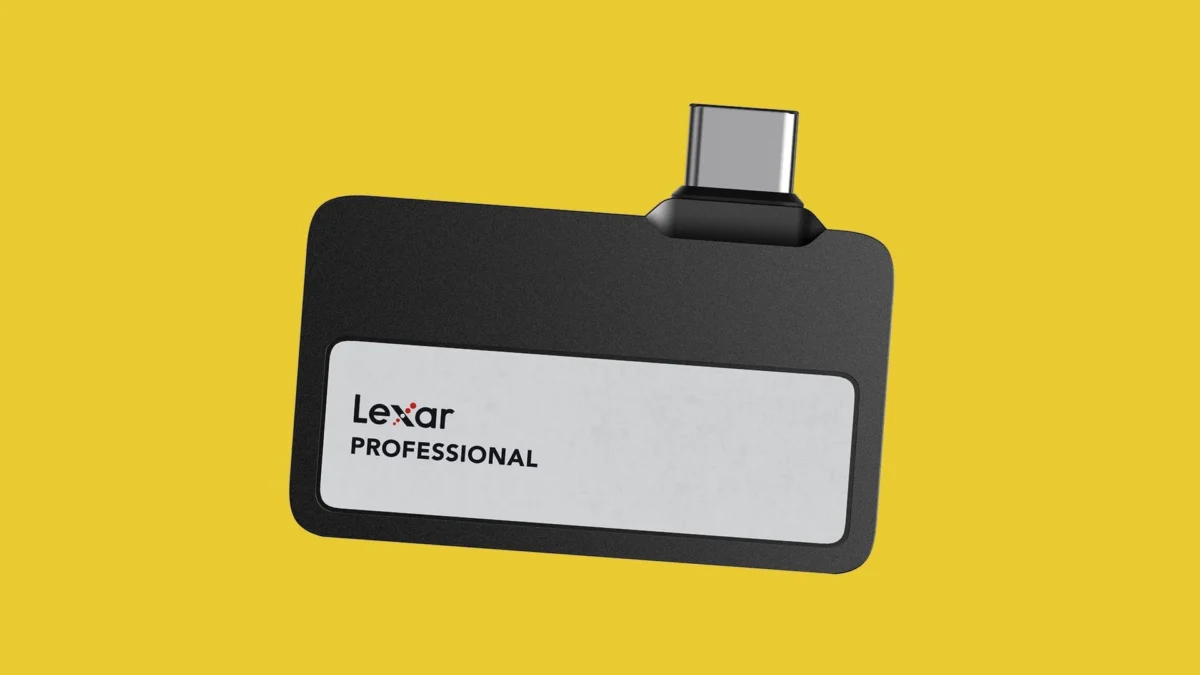
Amidst this hardware crisis, external solutions have become a necessity rather than a luxury. The Lexar Professional Go Portable SSD, a compact and modular storage powerhouse, has emerged as the industry favorite. Currently, B&H Photo is offering a significant reprieve for creators, slashing the price of the 1TB model from $379.99 to $229.99—the lowest price point seen since the global memory market price hikes began earlier this year.
The Chronology of the Storage Crisis
To understand why the Lexar Professional Go is a critical acquisition, one must look at the timeline of mobile videography.
2021: The Introduction of ProRes
When Apple first introduced ProRes support, it was greeted with both excitement and skepticism. It promised cinema-level color grading and post-production flexibility, but the file sizes were astronomical. At the time, most users viewed it as a gimmick for short clips rather than a serious workflow tool.
2023–2024: The Rise of the Pro Workflow
With the iPhone 15 Pro, Apple introduced direct-to-external-drive recording via USB-C. This was a watershed moment. Suddenly, the phone was no longer tethered by its internal flash memory. Creators began buying portable SSDs, but the market was flooded with bulky, cable-dependent drives that were cumbersome for handheld run-and-gun shooting.
2025–2026: The AI-Driven Supply Crunch
The global push toward AI-integrated cloud services and massive data center expansion created a bottleneck in the semiconductor industry. NAND flash memory—the backbone of SSDs—saw a sharp decline in availability. Retail prices for high-speed storage surged by nearly 40% throughout 2025, leaving mobile creators in a difficult position: pay premium prices for internal storage or settle for lower-quality compressed video.
Supporting Data: The Math Behind the Workflow
The necessity of an external drive is not just a preference; it is a mathematical requirement. If a creator is shooting a wedding, a documentary, or a commercial project at 4K resolution at 60fps or 120fps, the data throughput is immense.
- Standard HEVC: ~0.2 GB to 0.4 GB per minute.
- ProRes 4K (Log): ~5.0 GB to 7.0 GB per minute.
If a filmmaker records a one-hour event in ProRes, they will generate over 400 GB of footage. If they only rely on the internal storage of an iPhone 18 Pro, they are not only risking data loss due to lack of space but also shortening the longevity of their phone’s internal flash memory, which wears out faster under high-frequency, massive write cycles.
The Lexar Professional Go addresses this by utilizing the USB-C 3.2 Gen 2 standard, which provides read/write speeds capable of handling the high-bandwidth requirements of ProRes 4K/120fps without dropping frames—a common failure point in cheaper, non-certified external drives.
The Lexar Professional Go: Design and Utility
The Lexar Professional Go stands out due to its modular form factor. Unlike traditional SSDs that require a dangling USB-C cable—a notorious point of failure during mobile shoots—the Lexar unit is designed to attach securely to the phone.
Why Form Factor Matters
In a professional environment, a cable snag can result in a corrupted file. The Lexar’s "tiny" footprint allows it to sit flush against the phone, or connect via a low-profile bridge, ensuring that the connection remains stable even when the creator is moving through a crowd or mounting the phone to a gimbal.
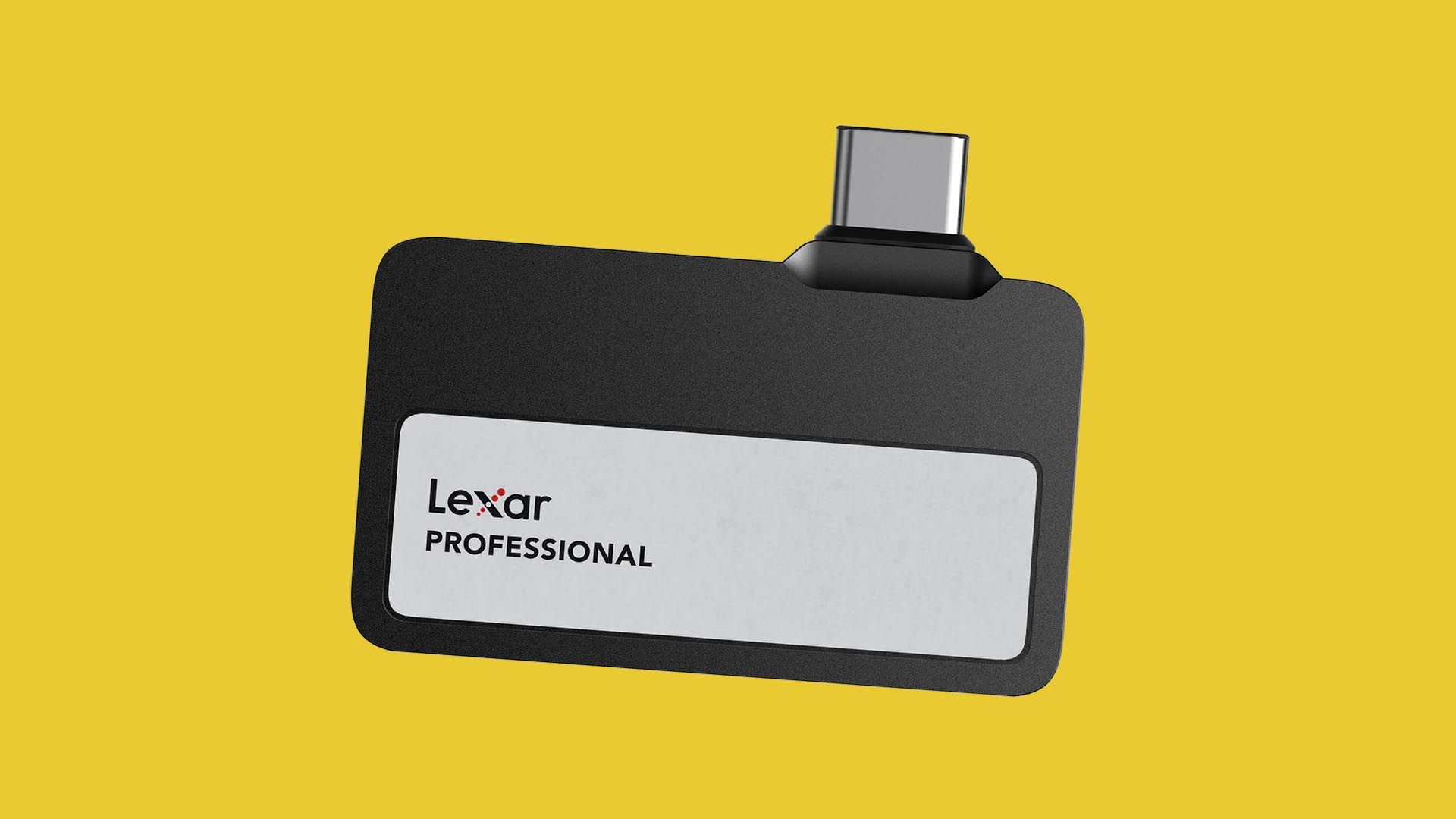
Furthermore, the optional hub, available for an additional $20, offers a significant advantage: pass-through charging. This allows the creator to record directly to the SSD while simultaneously keeping the iPhone charged. For long-form creators, this removes the "battery anxiety" that often accompanies heavy-duty filming.
Official Industry Perspectives
Representatives from Lexar have noted that the "Professional Go" series was built specifically in response to the "ProRes revolution."
"Our goal was to shrink the footprint of a desktop-grade editing drive into something that feels like a native part of the phone," said a company spokesperson during the product’s launch. "Creators shouldn’t have to choose between mobility and data integrity. By utilizing high-end NVMe technology, we’ve ensured that the drive is not the bottleneck in the production chain."
Industry analysts at tech research firms have also pointed out that the current price reduction at retailers like B&H is a strategic move. As consumers feel the pinch of inflation, companies are beginning to offer "entry-level" pricing on professional kits to ensure that the creative community remains invested in mobile-first workflows.
Implications for the Future of Mobile Production
The implications of this technology are far-reaching. We are seeing a shift where "mobile" no longer implies "compromised."
1. The Death of the "B-Camera"
With the ability to record to external SSDs, the iPhone has effectively replaced the need for traditional, bulky DSLR cameras in many professional settings. The total cost of an iPhone 18 Pro plus a Lexar Professional Go SSD is still significantly lower than a high-end cinema camera body, yet the image quality is often indistinguishable in controlled lighting.
2. Streamlined Post-Production
Because the Lexar Professional Go is a standard USB-C SSD, the workflow is seamless. Once the shoot is complete, the creator simply unplugs the drive from the iPhone and plugs it into a MacBook or PC. There is no need for wireless transfers (AirDrop) or cloud syncing, both of which are notoriously slow for multi-gigabyte video files. This cuts the post-production turnaround time by hours.
3. Sustainability in Tech
Modular storage is also a win for device longevity. If a creator upgrades their phone, they do not need to replace their storage; they simply move the drive to the new device. This reduces electronic waste and allows creators to invest in high-capacity 2TB or 4TB drives that will serve them for several hardware upgrade cycles.
Conclusion: A Window of Opportunity
For those currently navigating the complexities of mobile cinematography, the current deal on the Lexar Professional Go is more than just a discount; it is an invitation to upgrade the entire production workflow.
As we move deeper into 2026, the reliance on external storage will only grow. With AI features requiring more processing power and video files pushing the boundaries of mobile hardware, the ability to offload data to a reliable, fast, and portable SSD is the hallmark of a professional creator.
Whether you are a professional filmmaker, a social media influencer, or a hobbyist looking to capture high-quality memories, the current $229.99 price point at B&H Photo represents a rare alignment of value and performance. In a market where high-quality components are becoming increasingly expensive, securing your storage solution now is a wise investment in the longevity and quality of your creative output.
Pro-tip: When purchasing, consider the 2TB version if your budget allows. While the 1TB is perfect for daily vlogging, the 2TB model provides the peace of mind required for full-day shoots, ensuring that you never miss a moment because your "disk is full."
 Iffa Jayyana
 Reynand Wu
 Nila Kartika Wati
