
 By Nana Wu
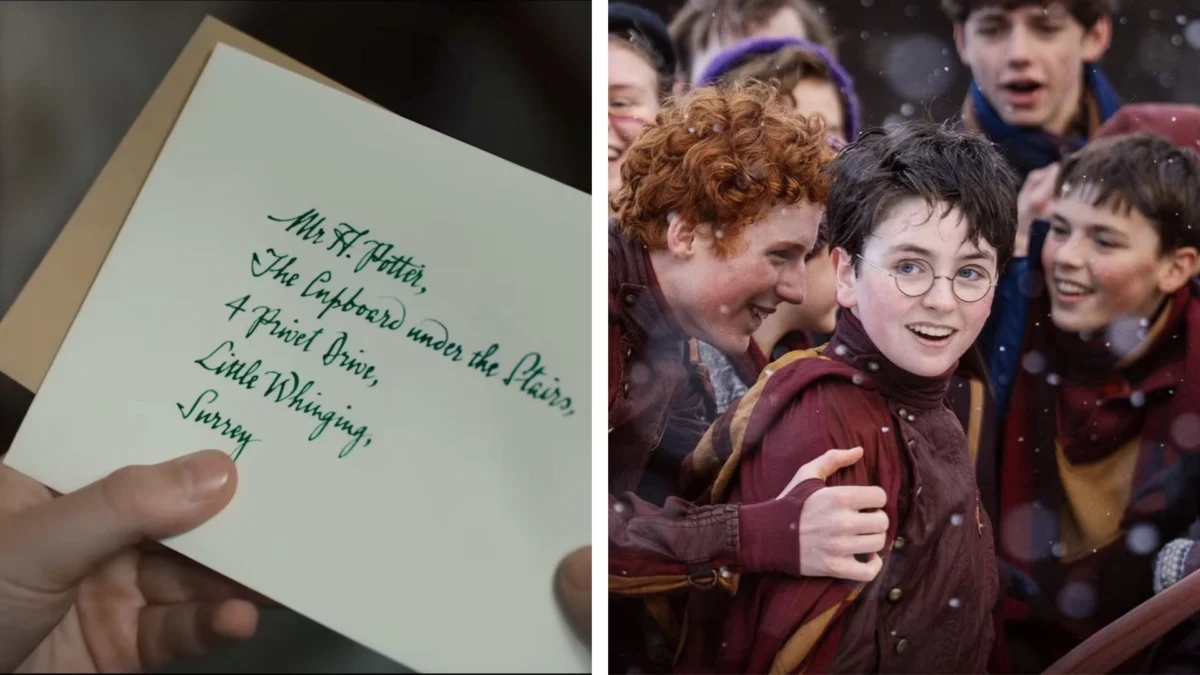
From the flutter of owl wings in the Great Hall to the iconic wax seal bearing the Hogwarts crest, few objects in modern pop culture possess the gravitational pull of the Hogwarts acceptance letter. It is more than just a prop; it is a narrative anchor, a symbol of transition, and a beacon of hope for millions of readers worldwide. As HBO prepares to unveil its highly anticipated television reboot, the reappearance of this humble envelope—addressed to "Mr. H. Potter, The Cupboard Under the Stairs, 4 Privet Drive, Little Whinging, Surrey"—has sparked a renewed conversation about the power of physical media in an increasingly digitized era.
A Legacy Written in Ink
The Hogwarts letter first entered our collective consciousness in 1997, when J.K. Rowling’s Harry Potter and the Philosopher’s Stone hit bookshelves. However, it was the 2001 film adaptation that truly cemented the letter’s status as an iconic piece of design. The image of hundreds of letters pouring down the Dursleys’ fireplace remains one of the most visually arresting scenes in cinematic history.
Nearly 25 years later, the upcoming HBO series promises a fresh interpretation of this pivotal moment. Early trailers suggest that the new production is leaning heavily into the tactile nature of the wizarding world. In one sequence, the letter arrives at the Weasleys’ breakfast table, a stark contrast to the chaotic, claustrophobic atmosphere of Privet Drive. This shift in staging serves as a reminder that while technology has advanced, the emotional core of the story—the desire to belong to a world larger than our own—remains unchanged.
The Chronology of a Cultural Phenomenon
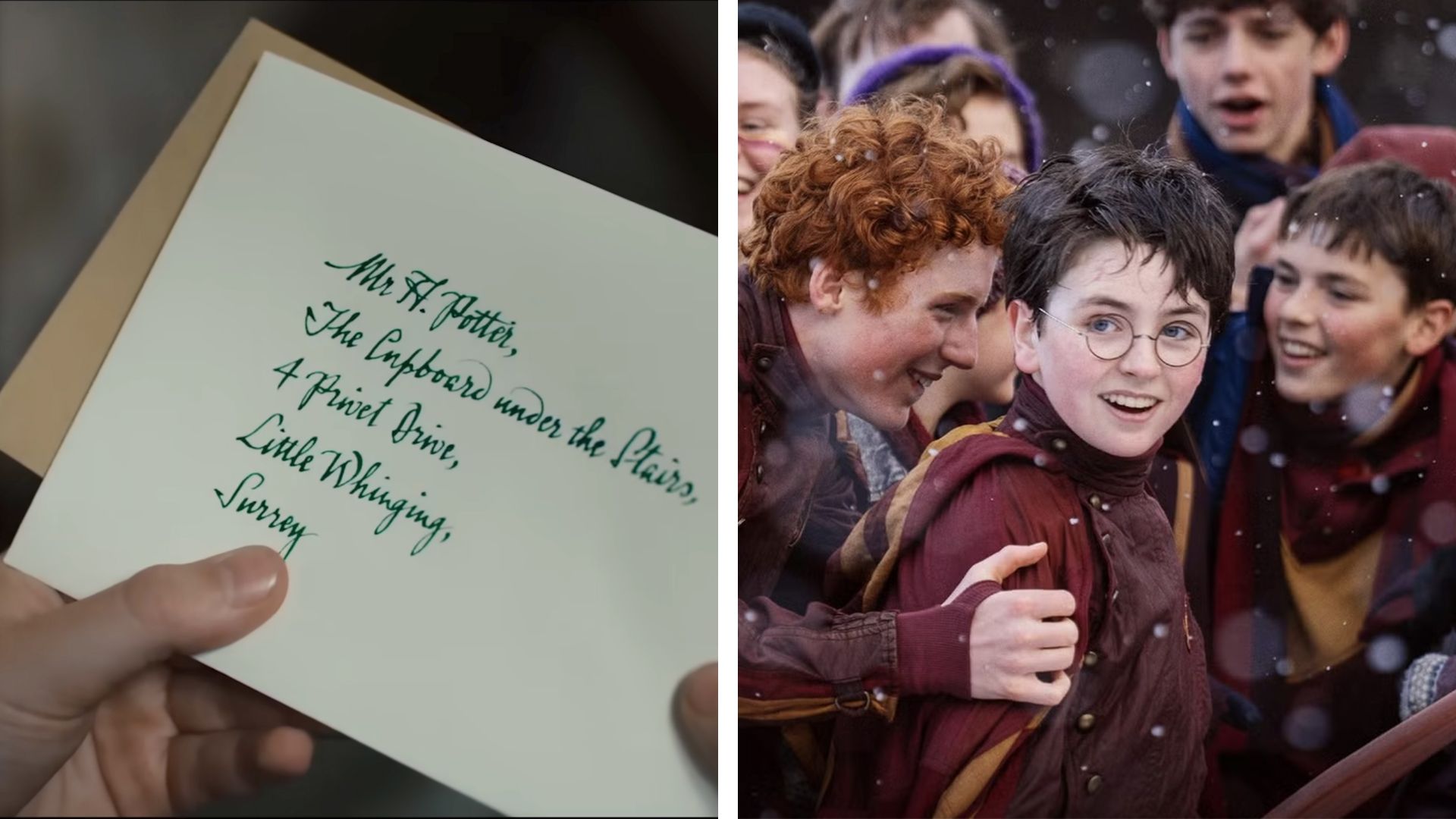
The journey of the Hogwarts letter from page to screen, and now to a high-budget reboot, mirrors the evolution of fan culture itself.
- 1997: The publication of Philosopher’s Stone introduces the world to the concept of a magical correspondence that finds the recipient regardless of where they are hiding.
- 2001: The film adaptation brings the "green ink" aesthetic to life, standardizing the look of the letter for a global audience.
- 2010s: The rise of social media turns the "Hogwarts Letter" into a DIY craft project, with tutorials flooding platforms like Pinterest and YouTube.
- 2026: The HBO series reboot initiates a new era of "prestige television" for the franchise, emphasizing high-fidelity production design and a deeper, more immersive look at the wizarding world’s daily mechanics.
The Resurgence of the Tangible
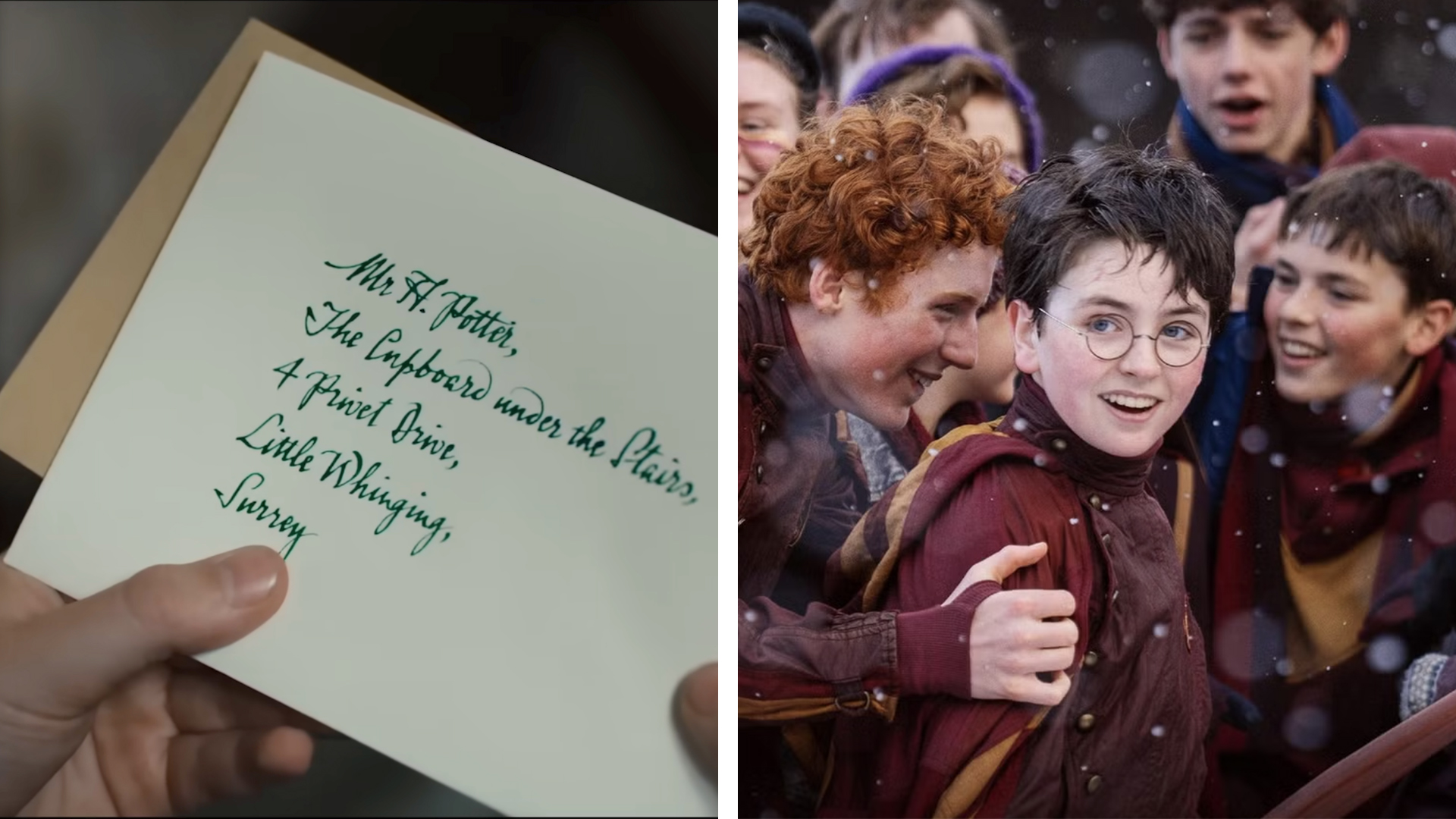
In a world where we spend an average of seven hours a day in front of screens, the allure of the "physical" is undergoing a dramatic renaissance. This is not merely nostalgia; it is a behavioral shift. Gen Z, often characterized as "digital natives," is leading the charge in reclaiming physical media.
Consider the vinyl revival: what was once considered a dying format is now a multi-million-dollar industry. Similarly, recent data from John Lewis reveals a staggering 96% increase in searches for all-in-one CD players. This indicates that younger consumers are actively seeking to slow down. They are trading the "infinite scroll" for the intentional, sensory experience of interacting with a physical object.
The Science of Sensory Engagement
Why does a piece of parchment feel more "real" than a notification on an iPhone? The answer lies in sensory processing. When you handle a book, put a record on a turntable, or open a physical envelope, you are engaging your tactile senses. This creates a neural "hook" that digital interactions—which are ephemeral and frictionless—often fail to provide.
According to recent industry research, 75% of Gen Zers surveyed report reading physical books at least once a month. This demographic shift suggests that the physical object acts as a sanctuary from the relentless barrage of algorithmically curated content. When a consumer holds a physical item, there is an inherent trust established. Unlike an online ad, which may be a targeted product of a data-mining algorithm, a physical letter or a printed item feels like an intentional, authentic communication.
Supporting Data: Why Mail Still Matters
For brands, the lesson from the Hogwarts letter is clear: digital channels provide reach, but physical channels provide retention. Data from JICMAIL confirms that mail is kept in the household for an average of 7.4 days. Compare this to the average lifespan of a social media post, which is often measured in minutes.

Furthermore, 97% of physical mail is interacted with by recipients. In a cluttered digital inbox where open rates are plummeting, physical mail stands out as a premium, trusted channel. 71% of consumers state they "completely trust" mail as a form of communication. With the latest IPA Bellwether report indicating a 3.0% increase in direct marketing investment, it is evident that savvy brands are pivoting back to physical media to cut through the digital noise.
The Immersive Brand Experience
The success of the "Wizarding World" brand is not limited to television. It extends into the real world through experiences like the Platform 9 ¾ installation at King’s Cross and the newly opened Harry Potter Shop on Oxford Street. These locations are designed to function as immersive, tactile hubs.
The Oxford Street shop, for instance, does not just sell merchandise; it offers a "Leaky Cauldron" themed culinary experience and interactive photo opportunities. This is a crucial lesson for modern marketers: physical and digital do not need to be mutually exclusive. Instead, they should exist in a symbiotic relationship. Use digital to drive the excitement, but use physical to seal the connection.
Implications for Modern Marketing
For marketers, the "Hogwarts Letter Effect" is a call to move beyond the screen. As we navigate an era of AI-generated content and deep-fakes, the value of the "real" is skyrocketing.
- Intentionality over Immediacy: Brands should prioritize experiences that require a consumer to pause. A well-designed, physical mailer can create a "moment" that a digital pop-up never will.
- Sensory Storytelling: Whether it is the texture of the paper or the weight of a product, brands should look for ways to make their communication physically memorable.
- Trust as a Currency: In a digital world rife with ambiguity, the physical item serves as a verification of legitimacy. It is hard to fake the arrival of a physical package.
Conclusion: Pushing the Envelope
The Hogwarts letter persists in our culture because it represents the transition from the mundane to the magical. It is an invitation to a different way of living. As brands look toward the future, the most effective strategy may be to look toward the past.
By embracing the tactile, the intentional, and the physical, businesses can create lasting impressions that transcend the fleeting nature of the digital world. While the owl may not be arriving at your doorstep, the opportunity to "push the envelope" and create a truly magical brand experience is more available now than ever before. In a world of endless, ephemeral streams, the most powerful message you can send is one that someone can hold in their hand.
 Iffa Jayyana
 Reynand Wu
 Nila Kartika Wati
