
 By Lina Hope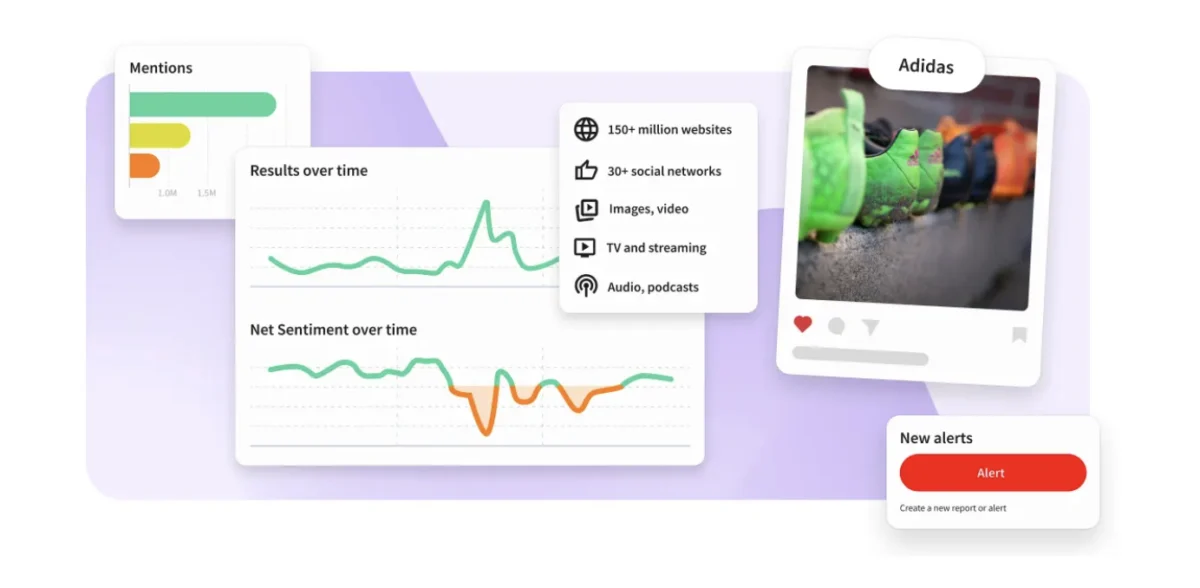
In the modern digital landscape, social media has transcended its origins as a mere communication tool to become a vital engine for business growth, customer acquisition, and brand equity. However, for marketing teams, the true value of social media lies not in the sheer volume of posts or followers, but in the ability to interpret performance data. A professional social media report is the bridge between raw data and informed decision-making, transforming digital footprints into a roadmap for future success.
The Core Mandate: Why Reporting Matters
A social media report is a comprehensive document that provides an in-depth analysis of marketing performance over a defined period. It is the primary instrument for tracking Key Performance Indicators (KPIs), measuring the efficacy of specific campaigns, and identifying critical opportunities for optimization.
![How to create a social media report in 2026 [free template]](https://blog.hootsuite.com/wp-content/uploads/2024/09/social-media-report.png)
Beyond simple metrics, these reports reveal behavioral patterns. For instance, data might show that an audience engages significantly more with short-form video content on Instagram Reels than with static carousel posts. By identifying these trends, teams can pivot their content strategy to align with audience preferences, ensuring that resources are allocated to the formats that yield the highest return on investment (ROI). A well-crafted report does more than describe what happened; it explains why it happened and what should be done next.
Chronology of the Reporting Lifecycle
Developing a high-impact social media report is a structured, multi-stage process that requires precision and consistency.
![How to create a social media report in 2026 [free template]](https://blog.hootsuite.com/wp-content/uploads/2024/09/social-media-report-556x556.png)
1. Definition of Objectives
The process begins with clarity. Before pulling a single data point, stakeholders must define the audience for the report—whether it is an internal marketing team, executive leadership, or external investors. Once the audience is established, teams must align their social media goals with broader business objectives, ideally utilizing the SMART (Specific, Measurable, Achievable, Relevant, Time-bound) framework.
2. Selection of Metrics
Success looks different for every organization. A brand focused on awareness might prioritize reach and impressions, while a business driven by e-commerce will focus on conversion rates and click-through rates (CTR). Selecting the "right" metrics ensures the report remains focused on business impact rather than vanity metrics.
![How to create a social media report in 2026 [free template]](https://cdn.airops.com/rails/active_storage/blobs/proxy/eyJfcmFpbHMiOnsiZGF0YSI6MTk0Mzk3ODE3LCJwdXIiOiJibG9iX2lkIn19--c8bd5696bdac6937c1bb3c1c2d65cab81fa45fa6/image.png)
3. Data Collection and Synthesis
Data is gathered using a combination of native platform analytics (such as Meta Business Suite or TikTok Analytics) and robust third-party tools like Perch by Hootsuite or Lumen by Talkwalker. This stage involves aggregating cross-platform data to create a holistic view of the brand’s digital presence.
4. Analysis and Contextualization
Data without context is noise. This stage involves comparing current performance against historical benchmarks—such as last month’s results or year-over-year growth. This comparison helps account for seasonality and helps differentiate between temporary spikes and genuine long-term trends.
![How to create a social media report in 2026 [free template]](https://cdn.airops.com/rails/active_storage/blobs/proxy/eyJfcmFpbHMiOnsiZGF0YSI6MTk0Mzk4MDczLCJwdXIiOiJibG9iX2lkIn19--80c88146db70bd11dc4eb4e431a7479a65fe7dbe/image.png)
5. Actionable Recommendations
The final and most critical phase is the synthesis of findings into actionable recommendations. By identifying what worked and what failed, the report serves as a strategic brief for the next planning cycle, ensuring that every subsequent campaign is more informed than the last.
Supporting Data: The Anatomy of a Comprehensive Report
Every professional social media report should include specific, high-value components. While the format may vary by industry, the following elements are considered industry standards:
![How to create a social media report in 2026 [free template]](https://blog.hootsuite.com/wp-content/uploads/2023/01/HS_ProductImage-Analytics-1.png)
- Executive Summary: A high-level overview for leadership, highlighting top-line wins and critical takeaways.
- Social Media Objectives: A brief reminder of the overarching strategy and the specific goals for the current reporting period.
- KPIs and Metrics: Quantifiable data reflecting performance against established targets.
- Performance Analysis: A deep dive into trends, successes, and areas requiring remediation.
- Campaign Insights: Evaluation of specific, time-bound initiatives.
- Competitor Analysis: Benchmarking performance against industry peers to identify market gaps.
- Audience Insights: Demographic and behavioral data to ensure content remains relevant to the target audience.
- Recommendations: Clear, evidence-based suggestions for future strategy adjustments.
The Role of Advanced Analytical Tools
In an era of fragmented digital channels, manual reporting is becoming increasingly obsolete. Enterprise teams rely on sophisticated tools to manage the complexity of multi-channel data.
- In-Platform Analytics: Best for real-time, single-platform monitoring. These are free and provide the most granular, native data for specific networks.
- All-in-One Management Tools (e.g., Perch by Hootsuite): These platforms consolidate data from Facebook, Instagram, LinkedIn, TikTok, and more into a single dashboard. They allow for custom reporting and automated scheduling, which significantly reduces the administrative burden on social media managers.
- AI-Powered Social Listening (e.g., Lumen by Talkwalker): These tools use artificial intelligence to perform sentiment analysis, helping brands understand not just how people are engaging, but what they are feeling about the brand. This is crucial for reputation management and crisis mitigation.
- Web Analytics (e.g., Google Analytics 4): Essential for tracking the "downstream" impact of social media. By linking social traffic to website conversions, these tools prove the direct economic value of social media efforts.
Strategic Implications for the Enterprise
The shift toward data-driven social media reporting has profound implications for corporate strategy. When social media is treated as a quantifiable asset rather than an experimental channel, the following shifts occur:
![How to create a social media report in 2026 [free template]](https://cdn.airops.com/rails/active_storage/blobs/proxy/eyJfcmFpbHMiOnsiZGF0YSI6MTk0Mzk3ODgwLCJwdXIiOiJibG9iX2lkIn19--eaf54a4d428bcfb899e0f793253fb54ddd137d24/image.png)
Improved Resource Allocation
When data demonstrates that a specific channel is underperforming despite heavy investment, management is empowered to shift budgets to high-growth channels. This agility is a hallmark of modern, high-performing marketing teams.
Enhanced Brand Reputation
Through consistent sentiment analysis, companies can catch negative feedback loops before they escalate into PR crises. By monitoring conversation trends and public perception, organizations can proactively manage their brand narrative.
![How to create a social media report in 2026 [free template]](https://cdn.airops.com/rails/active_storage/blobs/proxy/eyJfcmFpbHMiOnsiZGF0YSI6MTk0Mzk4NTc1LCJwdXIiOiJibG9iX2lkIn19--7e8d4b122cb5b4a01ce5ade327a90ce96adefe1d/image.png)
Alignment Across Departments
A well-communicated social media report bridges the gap between the creative content team and the sales or executive department. When sales teams understand how social media is driving leads, and when executives see the direct correlation between social engagement and revenue, the social media team gains the institutional support necessary to scale.
Future-Proofing the Strategy
As platform algorithms change and user behavior evolves, reliance on historical data allows teams to anticipate shifts rather than merely reacting to them. By identifying long-term trends through quarterly and annual reports, businesses can adapt their creative strategies, tone of voice, and posting schedules to stay ahead of the curve.
![How to create a social media report in 2026 [free template]](https://cdn.airops.com/rails/active_storage/blobs/proxy/eyJfcmFpbHMiOnsiZGF0YSI6MTk0Mzk4NzQ3LCJwdXIiOiJibG9iX2lkIn19--aca39cb452511157dcb74b0da7600cb25cf287fa/image.png)
Conclusion
The creation of a social media report is far more than a routine administrative task. It is a strategic discipline that demands rigor, analytical thinking, and a clear vision. By defining specific goals, leveraging advanced analytical tools, and consistently providing actionable insights, marketing teams can prove the true value of their efforts. In the competitive landscape of the digital economy, the team that best understands its data is the team that wins.
As the digital ecosystem continues to mature, the ability to translate complex data into a clear, compelling story will remain the most critical skill for any social media professional. Whether you are a small business owner or an enterprise strategist, the path to growth is paved with the insights found within your reporting.
 Reynand Wu
  Muslim
  Nila Kartika Wati