
 By Iffa Jayyana
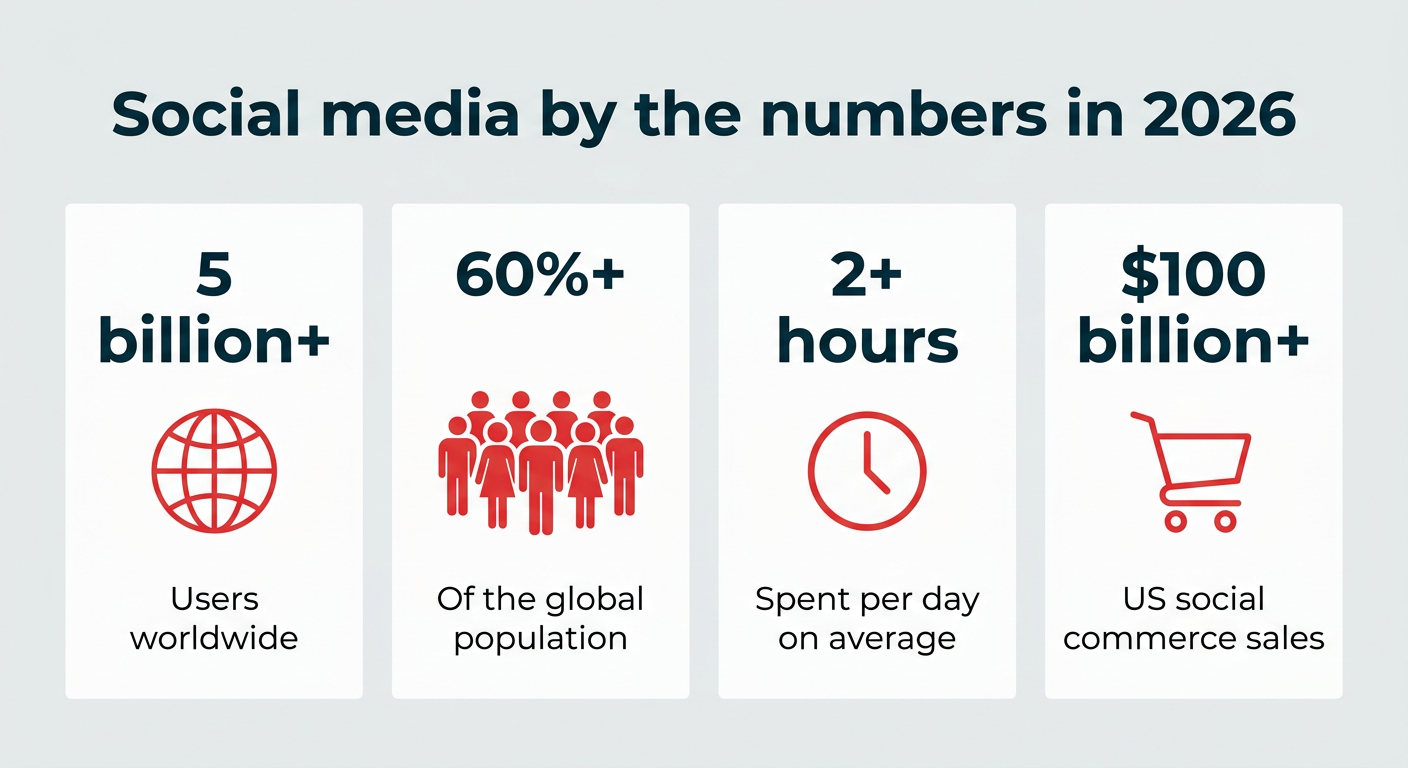
From the humming server rooms of 1970s universities to the AI-augmented, hyper-personalized feeds of 2026, social media has undergone a metamorphosis that fundamentally altered the human experience. What began as an experimental curiosity for academics has ballooned into a foundational pillar of global commerce, political discourse, and personal identity. Today, over five billion people—roughly 60% of the world’s population—are tethered to these networks, making social media one of the most significant sociological shifts in history.
The Architecture of Connection: Defining the Social Medium
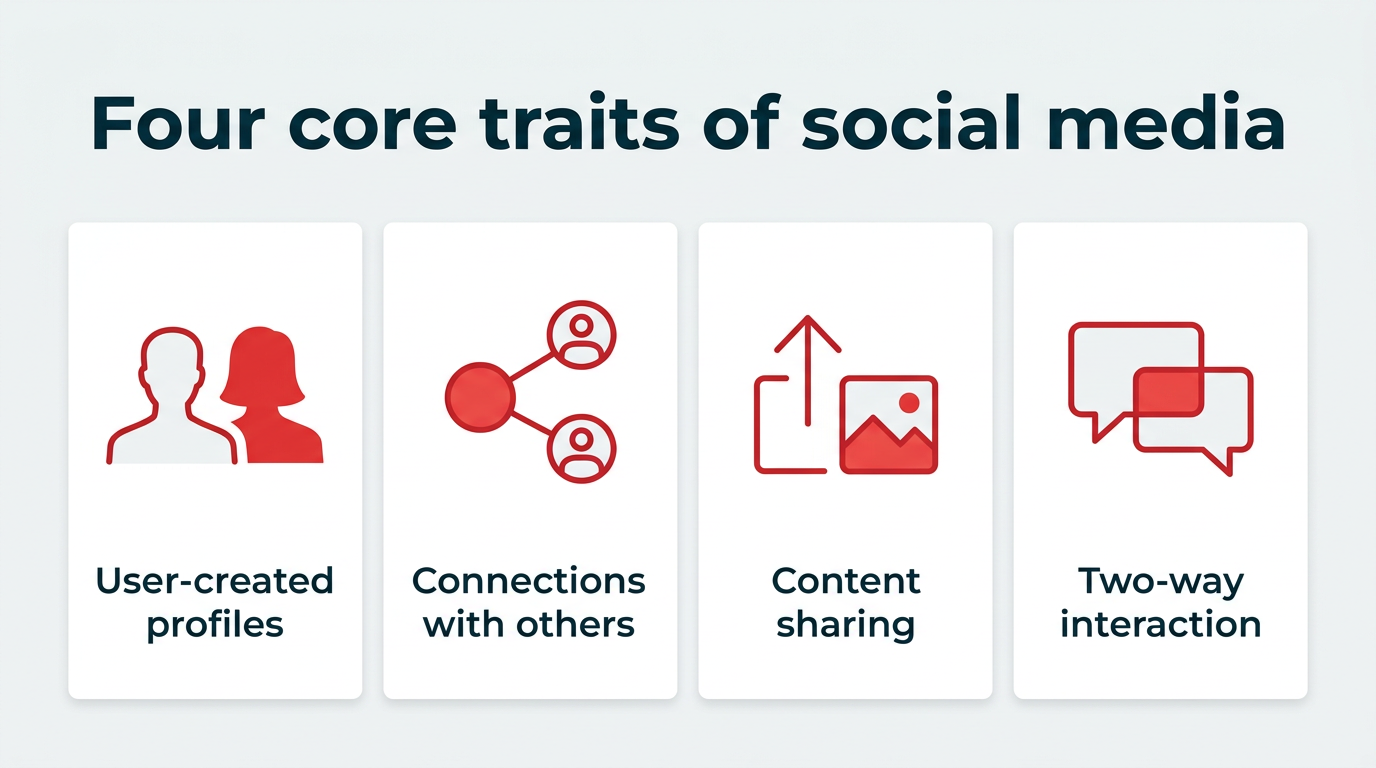
To understand the trajectory of social media, one must first strip away the branding of specific apps. At its core, social media is defined by four pillars: the creation of a persistent user profile, the ability to build and curate a network of connections, the capability to generate and publish content, and the existence of a feedback mechanism (likes, comments, or shares).

While today we equate these features with the likes of Instagram or X, the DNA of these platforms was forged decades ago. The transition from the one-to-many broadcast model—typified by television and radio—to the many-to-many conversation model was not an overnight revolution. It was a steady, iterative process of making digital spaces increasingly human, visual, and intuitive.
A Chronology of Connectivity
The history of social media is a timeline of shrinking distances.

The Proto-Social Era (1970–1994)
Long before the "social network" was a household term, the seeds were sown. In 1973, Community Memory emerged as one of the first public computerized bulletin board systems. It was rudimentary, text-only, and technical, yet it signaled a profound realization: computers could be used for dialogue, not just computation. This was followed by the 1979 launch of Usenet, which acted as a distributed discussion system, effectively serving as the prototype for modern forum-based communities. By 1988, Internet Relay Chat (IRC) brought real-time group texting to the masses, setting the stage for the instant-messaging culture that would define the 1990s.
The Dawn of Profiles (1995–2003)
The mid-90s saw the democratization of web hosting. GeoCities allowed everyday users to claim a patch of digital real estate, fostering a sense of identity that was previously reserved for organizations. However, the true "social network" arrived in 1997 with SixDegrees.com. It was the first platform to combine a public profile with a "friends list," proving the utility of a digital social graph. Friendster (2002) and Myspace (2003) took this model to the mainstream, introducing the concept of personal status updates and the ability to customize one’s digital appearance with music and photos.
The Web 2.0 and Mobile Revolution (2004–2016)
This era marked the shift from "static" web pages to "dynamic" platforms. Facebook (2004) introduced a cleaner, more reliable alternative to the chaotic landscape of Myspace. Simultaneously, YouTube (2005) and Twitter (2006) revolutionized content consumption by prioritizing video and real-time micro-updates.
The launch of the iPhone in 2007 acted as a catalyst for the "Mobile First" era. By 2010, the launch of Instagram and Pinterest shifted the focus from text to high-fidelity imagery. Snapchat added the element of ephemerality in 2011, proving that users wanted a "disappearing" digital history, a trend that would later be adopted by nearly every major platform.
The Algorithmic and Creator Era (2017–Present)
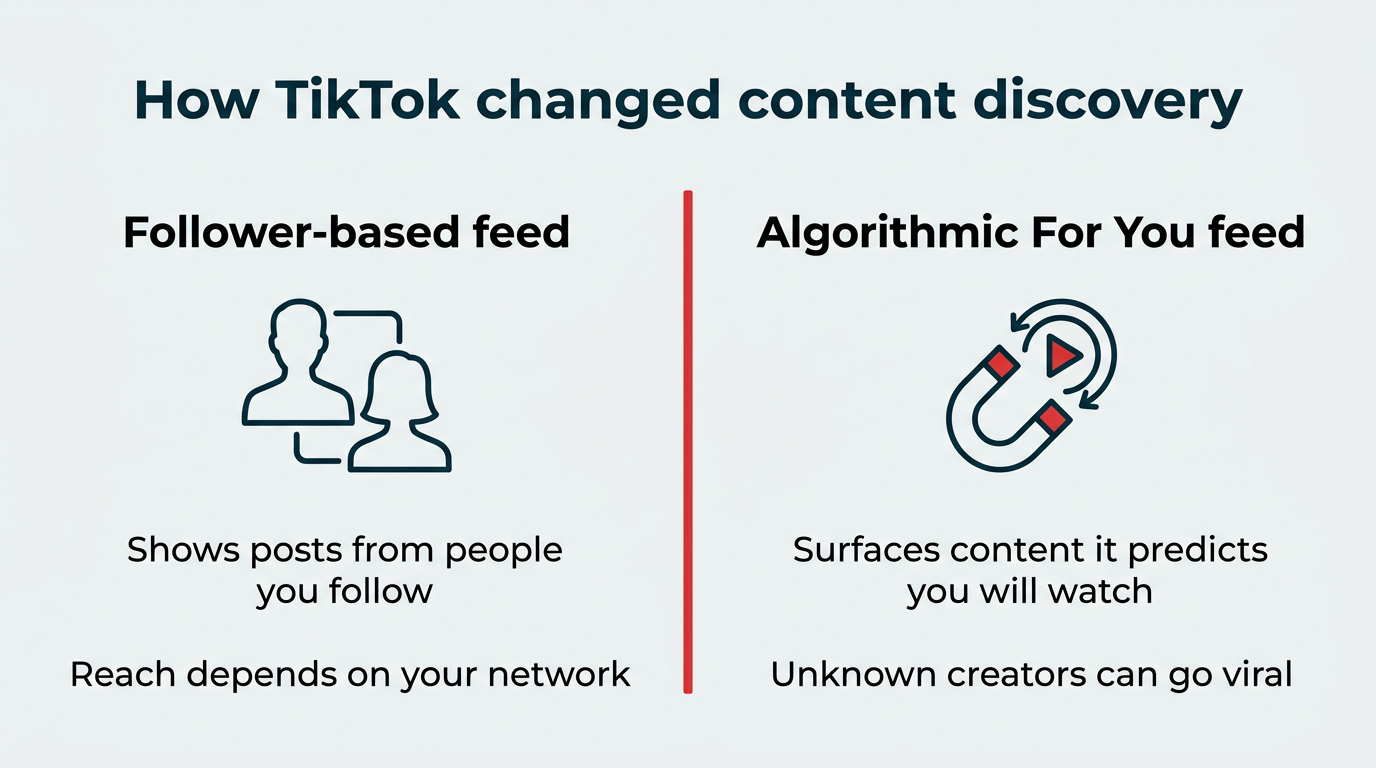
The rise of TikTok in 2017 represented a seismic shift in platform logic. By moving away from a strictly follower-based feed to an AI-driven discovery engine (the "For You" page), the platform changed how content is consumed. Users no longer needed to build an audience; the algorithm would find the audience for them. This period also saw the professionalization of the "Creator Economy," with monetization features, social commerce (Facebook/Instagram Shops), and live-streaming tools becoming standard.
Supporting Data: The Scale of Modern Social Media
The numbers in 2026 reflect a landscape of unprecedented reach. With over 5 billion active users, the "attention economy" is the primary marketplace of the modern world.
| Platform | Launch Year | Primary Focus |
|---|---|---|
| 2004 | General Networking / Community | |
| YouTube | 2005 | Long-form & Short-form Video |
| X (Twitter) | 2006 | Real-time Discourse |
| 2010 | Visual Storytelling | |
| 2010 | Visual Discovery | |
| TikTok | 2016 | AI-Driven Algorithmic Video |
The data indicates that while user numbers continue to climb, there is a marked trend toward "platform fragmentation." Users are increasingly balancing their time between legacy networks and newer, decentralized, or niche alternatives like Bluesky, reflecting a growing consumer fatigue with centralized, ad-heavy environments.
Official Perspectives and Regulatory Challenges
The growth of social media has not been without significant friction. The 2018 Cambridge Analytica hearings acted as a wake-up call for global regulators. The realization that user data could be harvested and weaponized for political influence forced a reckoning regarding privacy, data ownership, and the role of "Big Tech" in democratic processes.

Mark Zuckerberg’s testimony before the U.S. Congress served as a turning point, marking the end of the "innocent era" of social media. Since then, companies have been forced to invest billions in content moderation, algorithmic transparency, and data protection, while also facing legislative pressure regarding the mental health impact of their platforms on younger demographics.
The Implications: A Shift in Human Behavior
The integration of social media into daily life has rewired human communication. The shift from one-to-many broadcasting to many-to-many interaction has dissolved the barrier between the public and private spheres.
Economic Implications
For businesses, social media is no longer an optional marketing channel; it is a critical business function. Companies now operate as media entities, with entire departments dedicated to social listening, customer advocacy, and influencer partnerships. The rise of social commerce—buying goods directly within an app—has effectively turned the social feed into a digital storefront, collapsing the sales funnel.
Societal Implications
Societally, the impact is more complex. While social media has empowered marginalized communities and facilitated global movements (e.g., #MeToo, #BlackLivesMatter), it has also facilitated the rapid spread of misinformation and echo-chamber dynamics. The "attention economy" creates a persistent competition for the user’s cognitive resources, with apps designed to maximize time-on-device through variable rewards and notifications.
Future Outlook: The AI-Driven Frontier
As we look toward the remainder of the 2020s, three trends are defining the next chapter:
- Generative AI Integration: Platforms are no longer just repositories for human-created content; they are becoming tools for AI-generated creation. From predictive text to deepfake-aware filters, AI is the new infrastructure of the feed.
- Decentralization: Users are showing a preference for "walled gardens" and smaller, community-focused spaces. This shift suggests a move away from the "town square" model toward smaller, more intimate digital tribes.
- Regulatory Maturity: Governments worldwide are moving from reactive regulation to proactive governance. Laws regarding AI ethics, data portability, and the "right to be forgotten" will likely define the legal landscape of the next five years.
For the modern professional, the lesson of this history is clear: the only constant is change. Platforms are ephemeral, but the human desire to connect, share, and influence is permanent. The teams and brands that thrive in this environment are not those that bet on a single app, but those that maintain a flexible, human-centric strategy capable of adapting to the next technological shift.
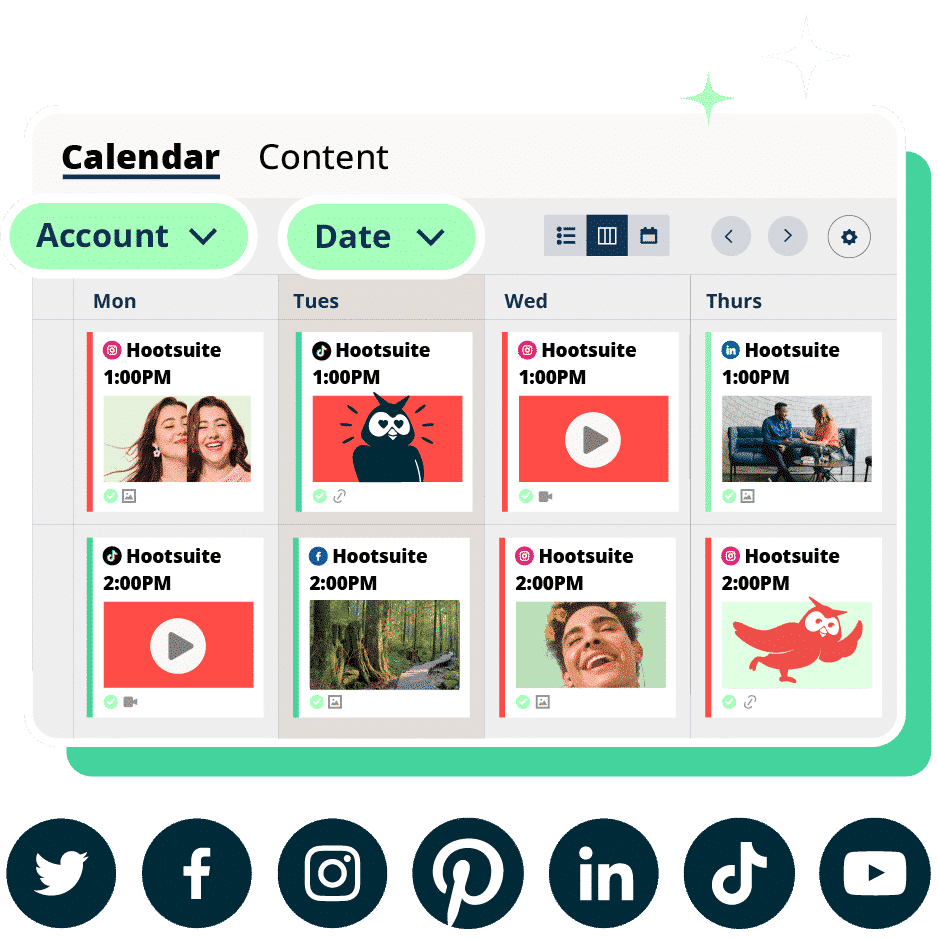
As we navigate this complex digital terrain, the tools at our disposal—from scheduling platforms to data analytics suites—remain the primary way to manage the sheer scale of modern discourse. Whether you are a brand, a creator, or a user, the future of social media is not just about what we post, but how we adapt to the tools that define our shared digital future.
 Reynand Wu
  Muslim
  Nila Kartika Wati