
 By Neng Nana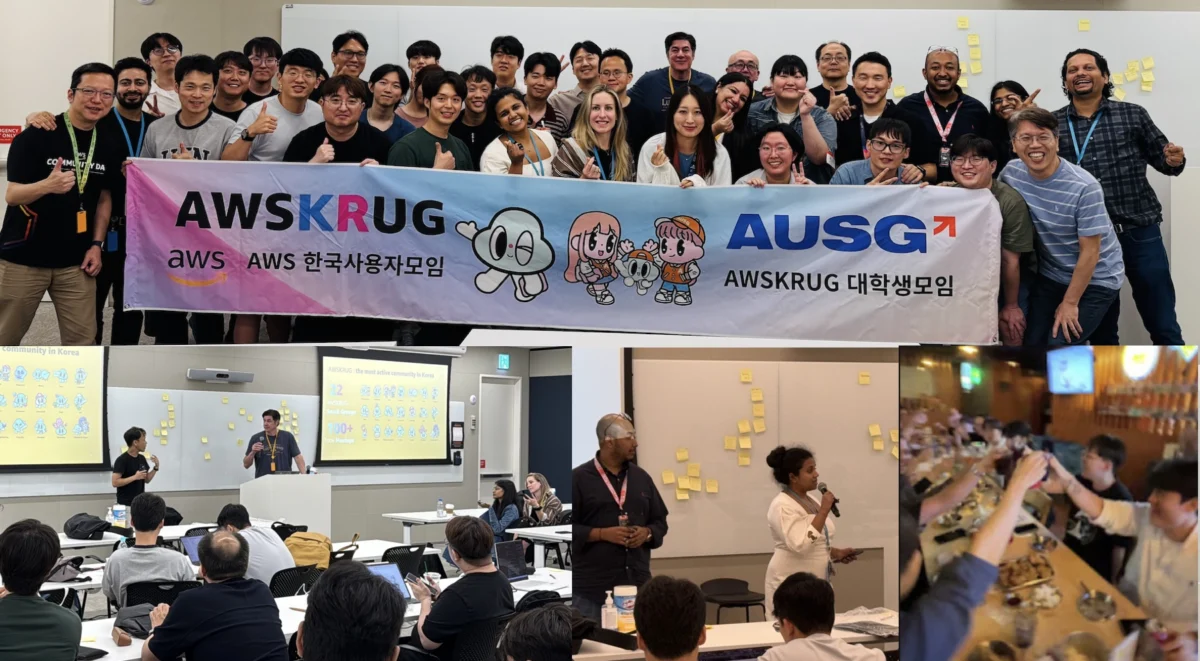
Main Facts
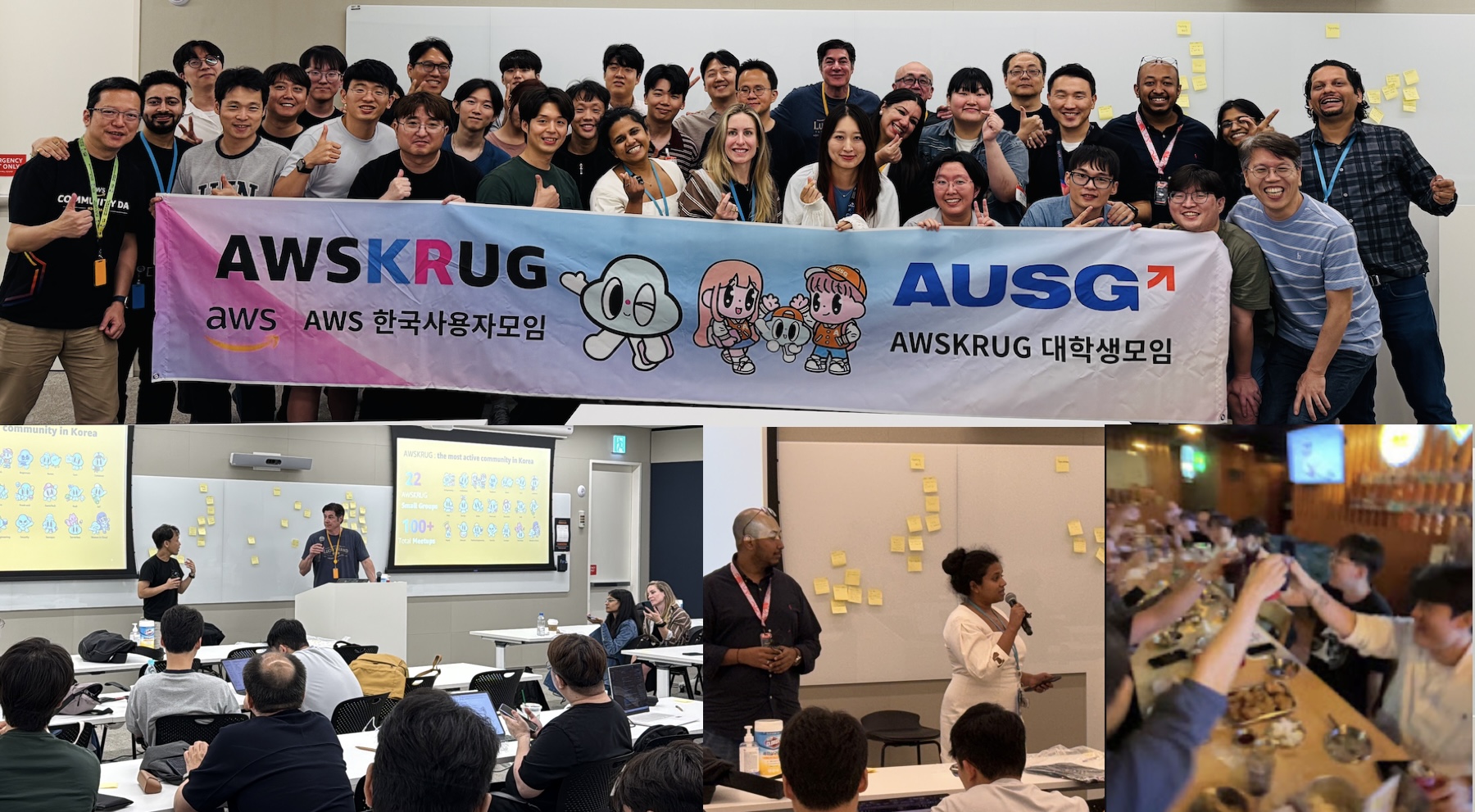
The global cloud computing landscape continues to evolve at a relentless pace, driven by deeper integrations between artificial intelligence and foundational infrastructure. In the latest weekly review from Amazon Web Services (AWS), community engagement took center stage alongside high-impact developer tooling updates. The AWS Developer Experience team highlighted its recent diplomatic and collaborative mission to Seoul, South Korea, where representatives met with the leadership of the AWS Korea User Group (AWSKRUG)—the largest cloud developer community in the country.
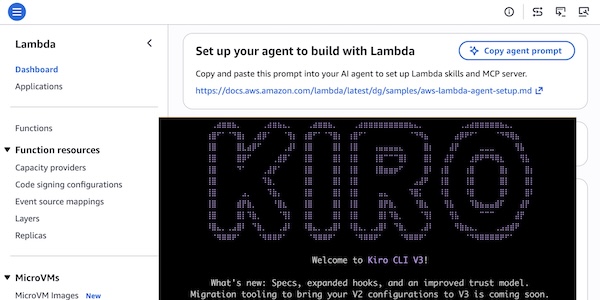
Beyond community outreach, the standout technical highlight of the week is the introduction of a new one-click Lambda setup prompt for coding agents. This feature is engineered to streamline how AI-driven software development tools integrate with AWS serverless architectures. By equipping coding agents with built-in AWS Serverless skills and the Serverless Model Context Protocol (MCP) server, developers can ensure that serverless best practices are embedded into applications from the very first line of code.
Simultaneously, AWS addressed a recent operational disruption. Over the preceding weekend, an issue with AWS Cost Explorer displayed inaccurate estimated billing data, triggering erroneous budget and cost anomaly detection alerts for certain users. AWS quickly mobilized to resolve the issue, confirmed that all services have returned to normal operations, and issued a formal commitment to transparency and preventative retrospectives.
Chronology of Events
To understand how these developments unfolded over the past week, a chronological timeline highlights the sequence of key engagements, technical rollouts, and incident management steps:
- Mid-Week: The AWS Developer Experience team arrived in Seoul to conduct strategic alignment and feedback sessions with AWSKRUG leaders. Discussions focused on evaluating first-half community milestones, identifying operational friction points, and fostering cross-cultural collaboration—culminating in an informal networking session featuring traditional Korean Chimaek (chicken and beer).
- Late Week: AWS rolled out the new one-click Lambda setup prompt for coding agents. The release included comprehensive documentation pointing to installation pathways for modern AI coding assistants, including Claude Code, Kiro, Cursor, GitHub Copilot, Codex, Devin Desktop, and OpenCode.
- The Weekend: An operational anomaly occurred within AWS Cost Explorer, causing inaccurate estimated billing metrics and generating inflated cost alerts for a subset of users.
- Early Following Week: AWS engineers isolated and resolved the Cost Explorer issue, restoring accurate reporting. The incident was documented on the AWS Health Dashboard, and leadership initiated an internal review to overhaul incident response mechanisms for billing telemetry.
Supporting Data and Technical Metrics
The latest updates underscore the massive scale of developer ecosystems and the rapid integration of Model Context Protocol (MCP) standards within enterprise cloud workflows.
1. AWS Korea User Group (AWSKRUG) Scale
- Total Meetup Groups: 20 distinct sub-groups organized by specific technical topics and geographic regions.
- Event Frequency: Over 100 community-driven events hosted annually, predominantly anchored in the Seoul metropolitan area.
- Community Impact: Serves as the premier hub for cloud adoption, peer-to-peer knowledge sharing, and feedback loops between regional builders and AWS product teams.
2. AI Coding Agent Integration Frameworks
The new one-click configuration leverages standardized Model Context Protocol (MCP) servers to bridge AI assistants with AWS cloud infrastructure safely. Developers can initialize their environments using straightforward command patterns:
- Lambda Setup Prompt Command:
fetch https://docs.aws.amazon.com/lambda/latest/dg/samples/aws-lambda-agent-setup.md - Agent Toolkit for AWS Setup Command:
fetch https://raw.githubusercontent.com/aws/agent-toolkit-for-aws/refs/heads/main/setup-instructions/setup.md - Supported AI Developer Ecosystems: Claude Code, Kiro, Cursor, GitHub Copilot, Codex, Devin Desktop, and OpenCode.
Official Responses and Incident Management
Addressing both community relations and operational reliability, AWS representatives maintained an open dialogue with developers and enterprise clients alike.
Community Feedback and Developer Experience
Reflecting on the trip to Seoul, the AWS Developer Experience team emphasized the importance of direct, candid feedback. During the strategy sessions, local community leaders provided constructive critiques regarding regional resource allocation, documentation localization, and developer tooling ergonomics. These insights directly inform how AWS structures its developer advocacy programs for the remainder of the fiscal year.

The Cost Explorer Incident Response
Regarding the weekend billing reporting glitch, AWS released an official statement via the AWS Health Dashboard detailing the scope of the disruption:
"Some customers experienced an issue with Cost Explorer displaying inaccurate estimated billing data last weekend. They may have received erroneous budget and cost anomaly detection alerts, and observed inflated estimated cost and usage data. The issue has been resolved, and all AWS services are operating normally."
AWS management acknowledged the anxiety caused by erratic financial telemetry—particularly for organizations operating under strict budgetary constraints. To restore absolute trust, the company announced a comprehensive internal retrospective aimed at hardening monitoring pipelines against similar metric corruptions and accelerating communication protocols when non-critical operational anomalies occur.
Implications for Developers and Enterprises
The convergence of these events signals a broader shift in how cloud infrastructure providers support their ecosystems.
1. The Mainstreaming of AI-Assisted Cloud Architecture
The rollout of one-click Lambda prompts and the Agent Toolkit for AWS marks a maturation in generative AI utility for software engineering. Rather than treating AI coding assistants as isolated text generators, cloud providers are actively embedding standardized context protocols (MCP). By pre-loading agents with AWS serverless best practices, security guardrails, and native syntax shortcuts, development teams can reduce architectural debt, minimize configuration errors, and accelerate time-to-market for cloud-native applications.
2. Strengthening Global Developer Ties
The ongoing engagement tours—such as the visit to AWSKRUG—demonstrate that localized developer communities remain indispensable to global product development. By listening closely to regional user groups, AWS ensures that its serverless, container, and AI toolsets solve real-world problems faced by developers operating across diverse regulatory and infrastructural environments.
3. The Criticality of Financial Observability
The temporary malfunction of AWS Cost Explorer serves as a vital reminder of enterprise dependency on reliable telemetry. While core compute and storage services remained fully operational throughout the weekend, the misreporting of financial data disrupted automated governance frameworks. Moving forward, enterprises are expected to demand even more robust validation layers for cost monitoring tools, ensuring that automated anomaly alerts are backed by immutable verification checks.
As the cloud ecosystem prepares for the next wave of innovations, developers are encouraged to explore upcoming AWS-led virtual and in-person events, engage with local user groups, and utilize the AWS Builder Center to share solutions and scale their technical capabilities.
 Suro Senen
  Lina Hope
  Asep Darmawan