
 By Nana Wu
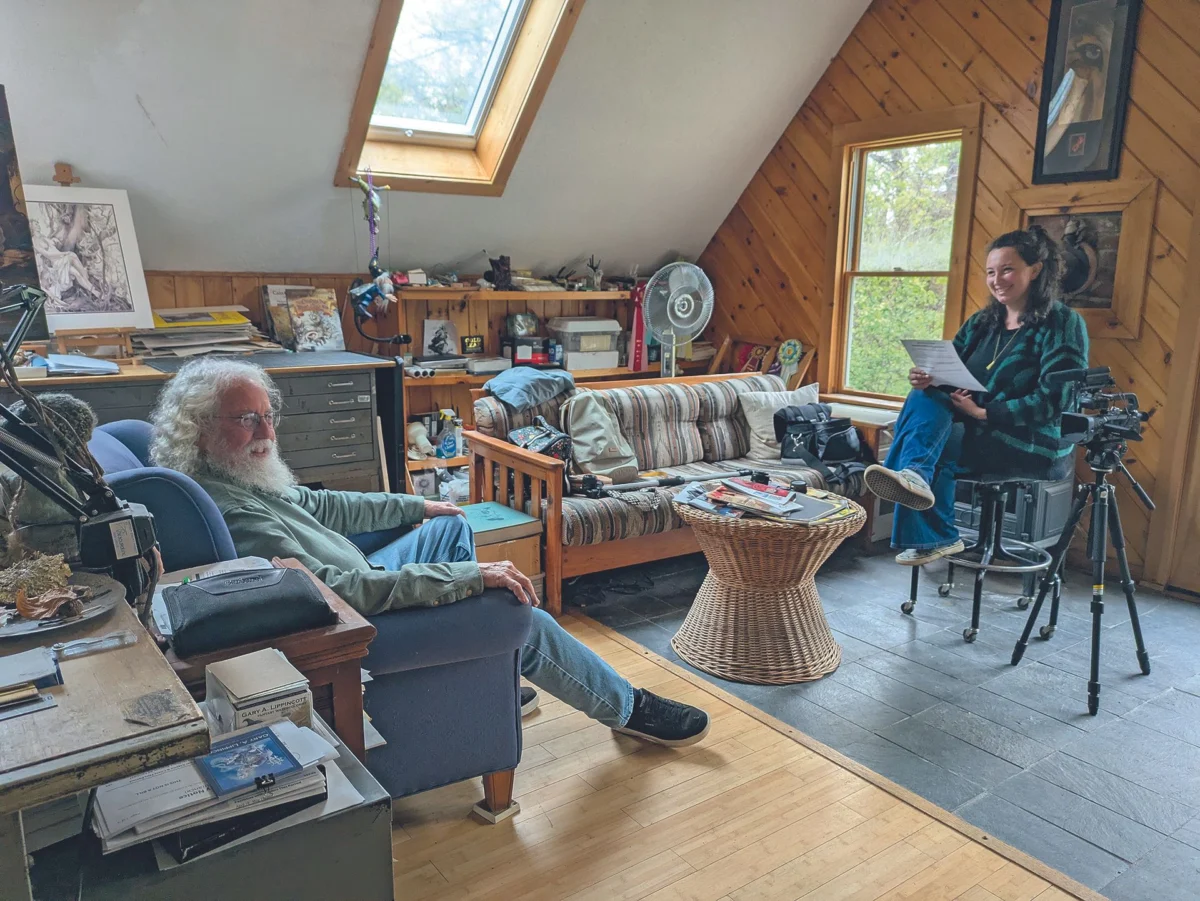
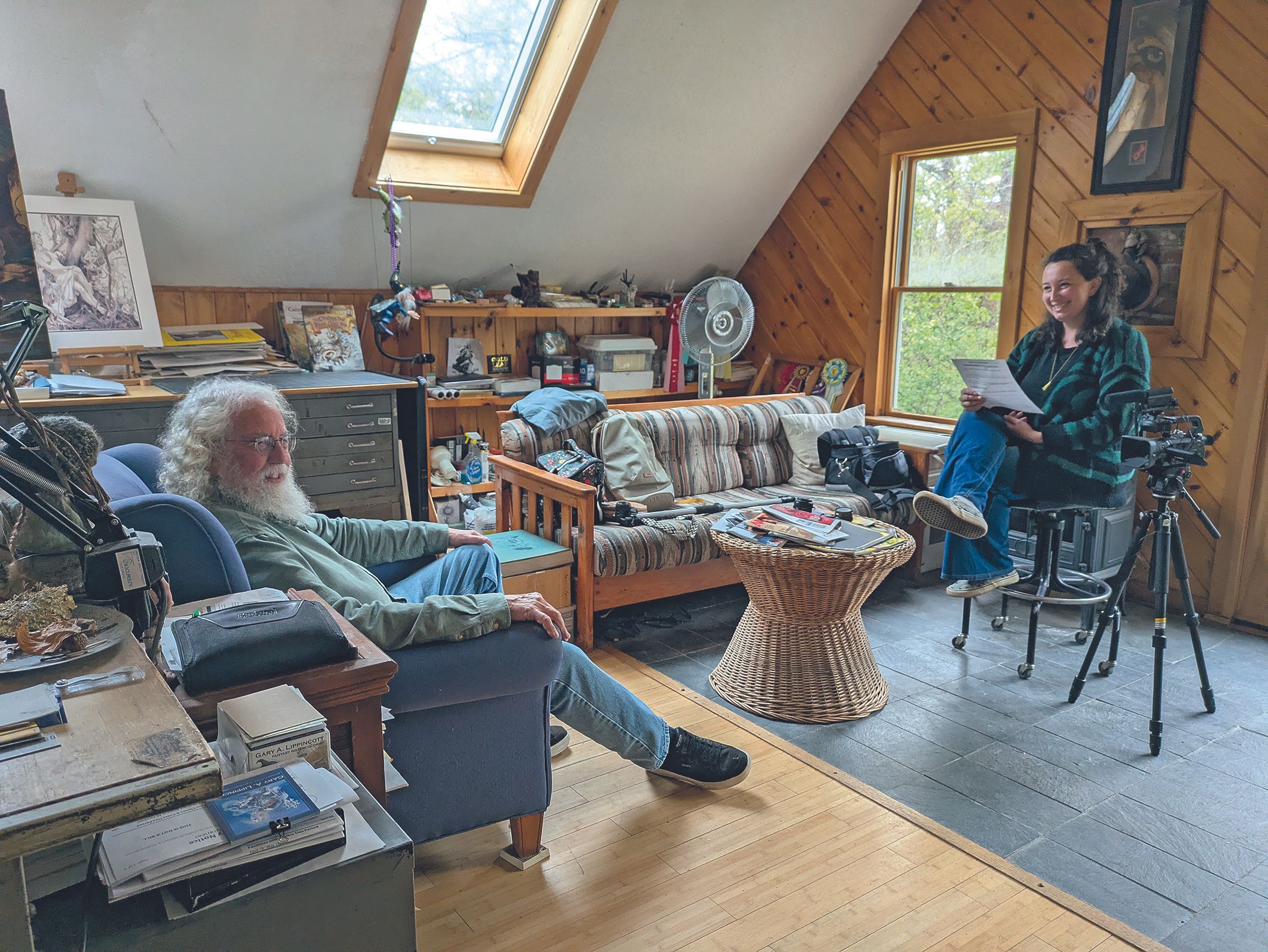
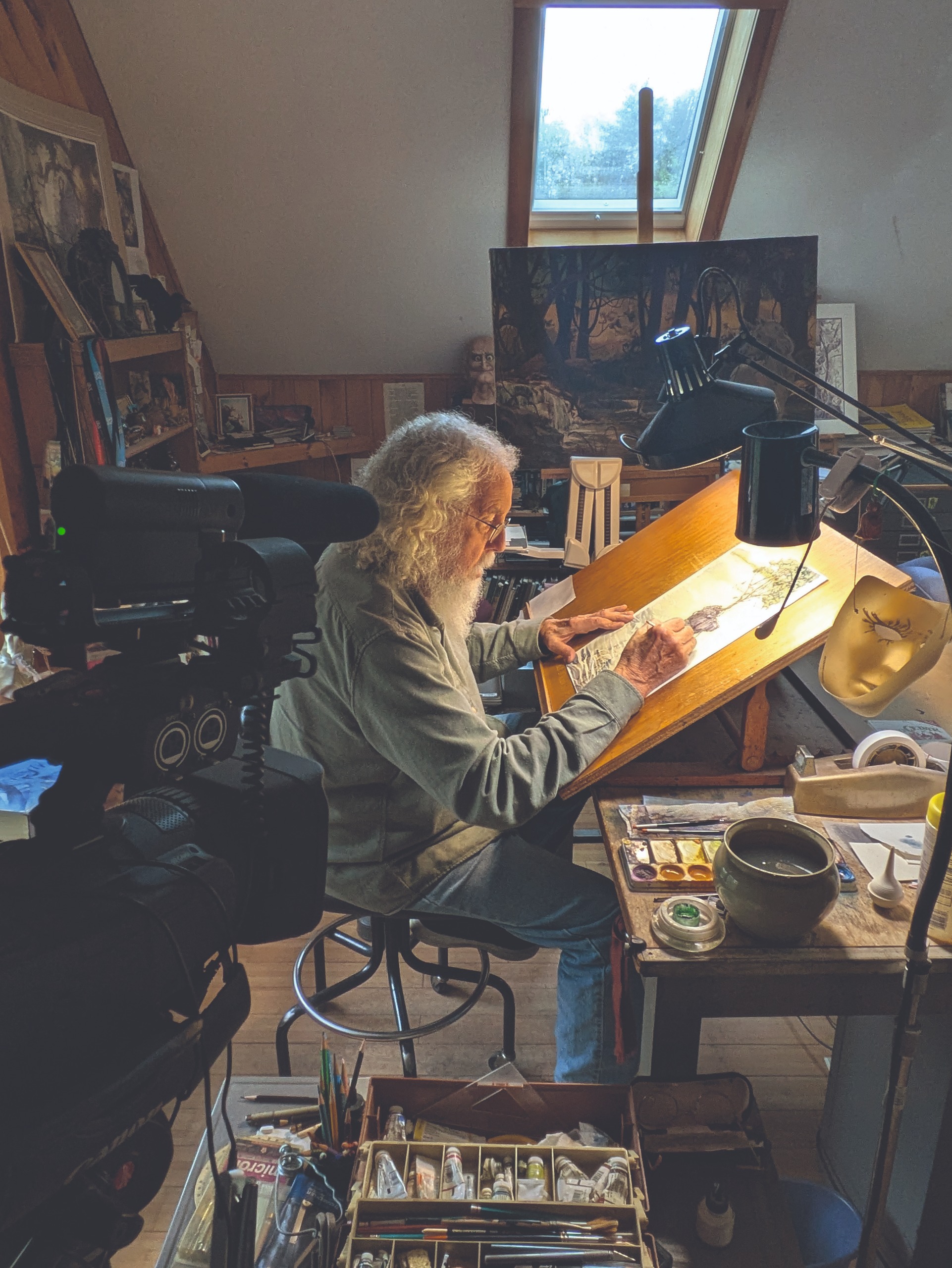
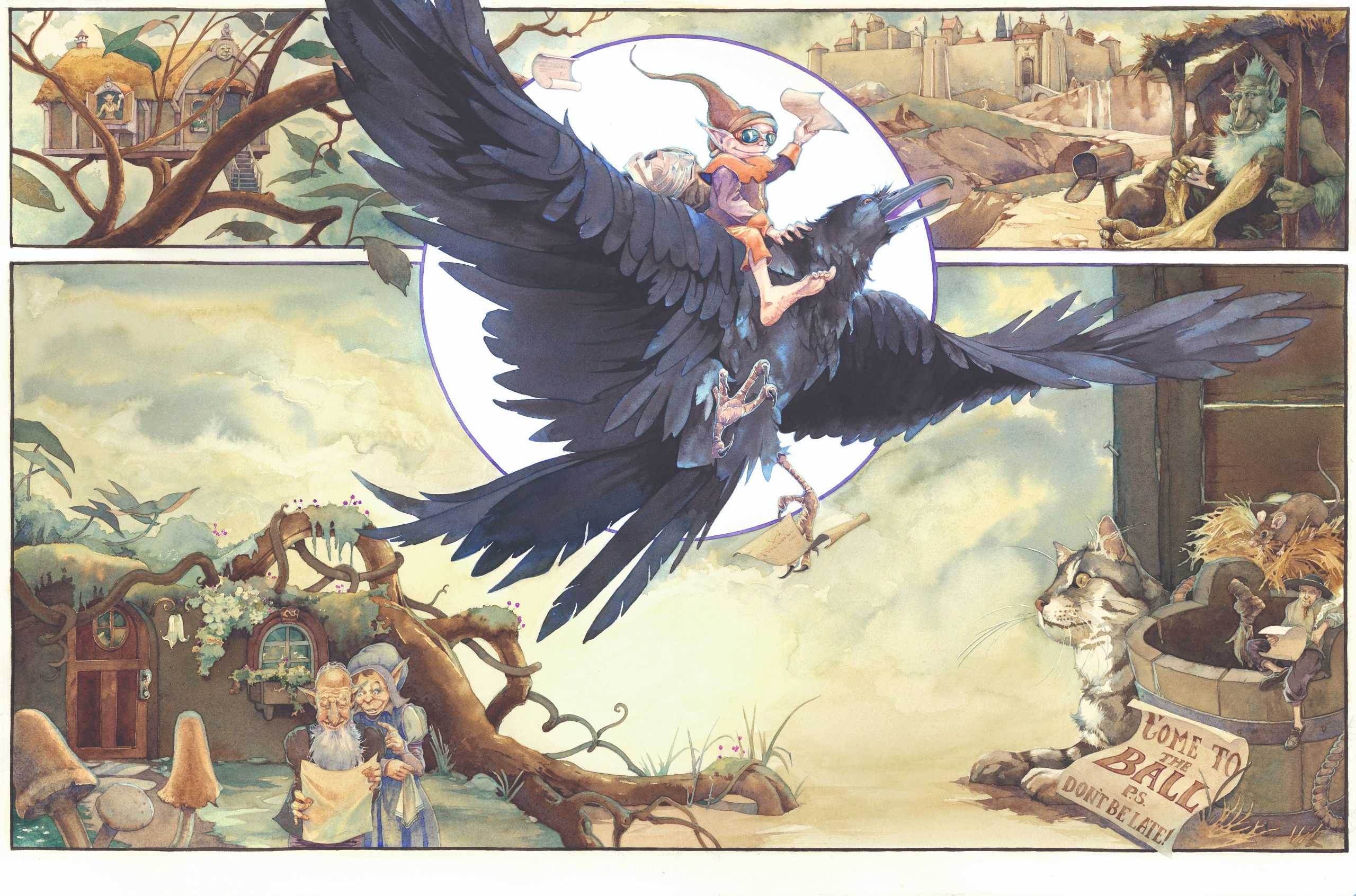
In the quiet, forested town of Petersham, Massachusetts, sits a sanctuary that feels as though it were plucked directly from the pages of a Brothers Grimm anthology. This is the studio of Gary A. Lippincott, a master of watercolour whose intricate, old-world aesthetic has captivated collectors and bibliophiles across the globe. Known for his delicate brushwork and a deep, intuitive understanding of folk and fairy tale sensibilities, Lippincott’s workspace is not merely a room—it is a laboratory of the imagination.
The Sanctum: A Workspace Born of Woods and Whimsy
For Lippincott, the creative process begins with a commute that defies the frantic pace of modern professional life. His studio is situated above a garage on his private property, tucked away from the main road and bordered by lush, conservation-protected woodlands.
"I climb the wooden stairs along the back of the garage early each morning to begin my day," Lippincott explains. The entrance to his workspace is guarded by a natural, tangled archway of bittersweet vines—a charming, if slightly ominous, feature. "I attempt to avoid the enveloping tendrils of bittersweet that are determined to pull the whole staircase down someday soon," he admits with a laugh. "I know they need to be removed, but they are just so enchanting-looking."
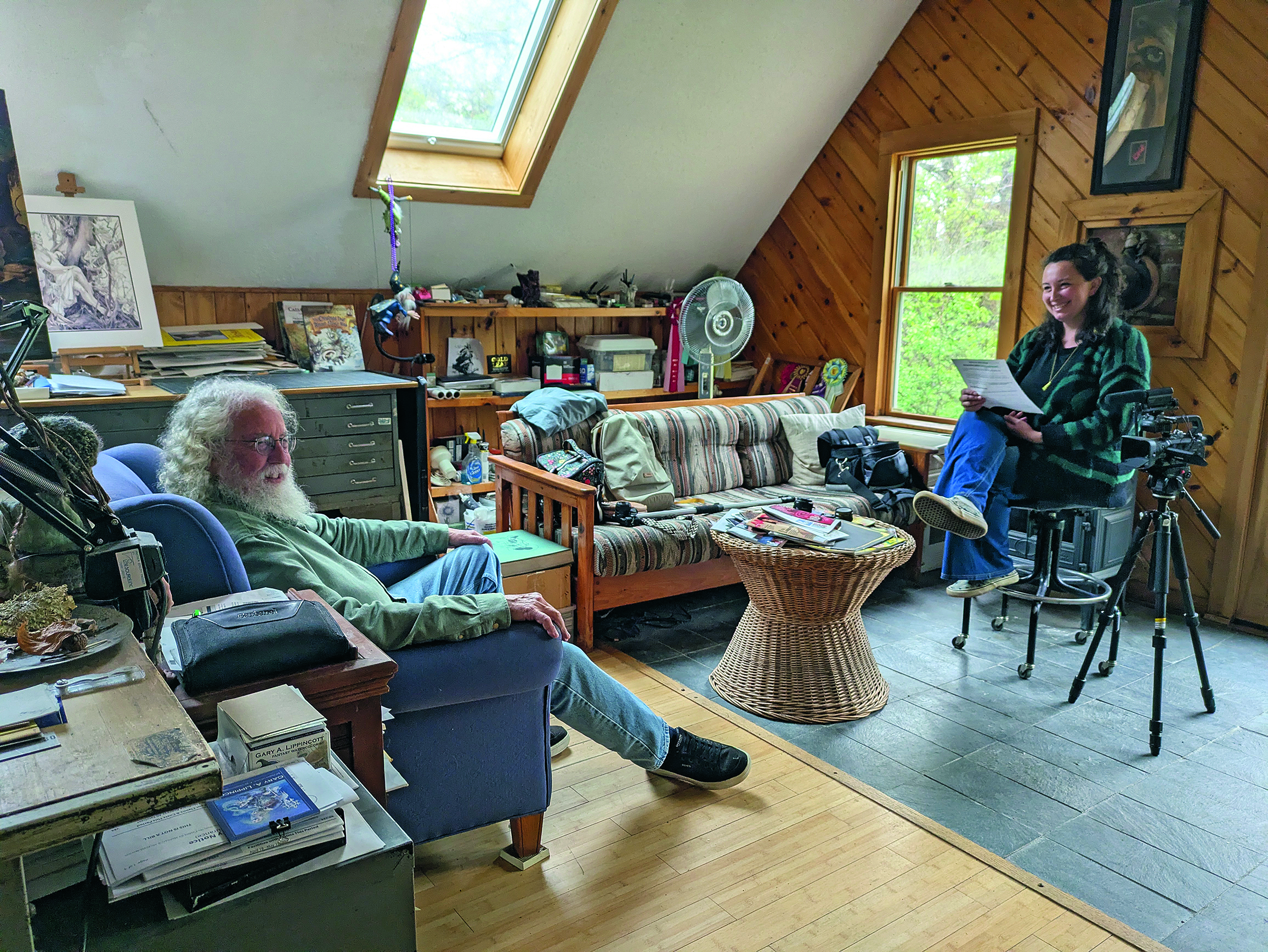
Once inside, the space is defined by light and history. Expansive windows frame the view of the surrounding woods, flooding the studio with the natural, shifting light essential for the rigorous demands of watercolour painting. In the colder New England months, a tiny, antique-style wood stove provides both warmth and a rhythmic, crackling soundtrack to his labor.
Chronology of the Craft: A Day in the Studio
The rhythm of Lippincott’s day is dictated by the slow, deliberate nature of his medium. Watercolour, by its very nature, demands patience.
Morning: The Ritual of Preparation
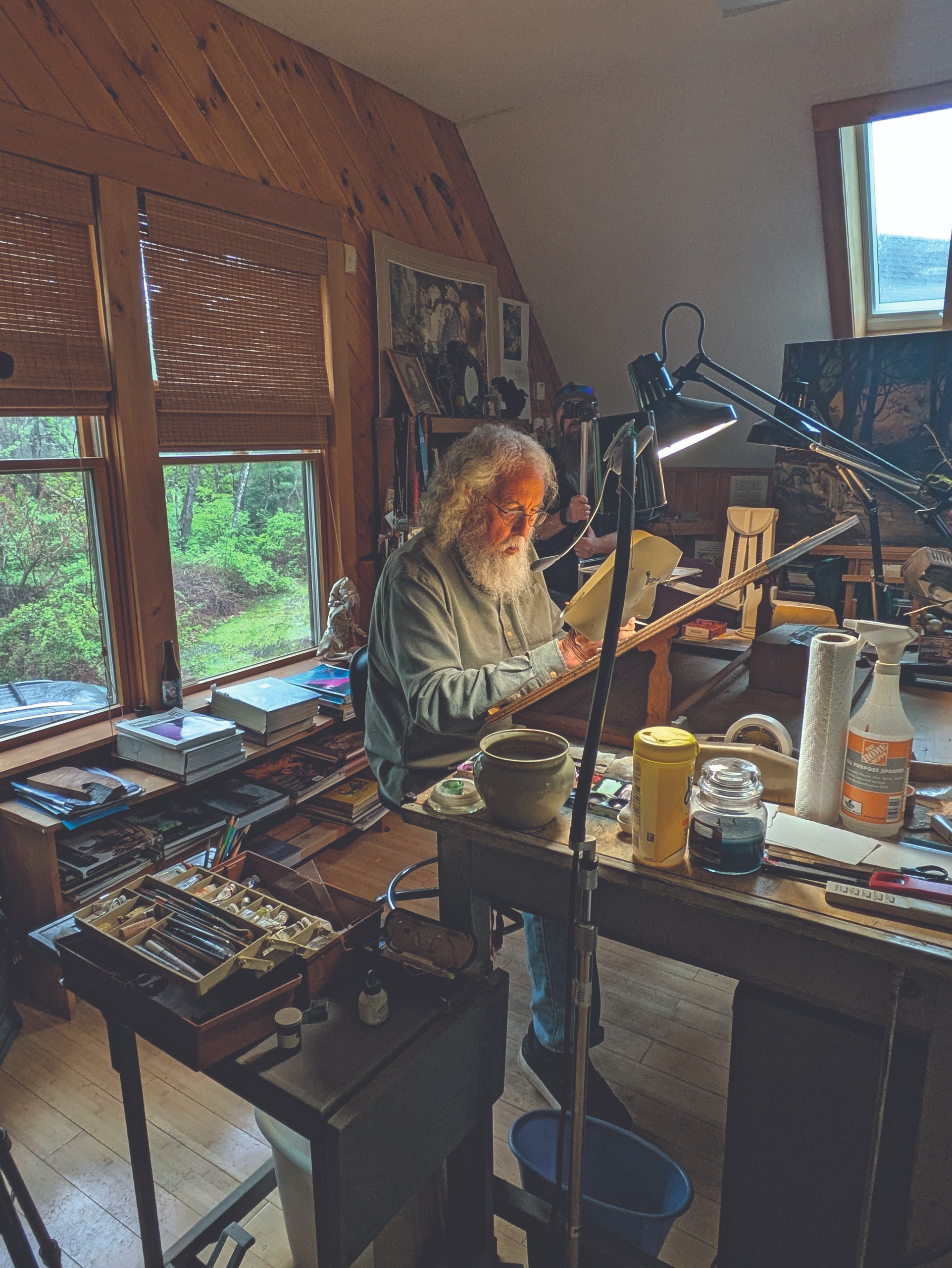
The day begins with the transition from the domestic sphere to the artistic one. Upon entering the studio, Lippincott organizes his primary tools. His professional-grade Winsor & Newton watercolours are housed in a pragmatic, vibrant orange fishing tackle box—a stark, utilitarian contrast to the ethereal, dreamlike imagery he creates.
Midday: The Balancing Act
Lippincott employs a sophisticated repertoire of techniques, oscillating between "wet-on-wet" and "wet-on-dry" applications. "Water, air, earth, fabric," he muses. "The technique that is used depends on the texture of the material I am trying to capture." During these hours, he moves between his primary watercolour illustrations and a long-term, large-scale oil painting—a sprawling, mystical scene featuring a unicorn and a fawn.
Afternoon: Reflection and Reset
As the light shifts, the intensity of the work often demands a reprieve. Lippincott keeps a large, blue armchair in the corner of the studio, specifically for "resting his eyes." He jokingly refers to this as the time he allows the "fairies and elves to rearrange the shapes in his brain" before he returns to the canvas. This mental reset is a critical component of his process, allowing him to maintain the high level of detail for which his work is renowned.
The Ecosystem of Inspiration: Supporting Data and Tools
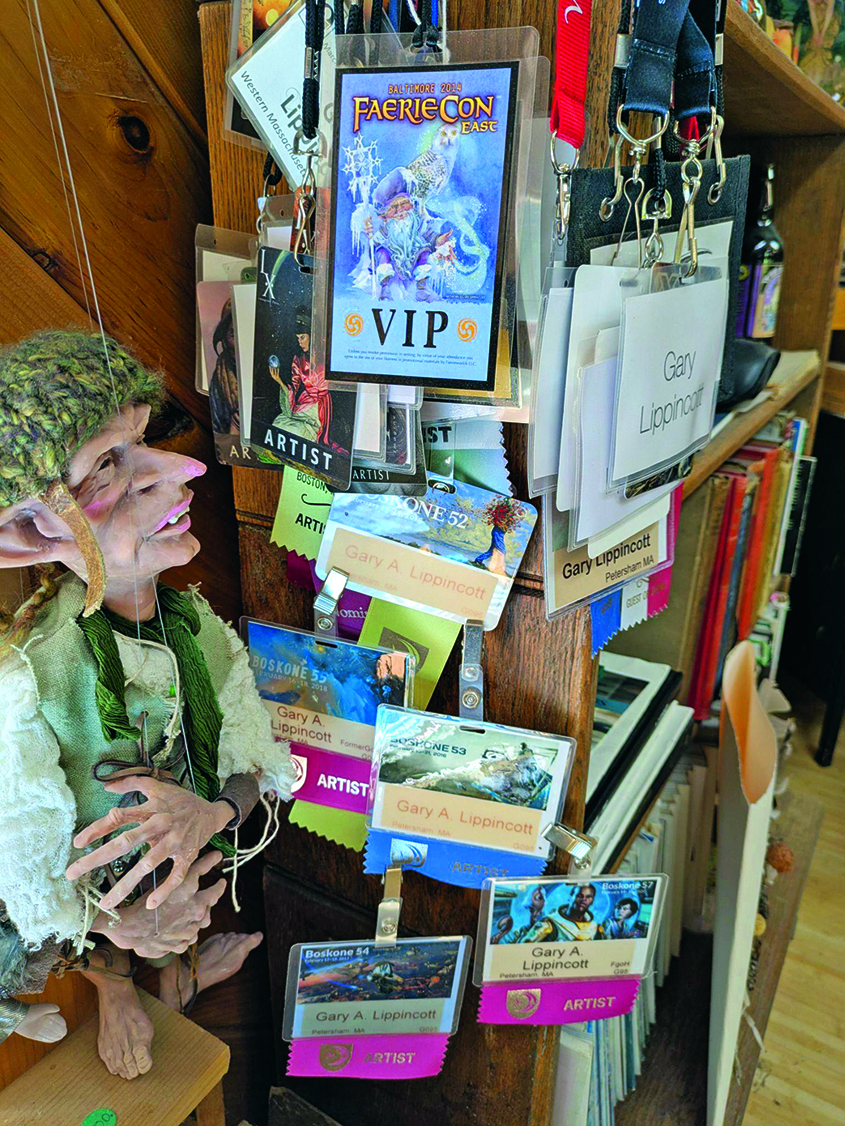
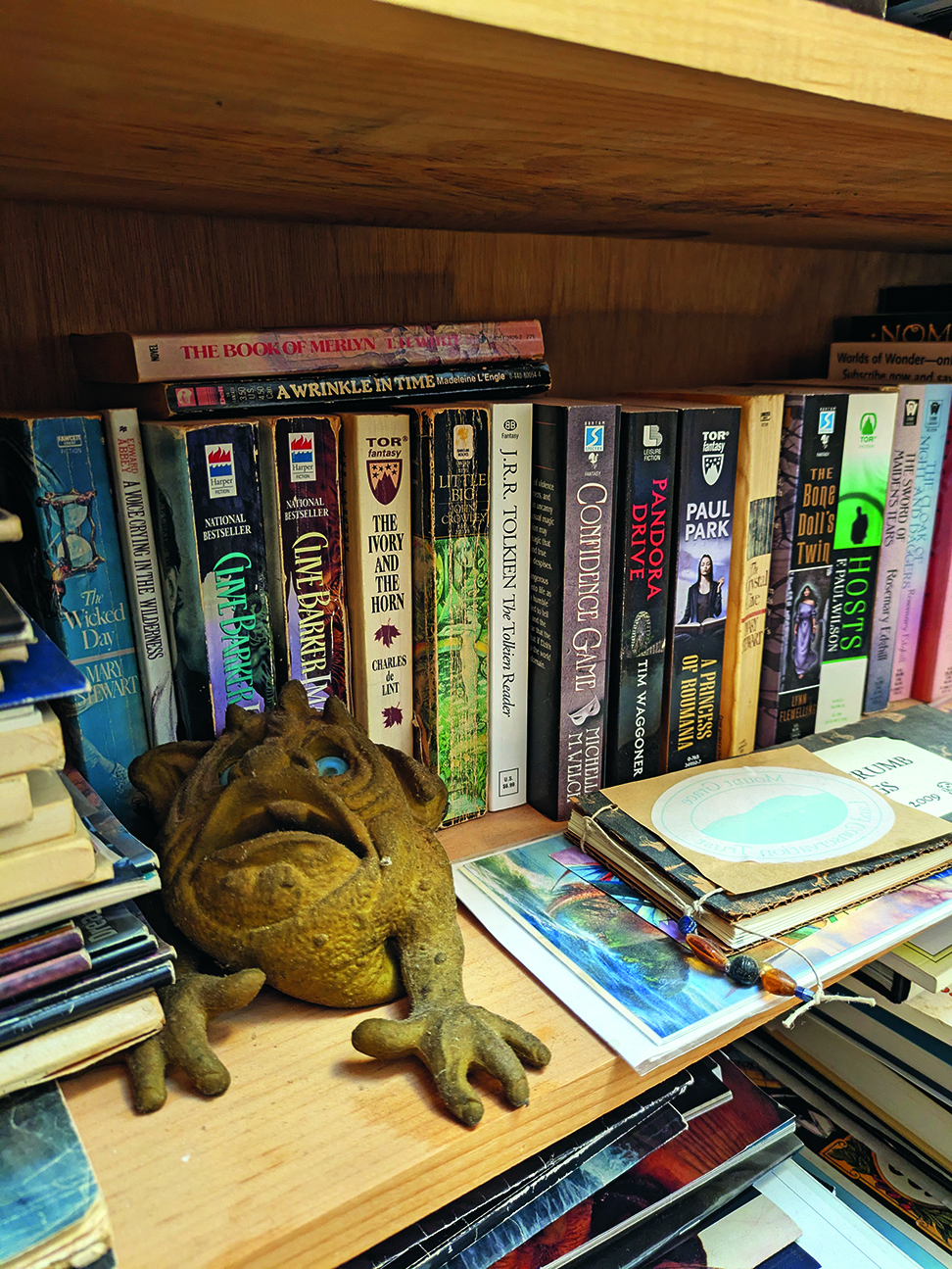
A studio is only as effective as the environment it cultivates, and Lippincott’s space is an eclectic museum of his inspirations. The walls are lined with shelves groaning under the weight of art books, fantasy novels, and a bizarre, delightful array of ephemera.
Key Elements of the Lippincott Studio:
- The Archives: His shelves are packed with reference materials that span decades, from classic folklore texts to contemporary fantasy literature.
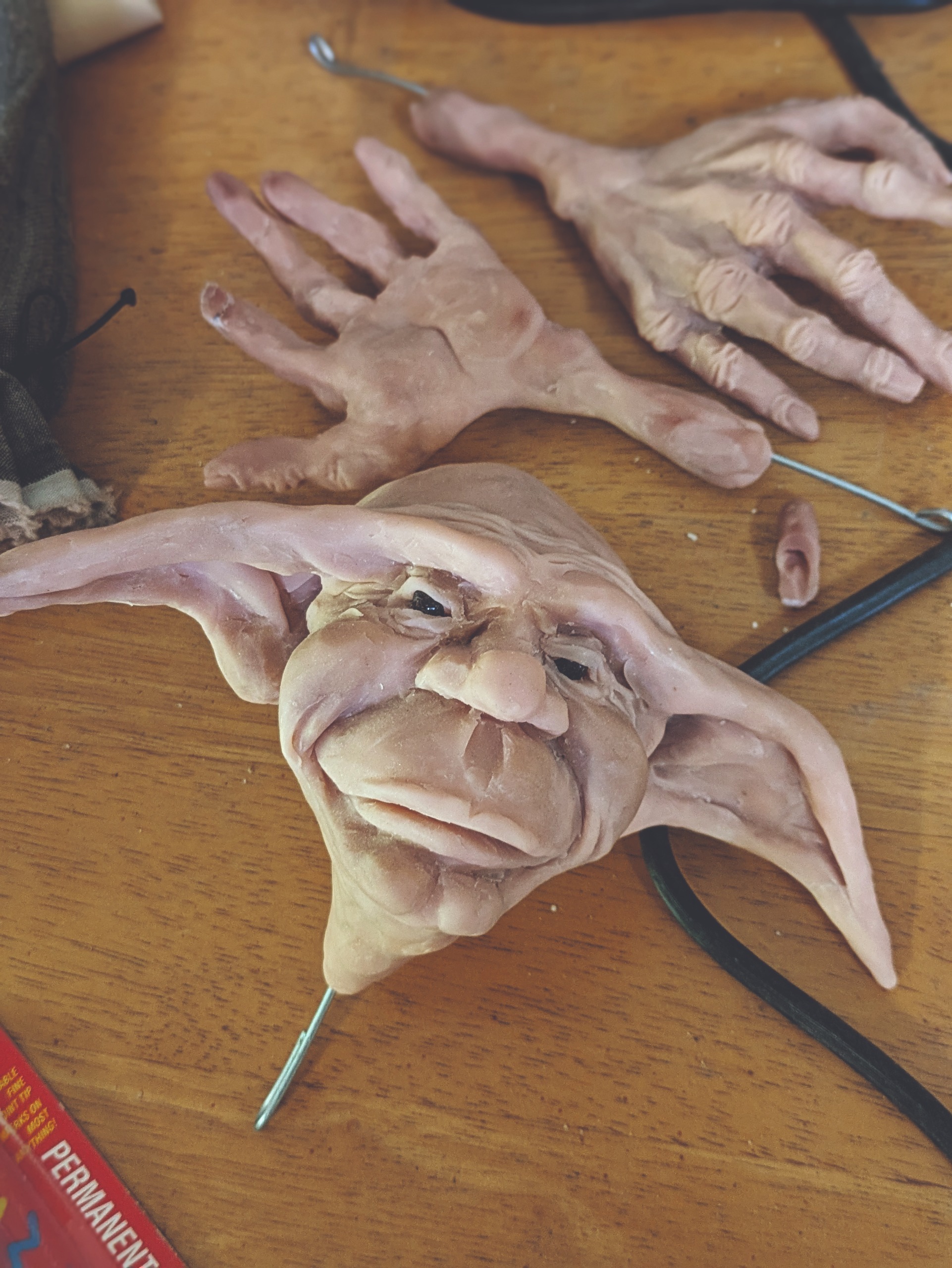
- The Curiosities: Among the art supplies sit tiny figurines, ghoulish masks, and puppets. A vintage 80s "Boglin" hand puppet serves as a watchful guardian over his collection of Clive Barker books.
- The Legacy: A pencil sharpener from the 1980s remains a daily workhorse, a testament to his preference for tools that have stood the test of time.
- The Soundscape: Music is the lifeblood of his studio. His playlists are as diverse as his artistic subjects, ranging from the cinematic, sweeping scores of The Last of the Mohicans and Cloud Atlas to the avant-garde, circus-themed compositions of Cirque du Soleil. He also draws creative energy from the "fairy-like" vocals of Tori Amos and the raw, earthy songwriting of Fiona Apple.
The Modern Challenge: Balancing Tradition with "The Socials"
Even an artist as rooted in traditional craftsmanship as Lippincott cannot fully escape the demands of the digital age. Recently, he has been encouraged to document his process for social media, a task he approaches with a mix of humor and slight trepidation.
"I have my son-in-law’s camera set up to capture time-lapses of the painting process," he notes. "I’m trying to get over the idea of having a camera behind my head for hours on end." His daughter, acting as his art representative, provides the necessary nudge: "You have to do it for the socials!"
This tension between the solitary, quiet focus required for fine art and the performative nature of modern art promotion is a common theme for many professional illustrators today. For Lippincott, the camera is merely an interloper in a space otherwise defined by the ticking of clocks, the scratching of nibs, and the occasional ring of a long-defunct, curly-corded fax machine.
Implications: The Future of the "Old World" Aesthetic
What does the existence of a studio like Lippincott’s tell us about the state of art in the digital era?
- The Persistence of Tactile Art: Despite the rise of AI-generated imagery and digital painting suites, there remains a profound, market-driven hunger for "old world" craftsmanship. Lippincott’s work, which values texture, organic imperfection, and manual labor, occupies a premium niche in the publishing and gallery markets.
- The Value of Environment: Lippincott’s success underscores the importance of the physical workspace. By surrounding himself with objects that evoke the themes of his art—fairies, ghouls, fantasy literature, and family photos—he creates a feedback loop of inspiration. The studio is not just a place where work happens; it is a catalyst for the work itself.
- The Hybrid Professional: The modern artist must be both a hermit and a digital curator. Lippincott’s transition toward incorporating time-lapse videos of his work represents a necessary evolution for artists who wish to maintain their relevance while staying true to their traditional roots.
Conclusion: An Unfinished Masterpiece
As the day ends, Lippincott might sit down at his Yamaha piano—now moved to his living room—to play by ear. He never learned to read music, preferring the intuitive connection between his hands and the keys, much like his approach to painting.
"I like to say that I have the best commute ever," he says, reflecting on his short walk from his home to his studio. "There is nothing about this I would call ‘work’."
Whether he is meticulously applying a wash of watercolour to a new illustration or adding a microscopic detail to his years-long oil painting project, Gary A. Lippincott remains a bridge between worlds. His studio, filled with the debris of a lifetime of imagination, stands as a testament to the idea that with enough patience, a little bit of wine, and a healthy collection of rubber toads, one can indeed create a career out of magic.
For those interested in exploring the tools behind this mastery, our guides on the best watercolour paints and essential art supplies offer a starting point for developing your own professional-grade studio setup.
 Reynand Wu
 Nila Kartika Wati
 Nana Muazin
