
 By Ali Ikhwan
In the rapidly evolving landscape of digital marketing, Facebook remains a cornerstone for enterprise growth. As we navigate 2026, the platform has shifted from a simple social networking site to a sophisticated, algorithm-driven ecosystem where organic reach is hard-won. With 36% of global marketers identifying Facebook as their most critical social platform, understanding how to foster genuine audience engagement is no longer just a tactical advantage—it is a business imperative.
The Anatomy of Facebook Engagement
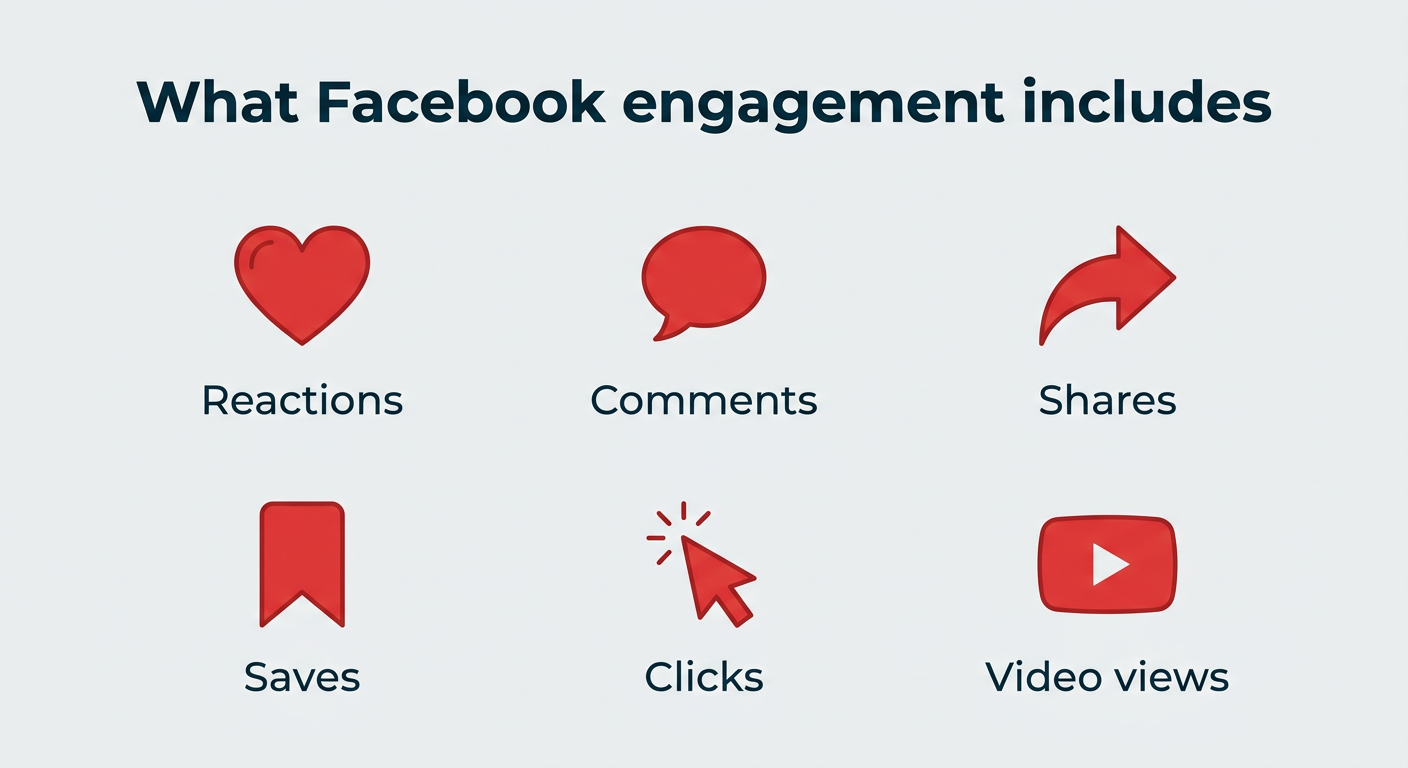
Facebook engagement is defined by any meaningful interaction a user has with your Page or content. This spans both active participation—such as comments, shares, reactions, and link clicks—and passive engagement, including video views and image expansions.

The core function of these interactions is to signal relevance to the Facebook algorithm. When a user engages with a post, the algorithm interprets this as a mandate to prioritize that content, boosting its visibility in the feed. This creates a "snowball effect": increased engagement leads to higher organic reach, which in turn attracts a wider audience beyond your existing follower base.
The 2026 Landscape: Why Strategy Matters
The days of "posting and praying" are over. Current data indicates that organic reach for branded Pages has faced steady pressure due to the sheer volume of content and the platform’s prioritization of recommended, interest-based content.
However, this is not a decline in interest; it is a shift in consumption habits. Users are gravitating toward high-value, short-form video and community-focused interactions. For brands, this necessitates a shift from vanity metrics to actionable insights. Engagement is a reportable business metric that reveals the health of your brand’s relationship with its community. If engagement drops, it serves as a diagnostic tool, signaling that it is time to pivot your format or messaging.
The Evolution of Content: Chronology of Success
To understand where we are in 2026, one must look at the progression of content formats. The early days of social media favored simple text and static images. By the mid-2020s, the rise of the "Creator Economy" forced brands to adopt a more authentic, humanized approach.
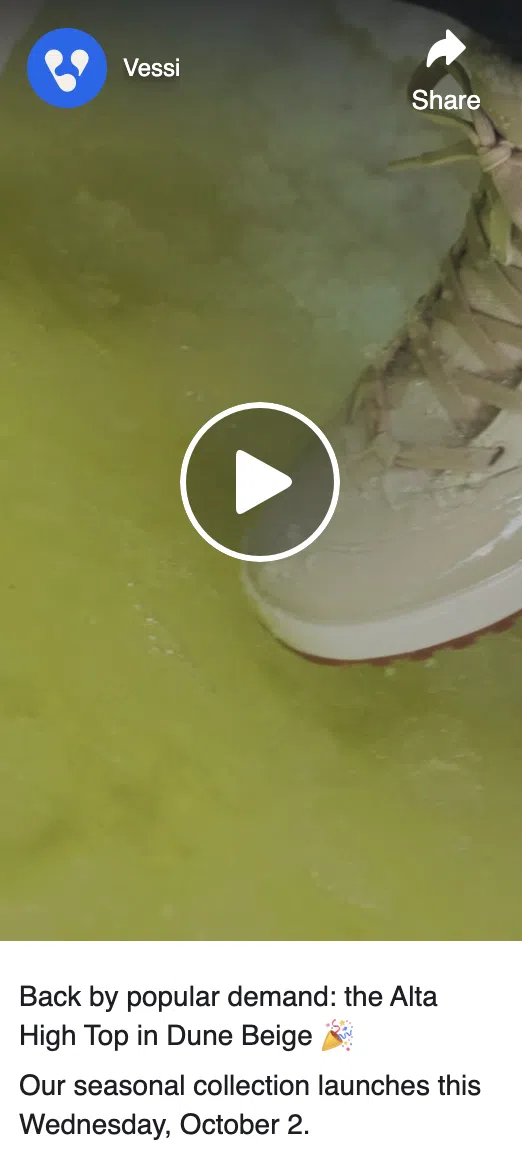
Today, the hierarchy of content is clear:

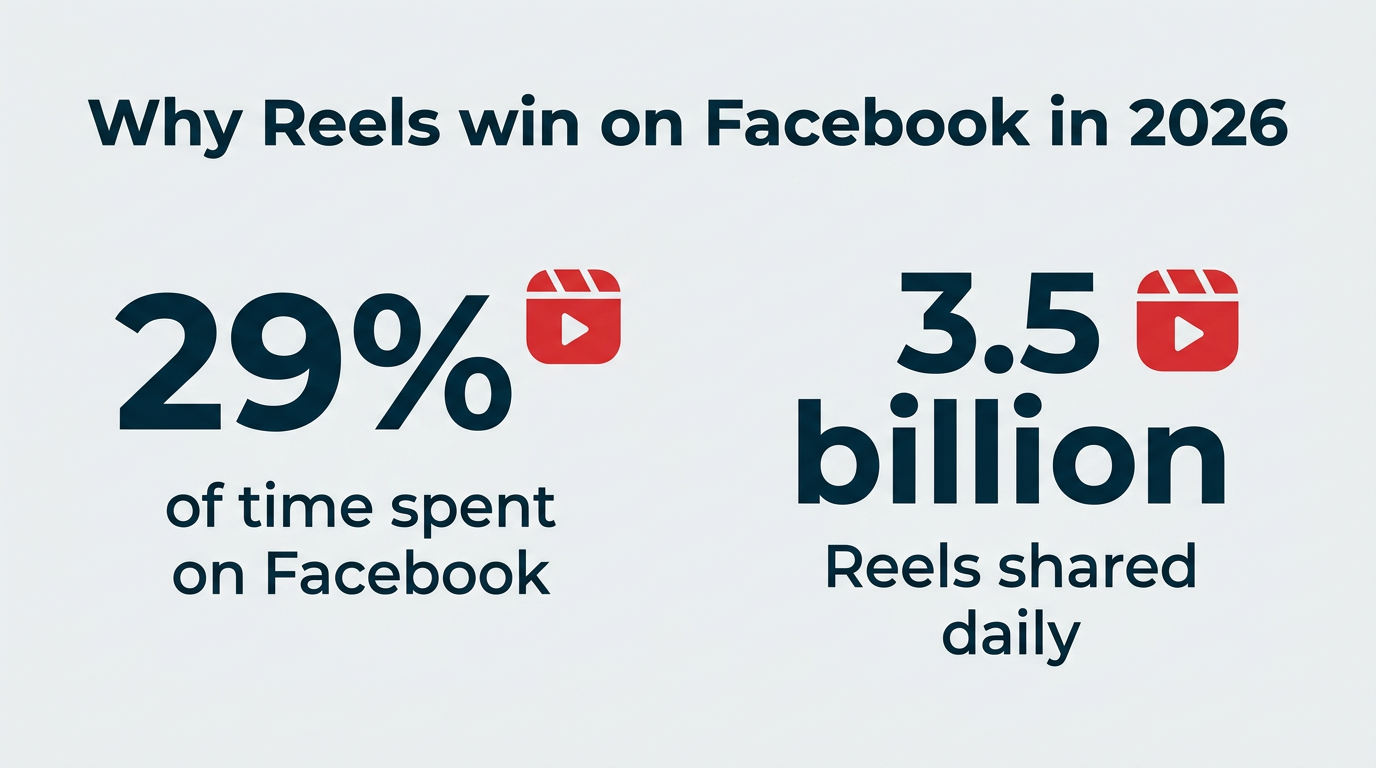
- Short-form Video (Reels): Dominating 29% of time spent on the platform.
- Community Interactions: Driven by Facebook Groups and live discussions.
- User-Generated Content (UGC): Acting as the new "word-of-mouth" marketing.
Proven Tactics to Supercharge Engagement
1. Leverage the Power of Reels
Short-form video is the undisputed king of the 2026 feed. With over 3.5 billion Reels shared daily across Meta’s ecosystem, Reels provide the highest potential for discovery. By uploading high-quality, vertical videos natively, you signal to the algorithm that your content is optimized for mobile consumption. Repurposing successful TikTok or Instagram content is acceptable, provided it feels native to the Facebook environment.

2. The Human Element: Authenticity Over Polish
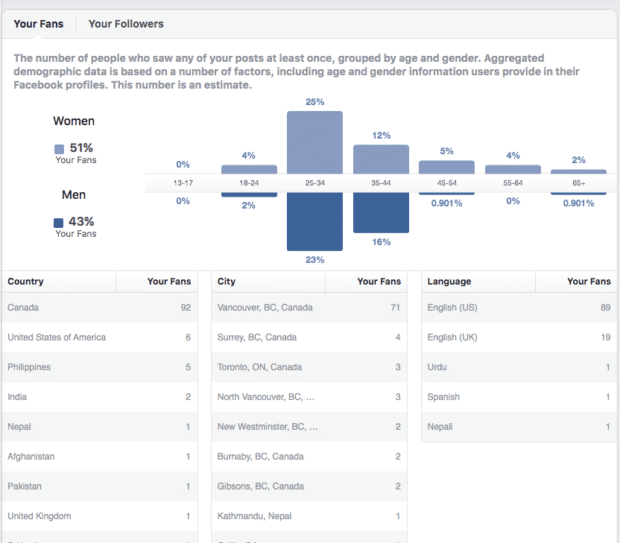
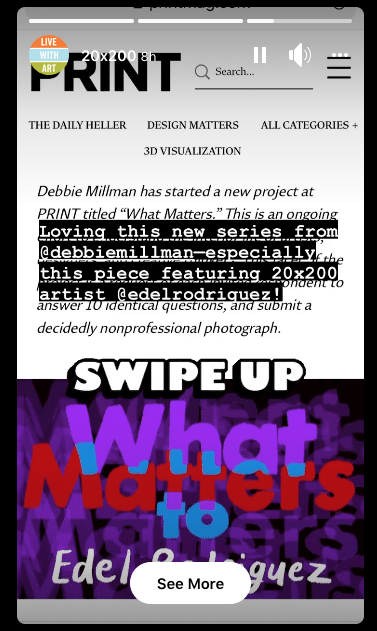
Audiences are increasingly weary of overly produced, corporate-style advertising. The most successful brands—like UEFA or H&R Block—balance their professional messaging with raw, human-centric content. Whether it is highlighting the volunteers behind a major tournament or using a relatable meme to discuss tax season, authenticity breeds trust.
3. Cultivate Community via Groups
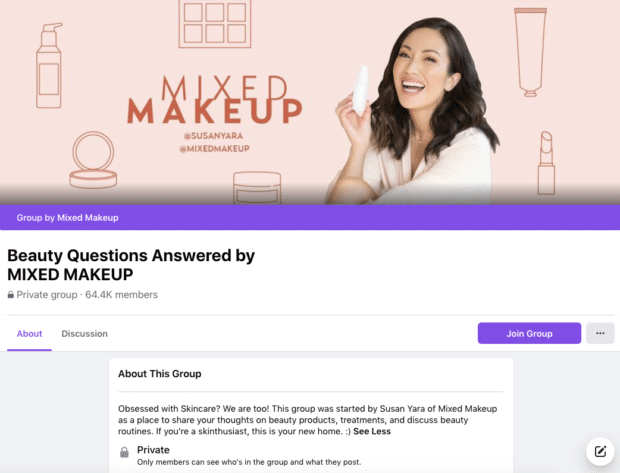
With nearly 1.8 billion users active in Facebook Groups, these digital forums offer a level of intimacy that a standard Page post cannot match. By fostering a space where your audience can exchange ideas, share tips, and ask questions, you create a loyal community that feels invested in your brand.

4. Strategic Consistency and Timing
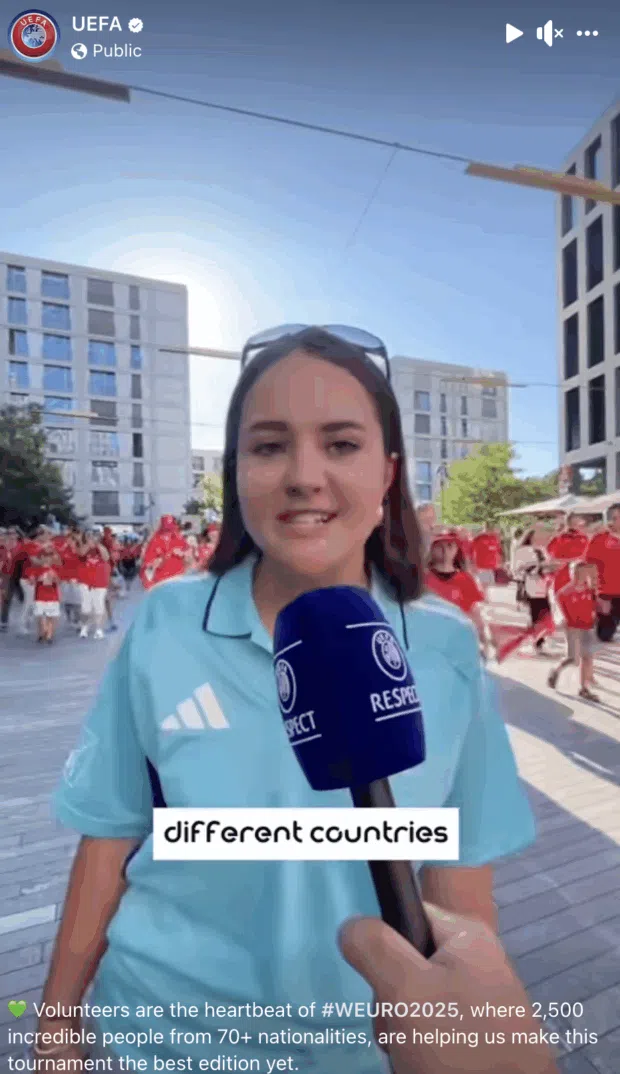
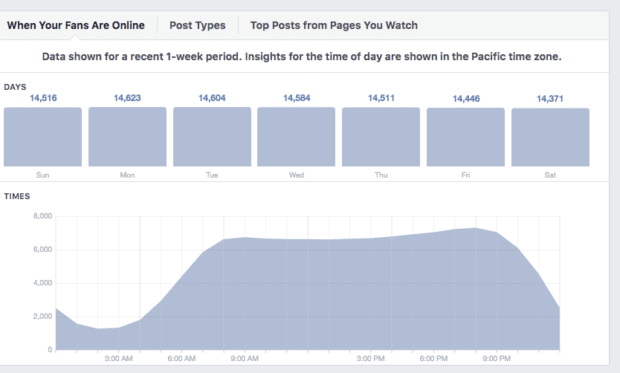
While the feed is algorithm-driven, timing remains a vital variable. Posting when your specific audience is most active increases the probability of early engagement, which triggers the algorithm to push your post to a wider audience. Utilizing scheduling tools is essential for maintaining a consistent cadence—ideally two to three times per week—without requiring your team to be online 24/7.

Supporting Data and Metrics
Understanding your performance requires moving beyond "likes." The industry-standard formula for measuring success is:

Engagement Rate = (Total Interactions / Total Reach or Followers) x 100
In 2026, the median engagement rate across most industries hovers between 0.03% and 0.10%. While these percentages may seem small, they are significant when applied to large-scale follower bases. It is crucial to benchmark your performance against your specific industry rather than comparing your retail brand to a sports organization, which naturally sees higher interaction rates.
The Role of Technology in Modern Marketing
Managing these moving parts manually is an exercise in futility. Enterprise teams are increasingly turning to unified platforms like Hootsuite to streamline their operations. By utilizing features like:

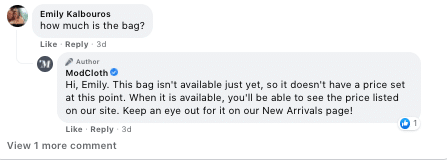
- Unified Inboxes: Ensuring no customer query or comment goes unanswered.
- Social Listening Tools: Tracking sentiment and competitor activity to stay ahead of industry shifts.
- Advanced Analytics: Benchmarking performance against real-time data to refine content strategies.
These technologies allow brands to move from a reactive stance to a proactive, data-informed strategy.
Addressing the "Engagement Bait" Trap
A common pitfall for brands is the use of "engagement bait"—explicitly asking for likes, shares, or comments (e.g., "Like if you love coffee!"). Meta’s algorithm is specifically trained to identify and penalize this behavior. Instead of begging for interaction, create content that inherently encourages it. Ask insightful, open-ended questions that require critical thought, or offer value that makes the user want to share your content with their own network.
Official Stance and Future Implications
Meta continues to emphasize "meaningful social interactions" (MSI) as the North Star of its platform. For businesses, this means the future of Facebook marketing lies in creating value-added content. As artificial intelligence continues to refine content discovery, the brands that win will be those that provide high-quality, relevant information that users find useful, entertaining, or inspiring.
Conclusion: A Roadmap for the Future
Increasing Facebook engagement in 2026 is a multi-faceted endeavor that requires a blend of creative storytelling and rigorous data analysis. By prioritizing native video, fostering community, and maintaining a human voice, brands can transcend the noise of a crowded feed.
Remember:
- Test everything: Use A/B testing to determine what resonates with your specific demographic.
- Listen constantly: Use social listening to identify trending topics before they peak.
- Respond always: Every interaction is an opportunity to turn a follower into a brand advocate.
As you look toward the remainder of the year, focus on building a strategy that treats your Facebook presence not as a billboard, but as a conversation. When you put the audience’s needs at the center of your content, engagement will naturally follow.
 Reynand Wu
  Muslim
  Nila Kartika Wati