
 By Nana Muazin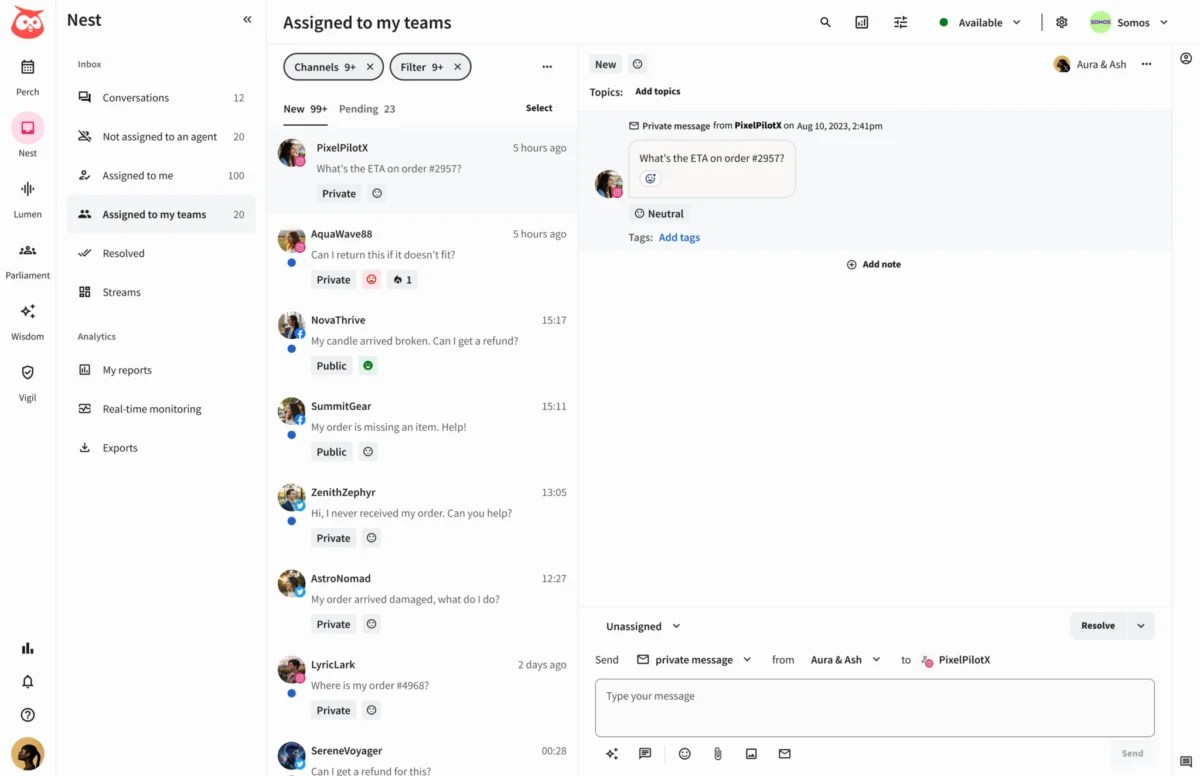
In the fast-paced ecosystem of digital marketing, consistency is the currency of growth. Yet, for many organizations, keeping a steady stream of engaging content flowing across multiple social platforms often feels like a high-stakes juggling act. From unexpected PR crises to compliance violations and bottlenecks in internal approvals, the operational side of social media can quickly descend into chaos without the right infrastructure.
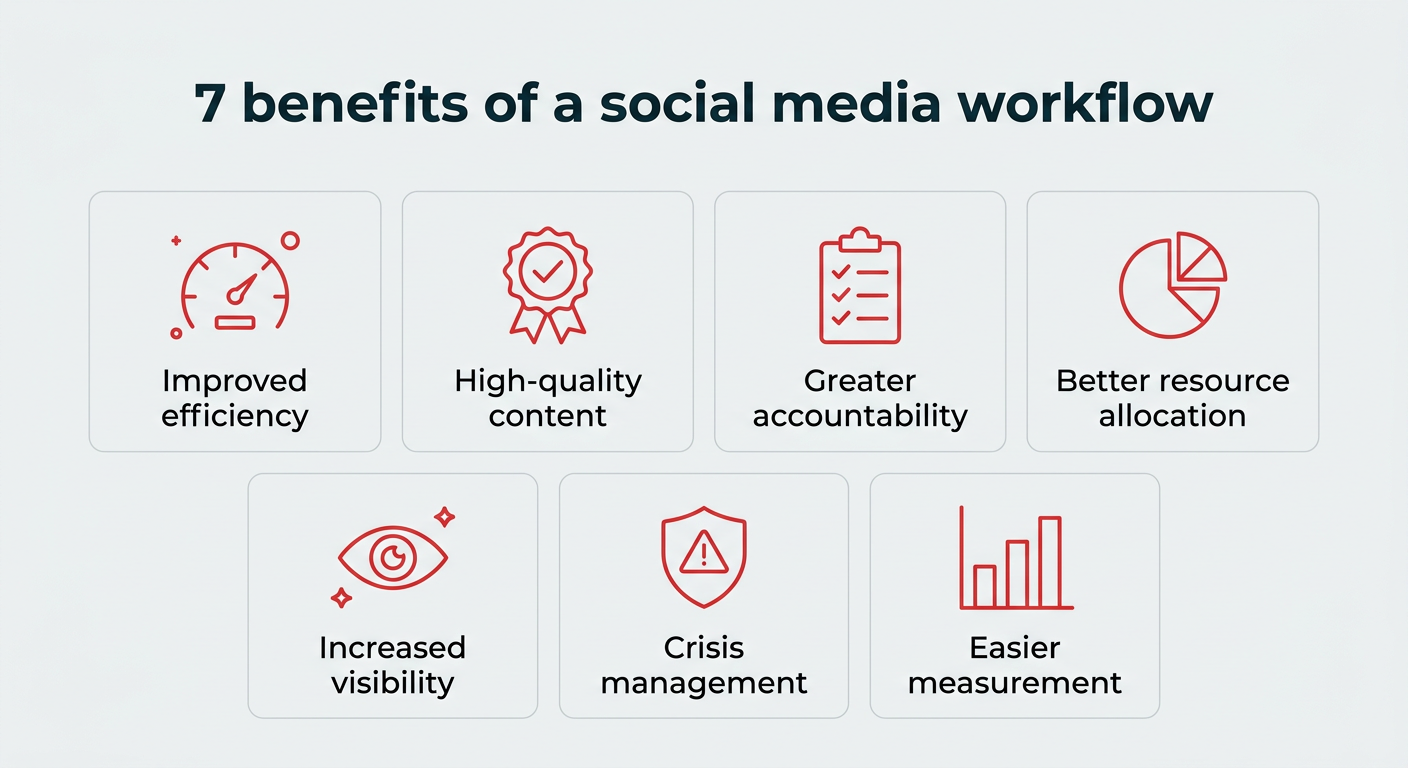
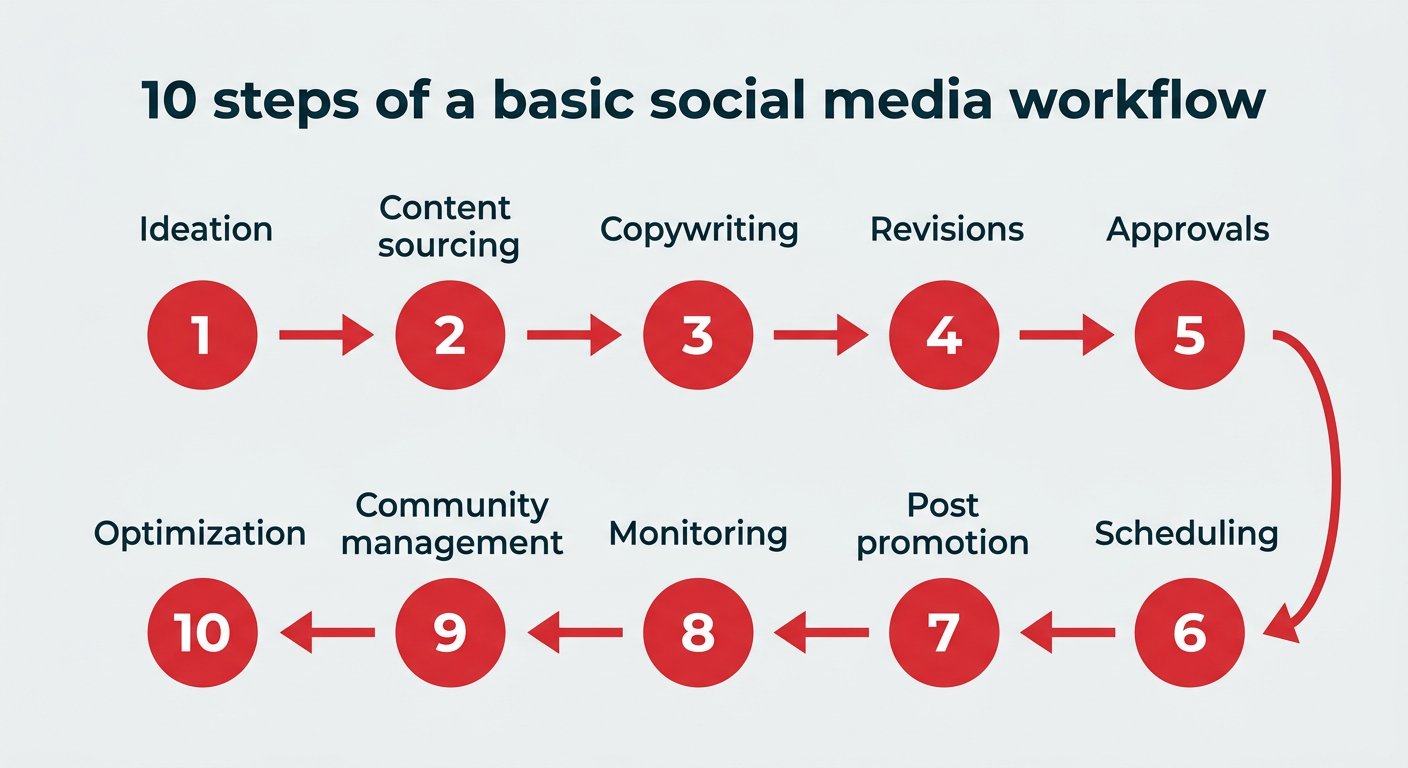
Enter the social media workflow: a repeatable, step-by-step framework that dictates how a team conceptualizes, creates, reviews, publishes, and promotes content. Designed to eliminate guesswork and align disparate team members, a robust workflow transforms erratic posting habits into a streamlined, secure, and scalable engine.

Main Facts: The Anatomy of a Social Media Workflow
At its core, a social media workflow is an operational roadmap. Depending on the size of an organization and the complexity of its channel network, marketing departments rarely rely on just a single workflow. Instead, they implement a suite of specialized processes tailored to distinct tasks.
Key workflow variations include:

- The Basic Social Media Workflow: The foundational framework covering end-to-end operations from brainstorming to performance tracking.
- The Content Posting Workflow: Focused strictly on daily content creation, formatting, and scheduling.
- The Internal Approval Workflow: A gated review process designed to catch compliance errors, brand misalignments, and legal risks before content goes public.
- The Content Batching Workflow: A production-focused system that groups content creation into dedicated blocks to prevent creative burnout.
- The Influencer Collaboration Workflow: A campaign-style methodology for onboarding, managing, and measuring creator partnerships.
By integrating these specialized pathways, modern marketing teams protect their brand voice, safeguard against security breaches, and drastically improve operational efficiency.
Chronology & Evolution: From Spreadsheets to AI-Driven Ecosystems
The management of social media operations has undergone a massive transformation over the past decade.
- The Early Era (Manual Spreadsheets): In the nascent days of corporate social media, teams relied heavily on basic tools like Excel and Google Sheets. Communication happened via email threads, and posting required logging directly into native mobile apps or desktop browser windows. While functional for lean teams managing a single Facebook page, this approach quickly broke down as multi-channel strategies expanded.
- The Rise of Dedicated Project Management Tools: As social media matured into a primary revenue and branding driver, organizations began importing project management software like Asana and Notion to handle content calendars, assign tasks, and draft copy. However, a major disconnect remained: these platforms could organize the work, but they could not publish directly to social networks.
- The Modern Era (Unified Social Operating Systems): Today, the industry has shifted toward unified ecosystems—such as Hootsuite Social OS—where planning, creation, compliance approvals, publishing, community management (via unified inboxes), and advanced analytics all happen under a single dashboard.
- The AI Integration Phase: Most recently, artificial intelligence has woven itself into nearly every stage of the workflow. Rather than replacing human oversight, AI is increasingly deployed to draft initial copy, triage inbound customer service messages via chatbots, and synthesize complex analytics data into actionable insights.
Supporting Data & Strategic Best Practices
Building an effective workflow is an exercise in balance. Too little structure leads to missed deadlines and rogue posts; too much structure creates crippling bottlenecks. To strike the right chord, industry experts recommend several foundational strategies:
1. Establish Clear Roles and Responsibilities
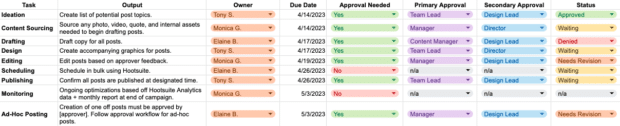
Unclear accountability is the leading cause of workflow failure. Modern teams must explicitly define who acts as the strategist, creator, copywriter, compliance reviewer, publisher, and community manager.
2. Understand Industry Regulations
For sectors bound by strict regulatory frameworks—such as healthcare (HIPAA), finance (FINRA), and government agencies—a non-compliant post can result in catastrophic fines and reputational damage. Workflows in these industries must feature mandatory legal and compliance checkpoints.
3. Leverage Content Batching and Calendars
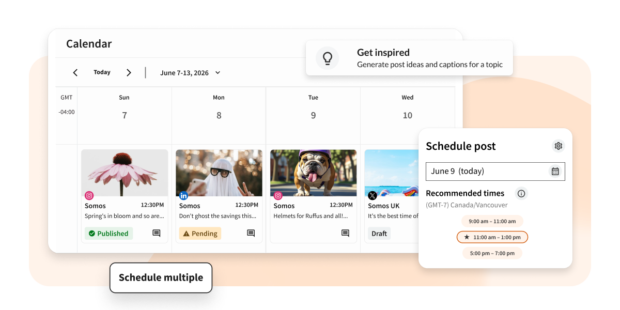
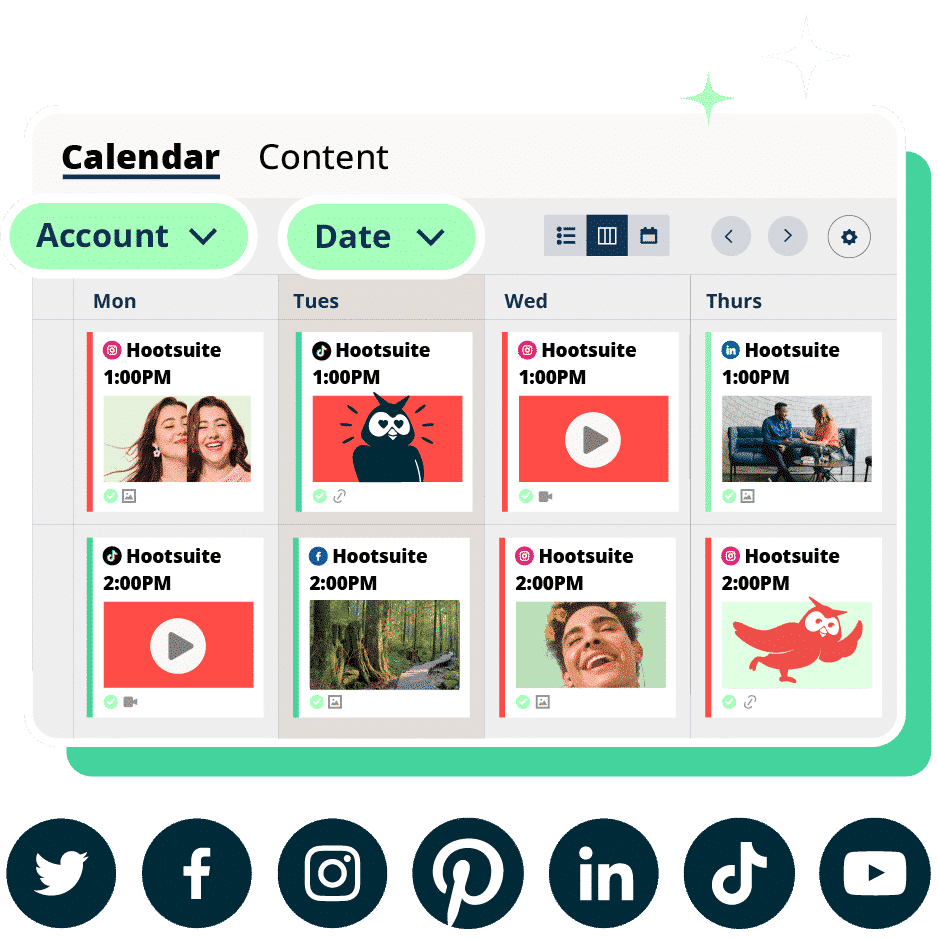
A centralized social media calendar offers a bird’s-eye view of upcoming campaigns, allowing teams to batch-produce assets in advance. This proactive approach frees up bandwidth for real-time engagement and trend-jacking.
4. Fortify Security Measures
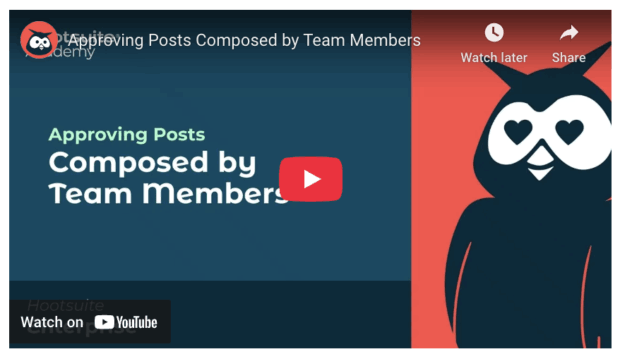
Security must be baked into the operational blueprint. Utilizing two-factor authentication (2FA), granting credential access strictly on a need-to-know basis, and employing granular approval permissions protect enterprise accounts from takeovers and unauthorized messaging.
5. Adopt a Unified Social Inbox
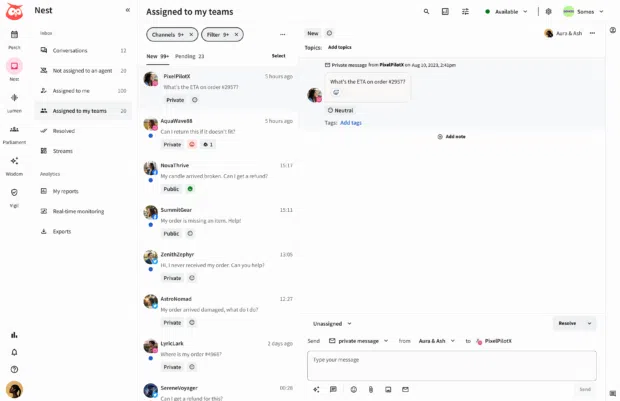
Workflows extend beyond outbound publishing. Inbound engagement—including direct messages, comments, mentions, and customer service inquiries—requires a centralized inbox. Tools that route messages automatically and utilize generative AI for routine triaging help teams maintain rapid response times.
Official Perspectives & Governance: The AI Dilemma
While artificial intelligence promises unprecedented efficiency, industry analysts urge caution regarding enterprise governance.
Market research from firms like Gartner frames the modern AI spending boom not as a simple tooling race, but as a governance challenge. Enterprise teams cannot afford to let automated systems run unchecked. As AI assumes greater roles in generating copy, summarizing data, and interacting with consumers, organizations must pair these automated steps with stringent brand guardrails and mandatory human sign-offs.
As experts frequently emphasize: AI can exponentially compress the time required to execute a task, but ultimate accountability for customer-facing communications will always rest with a human being.
Workflow Tools Compared: Finding the Right Stack
Selecting the right software stack depends heavily on team size, budget, and operational complexity. Below is a comparative overview of four leading workflow platforms:
| Tool | Best For | Key Workflow Features | Publishes to Social? | AI Features | Starting Price |
|---|---|---|---|---|---|
| Hootsuite | Teams managing multiple accounts end-to-end | Content calendar, approval workflows, custom permissions, unified inbox, analytics | Yes | AI assistant, DM automations, AI-powered insights and listening | $99/user/month (Standard, billed annually) |
| Google Sheets | Lean teams building a first workflow | Manual trackers, comments, tagging, shared columns | No | Limited | Free with a Google account |
| Asana | Campaign and deadline management | Task assignment, templates, rules-based automations | No | Task and workflow assistance | Free tier available |
| Notion | Storing SOPs, briefs, and calendars in one place | Databases, calendar views, docs, task assignment | No | Notion AI (included with Business plan) | Free tier available |
Implications for the Future of Digital Marketing
The implementation of a disciplined social media workflow carries profound implications for organizational productivity and brand health.
When a company transitions from ad-hoc posting to a structured, repeatable framework, the immediate benefits include reduced operational stress, elimination of redundant tasks, and measurable improvements in key performance indicators (KPIs). Furthermore, structured workflows ensure brand consistency across international markets and diverse product lines, reinforcing consumer trust.
Ultimately, the goal of a modern social media workflow is not to restrict creativity, but to liberate it. By automating the mundane, securing the sensitive, and organizing the chaotic, marketing teams can focus on what truly matters: crafting compelling narratives and building authentic connections with their audiences.
 Reynand Wu
  Muslim
  Nila Kartika Wati