
 By Nila Kartika Wati
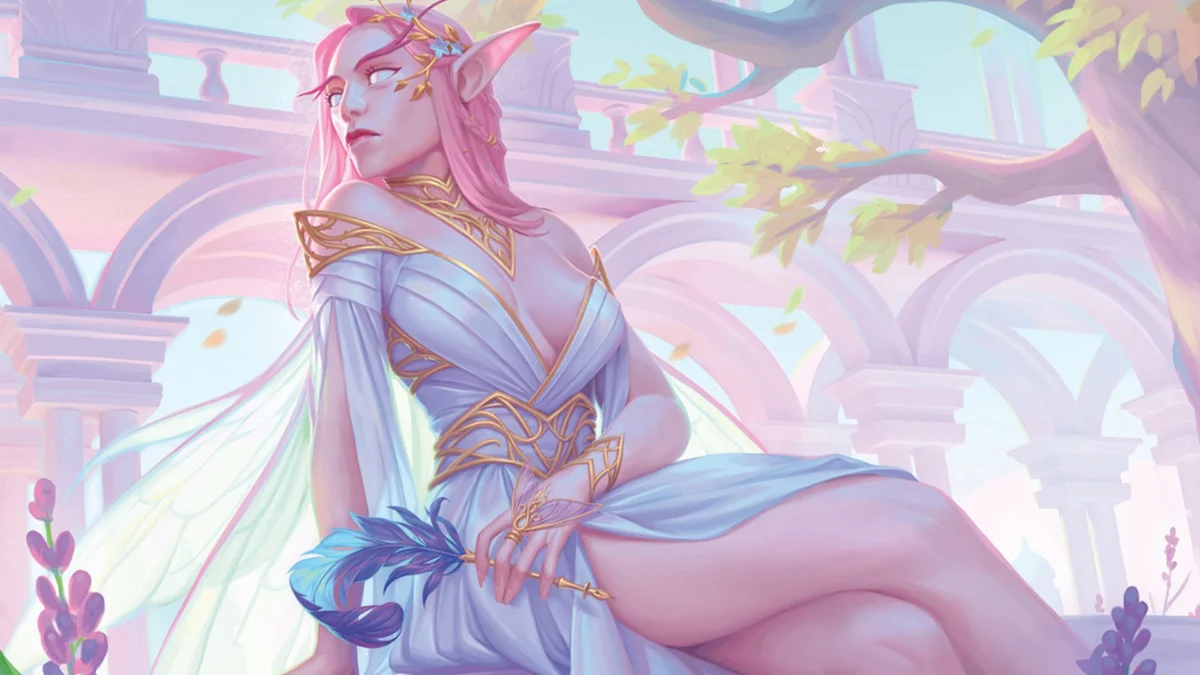
In the rapidly evolving landscape of digital illustration, few artists manage to balance technical precision with the raw, evocative storytelling of classic fantasy. Polina Kirillova, a Serbian-based artist with a decade of professional experience in the gaming industry, has emerged as a compelling voice in this space. Her work, which utilizes a sophisticated blend of industry-standard tools including Adobe Photoshop, Clip Studio Paint, Art Studio, and Blender, serves as a masterclass in light, composition, and the emotive power of color.
Kirillova’s portfolio is not merely a collection of character designs; it is an exploration of identity, narrative depth, and the technical boundaries of digital media. By marrying the structured requirements of professional game art with a personal, painterly aesthetic, she has carved out a niche that resonates with both industry peers and fantasy enthusiasts alike.
The Foundations of a Digital Visionary
Polina Kirillova’s professional trajectory spans ten years, a decade marked by constant evolution in both software mastery and creative philosophy. Working primarily as a game artist, Kirillova has navigated the high-pressure environment of game production, where clarity and visual communication are paramount. Yet, her personal projects reveal a departure from the strictures of corporate design, favoring instead the experimental and the expressive.
"I enjoy experimenting with color and finding new ways to make colors more expressive," Kirillova notes. This philosophy is the heartbeat of her work. For many digital artists, the temptation to rely on automated filters or predictable lighting setups is great; Kirillova, however, treats every canvas as a fresh opportunity to manipulate the emotional temperature of a scene. Whether through the bold, glowing contrasts of a character’s magical aura or the delicate, high-key palettes of an ethereal queen, her work demonstrates a sophisticated understanding of color theory that elevates her digital paintings from mere illustrations to narrative experiences.
Her deep-seated affinity for Dungeons & Dragons (D&D) also plays a pivotal role in her creative output. For Kirillova, the tabletop gaming experience is a foundational pillar for character exploration. She uses art as a medium to breathe life into the archetypes and personalities generated during campaigns, treating her characters not as static objects, but as living, breathing inhabitants of a larger, mythic world.
A Chronology of Artistic Evolution
The development of Kirillova’s style can be viewed through her specific approach to project execution, which has shifted as she has integrated more 3D tools into her 2D workflow.
The Early Professional Years
In the initial stages of her career, Kirillova focused heavily on the fundamentals of digital painting in Photoshop. During this period, her work was characterized by a traditional approach to layering and brushwork, mimicking the physical texture of oil and acrylic media. This foundational period allowed her to develop the "painterly feel" that remains a hallmark of her current work, even as her techniques have grown more advanced.
The Integration of New Media
As her career progressed, Kirillova began to diversify her software toolkit. The introduction of Clip Studio Paint provided her with a more robust suite for line work and comic-style character design, while her adoption of Blender marked a significant turning point. By incorporating 3D modeling into her character creation process, she gained the ability to master complex lighting and foreshortening—challenges that often plague 2D artists.
Current Methodologies
Today, her workflow is a hybrid process. She utilizes 3D block-outs for composition and perspective before returning to the familiar, tactile environment of Photoshop or Art Studio to apply the final, expressive details. This shift has enabled her to tackle more ambitious, vertical compositions and intricate poses that would have been significantly more labor-intensive a few years ago.
Technical Insights: Deconstructing the Masterpieces
To understand the breadth of Kirillova’s talent, one must look at the specific techniques she employs across four of her most representative works.
Lain: The Lasso Technique
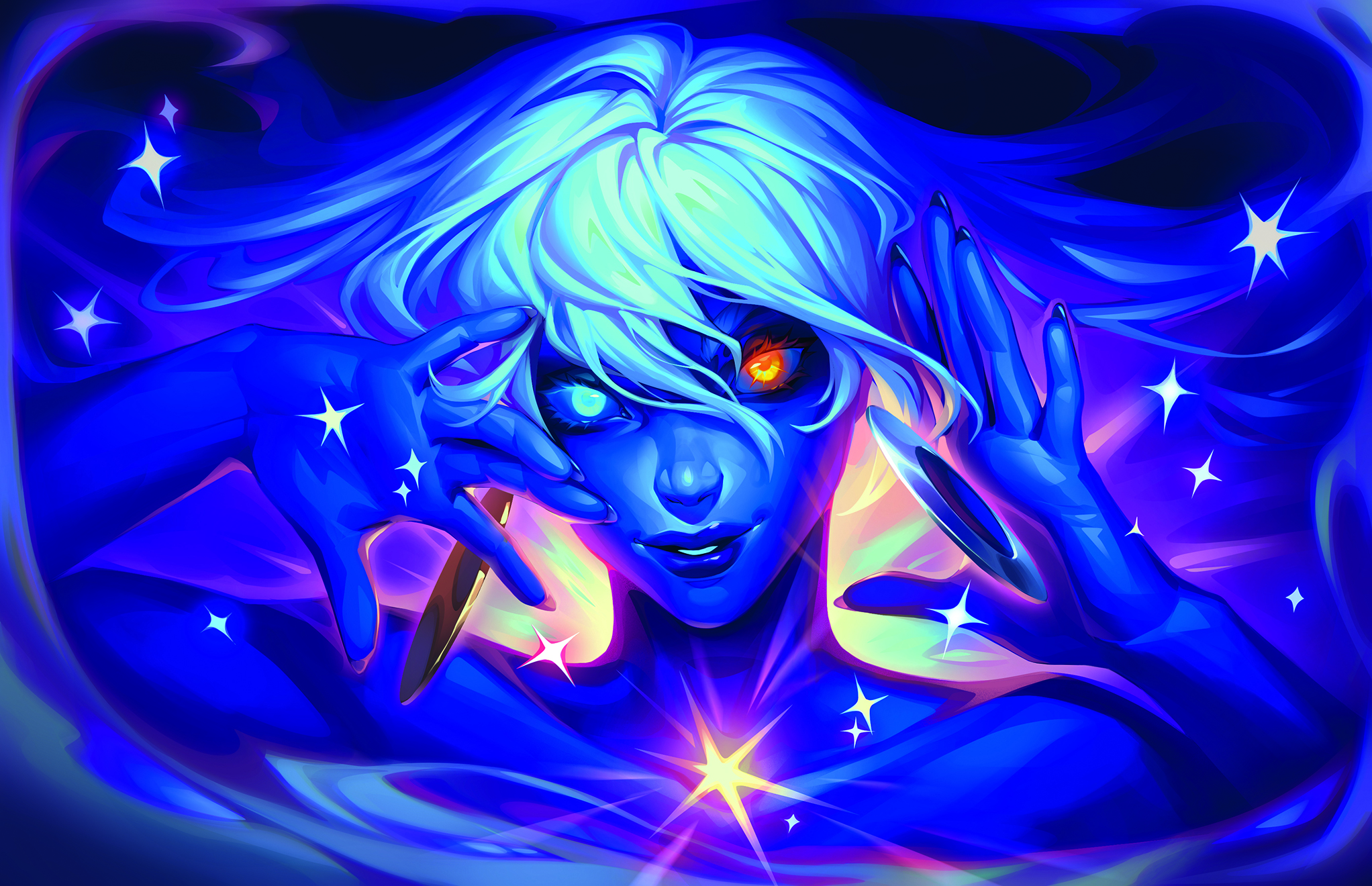
In her piece titled Lain, Kirillova demonstrates a masterful use of the lasso tool. Many digital artists fall into the trap of over-rendering, leading to a "plastic" or overly smooth aesthetic. Kirillova deliberately uses the lasso tool to create sharp, angular shapes, which she then softens to maintain a painterly quality. This technique gives the character a sense of structure and weight, preventing the image from becoming muddy or indistinct.
Master Frog: The Power of Contrast
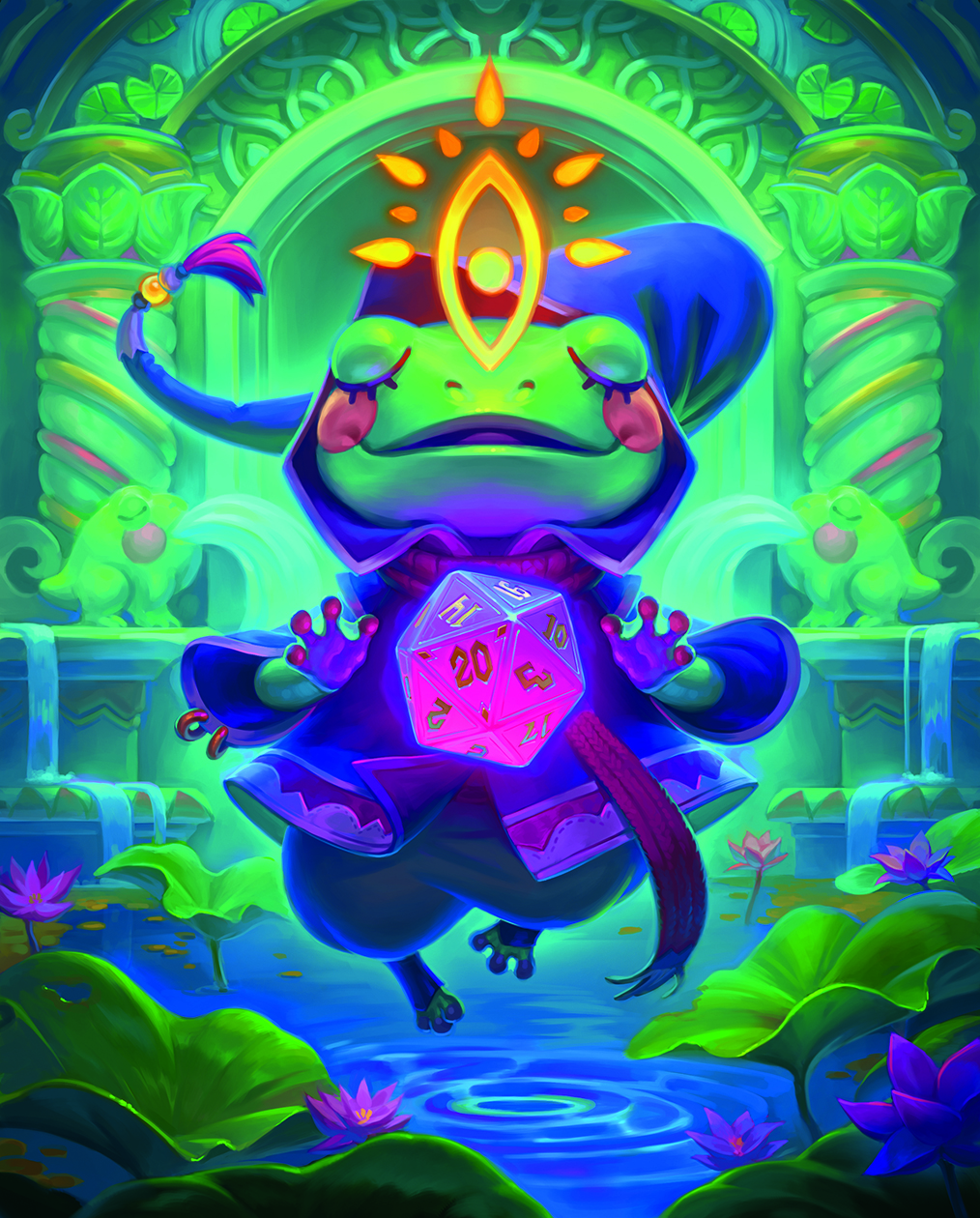
Master Frog serves as a tribute to her D&D Dungeon Master, showcasing her ability to push color saturation to its limits. By focusing on high-contrast values, she makes the colors "glow" on the screen. This piece is a testament to her technical discipline—ensuring that while the colors are vibrant, they do not overwhelm the viewer’s eye or destroy the visual hierarchy of the character.
Elven Queen: High-Key Mastery
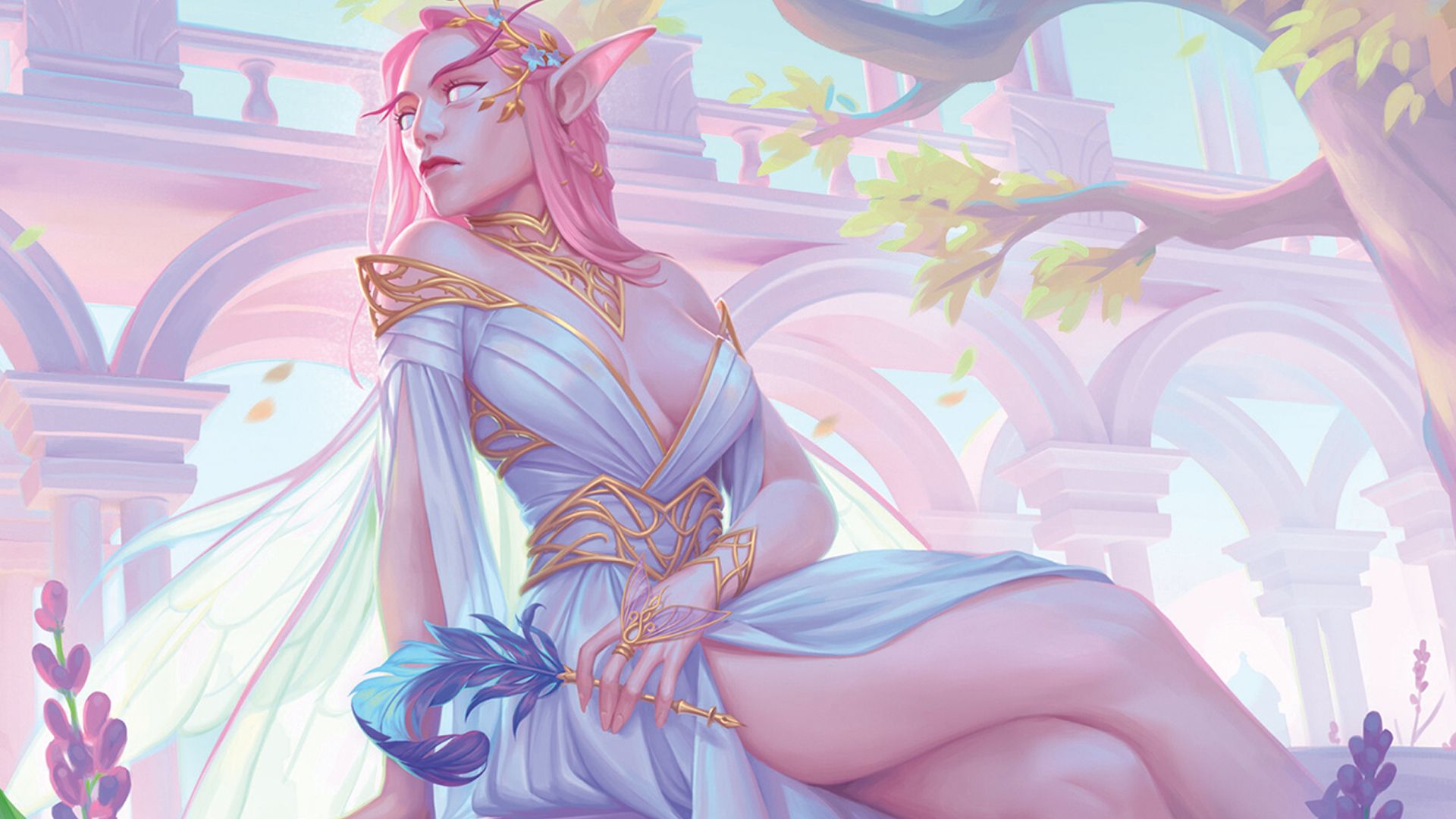
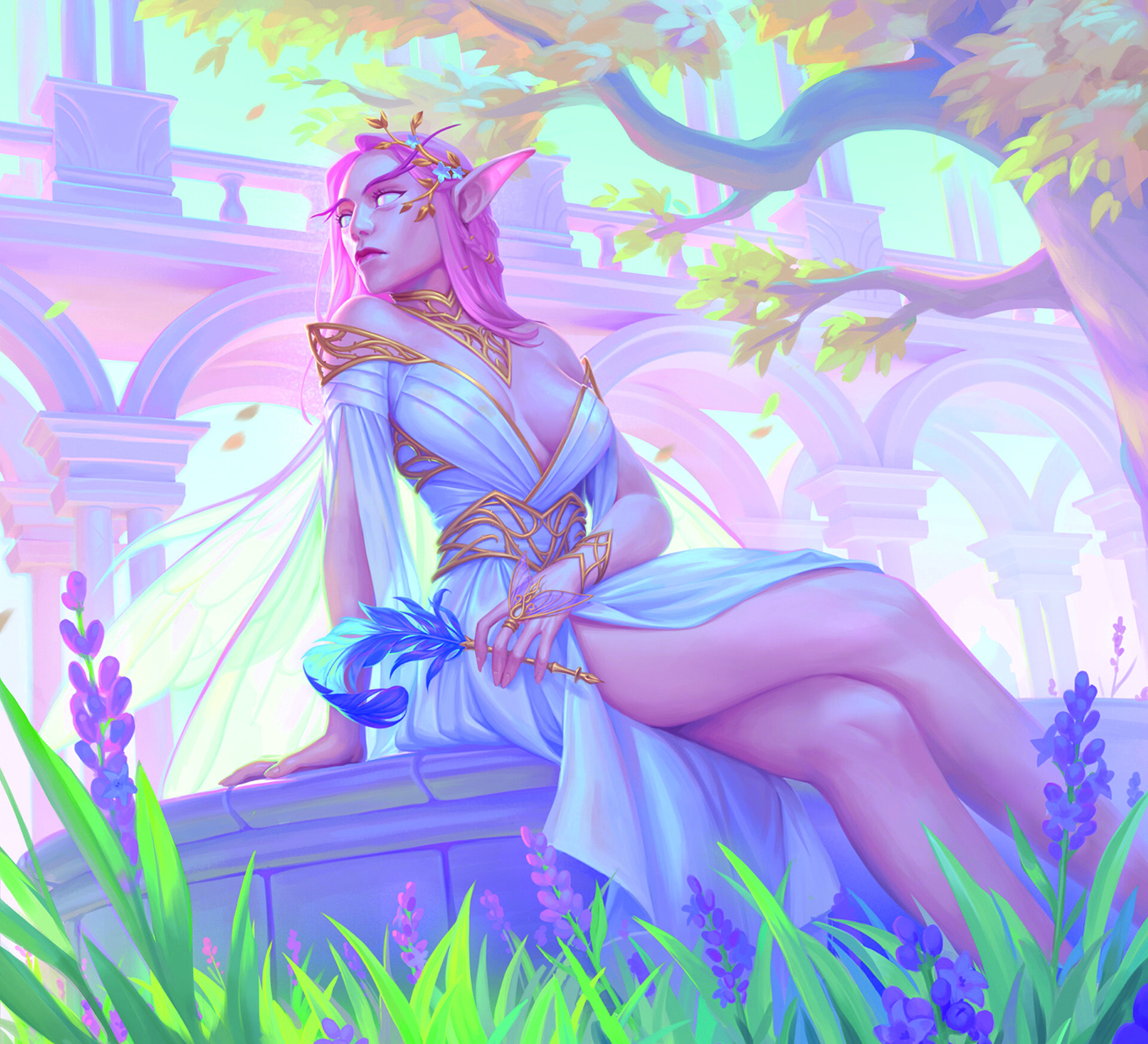
In Elven Queen, Kirillova set a deliberate constraint for herself: a limited, high-key palette. Creating depth in a scene dominated by light colors is a notoriously difficult task, as the lack of deep shadows can often make an image appear flat. By carefully managing tonal shifts and highlights, she preserves the sense of volume and form, proving that depth is a matter of value relationships, not just the presence of darkness.
Mena: The Challenge of Composition
Mena represents the culmination of her current technical aspirations. As her "favorite" character, this piece required a complex vertical composition. Kirillova notes that finding the perfect angle and pose was a lengthy process of trial and error. This piece highlights her persistence; it is a clear example of an artist refusing to settle for a "good enough" layout, instead iterating until the composition perfectly serves the character’s narrative posture.
Implications for the Digital Art Community
Polina Kirillova’s work arrives at a time when the digital art community is grappling with the rapid rise of AI-generated imagery. In this context, artists who emphasize intentionality, human emotion, and refined technical workflows are increasingly important.
The Value of Human Intent
Kirillova’s process—from her deep involvement in the D&D community to her careful selection of color palettes—is distinctly human. Her work reminds the industry that the "why" behind an image is just as important as the "how." By documenting her process and sharing her motivations, she provides a roadmap for aspiring artists who seek to move beyond the technical aspects of software and into the realm of meaningful storytelling.
Bridging the Gap Between 2D and 3D
Her success in integrating Blender into her 2D workflow is a case study for the modern illustrator. As the boundaries between 2D and 3D art continue to blur, artists like Kirillova demonstrate that versatility is the key to longevity. By mastering the 3D pipeline, she has removed the physical constraints of traditional painting, allowing her to focus entirely on the artistic expression of her characters.
Educational Impact
Through her contributions to industry publications like ImagineFX, Kirillova acts as an educator. Her willingness to share her struggles—such as the difficulty of finding the right pose for Mena—demystifies the artistic process. For the thousands of students and hobbyists currently utilizing digital tools, this transparency is invaluable. It shifts the focus from "talent" to "process," encouraging a generation of artists to see failures and long hours of experimentation not as setbacks, but as essential steps in the creative journey.
Conclusion
Polina Kirillova represents the modern archetype of the digital artist: a professional who is as comfortable with the technical constraints of game development as she is with the creative freedom of personal fantasy art. Her journey over the last decade illustrates a clear commitment to growth, experimentation, and, most importantly, the power of color to communicate emotion.
As the industry continues to evolve, the demand for artists who can synthesize complex technical workflows with personal, human-driven narratives will only grow. Kirillova’s work, characterized by its painterly feel, structural integrity, and deep character development, stands as a benchmark for what is possible when an artist refuses to compromise on their vision. Whether one is a seasoned professional or a digital novice, her portfolio offers a wealth of inspiration and a reminder that behind every successful piece of art lies a story, a struggle, and a dedicated, intentional hand.
 Iffa Jayyana
 Reynand Wu
