
 By Asro
By Erin Rodrigue
Content Strategist and Technology Writer
Main Facts
As modern consumers bypass traditional corporate surveys to voice opinions on unprompted digital landscapes—ranging from Reddit threads and niche Discord channels to TikTok reviews—brands face a massive influx of unstructured data. To make sense of this information, organizations are rapidly abandoning basic performance metrics in favor of advanced social intelligence.

Unlike legacy social media analytics or surface-level social listening, social intelligence merges unstructured listening data, consumer sentiment, macro-trends, and cross-channel context to drive corporate strategy. Industry experts note that as marketing goals shift from merely measuring campaign performance to deeply understanding audience psychology and cultural shifts, companies are upgrading to AI-powered platforms capable of filtering out bot spam, analyzing millions of global conversations, and synthesizing actionable business intelligence.
Chronology: The Shift From Metrics to Meaning
The evolution of digital feedback tracking has undergone three distinct phases over the past decade:

- Phase 1: Social Media Analytics (Performance Reporting): Brands initially focused inward, tracking likes, shares, impressions, clicks, and follower growth primarily on their owned corporate channels. This era was defined by retrospective reporting and content optimization.
- Phase 2: Social Listening (Brand Monitoring & Crisis Management): As online chatter expanded, brands adopted listening tools to track keywords, brand mentions, and basic sentiment across the broader web. This allowed companies to monitor reputation, manage PR crises, and track individual campaign metrics outside of their owned properties.
- Phase 3: Social Intelligence (Strategic Transformation): Entering 2026, the industry has transitioned into the age of social intelligence. Brands no longer just look at what is being said; they use sophisticated AI agents and natural language processing to uncover why conversations are shifting. This phase bridges social data with product development, market research, and overarching cultural trends.
Supporting Data: Comparing the Market Landscape
Understanding the precise differences between analytics, listening, and intelligence is vital for modern marketing teams. The core distinctions are outlined below:
| Feature / Metric | Social Media Analytics | Social Listening | Social Intelligence |
|---|---|---|---|
| Primary Function | Analyzes social data | Gathers, analyzes, and interprets social conversations | Turns social insights into long-term strategy |
| Core Focus | Performance metrics | Online conversations | Strategic, macro-level insight |
| Data Types | Likes, shares, reach, impressions, clicks | Mentions, keywords, sentiment, share of voice | Listening data, analytics, culture, and competitive context |
| Data Scope | Mostly owned accounts and content | Brand, competitors, and industry | Broader market, consumers, culture, and global trends |
| Best Suited For | Reporting and content optimization | Brand monitoring, crisis management, and campaign tracking | Consumer research, strategic planning, and market intelligence |
Top 8 Social Intelligence Tools Compared
To navigate this expanding landscape, enterprise teams are deploying specialized platforms. A comparative overview of the leading tools highlights their unique strengths:
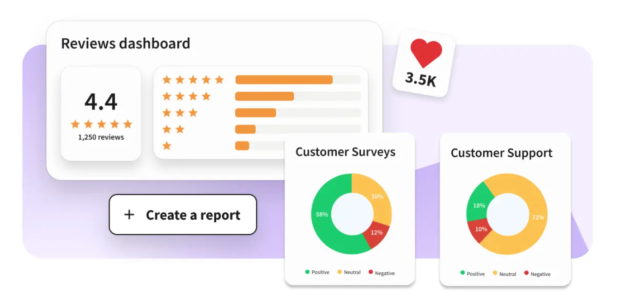
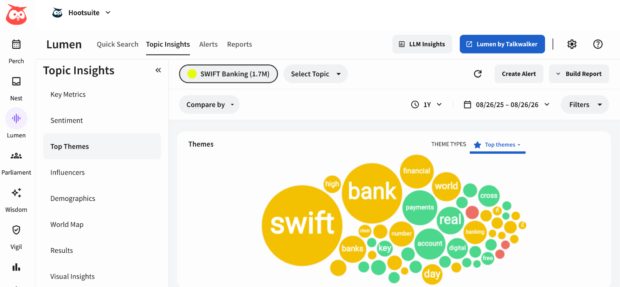
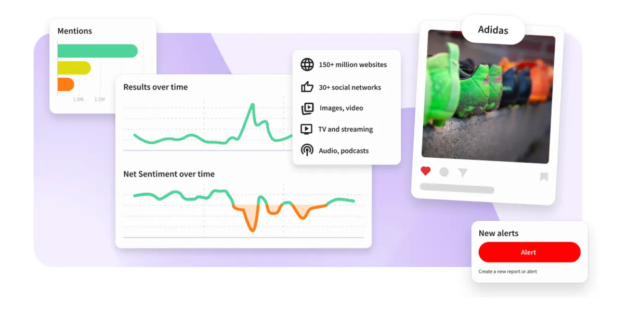
- Lumen (Hootsuite): Best for enterprise and global teams. Features vast coverage (150M websites and 30+ social channels) and is paired with Wisdom, an AI agent that cites sources and recommends next steps.
- Brandwatch: Best for deep historical data, having indexed over 1.6 trillion conversations since 2010. Utilizes Iris AI for trend spotting and image recognition.
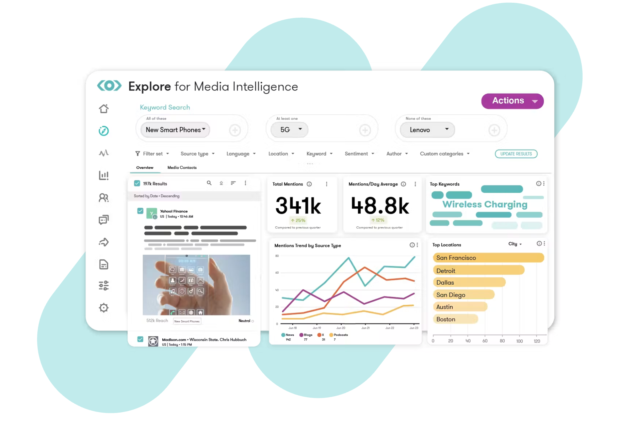
- Meltwater: Best for PR-led teams tracking traditional media, social networks, and emerging AI visibility (LLMs).
- Sprinklr: Best for holistic customer experience (CX) and multi-channel digital management.
- YouScan: Best for visual-first brands, featuring Visual Insights to scan half a million sources for logos, objects, and demographics.
- Audiense: Best for audience profiling, drawing on over 3 billion global consumer profiles to build AI-powered persona chats.
- Pulsar: Best for audience segmentation, utilizing Narratives AI to map distinct community discussions across global networks.
- Quid: Best for predictive analytics, forecasting shifts in shopper demand across retail, pharma, and consumer packaged goods (CPG).
Official Perspectives and Expert Insights
As organizations evaluate their technology stacks, industry experts emphasize that the differentiator is no longer data collection volume, but contextual clarity and data literacy.
Dylan Peterkin, a recognized social intelligence expert, notes that organizations naturally outgrow basic tools when their core objectives evolve.
"A basic tool can help you measure what you spent on an idea and how it performed with your existing audience," Peterkin explains, "but there’s no replacement for full-fledged intelligence: being where your target audience is, and finding ways to exist in those spaces naturally through product AND content."
Peterkin also stresses the importance of multi-channel data coverage—specifically advocating for the integration of online customer reviews alongside social media data.
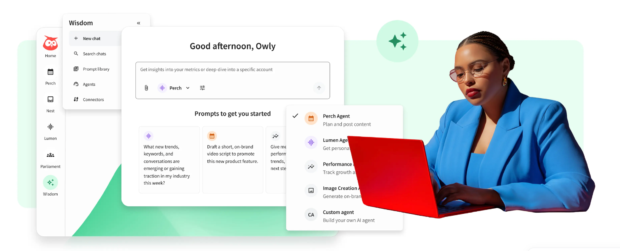
"Review site tracking alongside social data is a powerful storytelling combination that not every tool offers," Peterkin adds. "Every brand should be using both alongside customer support data to understand the customer journey and uncover real pain points and whitespace opportunities."
Furthermore, modern platforms are tackling the perennial issue of data noise—such as distinguishing tech giant mentions from literal fruit or filtering out bot networks. By utilizing features like conversation clustering, tools can unearth macro-level narratives. For instance, while individual posts may discuss the rising cost of college textbooks, conversation clustering helps analysts recognize that the sentiment is actually part of a broader socio-economic struggle regarding basic student needs.
Implications for Modern Brands
The widespread adoption of social intelligence carries profound implications for enterprise strategy, customer experience, and artificial intelligence integration:
1. Moving Beyond Reporting to "The Why"
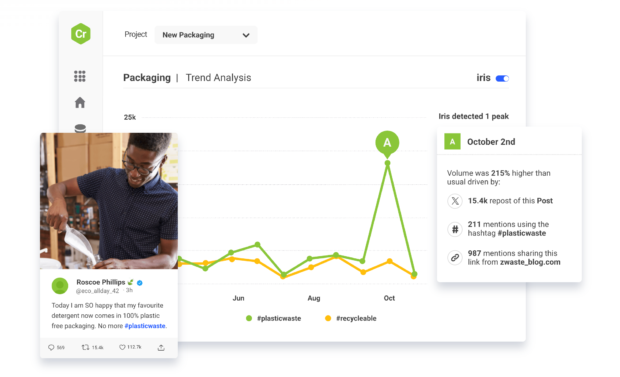
When brand mentions spike by 700%, raw numbers offer little strategic direction. Leaders need to know whether the surge stems from a viral endorsement, a botnet attack, or a PR crisis. Modern tools leverage generative AI layers—such as Hootsuite’s Wisdom or Meltwater’s Mira AI—to provide cited, conversational summaries that explain the driving forces behind data anomalies.
2. Cross-Departmental Collaboration
Social intelligence is no longer siloed within marketing departments. Because platforms like Sprinklr and Lumen aggregate public sentiment, customer support friction, and review-site grievances, product development, PR, and executive leadership all draw from the same single source of truth.
3. Ethical AI and Citation Transparency
As reliance on artificial intelligence grows, the risk of "hallucinations" remains a corporate hazard. The market is shifting toward transparent AI frameworks where every automated insight, sentiment score, and trend summary is backed by verifiable citations, allowing analysts to "check the receipts" of their intelligence stack.
Frequently Asked Questions
What is a social intelligence tool?
A social intelligence tool uses artificial intelligence and natural language processing (NLP) to aggregate unprompted online conversations, transforming raw internet chatter into real-time insights regarding audience sentiment, cultural shifts, and market trends.
What is the difference between social listening and social intelligence?
Social listening focuses on tracking and analyzing online conversations to monitor what people are saying about a specific brand, competitor, or industry. Social intelligence takes those insights a step further by connecting them to macro-level business questions, informing everything from long-term brand strategy to product innovation.
What features matter most when selecting an intelligence platform?
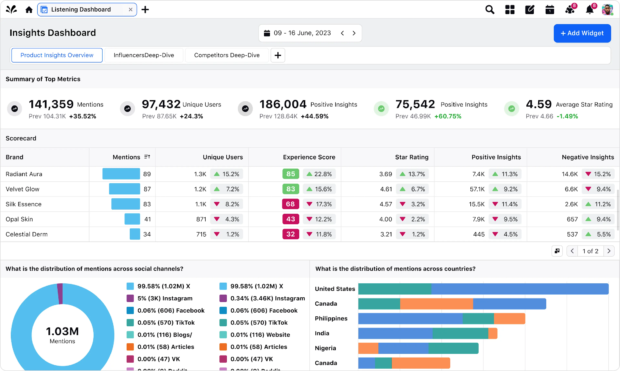
Key evaluation criteria include broad data coverage (including niche forums and review sites), robust noise-reduction algorithms (to filter spam and bots), advanced conversation clustering for trend detection, and a user-friendly interface that empowers non-technical team members to grasp data insights quickly.
How does Hootsuite support social intelligence?
Hootsuite integrates Lumen—a robust listening and market intelligence platform covering millions of websites and dozens of social networks—with Wisdom, a social-first AI agent that answers plain-language queries, surfaces trends, and outlines actionable next steps for marketing and enterprise teams.
 Reynand Wu
  Muslim
  Nila Kartika Wati