
 By Laily UPN
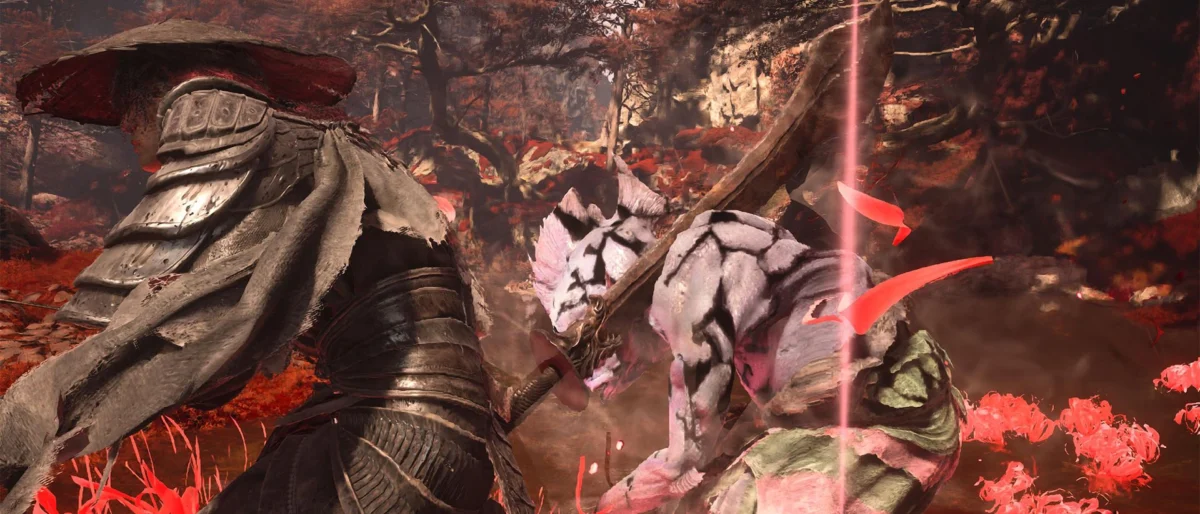
In the rapidly evolving landscape of Chinese AAA gaming, few titles have generated as much pre-release fervor as S-Game’s Phantom Blade Zero. Billed as a high-octane "kung-fu-punk" experience, the game aims to marry the brutal, rhythmic precision of high-end martial arts cinema with the intricate, interconnected world design of modern action-RPGs. Having spent significant time with the game on the PlayStation 5 Pro, it is clear that while Phantom Blade Zero succeeds in establishing a distinct, mesmerizing identity, it is simultaneously hamstrung by inconsistent performance and frustrating design friction.
The Genesis: From Indie Roots to AAA Ambition
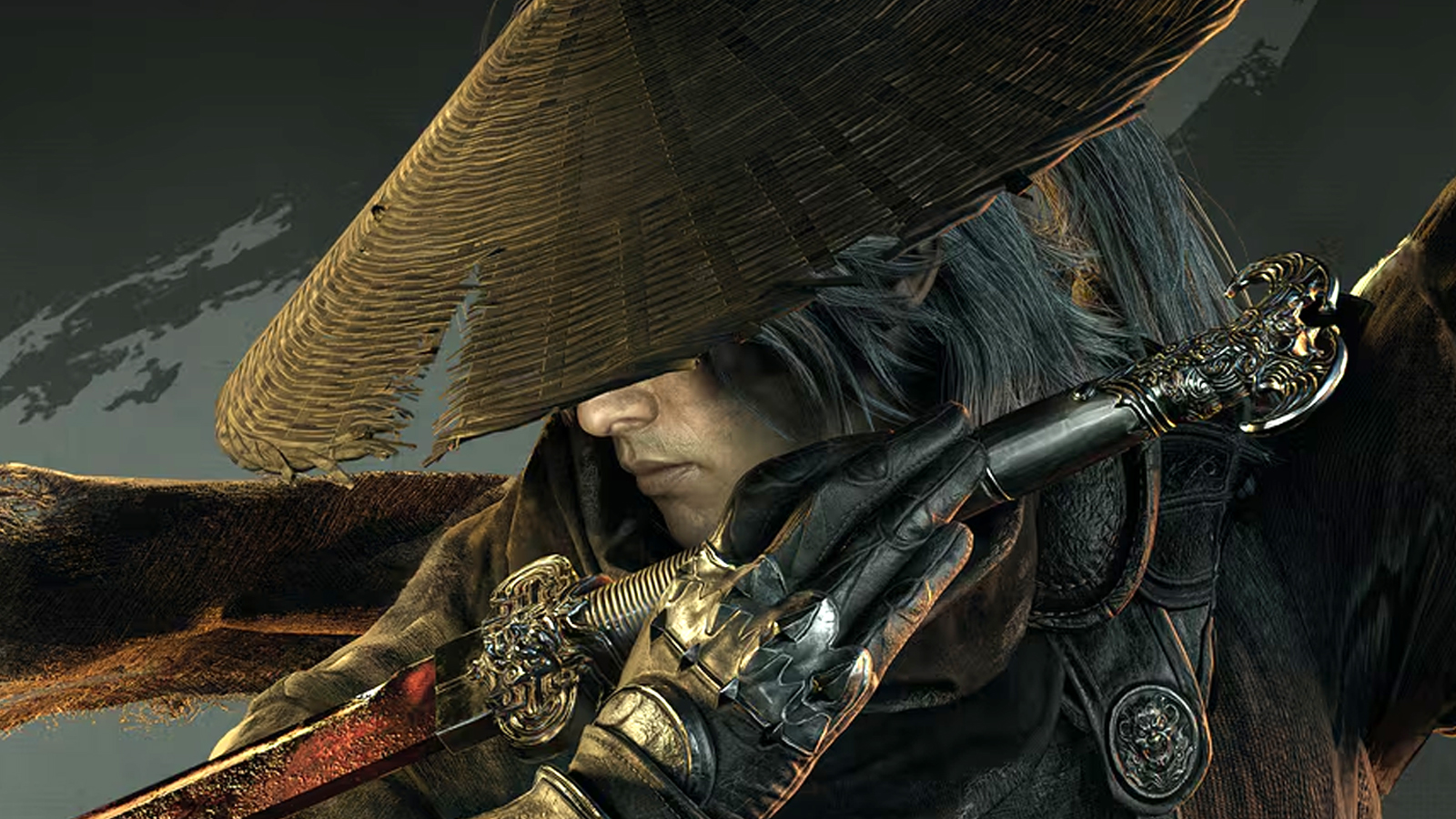
To understand the gravity of Phantom Blade Zero, one must look at the journey of its director, Soulframe Liang. The game finds its DNA in Rainblood: Town of Death, a cult-classic indie RPG crafted by Liang over 15 years ago. This long-gestating passion project has been elevated into a massive, Unreal Engine 5-powered spectacle.
Players assume the mantle of Soul, an elite assassin operating within the mysterious Order. The premise is immediate and high-stakes: after a treacherous betrayal leaves Soul with only 66 days to live, he is thrust into a race against time. Unlike many contemporary action games that utilize a "reset" mechanic, Phantom Blade Zero leans into the narrative urgency, ensuring that Soul’s growth as a combatant feels earned and continuous, rather than a byproduct of mechanical repetition.
The Philosophy of Kung-Fu-Punk
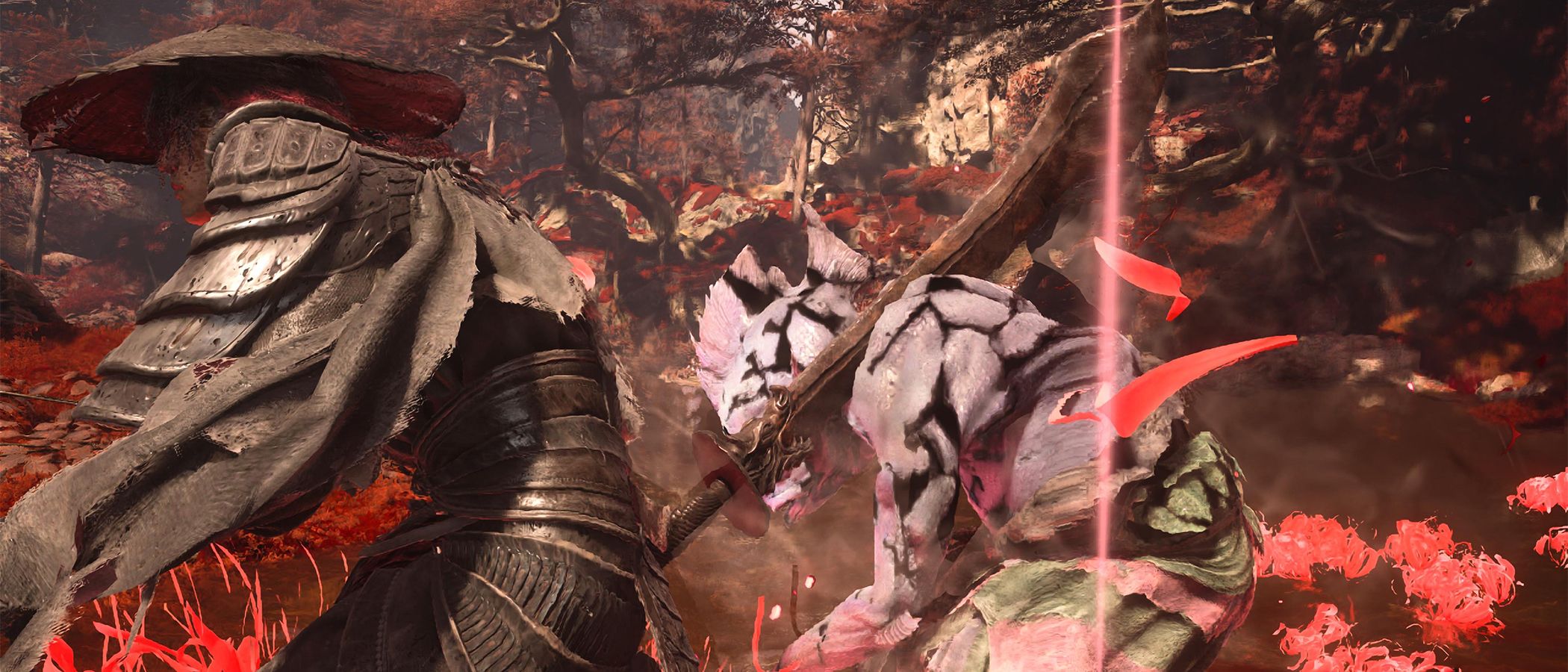
S-Game has coined the term "kung-fu-punk" to describe the aesthetic and thematic backbone of the title. It is a striking visual language—a synthesis of traditional Wuxia motifs—bamboo forests, ancient temples, and flowing robes—clashing with the stark, industrial reality of steel factories and advanced machinery.
This duality extends to the game’s core energy system, "Sha-Chi." In the world of Phantom Blade Zero, Sha-Chi is the lifeblood of the protagonist’s martial arts, serving as both a stamina gauge for heavy combos and a defensive resource. Beyond the player’s personal exertion, Sha-Chi is also the foundational technology that powers the world’s machinery. This thematic consistency ensures that the player feels integrated into the universe rather than just a visitor moving through set pieces.
Kinetic Combat: Mocap Meets Mastery
The centerpiece of Phantom Blade Zero is undoubtedly its combat engine. S-Game has gone to great lengths to ensure authenticity, utilizing high-fidelity motion capture from real martial artists. Notably, the involvement of Hong Kong action legend Donnie Yen and his elite stunt team provides a level of tactile, fluid choreography rarely seen in the genre.
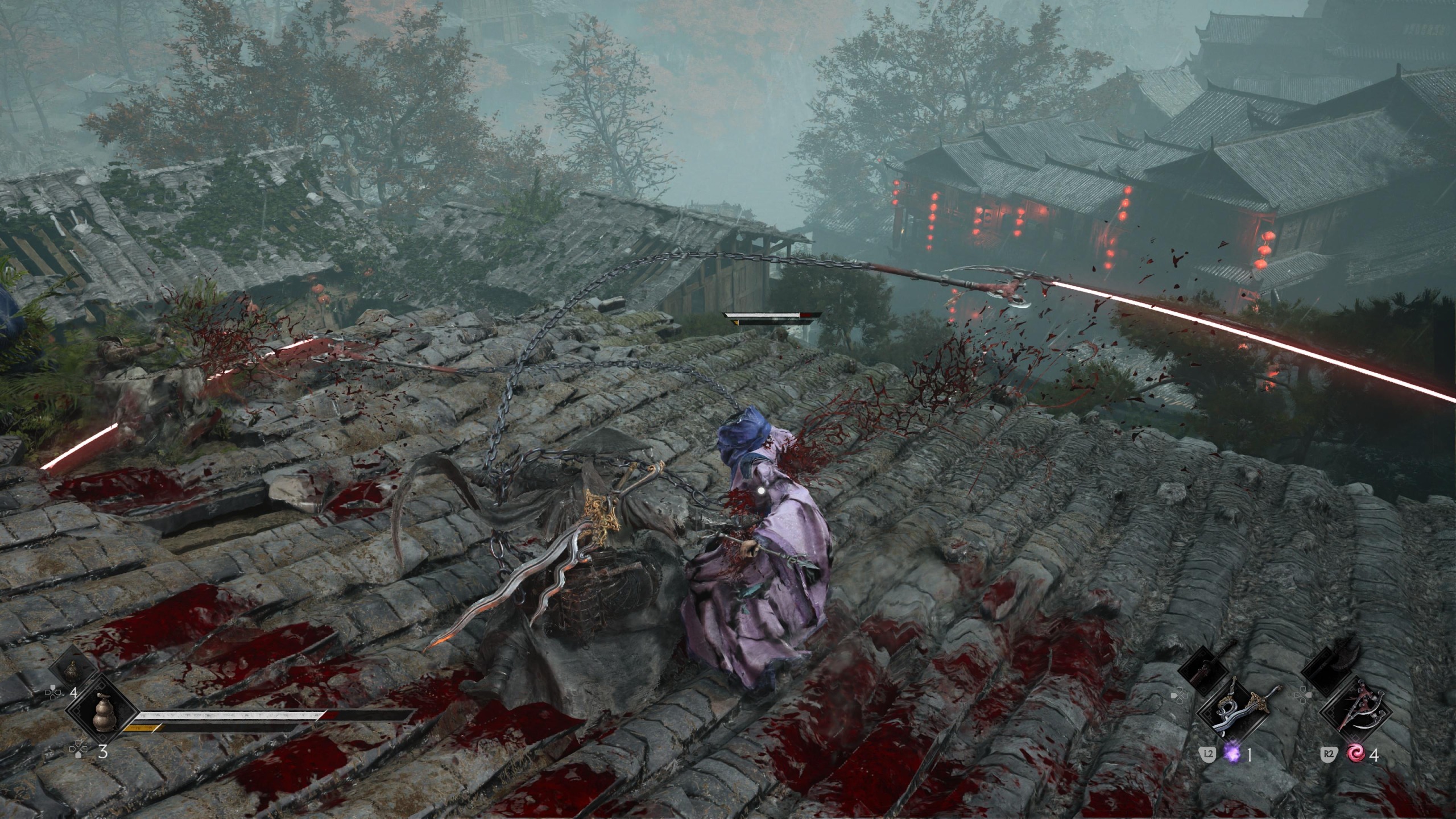
The combat loop is defined by its pace. Players must balance aggressive, flowing combos—which vary drastically depending on the weapon equipped—with defensive timing. Whether wielding the one-handed "Jagged Steel," which applies persistent bleed damage, or the massive, cumbersome "Scarlet Wraithblade," which sows the battlefield with energy-draining flora, the player is forced to master a diverse arsenal.
With over 50 unique weapons to discover and upgrade, the depth is staggering. While some weapons feel experimental or gimmicky—such as the drunken-martial-arts-inspired blades—the necessity of switching weapons to replenish the Sha-Chi gauge encourages a dynamic, ever-changing playstyle. This system prevents the game from settling into a singular "best weapon" meta, rewarding players who experiment with the full breadth of the armory.
Exploration and the Illusion of Freedom
While the combat excels in its frenetic energy, the exploration aspect of Phantom Blade Zero reveals the game’s more polarizing design choices. The world is dense and, at times, breathtakingly beautiful, often reminiscent of traditional Chinese ink-wash paintings. However, the traversal system frequently feels restrictive.
Features such as wall-running and cliff-scaling, while visually impressive, are confined to scripted interactions. Players will often find themselves approaching a ledge that seems reachable, only to be met with an invisible wall or a lack of mantling capability. This creates a disconnect between the player’s perception of the environment and the game’s rigid pathing.
Furthermore, the "Phantom Edges"—specialized tools like the chain-sickle or heavy axes—serve as both combat utilities and environmental keys. While these offer a nod to Metroidvania-style progression, they often function as little more than glorified door openers. In a world that promises the expansive freedom of a Wulin warrior, hitting these invisible barriers during exploration can significantly dampen the sense of immersion.
The Soulslike Debate: Difficulty and Pacing
A recurring question among the community is whether Phantom Blade Zero qualifies as a "Soulslike." The answer is nuanced. In terms of mechanics, it deviates from the genre standard: checkpoints do not trigger enemy respawns, and there is no "corpse run" mechanic to retrieve lost currency.
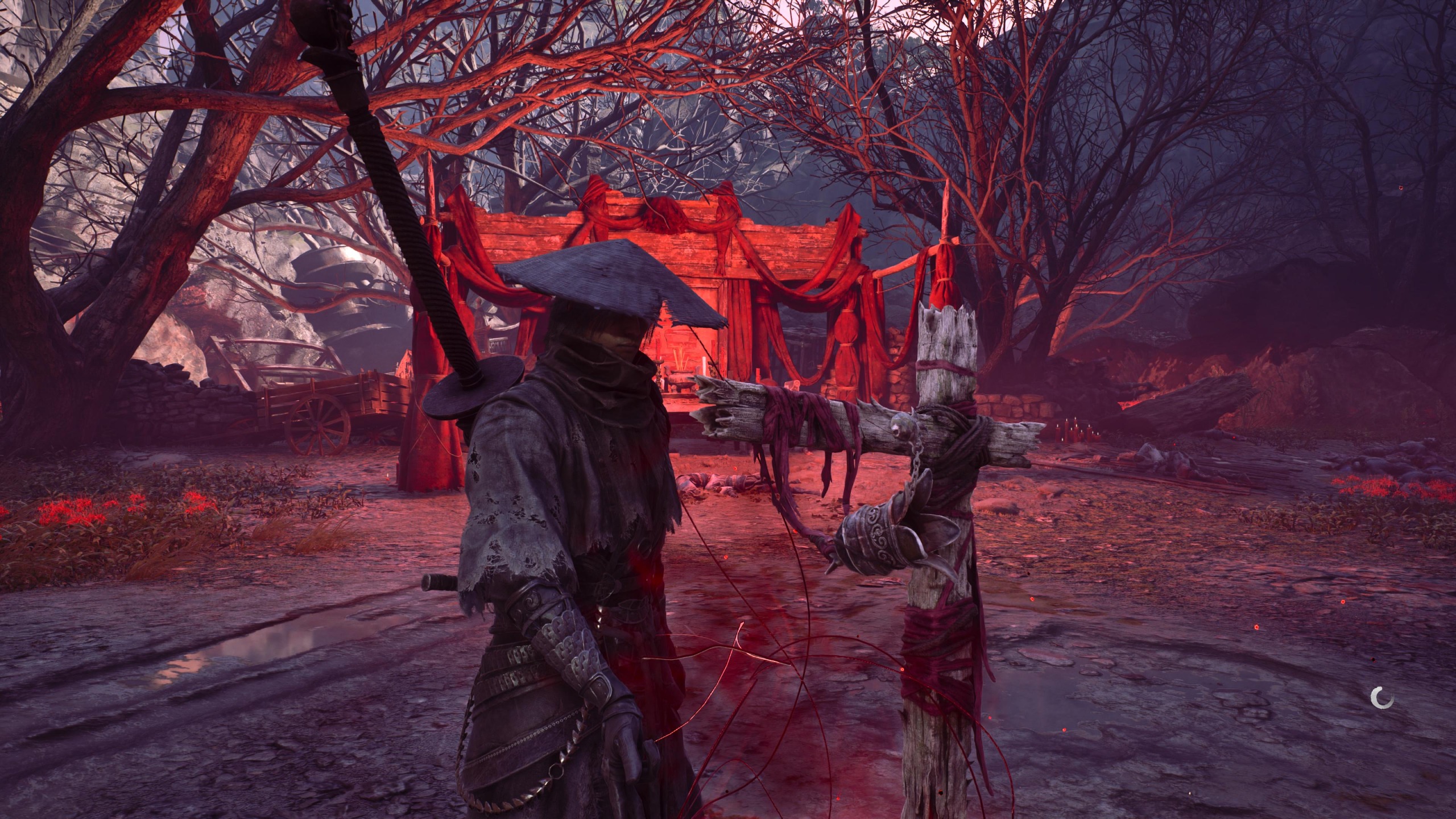
Yet, the DNA of the genre is present in the boss encounters. These battles are demanding, featuring tight parry windows and high-damage output from foes. The game offers difficulty options to mitigate the steep learning curve, but the boss design occasionally falls into the "spongy" trap. Even when a player successfully breaks an enemy’s guard, the subsequent heavy attacks often feel like they are merely chipping away at an insurmountable health bar. When these encounters are coupled with camera issues—where the environment obscures the action during critical moments—the frustration can mount quickly.
Technical Hurdles on PS5 Pro
Perhaps the most significant barrier to entry for Phantom Blade Zero is its technical state. Despite running on high-end hardware like the PlayStation 5 Pro, the experience is marred by performance inconsistencies.
During the latter half of the game, players may encounter severe frame-rate drops that transform smooth combat encounters into a slideshow. Even with ray tracing disabled and the graphics set to "Performance" mode, these stutters persist. Audio desynchronization, where voice lines drift away from the music and animation, further detracts from the polished aesthetic the developers clearly intended.
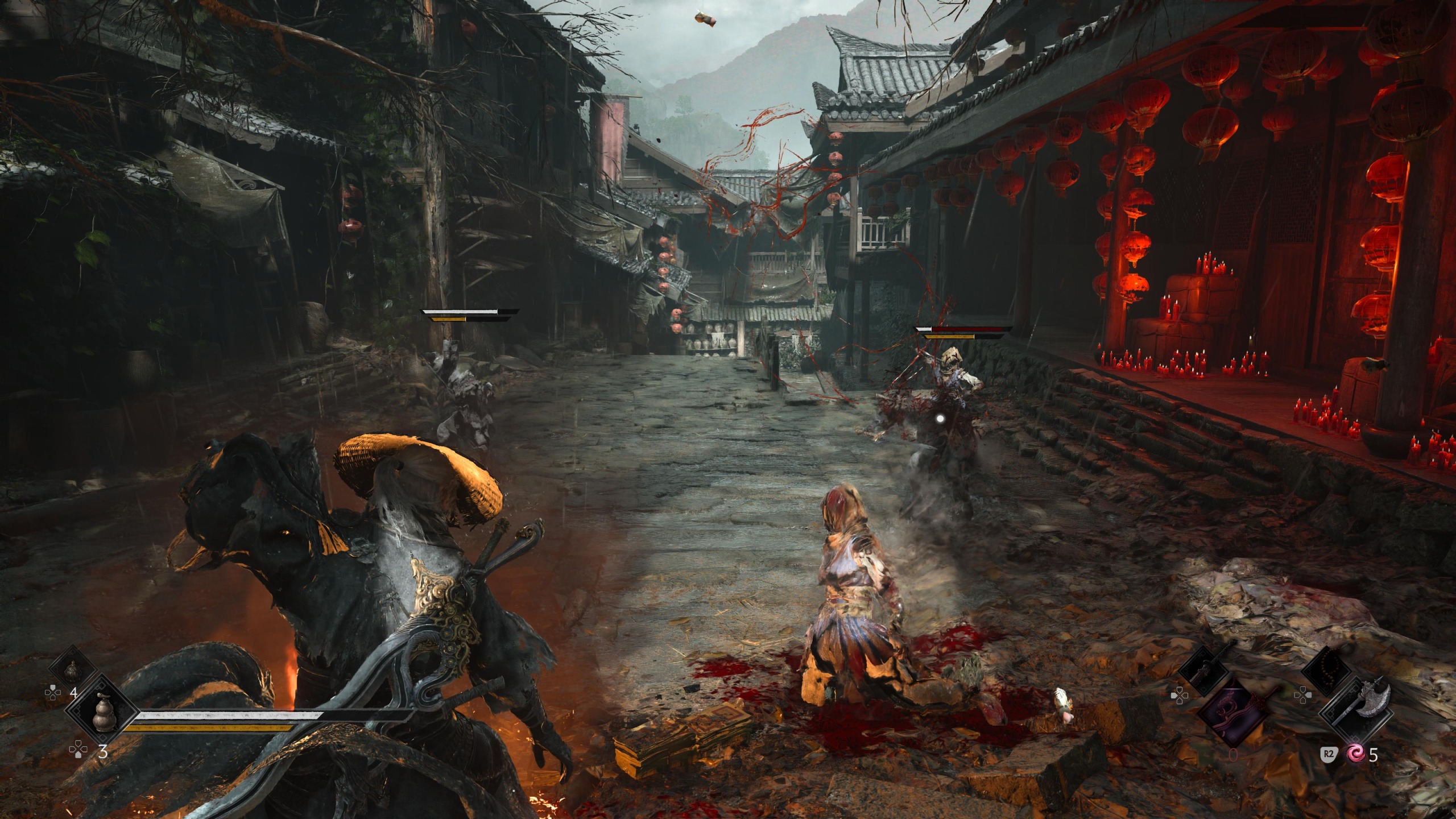
Most notably, the environmental rendering occasionally glitches, with water surfaces failing to reflect the world, instead appearing as flat, solid, or missing textures. While S-Game has indicated that post-launch patches are intended to address these grievances, the experience at release remains uneven.
Implications for the Future
Phantom Blade Zero stands as a testament to the immense ambition of S-Game. It successfully captures the spirit of classic martial arts cinema and elevates it through a unique, genre-bending aesthetic. The town of Pangzhen, in particular, is a marvel of level design that rivals the most iconic locations in modern gaming, offering a depth of lore and secret-hunting that will satisfy even the most demanding completionist.
However, the game is currently a work of "almost." Its combat is sublime, its art style is revolutionary, and its world-building is rich, but it is currently hindered by the technical and structural issues that plague its final act.
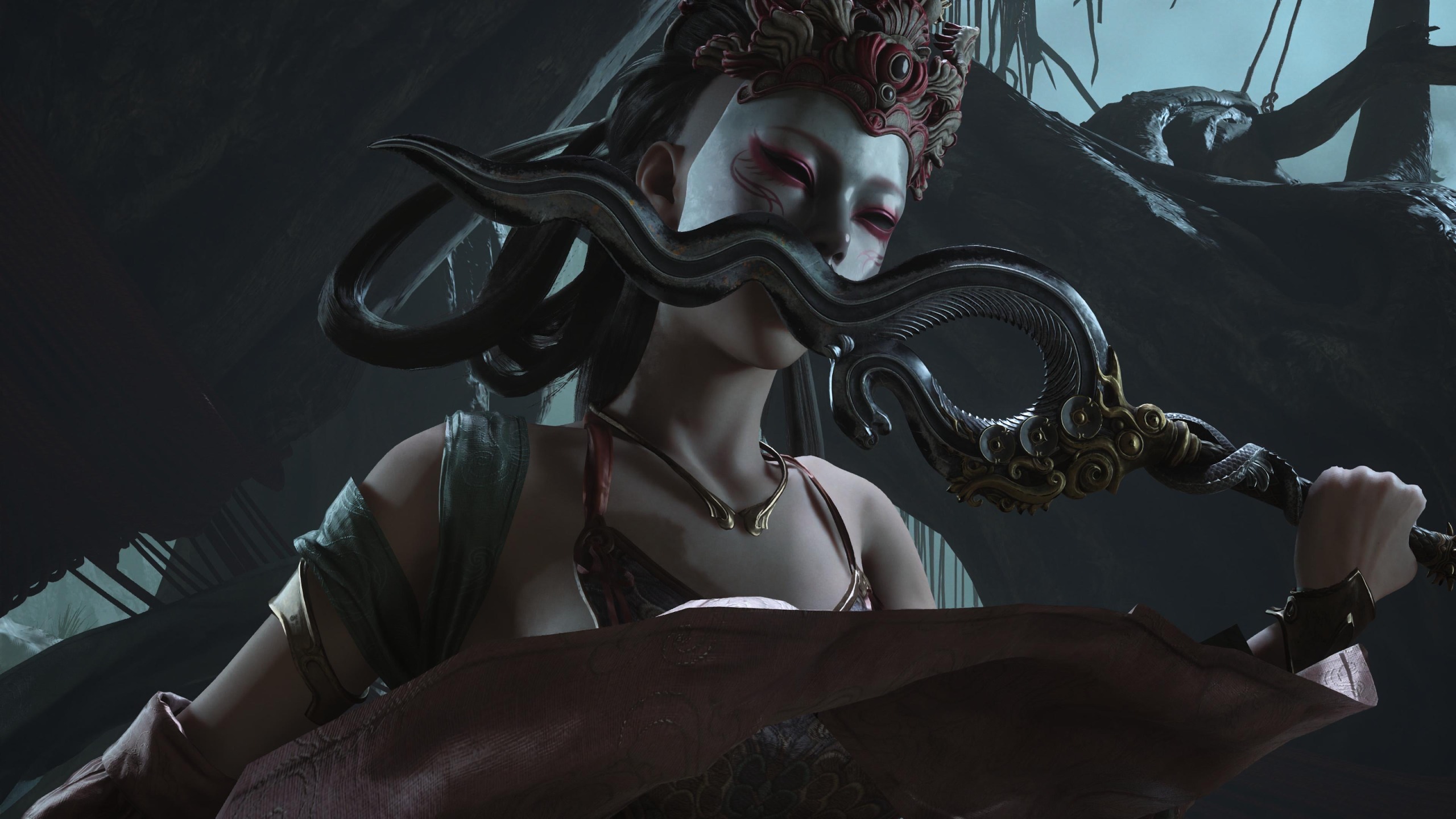
For players who prioritize style, narrative, and high-intensity combat, Phantom Blade Zero is a must-play experience that offers a glimpse into a new frontier for Chinese game development. For those who prioritize technical polish and fluid, uninhibited exploration, it may be wise to wait for further optimization patches. As it stands, Phantom Blade Zero is a grand vision that is only a few technical refinements away from being the masterwork it clearly aspires to be.
 Reynand Wu
 Nila Kartika Wati
 Nana Muazin
