
 By Nana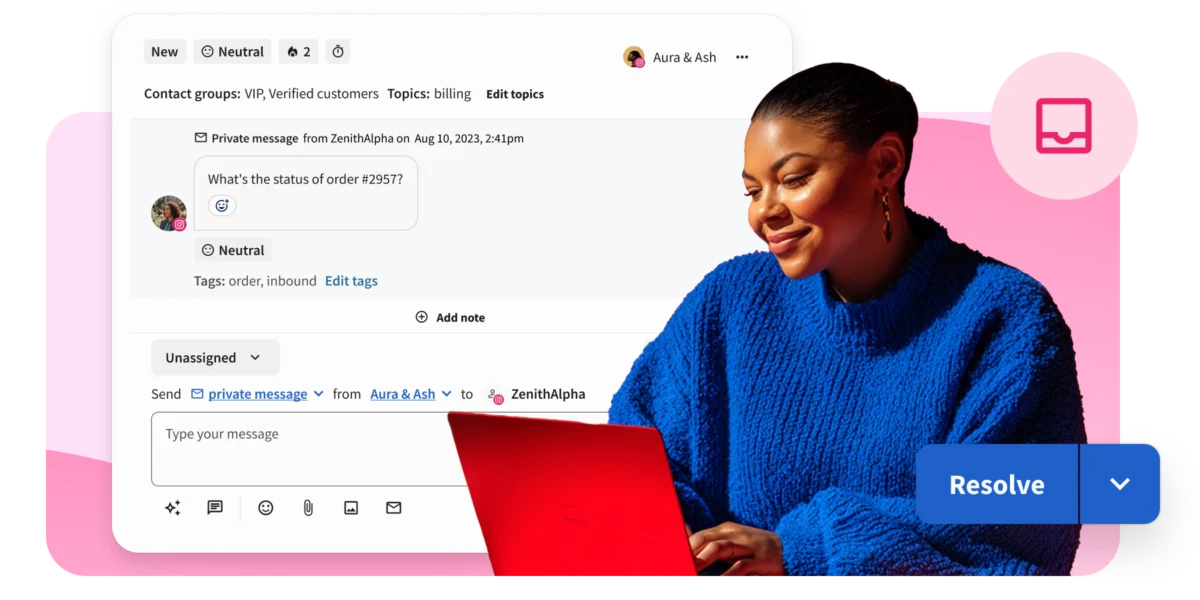
In a move that marks a fundamental shift in how brands interact with the digital landscape, Hootsuite has announced the complete reconstruction of its platform. Moving away from the traditional "social media management tool" label, the company has launched Hootsuite Social OS—an AI-native operating system designed for the hyper-accelerated pace of 2026.
This is not merely an update or a rebranding of existing features. It is a comprehensive architectural overhaul, replacing the legacy dashboard model with a unified, intelligence-driven system where artificial intelligence is not an add-on, but the core engine running every workflow.

Main Facts: What is Hootsuite Social OS?
Hootsuite Social OS functions as a "connected operating system" for social media. Just as a computer OS manages hardware and software to create a coherent user experience, Social OS binds five distinct, purpose-built apps together through a single, shared intelligence layer.
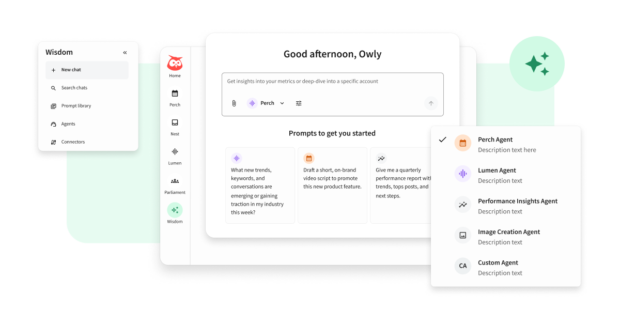
The platform is powered by Wisdom, a social-first AI agent that draws on live social data, historical brand content, and customer conversations. The five core apps include:

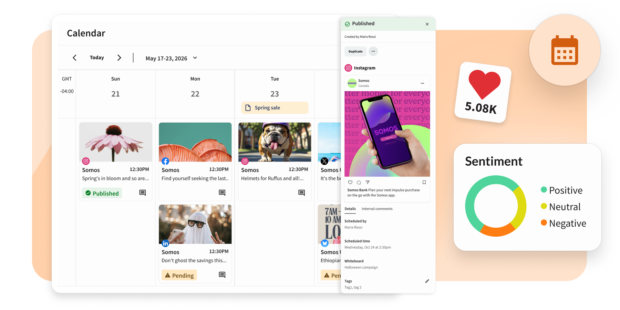
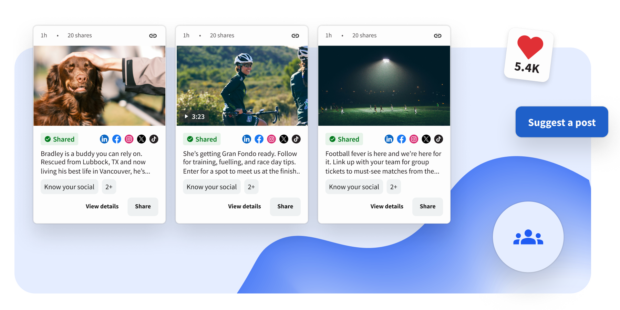
- Perch: The evolution of Hootsuite’s publishing suite, centered on AI-assisted content creation.
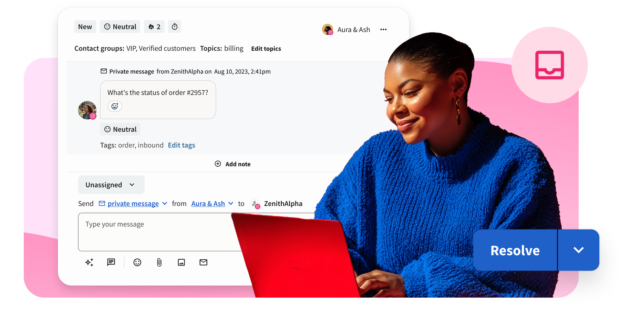
- Nest: The new, AI-powered social inbox and customer care hub.
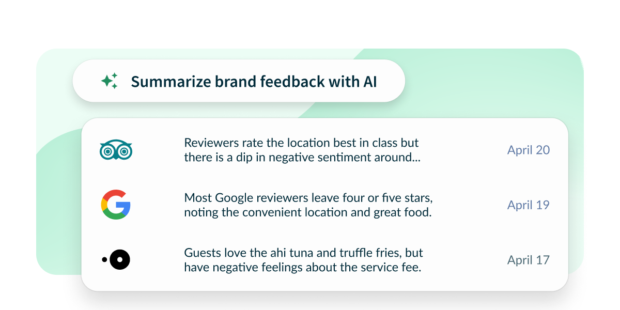
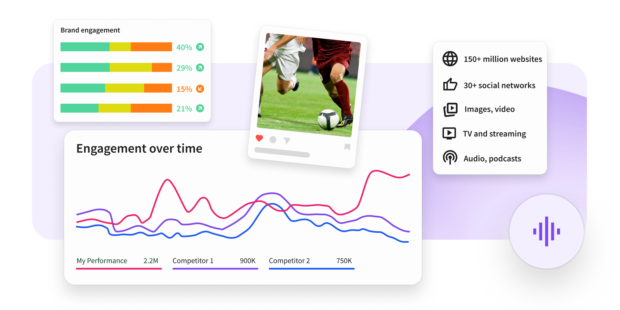
- Lumen: A high-powered intelligence engine that combines social listening with audience analytics (integrating the former Talkwalker capabilities).
- Parliament: A streamlined employee advocacy and amplification platform.
- Vigil (Coming Soon): A dedicated application for governance and compliance.
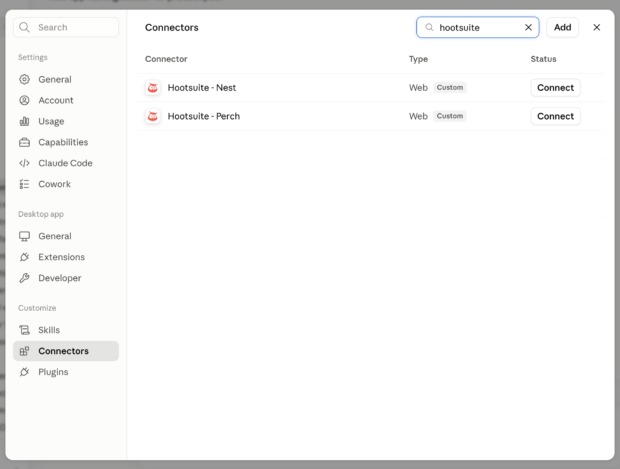
Beyond these tools, Hootsuite has introduced MCP (Model Context Protocol) connectors. These allow external AI tools—such as ChatGPT or Claude—to directly access Hootsuite’s social data and capabilities, allowing teams to maintain their preferred workflows while leveraging Hootsuite’s deep intelligence.
Chronology: The Evolution to Social OS
The transition to Social OS is the culmination of a multi-year effort to modernize how brands handle the "real-time" nature of the internet.
- The Legacy Era: Previously, Hootsuite operated as a dashboard where various functions (listening, publishing, inbox) sat side-by-side but functioned as discrete silos. AI tools like OwlyGPT and Yeti were introduced as supplementary features.
- The Integration Phase: Following the acquisition of Talkwalker, Hootsuite began the complex task of merging enterprise-grade social intelligence with its widespread publishing platform.
- The Rebuild (June 2026): Hootsuite officially sunset the previous architecture. By consolidating OwlyGPT and Yeti into the singular Wisdom agent, and folding Talkwalker’s intelligence into the new Lumen app, the company transitioned from a "toolset" to an "operating system."
- Current State: The platform is now fully deployed, with MCP connectors facilitating the ability for external enterprise tools to "talk" to Hootsuite’s data in real-time.
Supporting Data: Why "Built-in" AI Matters
In 2026, the market is saturated with AI tools, but Hootsuite argues that most are "bolted-on" rather than "built-in." The difference is critical for brand performance.
Most legacy AI tools are reactive—they analyze what happened last week to suggest a post for next week. In contrast, Hootsuite’s Social OS is built on a "live signal" architecture. With access to over 150 million sources in 187 languages, the platform allows brands to detect cultural shifts as they occur.
The impact of this integration is measurable:
- Reduced Context Switching: By unifying workflows, teams save an estimated 30-40% of time previously lost moving between disparate analytics and publishing tabs.
- Real-time Triage: Through the Nest inbox, AI-driven triage identifies and prioritizes urgent customer issues, significantly reducing response times—a critical metric for enterprise teams managing high-volume social traffic.
- Global Reach: The integration of Talkwalker’s massive data engine into Lumen ensures that large-scale organizations have a global, 24/7 pulse on their market, rather than just monitoring brand mentions.
Official Perspective: The "Owl" Identity
According to Hootsuite leadership, the decision to rename and reorganize the apps under an "owl-themed" nomenclature (Perch, Nest, Lumen, Parliament, Wisdom) was more than an aesthetic choice. It represents a unified identity for a platform that has grown through various acquisitions.
"The old names described tools inside one big dashboard," says the company. "The new names reflect a suite of distinct, independently buyable apps, each built for a specific job, each with its own AI."
By retiring the individual branding of legacy products like Hootsuite Amplify (now Parliament) and Talkwalker, the company is signaling that the era of fragmented tools is over. They are positioning themselves as the singular source of truth for social data, where intelligence isn’t just stored—it’s actionable.
Implications: The Future of Social Marketing
The launch of Social OS carries profound implications for the social media marketing industry.
1. The Death of the "One-Size-Fits-All" Dashboard
For years, social media managers have been forced to adapt to a single, monolithic interface. By breaking the platform into distinct apps that are "independently powerful," Hootsuite is allowing teams to customize their stack based on their specific needs. A small business might only need Perch and Nest, while an enterprise firm can deploy the full Social OS suite.
2. AI as an Orchestrator, Not a Chatbot
The introduction of MCP connectors changes the paradigm of the "AI assistant." Instead of logging into a tool to ask a chatbot to draft a post, the user can now be in a meeting document or a private Slack channel, and through an MCP connector, command the Social OS to retrieve analytics or schedule content. This effectively embeds Hootsuite into the digital infrastructure of the entire company, rather than keeping it isolated in a browser tab.
3. The New Standard for Enterprise Governance
With the upcoming launch of Vigil, Hootsuite is addressing the biggest barrier to AI adoption in large organizations: risk. By creating a dedicated space for compliance, they are offering a "safe" way to experiment with generative AI, ensuring that brand voices remain consistent and legally sound even when the content is AI-assisted.
4. A Shift Toward "Active" Intelligence
The most significant change is the shift from "reporting" to "acting." In the past, social listening tools produced reports that were often filed away. With Lumen and Wisdom, the insight is designed to trigger a workflow immediately. If a trend is detected, Wisdom can suggest a post for Perch to create, which then gets pushed to Parliament for employee amplification. The feedback loop is now closed.
How to Get Started
Hootsuite is currently offering a 14-day free trial for its core apps—Perch, Nest, and Lumen—with no credit card required. For teams looking to migrate from legacy platforms, the company is emphasizing that the transition is architectural rather than disruptive; the core capabilities remain, but the efficiency gains provided by the new AI-native workflow are immediate.
As social media continues to move faster than human teams can manually track, the industry is reaching a threshold. Brands that fail to adopt an integrated, AI-native operating system risk being outpaced by those who can detect, interpret, and act on global cultural shifts in real-time. With this rebuild, Hootsuite has made its bet: the future of social media isn’t just about posting content—it’s about building a responsive, intelligent organism that reflects the speed of the modern world.
 Reynand Wu
  Muslim
  Nila Kartika Wati