
 By Asep Darmawan
As the digital marketing landscape shifts further toward first-party data strategies, LinkedIn has solidified its position as the premier ecosystem for B2B engagement. With an audience exceeding 1.3 billion professionals, the platform offers a level of targeting precision that remains unmatched in the social media landscape. For marketers navigating the complexities of 2026, understanding how to leverage LinkedIn’s professional graph is no longer optional—it is a competitive necessity.

The Strategic Importance of LinkedIn in 2026
Unlike consumer-facing platforms that rely on interest-based signals, LinkedIn is built upon verified career data. This allows advertisers to reach audiences based on job title, company size, industry, and seniority. In a B2B environment where sales are rarely the result of a single interaction, LinkedIn’s ability to target entire "buying committees"—from the C-suite decision-makers to the daily practitioners—is its greatest asset.

The platform has evolved significantly, integrating AI-driven campaign management and sophisticated multi-channel ad formats that align with the full funnel, from top-of-mind brand awareness to granular, data-backed lead generation.
Chronology of an Account Setup: From Zero to Launch
Establishing a presence in LinkedIn’s Campaign Manager is a streamlined, four-stage process designed for efficiency.
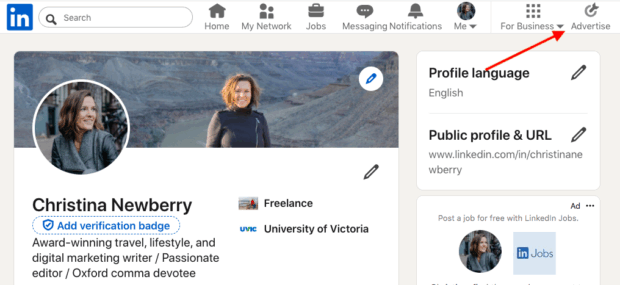
- Accessing the Manager: Users begin by navigating to the "Advertise" tab in the top navigation of their professional profile.
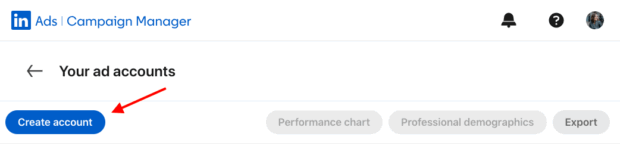
- Account Creation: After selecting "Create account," marketers define their currency and naming conventions.
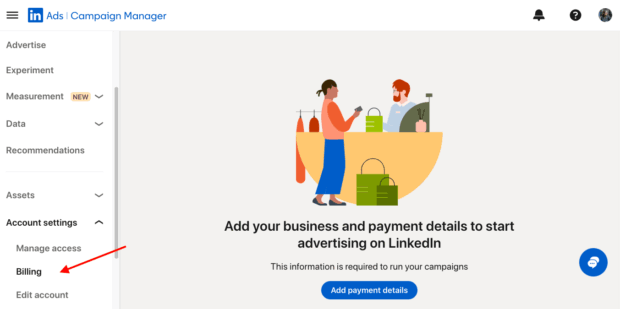
- Administrative Foundations: Connecting a LinkedIn Company Page is the crucial third step. While certain ad formats permit independent operation, linking a Page is considered best practice for long-term brand authority. During this phase, teams should also manage access permissions to ensure cross-functional collaboration.
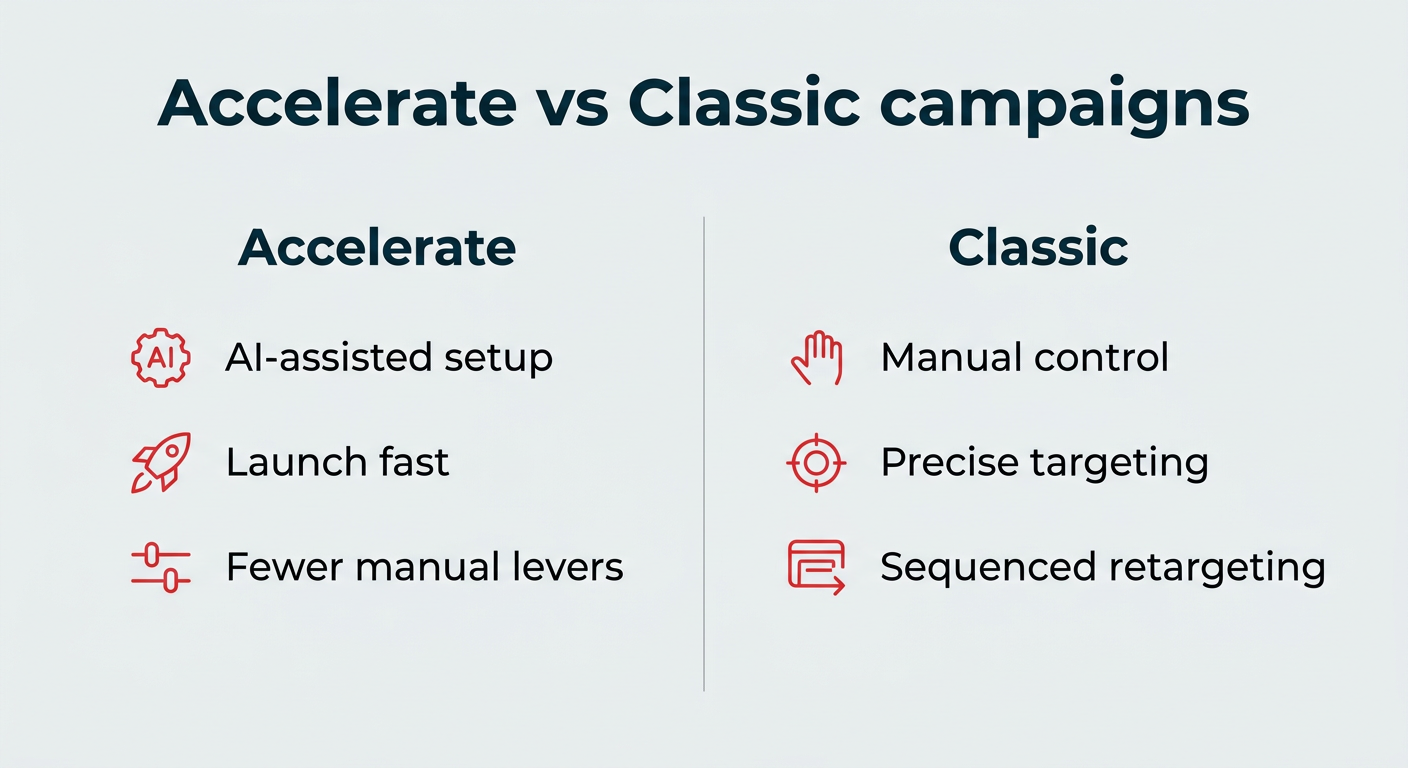
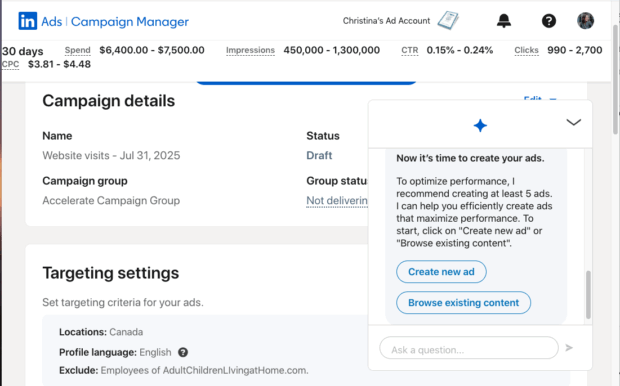
- Campaign Initialization: The final step involves selecting a primary objective. Whether you are aiming for website traffic, engagement, or lead conversion, the system guides you through the selection of either an AI-assisted "Accelerate" campaign or a manual "Classic" campaign.
The Economics of the Auction: Understanding Costs
LinkedIn’s auction-based system is designed to maximize value for both the member and the advertiser. Because the platform commands a highly qualified, professional audience, it typically sits at a higher price point than broader social networks.
As of 2026, third-party industry benchmarks suggest the following:
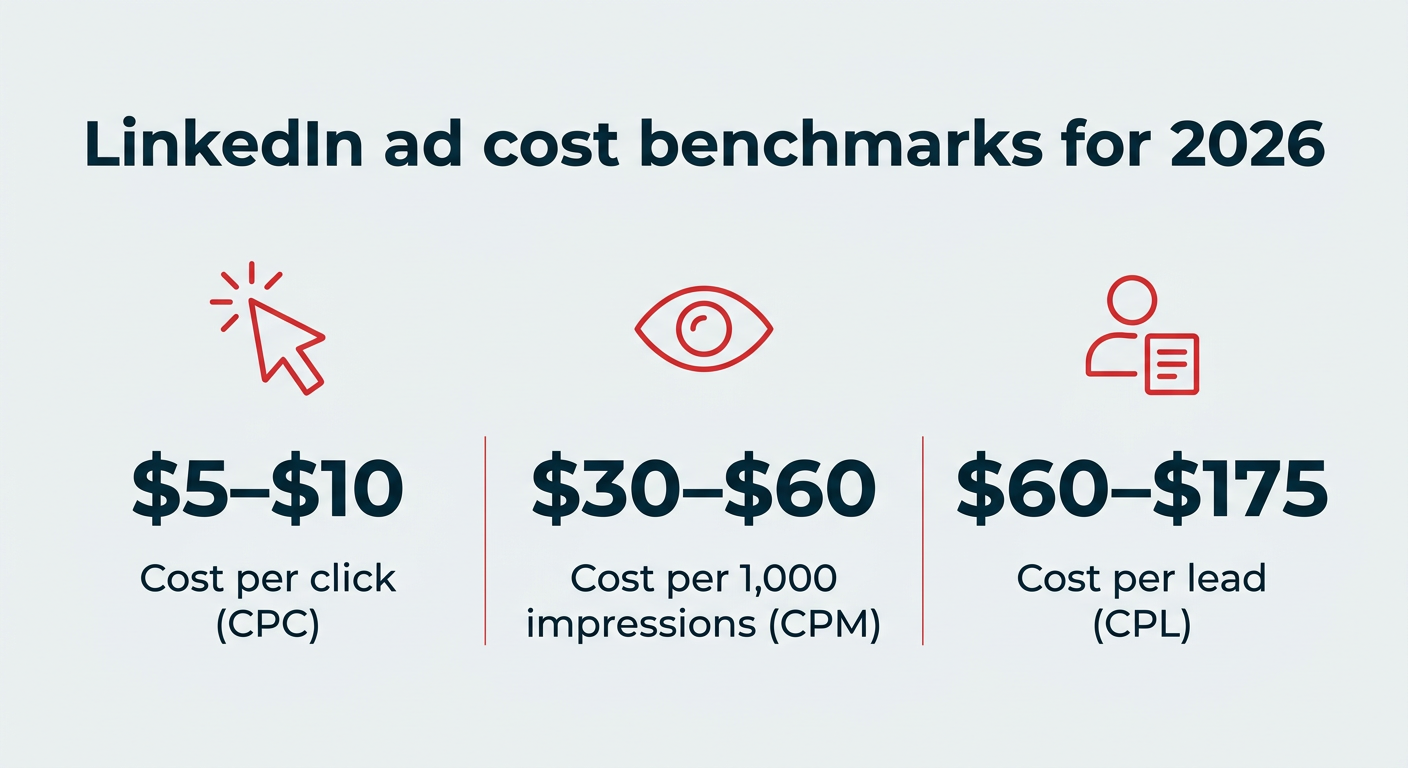
- Cost Per Click (CPC): $5 – $10
- Cost Per 1,000 Impressions (CPM): $30 – $60
- Cost Per Lead (CPL): $60 – $175
While these figures may seem steep, they must be viewed through the lens of pipeline quality. LinkedIn ads prioritize downstream opportunity conversion over vanity metrics. A higher CPL is often justified if the resulting leads possess the budget and authority to actually close a contract.
AI-Assisted vs. Manual Control: Choosing Your Path
LinkedIn now offers two distinct operational modes:
The "Accelerate" Model
Accelerate utilizes machine learning to automate targeting, creative, and bidding. It is ideal for teams that require rapid deployment and ongoing optimization without constant manual oversight. However, it requires a 10-to-14-day "learning phase" for the algorithm to stabilize performance.
The "Classic" Model
Classic remains the gold standard for high-intent, account-based marketing (ABM). It offers granular control over exclusions and audience definitions, making it the preferred choice for sophisticated campaigns where strict budget management and precise sequencing are required.
Sophisticated Targeting: Reaching the Buying Committee
The true power of LinkedIn lies in its professional attribute targeting. By layering filters—such as targeting "Marketing Managers" at "Enterprise SaaS companies" with "over 500 employees"—advertisers can eliminate waste.
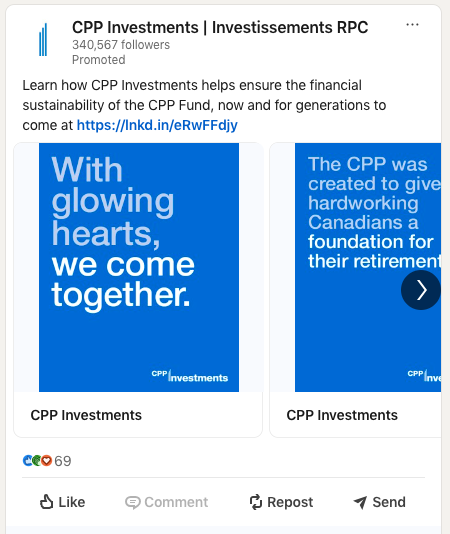
Furthermore, "Matched Audiences" allow for the integration of CRM data. By uploading customer lists or utilizing the LinkedIn Insight Tag to retarget website visitors, brands can create a seamless journey. As Gabe Feingold, Product Marketing Leader at LinkedIn, notes: "LinkedIn is the only platform purposefully built for B2B advertisers… you can engage the full buyer group in a trusted, professional environment."
A Comprehensive Review of Ad Formats
The sheer variety of ad formats available in 2026 allows for a tailored approach to content delivery:
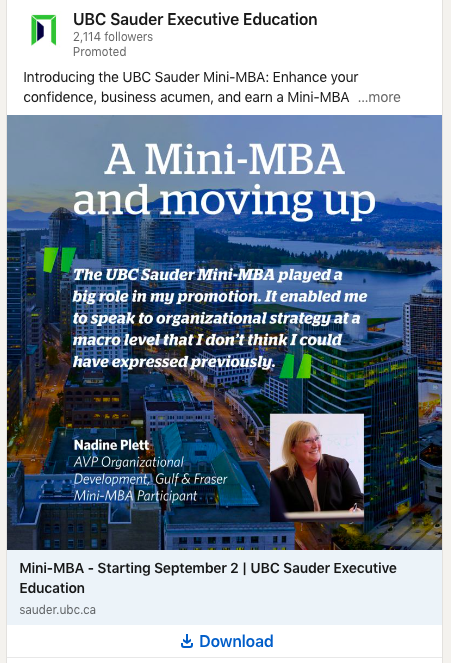
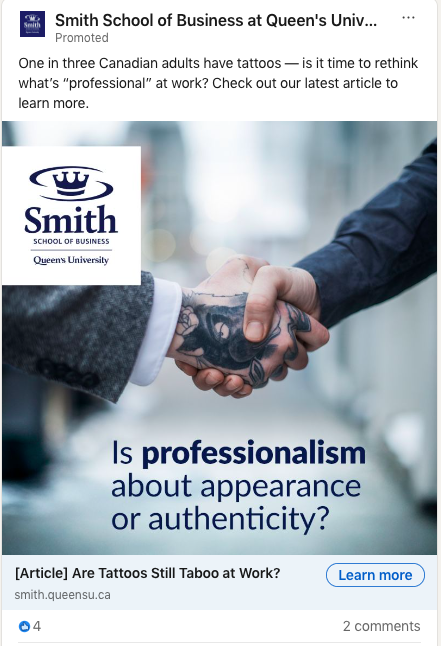
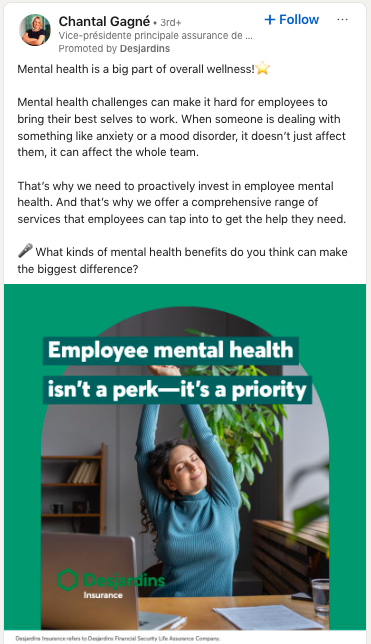
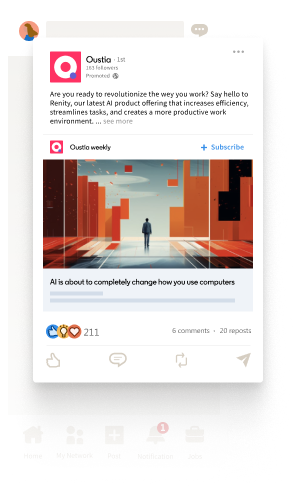
- Single Image & Carousel Ads: The workhorses of the platform, ideal for clear value propositions and step-by-step storytelling.
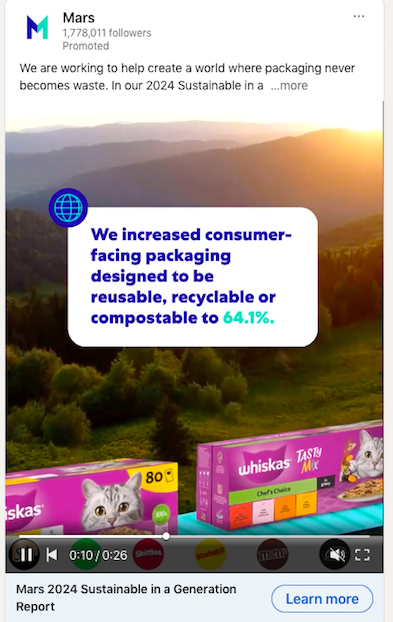
- Video Ads: With 20x more shares than other formats, video is the premier medium for brand recall and product demonstrations.
- Document Ads: A high-value format that allows users to read and download assets directly in the feed, effectively gating content to capture high-intent leads.
- Thought Leader Ads: These allow companies to sponsor organic posts from their employees, lending a sense of authenticity and human connection to the brand.
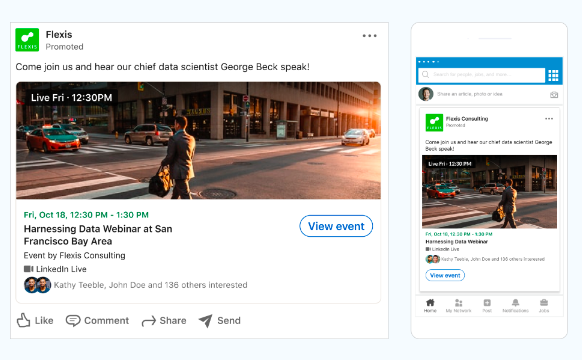
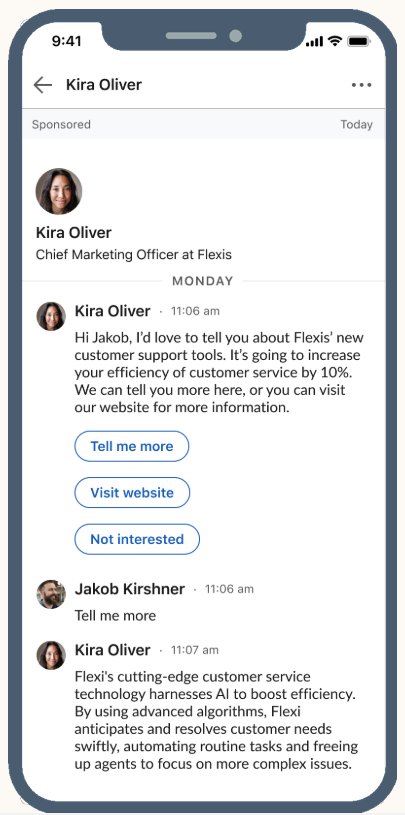
- Sponsored Messaging: Conversation and Message ads provide a 1-to-1 touchpoint, which is highly effective for time-sensitive invitations or nurturing workflows.
- Connected TV (CTV): A newer addition that allows for upper-funnel brand storytelling on the big screen, leveraging LinkedIn’s professional data to reach viewers in their homes.
Implications for Future-Proofing Your Strategy
To build a high-impact campaign, marketers must work backward from the business objective. Do not launch a lead generation campaign until you have successfully warmed the audience with thought leadership and brand storytelling.
Measuring Success
The most common mistake is focusing on vanity metrics. Instead, establish a measurement framework based on the objective:
- Awareness: Track reach and video completion rates.
- Engagement: Monitor comments, shares, and follower growth.
- Consideration: Analyze landing page views and CTR.
- Conversion: Prioritize pipeline creation and cost-per-qualified-lead.
By installing the LinkedIn Insight Tag, you gain the ability to attribute conversions directly to your ad spend. This data is the key to demonstrating ROI to leadership and securing future budget allocations.
Conclusion: The Path Forward
LinkedIn advertising in 2026 is less about the "quick win" and more about the long-term cultivation of trust. By targeting the entire buying committee rather than individuals, utilizing the correct ad formats for each stage of the funnel, and maintaining a disciplined approach to measurement, B2B marketers can turn the platform into a predictable, scalable engine for growth.
As the industry continues to move away from third-party cookies, LinkedIn’s reliance on first-party professional data will only increase in value. Those who master the platform’s nuances today will define the market leaders of tomorrow. Remember, success on LinkedIn is a marathon, not a sprint—prioritize the quality of your professional connections, and the pipeline will follow.
 Reynand Wu
  Muslim
  Nila Kartika Wati