
 By Jia Lissa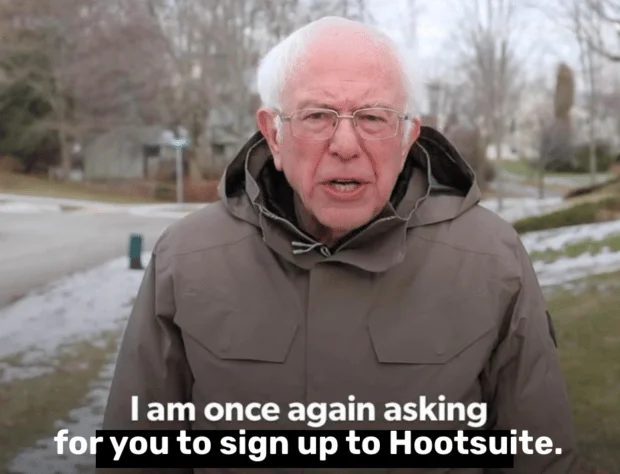
In an era where the divide between public service and digital interaction has effectively vanished, government agencies are no longer just passive observers of the social web. They are active participants. With over half of U.S. adults now relying on social platforms as a primary source for news, the mandate for public institutions is clear: meet the constituents where they are.

The evolution of government communication has moved beyond static press releases. Today, it is defined by real-time engagement, platform-native content, and the high-stakes balancing act of maintaining public trust while navigating a landscape rife with misinformation and rapid technological change.

The Evolution of the Digital Public Servant
Historically, government communications were filtered through traditional media gatekeepers. Today, social media has dismantled those walls, providing a direct pipeline between public officials and the citizenry.
This shift is not merely about convenience; it is about credibility. With public trust in government institutions hovering at a historically low 17%, social media offers a unique, albeit challenging, opportunity for humanization. By moving away from stiff, jargon-heavy messaging toward authentic, platform-native interaction, agencies can rebuild the frayed connection between the state and the people it serves.
The Power of Engagement: From Broadcasting to Dialogue
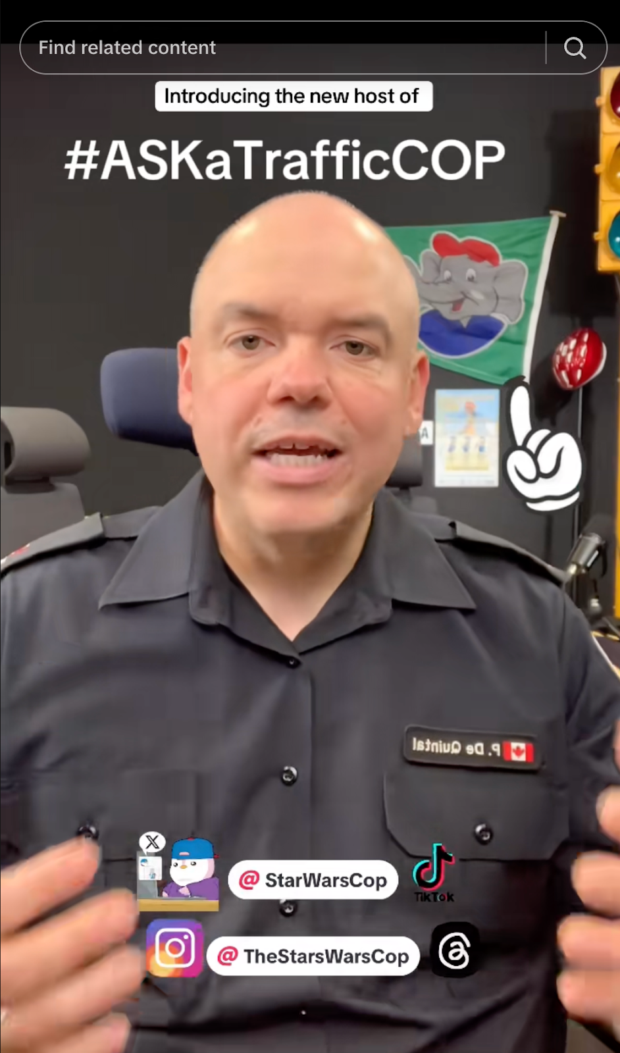
The most successful agencies have recognized that social media is a two-way street. The Toronto Police Traffic Unit, for instance, has gained massive traction on TikTok by hosting "Ask Me Anything" (AMA) sessions. By answering mundane yet important questions—such as the legality of aftermarket steering wheels—they demystify complex regulations and foster a sense of accessibility. This move from "broadcasting" to "conversing" is the cornerstone of modern civic engagement.
Chronology of the Social Media Pivot
The journey of government adoption of social media can be categorized into four distinct phases:
- The Information Era (2008–2014): Governments treated social media as a digital bulletin board. Accounts were strictly one-way, used primarily for posting event dates and emergency alerts.
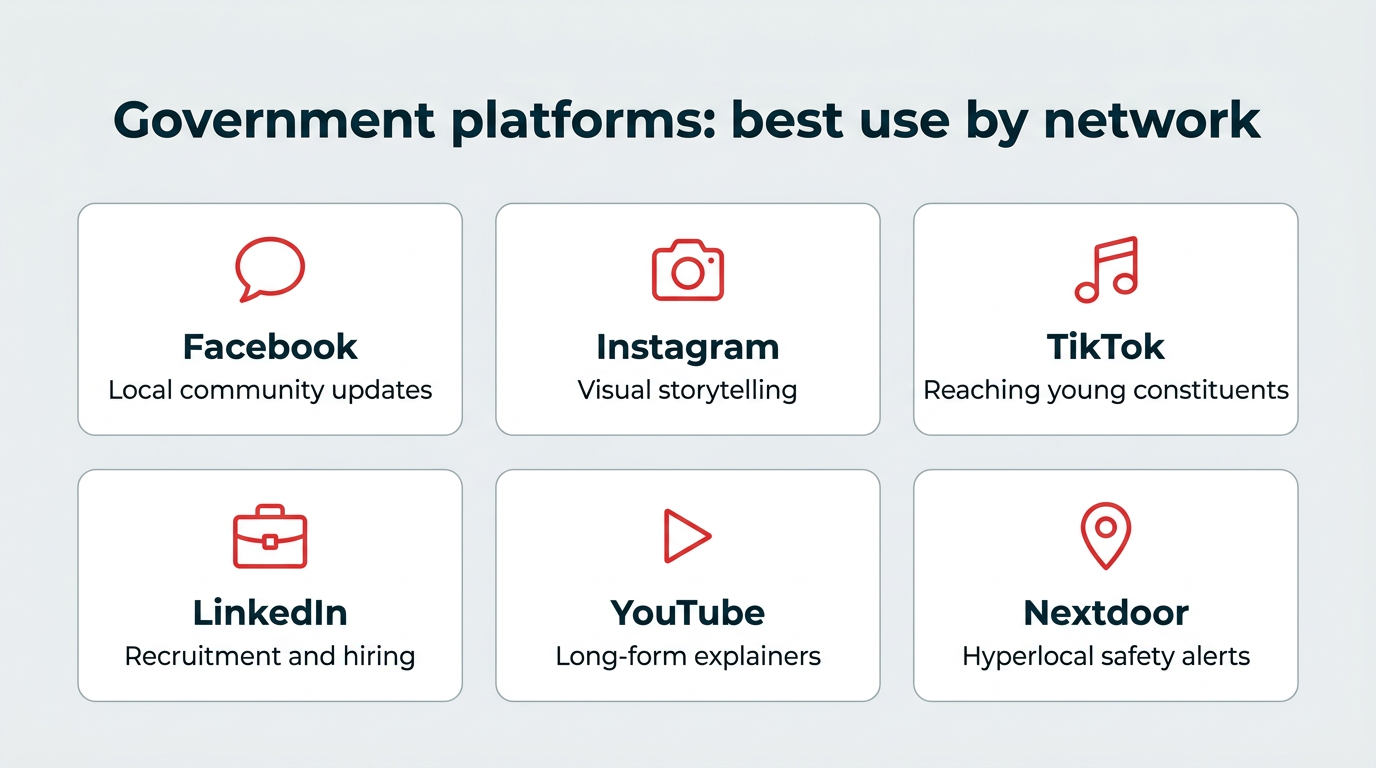
- The Crisis & Community Era (2015–2020): Agencies realized the value of community building. Platforms like Nextdoor became hubs for hyper-local safety discussions, while Facebook became the standard for municipal updates.
- The Multimedia & Short-Form Shift (2021–2024): With the rise of TikTok and Instagram Reels, government communications pivoted to visual storytelling. Agencies began experimenting with trends, memes, and personality-driven content to reach younger demographics.
- The AI & Governance Era (2025–Present): We are currently in a phase defined by the integration of AI-assisted social listening and content generation, balanced against strict legal requirements for data privacy, accessibility, and constitutional compliance.
Supporting Data: The Landscape of Public Sector Performance
The shift to digital is backed by cold, hard metrics. In the 2024 U.S. election cycle alone, political advertisers invested over $1.3 billion into digital advertising on Meta and Google, proving that the battlefield for public opinion has fundamentally moved online.
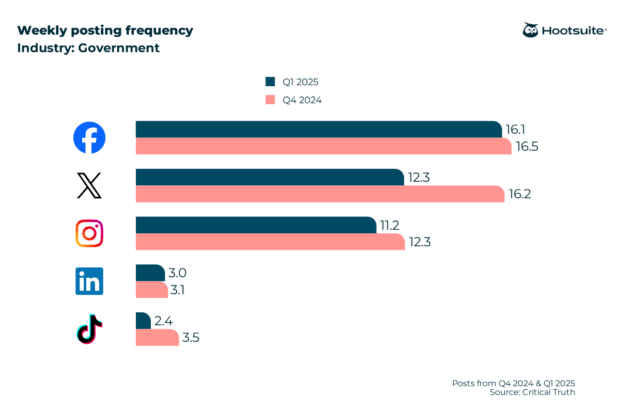
Benchmarks for 2026 (Q4 Data)
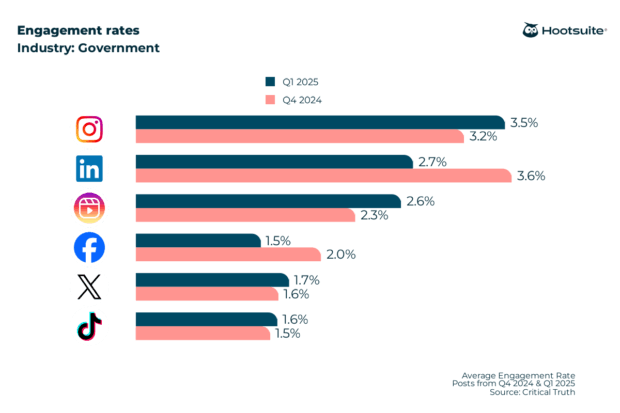
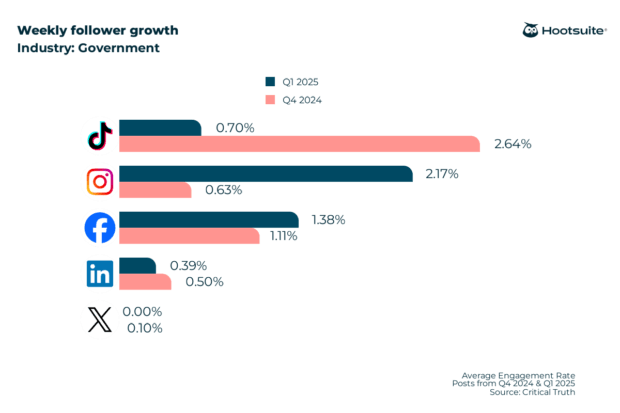
| Platform | Avg. Weekly Posts | Engagement Rate | Follower Growth |
|---|---|---|---|
| 16.1 | 1.5% | 1.38% | |
| N/A | 3.5% | 2.17% | |
| N/A | 2.7% | 0.39% | |
| X (Twitter) | N/A | 1.7% | 0% |
| TikTok | 2.4 | 1.6% | 0.7% |
These figures highlight a critical reality: while Facebook remains the workhorse for local government due to its broad, multi-generational reach, newer platforms like Instagram and TikTok are significantly more effective at driving engagement with younger demographics.
Official Responses and the Legal Frontier
The integration of social media into government operations has not been without significant legal friction. The most pressing question for administrators remains: Can we block people who are being disruptive?
The 2024 U.S. Supreme Court ruling in Lindke v. Freed provided a landmark clarification. The Court established a "state action" test, determining that an official’s social media account constitutes a public forum only if the official has the authority to speak for the government and is exercising that authority in the posts in question.
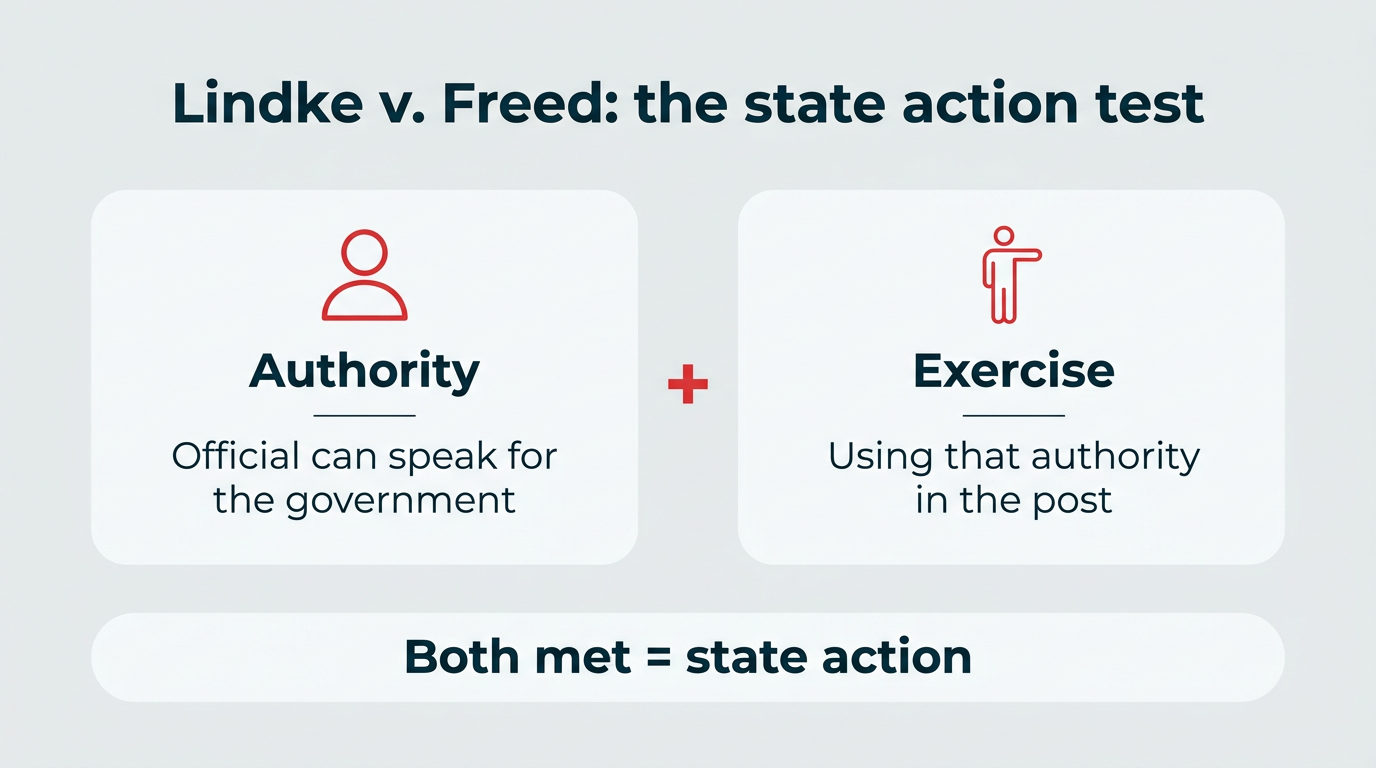
Key Takeaways for Compliance:
- The "Personal vs. Official" Divide: If an account is strictly personal, the First Amendment may not apply. However, if an account is used to conduct official business, blocking users or deleting comments may be deemed unconstitutional.
- Archiving is Mandatory: Under the Freedom of Information Act (FOIA) and various state public records laws, digital interactions are considered government records. Agencies must implement robust social media archiving solutions to remain compliant.
- Accessibility as a Right: Under Section 508 of the Rehabilitation Act, all digital content must be accessible to people with disabilities. This includes using alt-text for images and closed captions for videos.
Implications: The Risks of the Viral Age
While social media amplifies reach, it also amplifies risk. Government agencies must navigate three primary hazards:
1. The Messaging Trap
Even well-intentioned campaigns can fail if tone is misjudged. The 2014 South Dakota "Don’t Jerk and Drive" campaign is a cautionary tale of how double entendres can derail a vital safety message. Before going live, content must undergo rigorous internal review to ensure it cannot be misinterpreted.

2. The Misinformation Minefield
During crises, governments are expected to be the "source of truth." However, the speed of AI-generated misinformation makes this increasingly difficult. Agencies are now forced to invest in sophisticated social listening tools to identify false narratives in their infancy and respond with verified, factual updates before a rumor becomes entrenched.
3. The Loss of Control
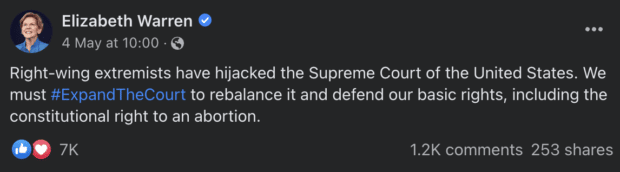
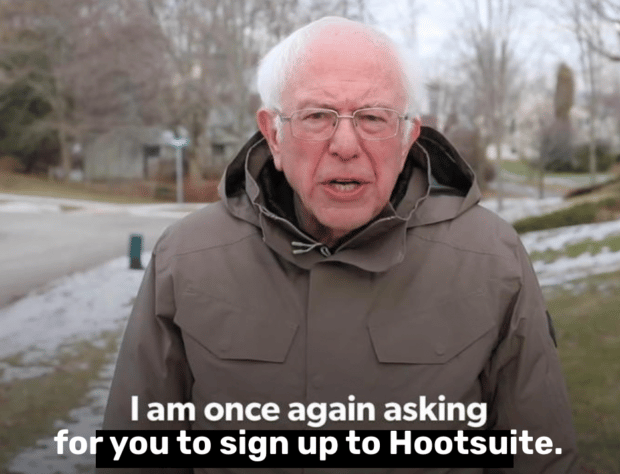
In the social media ecosystem, content is currency—and it is meant to be remixed. From the Bernie Sanders inauguration meme to viral political critiques, once an image or video enters the public sphere, the agency loses control over its context. Effective agencies have learned to lean into this "meme-ification" when it is lighthearted, while maintaining a firm, disciplined stance when misinformation threatens public safety.
Strategic Recommendations for Modern Agencies
To thrive in this environment, government entities should adopt the following framework:
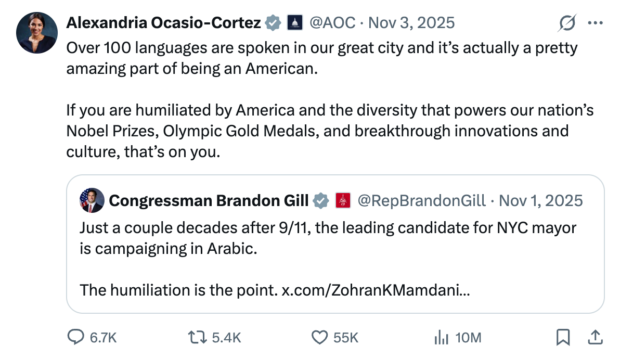
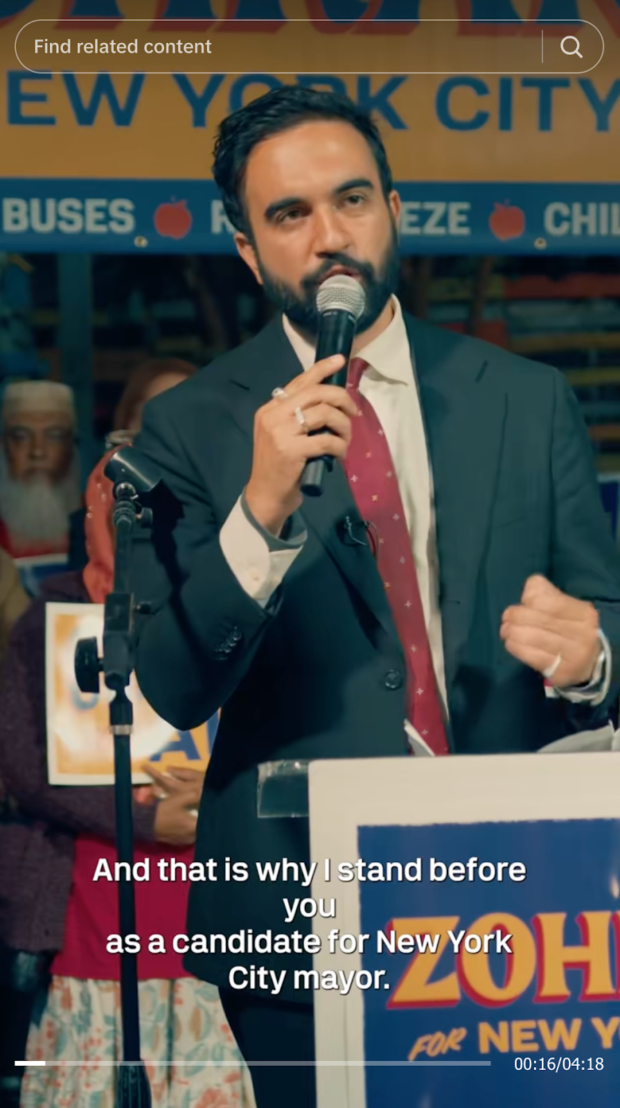
- Audience-First Platform Strategy: Do not attempt to be everywhere. If your goal is to reach Gen Z voters, as demonstrated by the success of Zohran Mamdani’s 2025 mayoral campaign, prioritize TikTok and Instagram. If you are communicating infrastructure updates to residents, prioritize Facebook and Nextdoor.
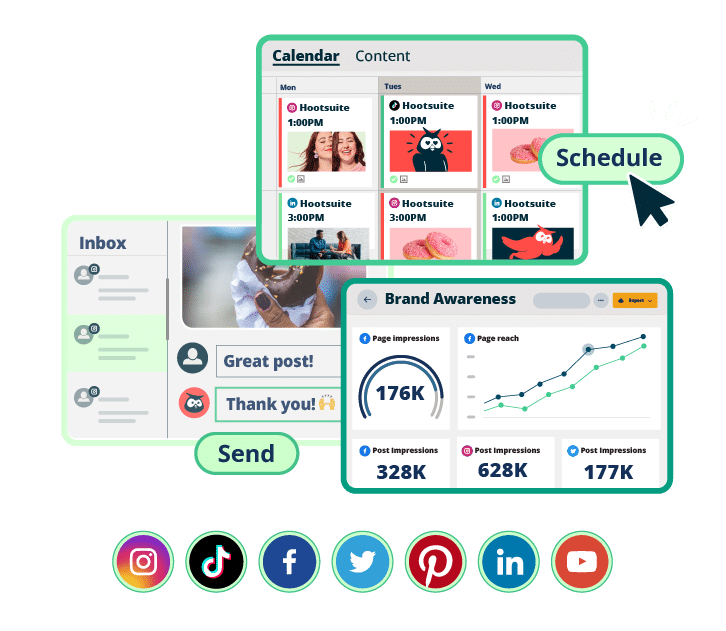
- Centralized Governance: Utilize enterprise-grade platforms to manage accounts. This allows for multi-factor authentication, approval workflows, and centralized auditing, which are essential for maintaining security and FedRAMP compliance.
- Human-in-the-Loop AI: While AI can help draft responses or monitor sentiment, it should never be the final word. Human oversight is mandatory to prevent algorithmic bias or factual errors from reaching the public.
- Proactive Reputation Management: Treat social media as an early warning system. By monitoring conversations, agencies can address constituent concerns before they escalate into public relations crises.
Conclusion
The digital town square is messy, fast, and often unforgiving. Yet, for government agencies, it is the most powerful tool available for re-establishing the social contract. By prioritizing authenticity, adhering to strict legal and accessibility standards, and employing the right technology to manage the flow of information, government agencies can transform their social media presence from a liability into a vital asset for democracy.
The goal for 2026 and beyond is not to control the conversation, but to be a trusted, reliable participant within it. Success in this arena is no longer defined by how many followers an agency has, but by the tangible impact of its engagement on the lives of the citizens it serves.
 Reynand Wu
  Muslim
  Nila Kartika Wati