
 By Nana

In the modern digital economy, the divide between selling a physical product and a digital course is not just a matter of logistics; it is a fundamental shift in psychology. While an e-commerce brand relies on the tactile appeal of a physical object—a sneaker to be worn or a gadget to be held—the digital creator is selling an intangible promise. There is no packaging to admire, no sensory verification at the point of sale. Instead, the entire weight of the transaction rests on the shoulders of an email sequence.
For digital entrepreneurs, email is not merely a marketing channel; it is the entire funnel, the storefront, and the customer success department combined. As the digital product landscape becomes increasingly saturated, the "spray and pray" method of bulk emailing has become obsolete. Today, the most successful creators are pivoting toward a model defined by three pillars: Trust before pitch, education before offer, and relationship before revenue.
The Paradigm Shift: Email as the Core Infrastructure
For traditional retail, email is often relegated to a retention tool—a nudge to recover an abandoned cart or a reminder of a seasonal sale. However, for course creators and digital product sellers, email is the primary engine of the business.
When a prospect discovers a creator via a social media post or a podcast appearance, they rarely transition immediately to a high-ticket purchase. Instead, they enter an "incubation period." They sign up for a lead magnet—a free training, a checklist, or a mini-course—and enter the creator’s ecosystem. From this moment forward, the email inbox becomes the battleground where the relationship is either forged or forgotten. Without a physical product to "speak for itself," the email sequence must perform the heavy lifting of building authority, overcoming skepticism, and demonstrating value.
Chronology of the Subscriber Journey: From Opt-in to Advocate
To understand the mechanics of a successful email strategy, one must view the subscriber journey as a chronological progression of trust.
Phase 1: The Opt-In (The Lead Magnet)
Most creators fall into the trap of viewing the lead magnet as the destination. It is, in fact, merely the entry ticket. A successful lead magnet serves as the "opening chapter" of a long-term conversation. Whether it is a free masterclass or a comprehensive white paper, the goal is to provide immediate, tangible value that proves the creator’s expertise.
Phase 2: The Welcome and Nurture Sequence
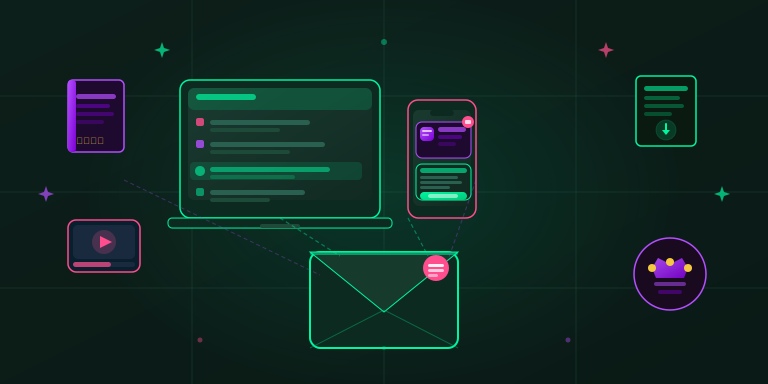
Once the email address is captured, the nurture sequence begins. This is not the time for a hard sell. Instead, it is the phase where the creator establishes "belief." The objective is to validate the subscriber’s pain points, provide actionable insights that lead to "quick wins," and differentiate the creator’s methodology from the noise of the market. This phase is critical; it is where the subscriber decides if the creator is a trusted mentor or just another voice in their inbox.
Phase 3: The Launch Window
When the time comes to offer a paid product, the tone must shift. A launch is a high-stakes, time-bound event. Unlike the slow-burn nurture sequence, a launch requires urgency. This is where creators must address objections head-on—tackling time constraints, budget concerns, and "imposter syndrome" through social proof and detailed case studies.
Phase 4: The Post-Purchase Engagement
The biggest oversight in the digital product space occurs the moment the transaction is complete. Many creators go silent after the sale. However, data suggests that the most successful businesses treat the post-purchase phase as the start of the next funnel. By checking in on student progress and encouraging milestones, creators significantly increase completion rates. A student who finishes a course and sees results becomes the brand’s most powerful marketing asset—a testimonial waiting to happen.
Supporting Data: The Anatomy of Success
Strategic email marketing for digital products is not just about frequency; it is about precision. Industry benchmarks suggest that the length and complexity of a nurture sequence should scale in proportion to the price point of the offering.
- Low-Ticket Products ($49–$99): Often require a shorter, more direct sequence, typically consisting of three to four high-value emails that focus on the "quick win" the product provides.
- Flagship Courses and Memberships ($500+): These require significantly more "runway." Research indicates that a sequence of six to ten emails, delivered over several weeks, is often necessary to build enough conviction for a high-ticket investment.
Furthermore, the "1-a-day" rule during the final 48 hours of a launch window has shown to be a high-conversion tactic. By the time a launch enters its final hours, the subscribers who have been following the nurture sequence are actively waiting for the offer. At this stage, frequency is not seen as an annoyance; it is seen as a necessary service.
Implications for the Modern Entrepreneur
The primary implication for creators is clear: ownership of the audience is the only true competitive advantage. Algorithms on platforms like Instagram, LinkedIn, or TikTok are fickle and subject to change without warning. An email list, however, is a durable asset that remains under the creator’s direct control.
Furthermore, the "Foundr" model—which leverages a massive library of free, high-quality content to build trust before introducing a $1 trial for their membership platform—demonstrates the power of the "low-risk entry point." By removing the barrier to entry after trust has been established, the conversion rate for the full product significantly increases.
Leveraging Technology: The Role of Automation
Managing these complex sequences manually is a recipe for burnout. This is where specialized automation platforms, such as Omnisend, become essential infrastructure.
Modern email marketing tools have evolved beyond simple "send" buttons. Today’s platforms offer:
- Behavioral Segmentation: Ensuring that a subscriber who has already purchased a course isn’t receiving "buy now" emails, but rather "how to succeed" content.
- Automated Workflows: Triggering personalized nurture flows based on the specific lead magnet a user downloaded.
- Cross-Channel Integration: Combining email with SMS for urgent launch alerts, ensuring the message reaches the subscriber regardless of their inbox activity.
For creators looking to switch platforms, the barriers are lower than ever. Many providers now offer comprehensive migration services, handling the heavy lifting of moving lists, templates, and flows for free. For most businesses, this transition results in not only a more sophisticated marketing stack but often a reduction in overhead costs—frequently by as much as 35%.
Conclusion: The Path Forward
The digital product business model is one of the most resilient structures in the modern economy. It is immune to the whims of platform algorithms, provided the creator understands that their list is not a collection of leads, but a community of individuals.
The creators who dominate their niches in the coming years will not be those who send the most emails. They will be the ones who send the right emails—those that provide genuine value, respect the subscriber’s time, and build a foundation of trust that makes the eventual sale a natural, logical conclusion.
In a world of noise, the inbox remains the last frontier of personal connection. Treat it with the respect it deserves, and your audience will reward you with their loyalty, their testimonials, and their long-term business. By leveraging the right tools to automate the technical heavy lifting, you free yourself to focus on what actually moves the needle: the quality of the conversation.
 Asep Darmawan
 Reynand Wu
