
 By Azzam Bilal Chamdy
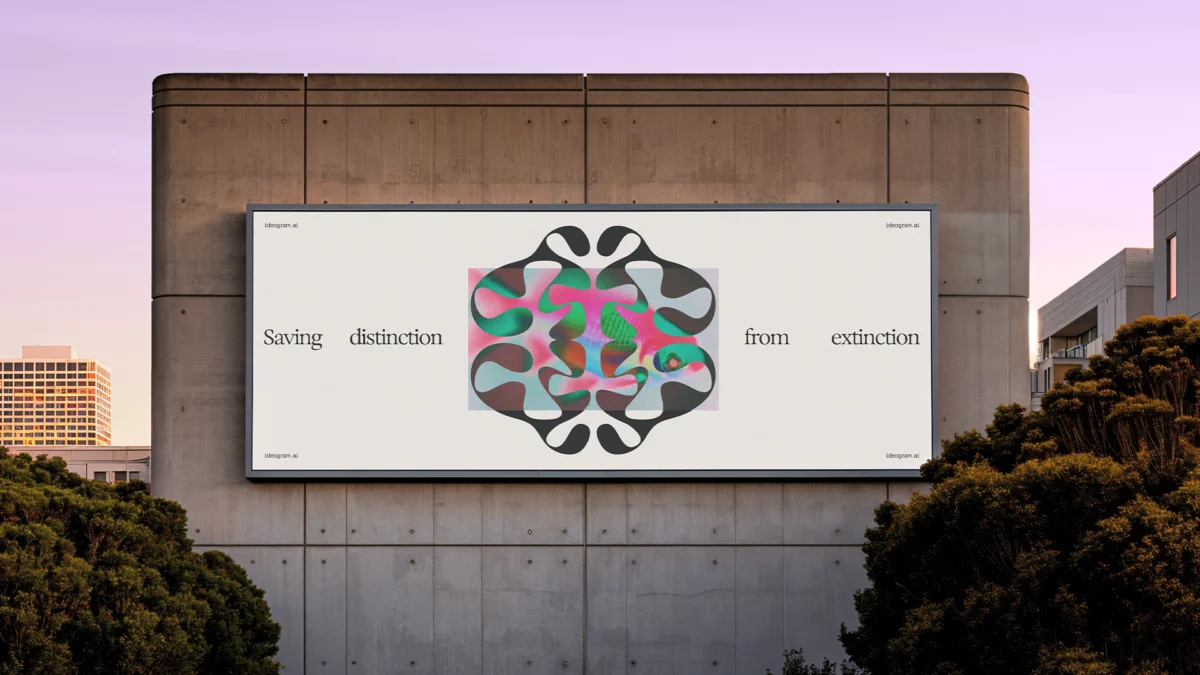
In an era defined by the rapid ascent of generative artificial intelligence, a peculiar contradiction has emerged at the heart of the tech industry. The very corporations championing machine-learning models—tools capable of synthesizing complex imagery in seconds—are increasingly turning to human designers, typographers, and creative agencies to define their visual identities.
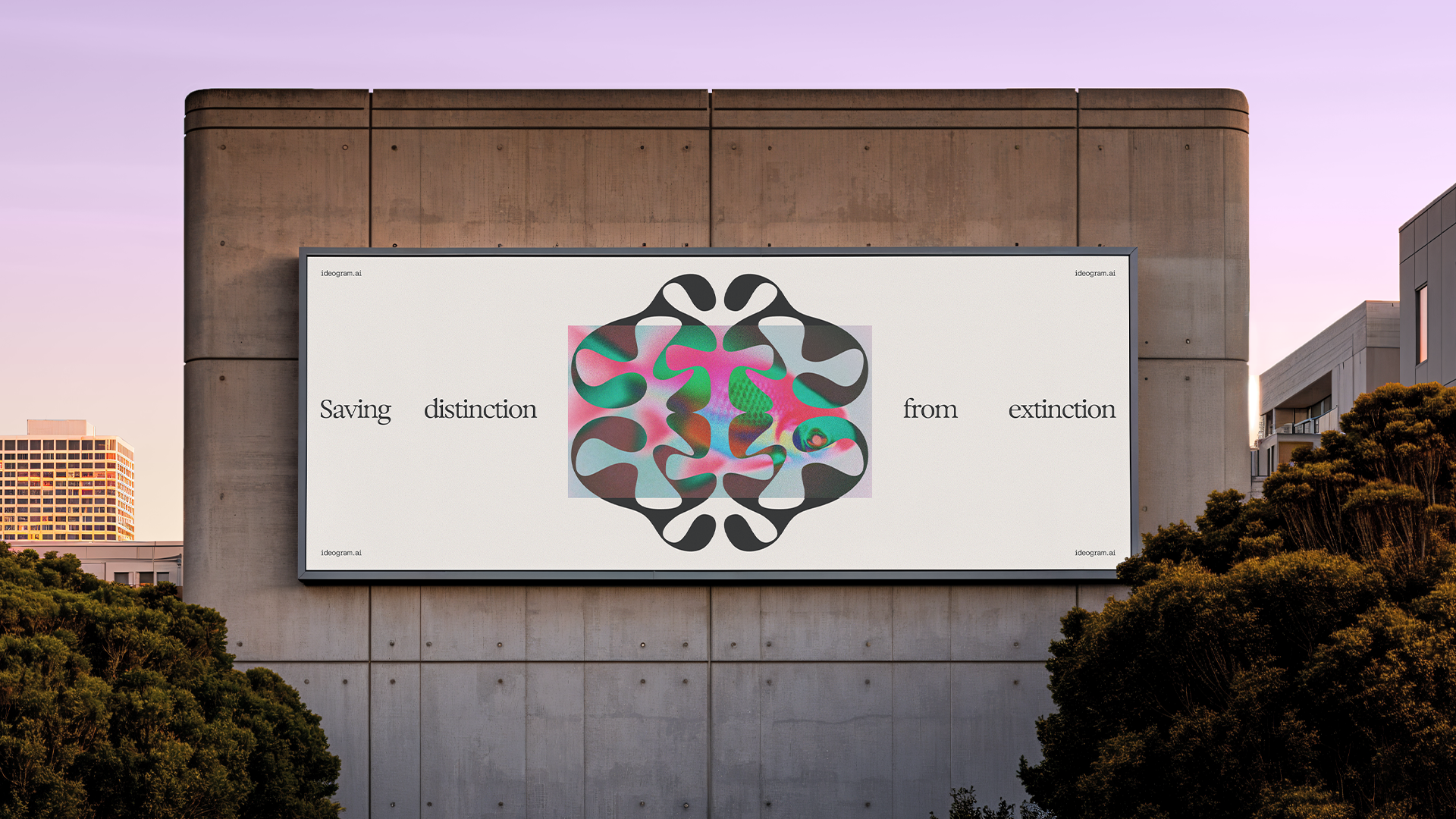
From the rebranding of Ideogram by How&How to the high-profile collaboration between Meta and lettering artist Jessica Hische for its "Muse" platform, a trend is clear: despite the promise of automated creativity, the world’s most advanced AI firms are doubling down on the "human touch." This shift raises fundamental questions about the nature of brand authenticity, the ethics of creative labor, and the enduring value of human-centric design in a post-algorithmic world.
The Chronology of a Creative Shift
The timeline of this phenomenon tracks alongside the explosive growth of generative AI tools. As these platforms moved from niche research projects to consumer-facing products, they faced an immediate problem: they were viewed as sterile, unpredictable, and ethically ambiguous.
- 2023: Early AI startups rely heavily on default aesthetics—typically minimalist, tech-forward, and somewhat generic. The focus is on functionality, with branding serving as a secondary concern.
- Early 2024: As market saturation increases, AI companies begin to realize that "AI-generated" is no longer a unique selling point. To compete for user trust, they begin seeking distinct visual identities that convey reliability and sophistication.
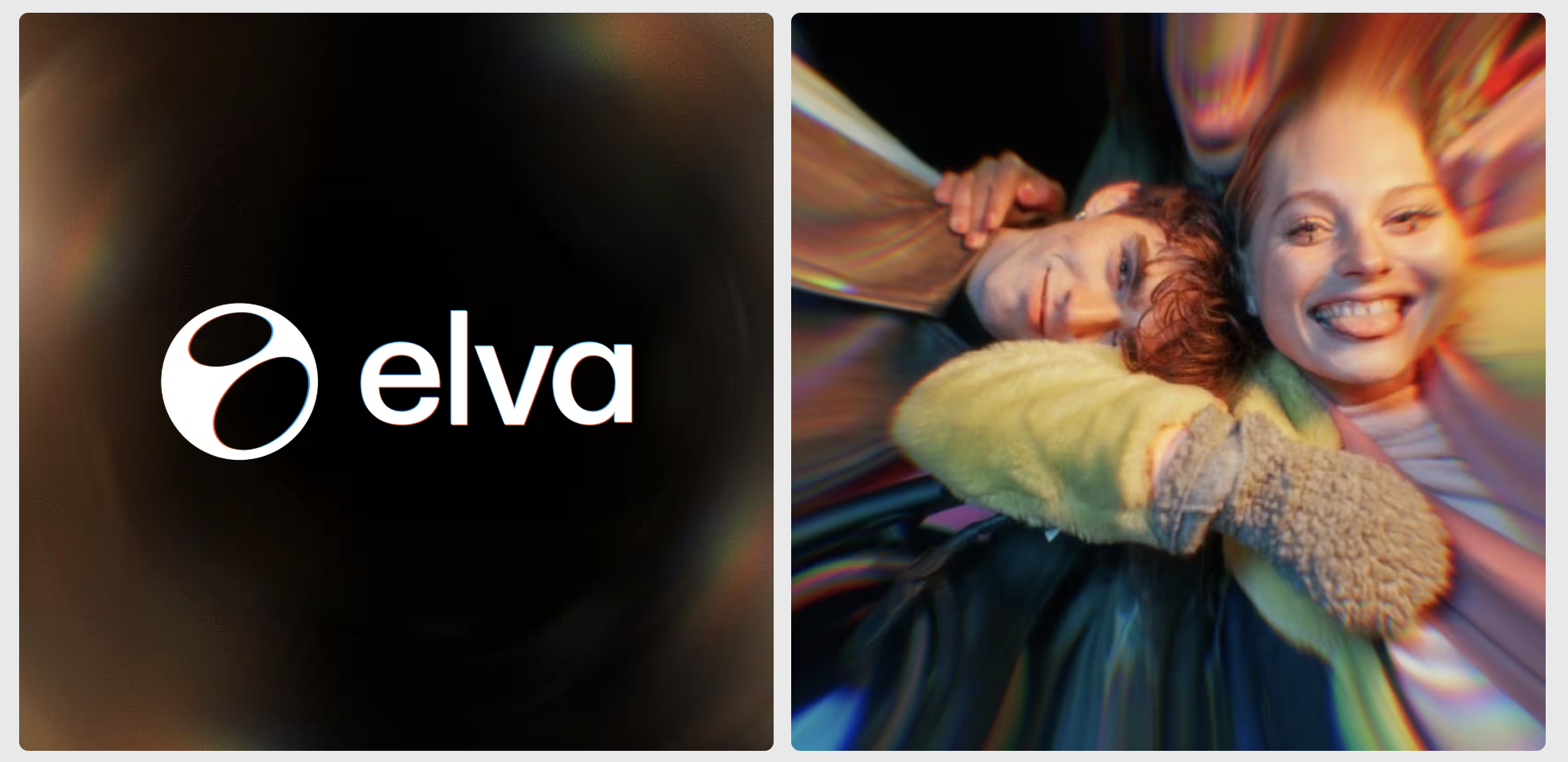
- Late 2024 to Present: A surge of professional design agency partnerships comes to light. How&How (Ideogram), Lazarev (Elva), and Together (Clusia) are hired to overhaul brand systems. Simultaneously, high-profile individual artists like Jessica Hische are commissioned for bespoke logotypes, sparking a fierce debate within the creative community.
What Branding Actually Does: Beyond the Pixels
If AI is capable of generating "good-looking" images, why do these companies bother with the overhead of a design firm? The answer lies in the distinction between decoration and communication. Branding is not merely about aesthetic output; it is a psychological mechanism designed to build trust.
In the current landscape, AI companies suffer from a "credibility gap." To the average consumer, AI often carries the stigma of "slop"—low-quality, derivative, or uncanny-valley imagery that lacks intent. When a company uses AI-generated art to represent itself, it risks looking like it doesn’t believe in its own product’s quality.
By hiring human professionals, these companies are signaling, "We are in control." They are using human craft to curate and refine AI output, effectively acting as a bridge between the chaotic potential of machine learning and the refined expectations of a professional audience. The human hand provides the "seal of approval" that an algorithm cannot simulate.
Supporting Data: The Value of Human Craft
The backlash against these partnerships is often rooted in a feeling of betrayal. When artists like Jessica Hische accept commissions from giants like Meta, critics argue that they are legitimizing the very systems that threaten their professional livelihood. Hische’s work on the Muse logo, which reportedly commanded a $12,500 fee, became a lightning rod for this frustration.
However, the industry perspective suggests a different reality. Design agencies working with these tech firms often report that their role is not just to provide a logo, but to provide "strategic human oversight."
- Agency Revenue Growth: Design studios specializing in AI branding have seen a significant uptick in demand. These firms are no longer just producing assets; they are acting as brand consultants who help AI companies navigate public perception.
- The "Human-in-the-Loop" Premium: Market data suggests that brands that explicitly highlight human collaboration—even when utilizing AI tools—see higher engagement metrics. Consumers are increasingly wary of "faceless" tech and are gravitating toward products that present a human narrative.
Official Responses and the Ethics of Labor
The debate surrounding these collaborations is not just theoretical; it is deeply personal for those working in the creative arts. The critics argue that by accepting these paychecks, designers are effectively "selling out" their peers.
Jessica Hische’s response, shared in various interviews and social media posts, provides a counter-argument grounded in professional pragmatism. She noted that the commission helped keep her small business and staff afloat. This brings the argument to a point of economic reality: is it the responsibility of the individual artist to dismantle a multi-billion-dollar tech juggernaut by refusing work, or is it the responsibility of the industry to adapt?
"Isn’t this ultimately the future that we want?" Hische posited in a recent interview. "Large companies hiring independent artists to do things?"
The argument here is that if AI is going to exist, it is better for the creative industry to hold the reins of the brand identity than to leave it to software developers to prompt their own logos. By being involved, designers maintain a seat at the table, ensuring that the visual landscape of the future remains nuanced, legible, and human-led.
The Long-Term Implications for Design
We are witnessing a decoupling of "production" and "design." AI is rapidly becoming the production engine, but design remains a human-led process of decision-making.
1. The Death of the Generic Logo
As AI makes the production of simple icons and graphics effectively free, the value of the "generic logo" will plummet. Designers will find that their value lies in their ability to provide a cohesive, long-term brand strategy that AI cannot emulate. Companies will no longer hire designers to draw a mark; they will hire them to craft a philosophy.
2. A New Tier of "Human-Certified" Branding
We may soon see a market trend where companies advertise "Human-Crafted Identity." Just as we have "organic" or "fair-trade" labels, brands may lean into their human authorship to differentiate themselves from the sea of purely synthetic content.
3. The Shift in Agency Models
Agencies that survive the next decade will likely shift away from "asset creation" and toward "creative direction." The job of a designer will be to interpret a client’s vision, curate the best output from a suite of AI tools, and apply the final, vital layer of human judgment and refinement.
Conclusion: A Symbiotic Future?
The tension between human creativity and artificial intelligence is likely to remain a central conflict in the design world for the foreseeable future. However, the current trend of AI companies hiring humans for branding serves as a vital reminder: technology can generate content, but it cannot generate culture.
Culture requires intention, ethics, and a shared human experience—things that algorithms, at least for now, cannot provide. By engaging with these tech firms, designers are not necessarily aiding in their own extinction; rather, they are asserting their necessity. If these companies are to survive and thrive in a world of increasing skepticism, they will continue to rely on the one thing that machines cannot replicate: the ability to make people believe.
As long as that is the case, the professional designer remains the most important asset in the tech industry’s arsenal. The challenge for the next generation of creatives will be to navigate this landscape with their eyes wide open, ensuring that they remain the masters of the machine, rather than the subjects of it.
 Reynand Wu
 Nila Kartika Wati
 Nana Muazin
