
 By Sagoh

In the landscape of professional computing, few machines have garnered as much loyalty—and curiosity—as the Apple Mac Studio. Since its inception, it has occupied a unique, almost mythical space in Apple’s lineup: a bridge between the consumer-grade Mac Mini and the enterprise-level Mac Pro. With the release of the 2026 iteration, powered by the formidable M5 Max chip, Apple has once again recalibrated our expectations of what a compact workstation can achieve.
For creative professionals, developers, and AI researchers, this isn’t just an incremental update; it is a profound statement on efficiency, thermal management, and the future of local AI processing.

The Evolution of the Monolith: A Chronology
To understand the significance of the 2026 Mac Studio, one must look back at the trajectory of Apple Silicon. When the first Mac Studio debuted in 2022 with the M1 series, it effectively rendered the aging "trash can" Mac Pro obsolete. It provided a level of I/O connectivity and sheer multi-core muscle that few expected from a chassis smaller than a stack of hard drives.
- 2022: The debut of the M1 Max and M1 Ultra Mac Studio, establishing the "compact powerhouse" paradigm.
- 2023-2024: Incremental updates (M2/M4 series) focused on refining the architecture, increasing memory bandwidth, and optimizing the thermal envelope.
- 2026: The arrival of the M5 Max. This year marks a shift, not just in raw speed, but in specialized hardware acceleration for neural processing, signaling Apple’s commitment to the local AI revolution.
Under the Hood: The M5 Max Architecture
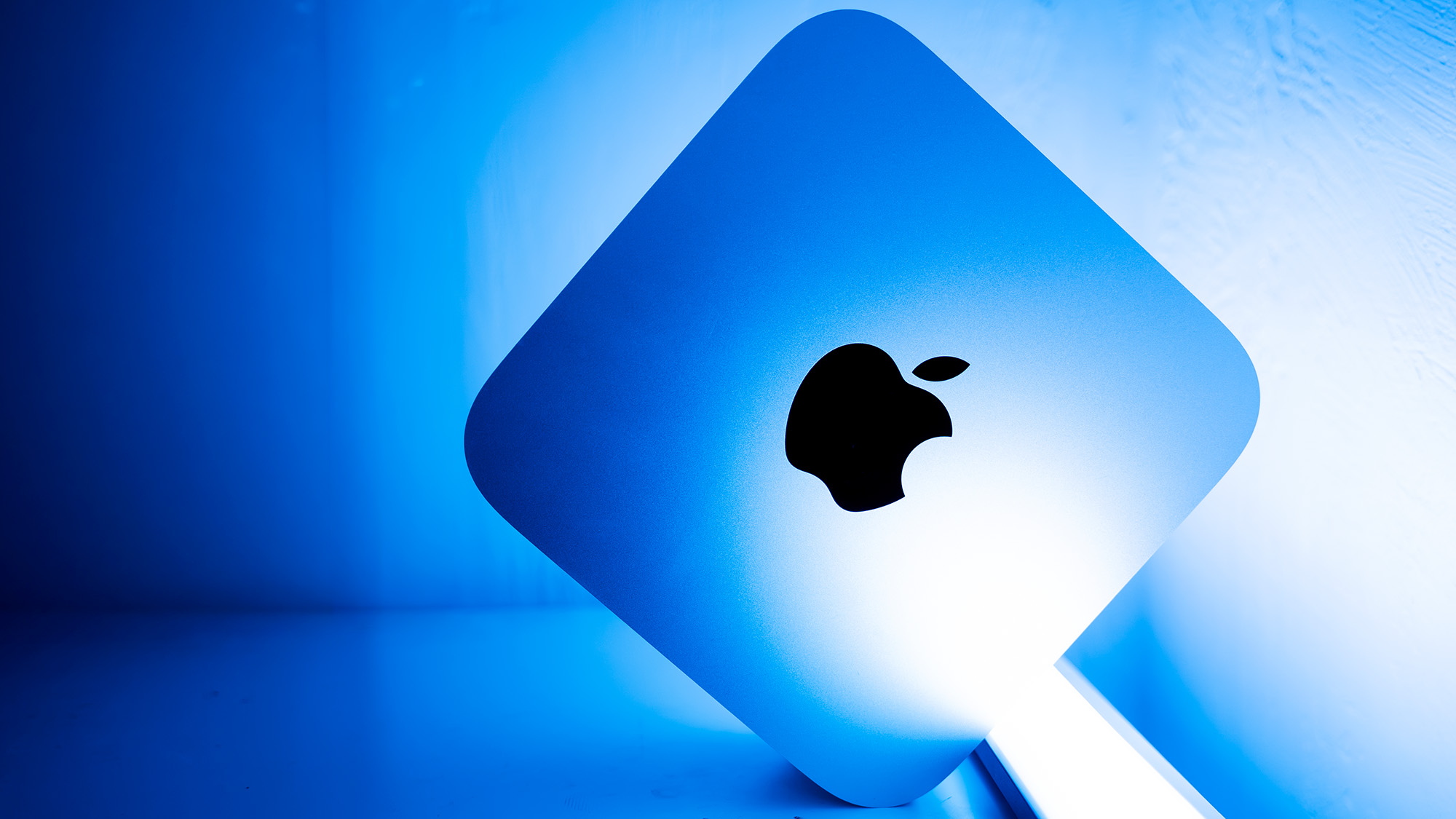
The heart of this machine is the M5 Max, an 18-core beast comprising six "Super" cores for high-intensity tasks and 12 performance cores. By omitting "efficiency" cores in favor of raw throughput, Apple has positioned the Mac Studio as a purebred workstation.
Key Specifications
| Attribute | Specification |
|---|---|
| CPU | Apple M5 Max (18-core) |
| NPU | 16-core Neural Engine |
| Graphics | 40-core Integrated GPU |
| Memory | Up to 128GB LPDDR5 |
| Storage | 4TB SSD (User-accessible SD slot) |
| Connectivity | 4x Thunderbolt 5, 2x USB-A, 2x USB-C, 10Gb Ethernet |
| Wireless | Wi-Fi 7, Bluetooth 6 |
The move to 128GB of LPDDR5 memory, paired with a significant increase in memory bandwidth, allows for massive data sets to be held entirely within the unified memory architecture. This is particularly vital for those working in 8K video production or training large language models (LLMs) locally.
Design and Build: Why Change Perfection?
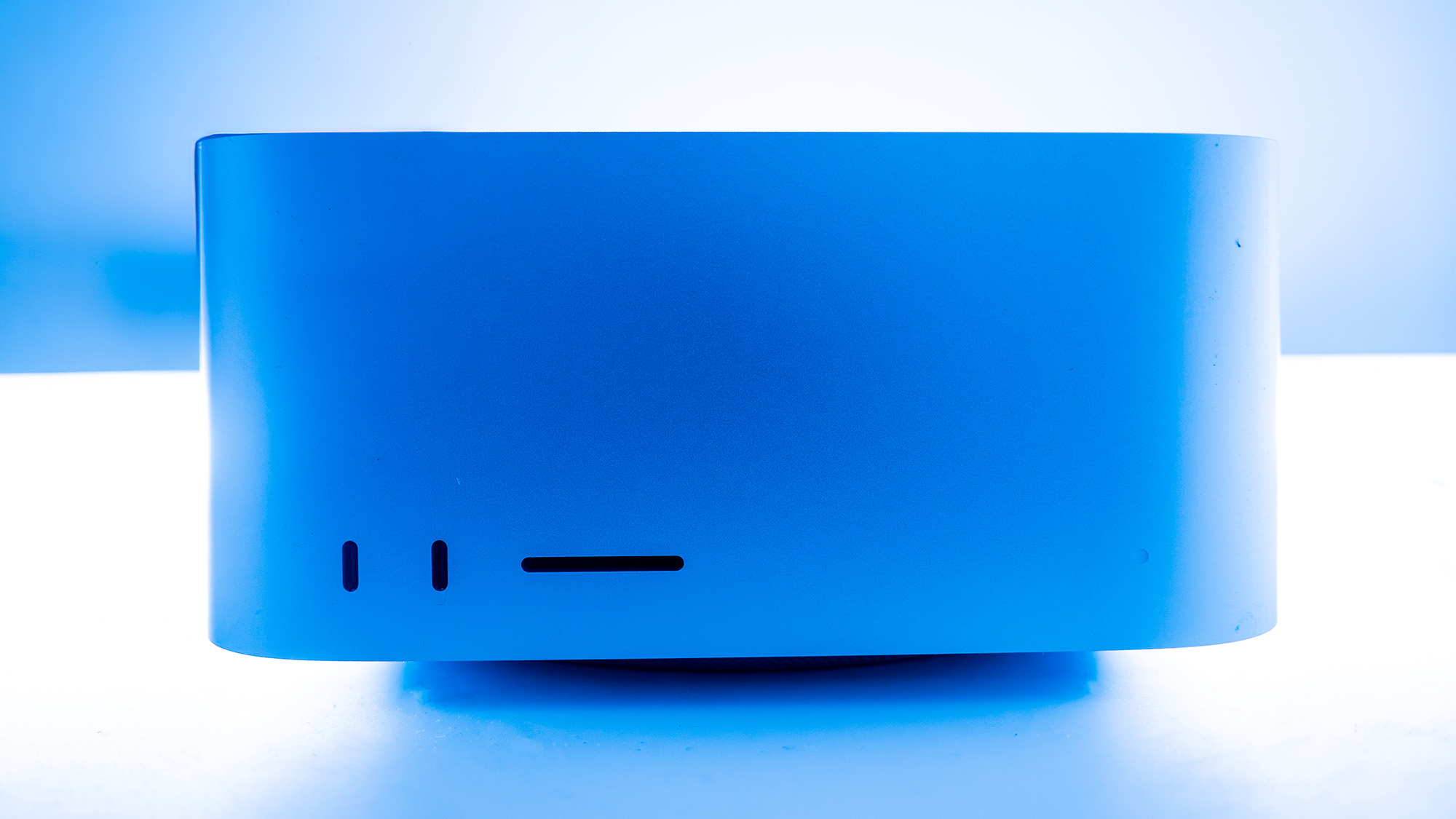
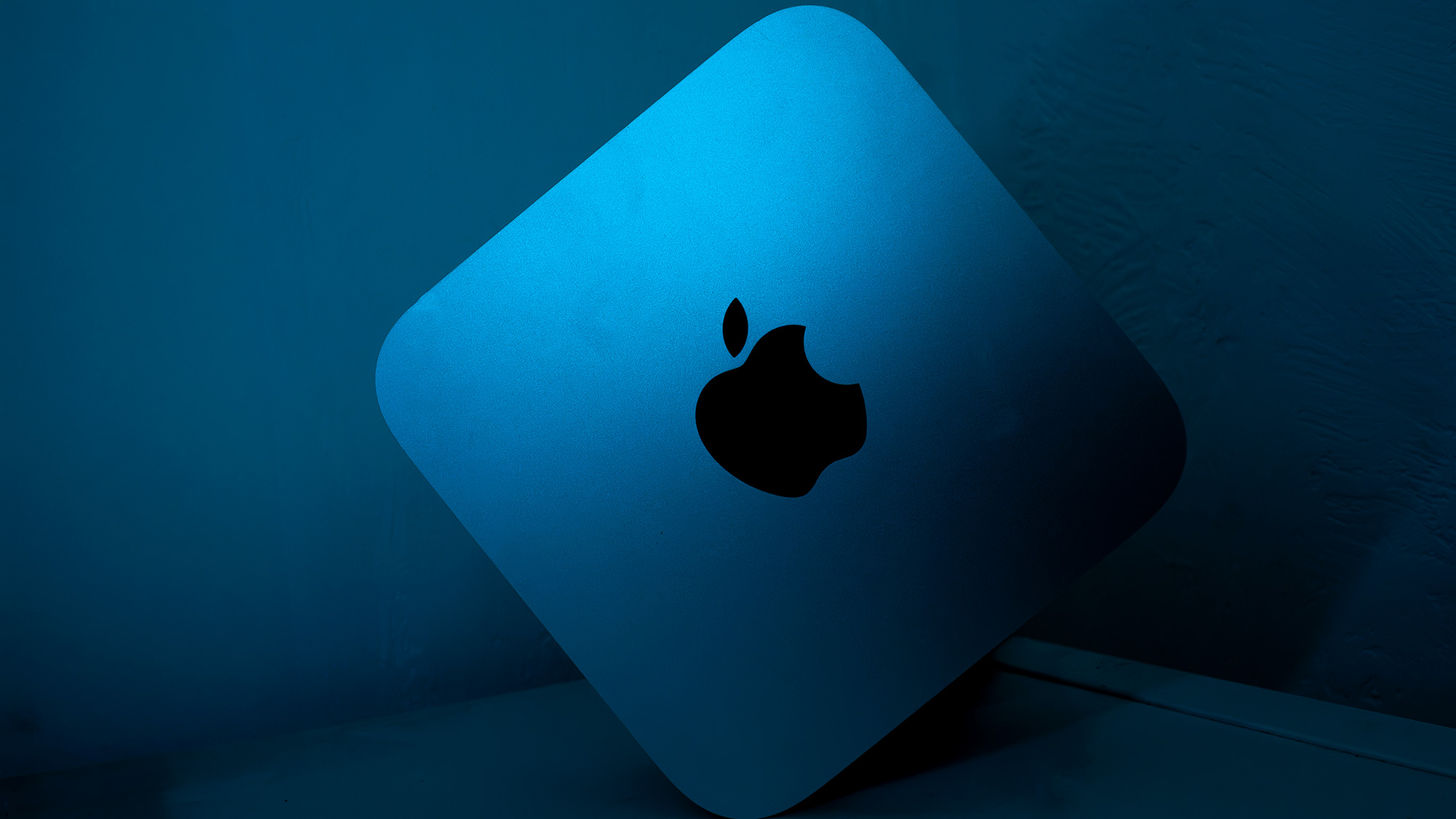
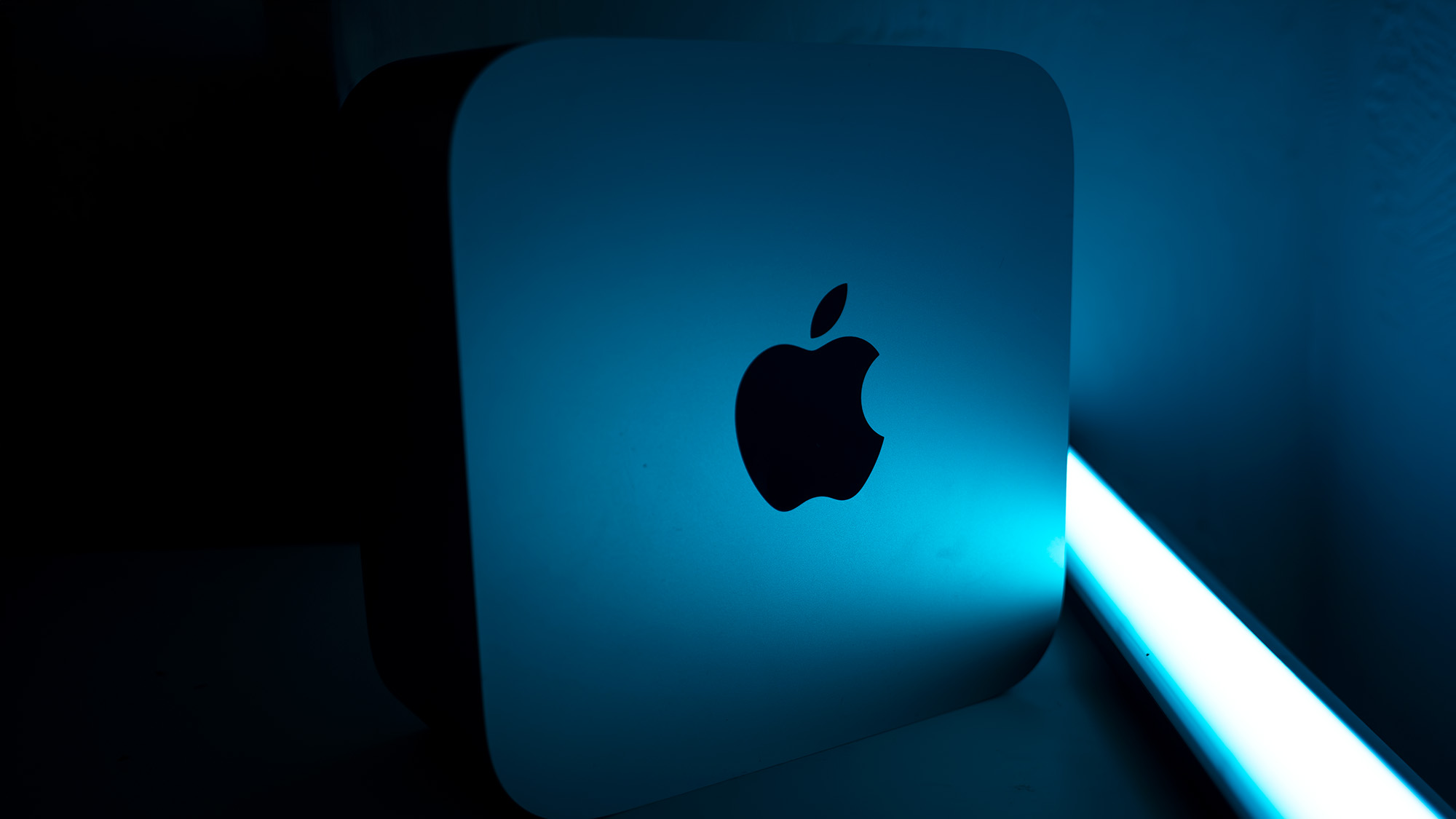
On the exterior, the 2026 Mac Studio is indistinguishable from its predecessors. Some critics might label this "stagnation," but for the professional user, it is "consistency." The aluminum chassis remains a marvel of engineering, providing excellent thermal dissipation without the need for aggressive, loud fans.
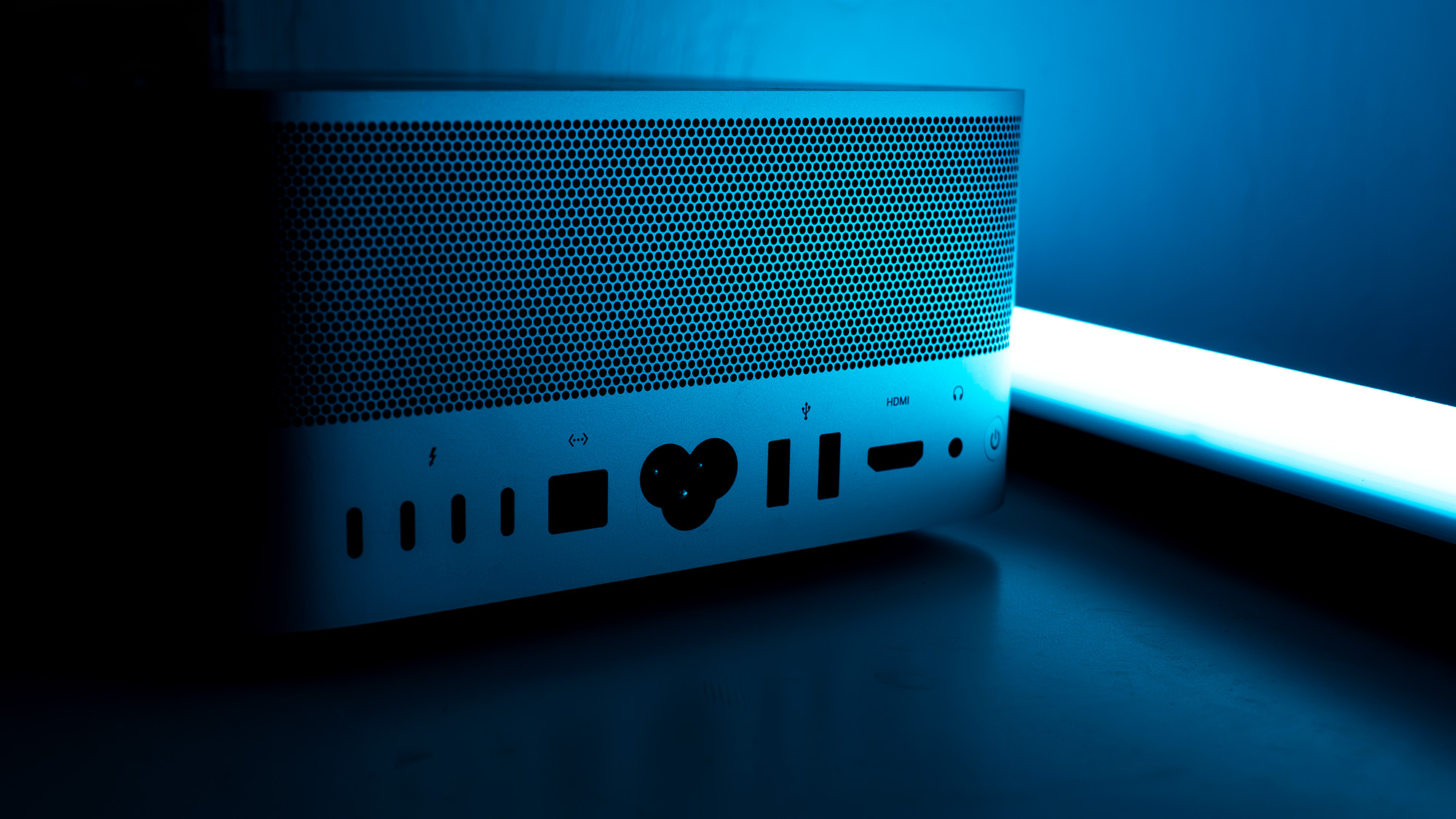
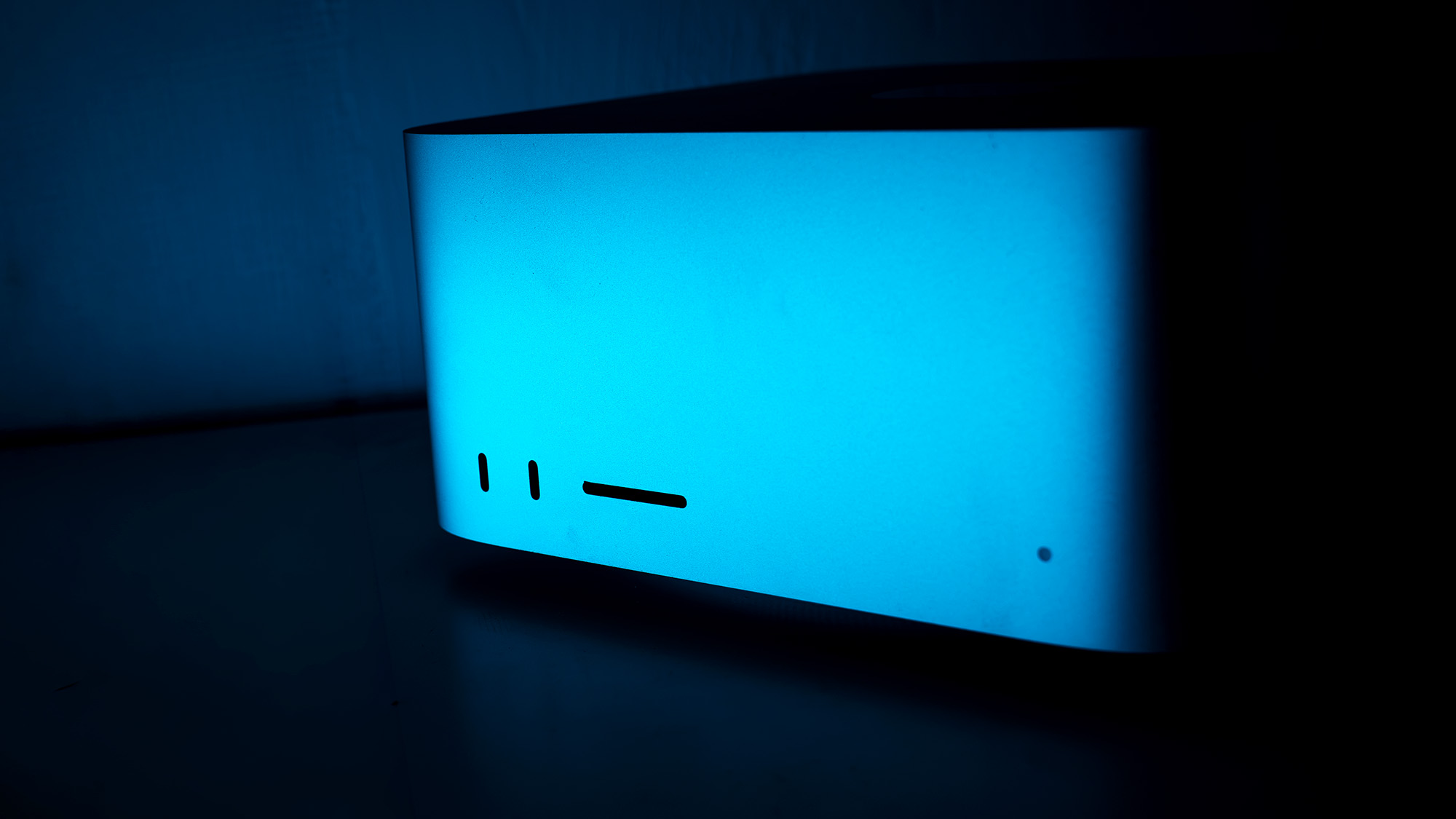
The I/O layout remains a masterclass in usability. By keeping the front-facing ports—including the SD card slot—accessible, Apple acknowledges the real-world workflow of photographers and videographers who need to offload data rapidly. The rear port selection, now featuring four Thunderbolt 5 ports, ensures that even the most peripheral-heavy setups remain streamlined.
Performance: Benchmarking the Future
In our lab tests, the M5 Max Mac Studio consistently outperformed the competition, effectively creating a new tier for compact workstations.
Processing Power
In Geekbench 6, the M5 Max secured the top spot in both single-core and multi-core metrics, comfortably outpacing the Snapdragon X2 Elite. Most notably, it became the first CPU to break the 200-point barrier in Cinebench 2024’s single-core test. For those who remember when 100 points was the gold standard, this is a staggering leap in architectural efficiency.
Graphics and Creative Workflows
The 40-core GPU, while integrated, competes aggressively with discrete desktop cards. In Adobe Premiere Pro and Photoshop, the Studio demonstrated a 6% performance lead over the MacBook Pro equipped with the same M5 Max chip. This suggests that the thermal headroom provided by the Studio’s chassis allows the chip to maintain peak clock speeds longer than its portable counterpart.
Gaming Potential
While the Mac Studio is not marketed as a gaming rig, its performance in Cyberpunk 2077 at 4K resolution (using MetalFX upscaling) is impressive, maintaining 60FPS on Ultra ray-tracing presets. It proves that the M5 Max is a versatile engine, capable of handling high-fidelity graphics rendering when called upon.
The AI Pivot: A Strategic Shift
Perhaps the most intriguing development in the 2026 Mac Studio is its focus on local AI. Apple is clearly positioning the Studio as a "frontier" machine for developers who wish to avoid the latency and privacy concerns of cloud-based AI.
The machine supports "clustering"—the ability to connect multiple Mac Studios via Thunderbolt 5 to create a distributed computing node. Apple claims a cluster of four units can deliver 3x faster AI inference than a single system. This is a direct challenge to the Nvidia-powered workstations that currently dominate the market. By democratizing local AI training, Apple is inviting the developer community to lean into its ecosystem for deep learning and neural network research.
Official Stance and Market Position
Apple’s messaging regarding the 2026 Studio is clear: "Don’t wonder where the Mac Pro has gone." By offering the M5 Ultra (a "dual-chip" monster) and the M5 Max, Apple is effectively replacing the need for a tower-style Mac Pro for 95% of the creative market.
While the entry-level price of £2,499/$2,499 is significant, it is arguably a value play when compared to the total cost of ownership of a high-end Windows workstation, which often requires expensive maintenance, specialized cooling, and higher power consumption.
Implications for the Creative Industry
The release of this machine has several ripple effects for the industry:

- Standardization of 8K: With this level of power becoming "accessible," 8K footage will likely become the standard for professional deliverables, as the bottleneck of hardware performance is largely removed.
- The Rise of Local AI: By making it easy to run large models locally, Apple is accelerating the transition toward private, secure, and offline AI tools for creative professionals.
- Subscription Software Adoption: With the introduction of "Creator Studio," Apple is shifting its software revenue model. Users will need to decide if the convenience of an all-in-one monthly subscription outweighs the traditional model of perpetual licenses.
Verdict: Is It For You?
The 2026 Mac Studio is a masterclass in balance. It is small enough to fit on any desk but powerful enough to act as the primary node for a professional production house.
Buy it if:
- You are a high-end creative: If you spend your day rendering 3D scenes in Cinema 4D or scrubbing through 8K ProRes timelines, this machine will save you hours of waiting.
- You are an AI Developer: The memory bandwidth and the NPU’s performance make this the best sub-$10,000 machine for local model development.
- You value silence and space: The efficiency of Apple Silicon means you can have desktop-class performance without the drone of industrial-grade cooling fans.
Do not buy it if:
- You are a casual user: The base model is overkill, and a MacBook Air or a standard Mac Mini would serve your needs for a fraction of the cost.
- You are a dedicated PC Gamer: If your primary objective is gaming, a PC with a discrete Nvidia RTX 50-series card will offer better compatibility and raw rasterization performance for the same price.
Conclusion
The 2026 Mac Studio with the M5 Max chip is not just a computer; it is a platform for the next generation of creative work. It stands as a testament to the fact that computing power does not need to be measured in the size of the box, but in the efficiency of the silicon. While it is an investment, it is an investment in a machine that refuses to be constrained by the limitations of the past. It is, quite simply, the best Mac Apple has ever built for the professional user.
 Iffa Jayyana
 Reynand Wu
 Nila Kartika Wati
