
 By Jia Lissa
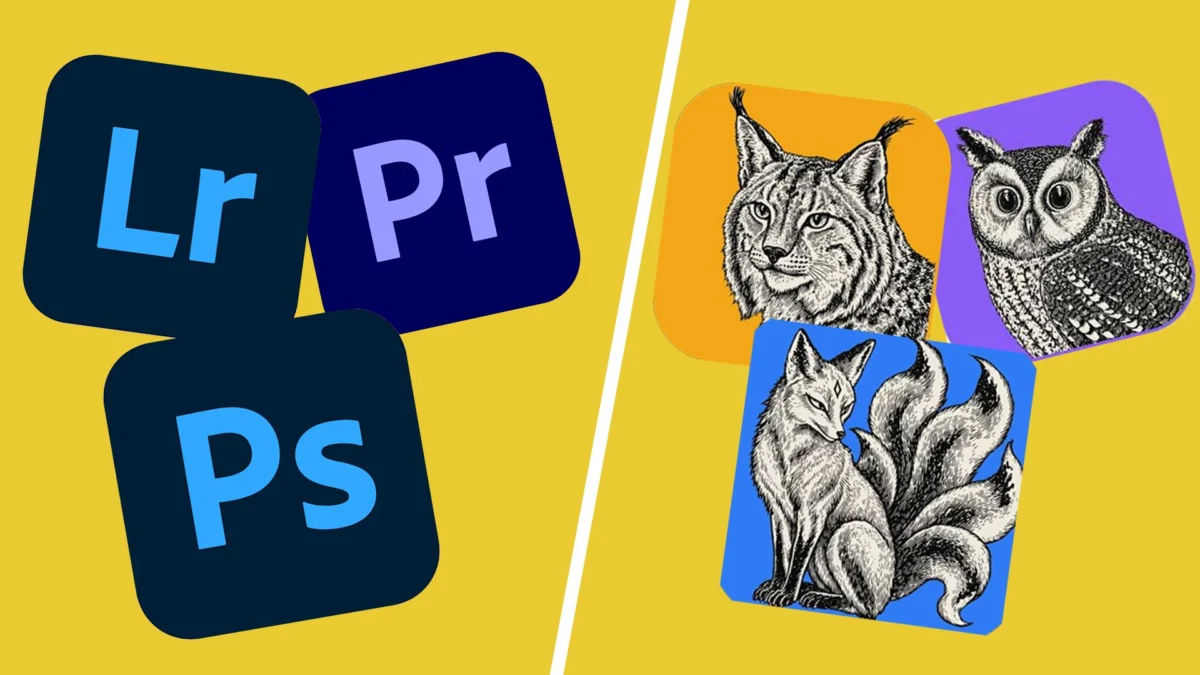
In the rapidly shifting landscape of 2026, the dominance of Adobe’s Creative Cloud is facing an unprecedented challenge. For decades, Adobe has stood as the undisputed gatekeeper of the creative professional’s workflow, leveraging its subscription-based monopoly to maintain a stranglehold on the industry. However, the emergence of a new, AI-developed suite of tools known as "ArtCraft" has sent ripples of intrigue and skepticism through the design world.
Developed by software engineer Brandon Thomas, ArtCraft is not merely another competitor; it is a bold, "vibe-coded" reimagining of the entire Creative Cloud ecosystem. Built using the Rust programming language and accelerated by Anthropic’s Claude Opus 5.5, the suite aims to provide a zero-cost, lightweight alternative to industry standards like Photoshop, Premiere Pro, and Illustrator. While the project is currently in its early alpha stage, it represents a pivotal moment where generative AI is being used not just to create assets, but to build the very tools we use to manipulate them.
The Genesis of ArtCraft: A Response to Subscription Fatigue
The motivation behind ArtCraft is rooted in a sentiment shared by thousands of designers and editors: frustration. Brandon Thomas cites the mounting pressure of Adobe’s subscription costs and the punitive nature of its cancellation fees as the primary catalysts for the project.
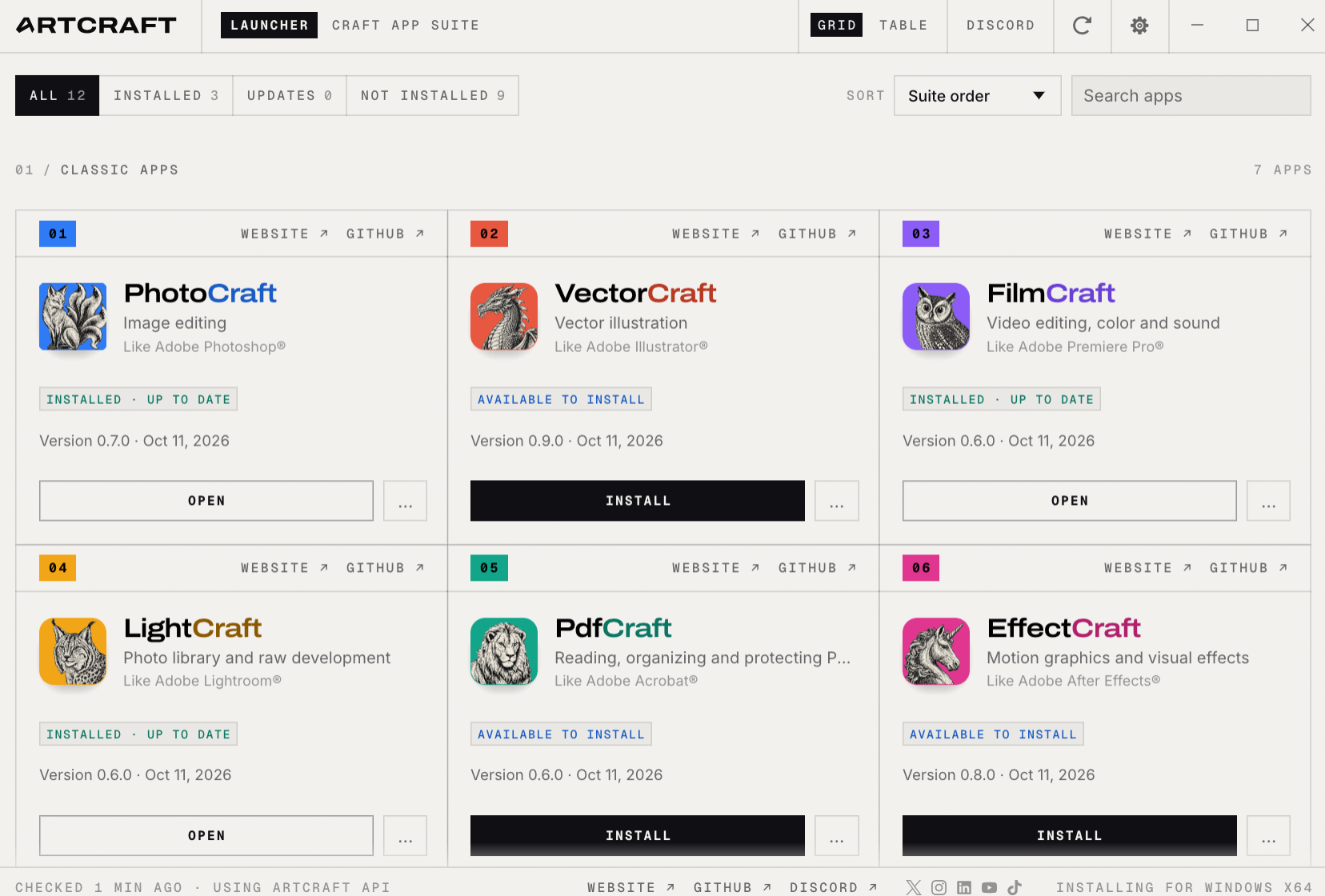
The suite is remarkably comprehensive for a one-man endeavor. It includes:
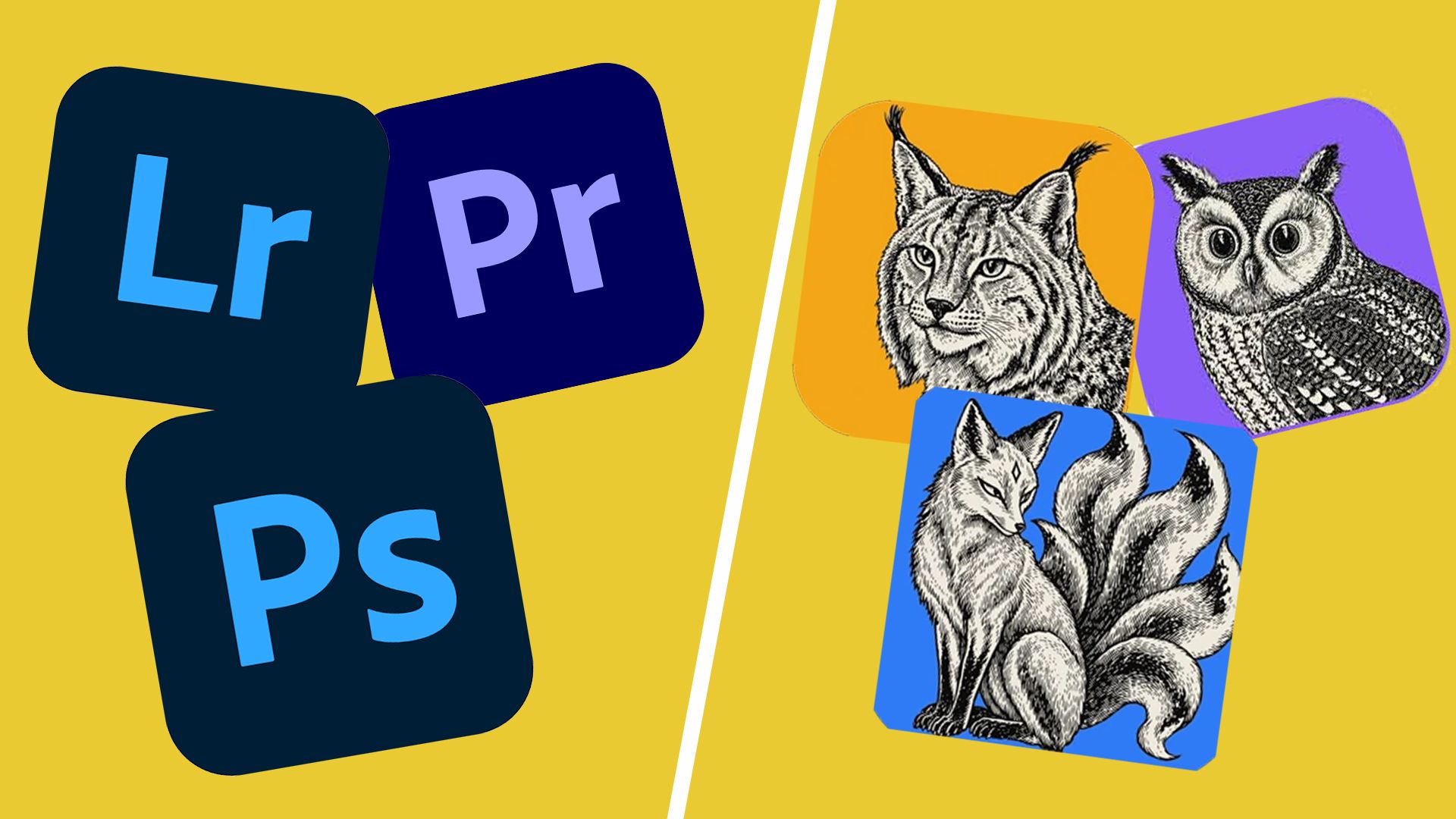
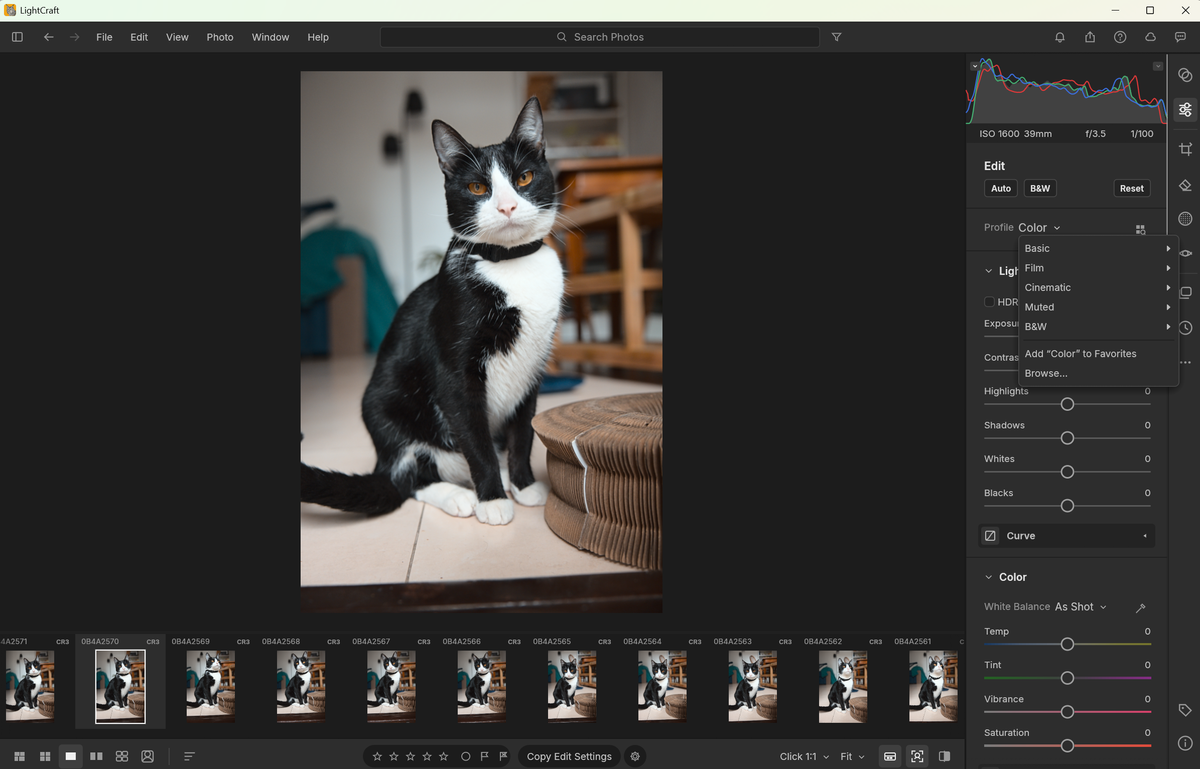
- LightCraft: A Lightroom alternative for RAW image processing.
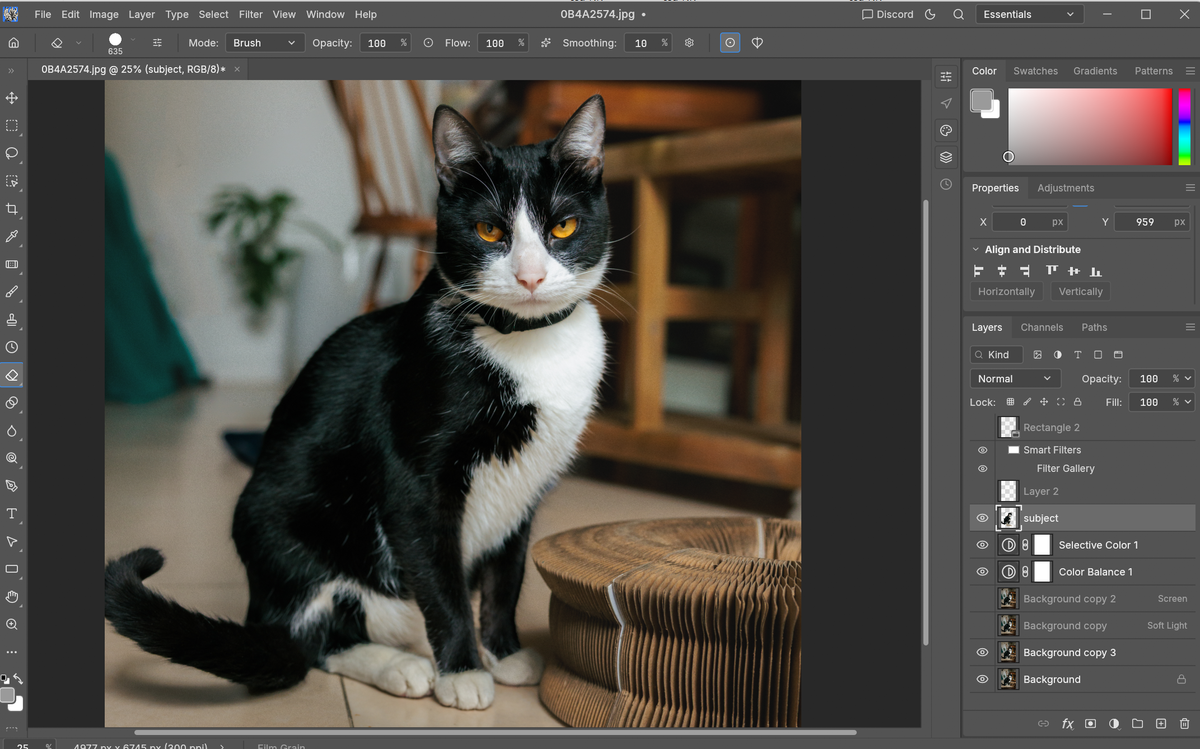
- PhotoCraft: A Photoshop-style image manipulation tool.
- FilmCraft: A non-linear video editor mirroring Premiere Pro.
- EffectCraft: For motion graphics and visual effects (After Effects).
- DesignCraft and VectorCraft: Replicating InDesign and Illustrator, respectively.
- PrintCraft: An Acrobat alternative for document management.
Beyond this, Thomas has expanded his scope to include office productivity tools—WordCraft, GridCraft, and DeckCraft—effectively challenging Microsoft’s dominance as well. What makes ArtCraft particularly striking is its technical footprint. While a standard Adobe suite installation can swallow tens of gigabytes of disk space, each ArtCraft application is remarkably lean, often weighing in at around 50MB. This efficiency is attributed to a "clean-room" reimplementation strategy using Rust, which avoids the "code bloat" and legacy dependencies that have accumulated in Adobe’s C++ architecture over the last thirty years.
A Chronology of the "Vibe-Coded" Revolution
The development of ArtCraft marks a significant milestone in software engineering history.
Early 2026: Brandon Thomas initiates the project, utilizing Claude Opus 5.5 to write, debug, and structure the Rust-based applications. The term "vibe-coding" describes the process of using LLMs to translate high-level intent and architectural vision into functional code at a speed previously thought impossible for a single developer.
Mid-2026: The alpha versions are released to the public. The software is distributed via a standalone installer that requires no account creation, cloud telemetry, or subscription verification.
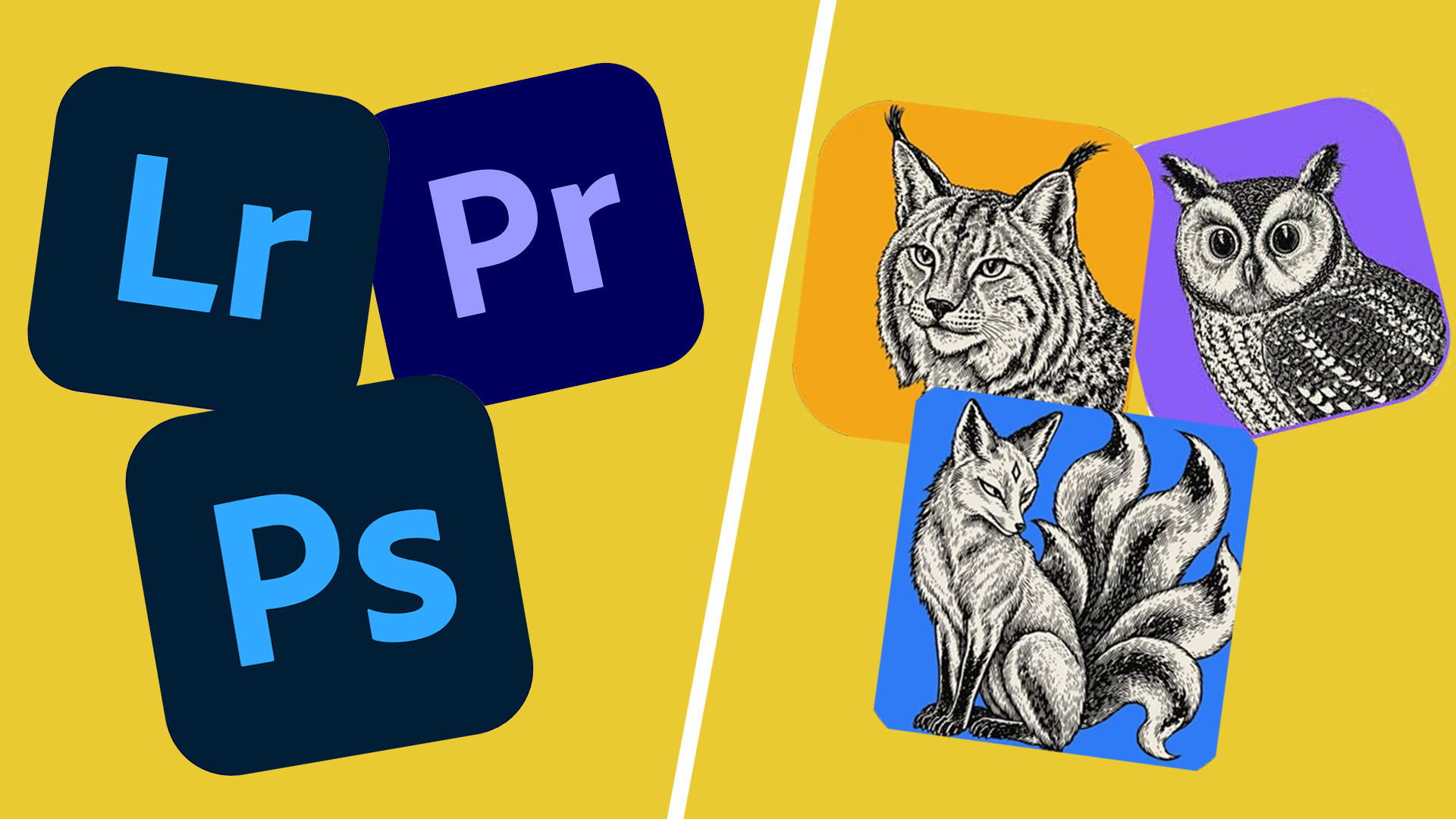
Late 2026: Early adopters and tech journalists begin stress-testing the suite. The focus shifts from the novelty of the AI-generated code to the practical viability of the software in professional production environments. As of now, the suite is in active development, with the community providing feedback on bugs, missing features, and workflow bottlenecks.
Supporting Data: Testing the Limits
To understand whether ArtCraft is a viable contender or merely a proof-of-concept, we must examine its performance in real-world scenarios. Testing the software on a high-end Windows machine equipped with an Intel Core i7 processor and an Nvidia RTX 5070 GPU—using source files from a Canon EOS R5—reveals a stark reality.
LightCraft Performance
While the interface mimics the familiar Lightroom layout, the experience is hindered by missing professional-grade features. The inability to import CR3 files directly from the camera is a significant friction point for professional photographers. Furthermore, the absence of native camera-matched color profiles and lens profiles makes professional color grading an uphill battle. While basic sliders for light and tone work, advanced features like AI-driven masking and denoising currently require manual integration with third-party models like Meta’s SAM 3, making it less of a "turnkey" solution than Lightroom.
PhotoCraft and the Compatibility Gap
PhotoCraft is perhaps the most impressive of the bunch, successfully opening and saving PSD files. However, the "magic" ends there. Advanced tools like content-aware fill and generative AI features—now staples of modern Photoshop workflows—are absent. The lack of filter previews forces a "guess-and-check" workflow that is fundamentally incompatible with the fast-paced demands of commercial design.
The FilmCraft Bottleneck
Video editing is where ArtCraft faces its stiffest resistance. The lack of native support for 10-bit 4:2:2 footage—a standard in modern cinematography—means that users must transcode their footage before even reaching the timeline. Furthermore, the absence of optimized media (proxy) generation makes 4K editing a sluggish, frustrating ordeal.
The Legal and Ethical Murkiness
The question of legality looms large over the ArtCraft project. Thomas claims that no proprietary code has been copied, asserting that the software is a "clean-room" implementation. However, the legal departments at Adobe and Microsoft are notorious for protecting their intellectual property.
The software’s existence raises a broader question about the nature of "AI-generated" software. If an AI model is trained on vast swaths of documentation, UI patterns, and open-source libraries, at what point does "inspiration" become "theft"? While Thomas insists the code is original, the uncanny similarity in UI placement and workflow logic could be interpreted as an attempt to replicate proprietary user experience designs, which—while not always copyrightable—can be protected by trade dress laws.
Implications for the Industry
The emergence of ArtCraft suggests that the era of "software as a walled garden" is under siege. Whether or not ArtCraft succeeds, it has proven that the barrier to entry for creating complex creative software has been permanently lowered.
Adobe’s Strategic Dilemma
Adobe is in a difficult position. If they aggressively target projects like ArtCraft, they risk appearing as the "corporate villain" stifling innovation. However, if they ignore these competitors, they risk losing their grip on the next generation of designers who may prefer a free, lightweight tool that does 80% of what Photoshop does.
Interestingly, ArtCraft validates Adobe’s own pivot to AI. Adobe has invested heavily in Firefly and its generative models precisely because it knows the "traditional" tools are increasingly easy to emulate. By moving toward AI-native features (like Generative Fill), Adobe is attempting to stay ahead of the curve, offering features that simple code-replicas cannot easily match.
The Verdict for Professionals
For the professional creative, the message is clear: stability remains king. While ArtCraft is an impressive technical achievement, it is not currently a replacement for the reliable, industry-standard workflows found in Adobe’s suite, or even in well-established alternatives like DaVinci Resolve, Krita, or the Affinity suite.
However, for the hobbyist, the student, or the independent creator, ArtCraft represents a tantalizing future. It is a reminder that the cost of professional software is not just a financial burden, but a barrier to creative expression. As these tools evolve, they will force the giants to justify their subscription models through genuine, high-value innovation rather than simply relying on the inertia of their user base.
Final Reflections
The story of ArtCraft is not just about a few clever lines of code; it is a symptom of a larger cultural shift. We are moving toward a world where software is ephemeral, accessible, and potentially generated on the fly. While the "vibe-coded" revolution is currently in its infancy, the fact that a single developer can even attempt to replicate the entire Adobe Creative Cloud is a shot across the bow of the software industry.
As the lines between developer and user blur, and as AI continues to lower the threshold for building complex systems, the creative tools of the future may look very different. They might be free, they might be open-source, and they might be built in an afternoon. But until they can handle the nuances of a high-bitrate color workflow or the precision of a professional print job, the "old guard" of software remains safe—for now.
 Reynand Wu
 Nila Kartika Wati
 Nana Muazin
