
 By Dwi Wanna
By Christina Newberry
Digital Marketing and Social Media Analyst
In an era where digital engagement dictates consumer behavior, healthcare organizations face a unique paradox. Unlike commercial sectors where marketing teams focus primarily on brand aesthetic, timing, and viral potential, medical institutions, clinics, pharmaceutical companies, and public health agencies must navigate a minefield of federal regulations, patient privacy mandates, and strict professional licensing laws. A single mismanaged post can spark federal investigations, ruin organizational reputations, and trigger multi-million-dollar fines.

Yet, despite these high stakes, social media has transformed from an optional digital accessory into an indispensable pillar of healthcare communication. Modern medical institutions use public social platforms to foster patient trust, educate the public, combat misinformation, recruit top-tier clinical talent, and build robust brand equity.
Main Facts: The Intersection of Healthcare and Social Media
Social media in the healthcare sector encompasses the strategic use of public digital platforms—including Facebook, Instagram, LinkedIn, TikTok, YouTube, and X (formerly Twitter)—by hospitals, health systems, private group practices, public health bodies, biotech firms, and individual clinicians acting in a professional capacity.

While the primary use cases mirror other industries—such as brand building, customer service, and talent acquisition—the regulatory framework governing healthcare is remarkably stringent. The primary operational pillars of healthcare social media include:
- Patient Education and Engagement: Delivering digestible health information, appointment reminders, and post-care instructions.
- Public Health Advocacy: Rapidly deploying critical public safety guidance during disease outbreaks, flu seasons, or product recalls.
- Employer Branding and Recruitment: Showcasing workplace culture to attract nurses, technicians, and physicians in a fiercely competitive labor market.
- Reputation Management and Social Listening: Monitoring public sentiment, tracking medical trends, and combating widespread misinformation.
However, executing these strategies requires balancing massive opportunity with severe regulatory risks. Protected Health Information (PHI) laws, Federal Trade Commission (FTC) advertising standards, Food and Drug Administration (FDA) drug promotion rules, and state-level data privacy statutes mean that every piece of content must undergo rigorous compliance checks before publication.
Chronology and Industry Evolution: From Skepticism to Strategic Integration
The integration of social media into healthcare has undergone a dramatic evolution over the past two decades:
- The Early 2000s (The Era of Caution): Initially, healthcare organizations viewed social media with extreme skepticism. Fearing privacy breaches and unprofessional conduct, most hospitals and medical boards outright banned staff from discussing clinical work online.
- The 2010s (The Rise of Patient-Centric Digital Communication): As platforms like Facebook and Twitter matured, progressive health systems realized that patients were already online sharing medical experiences. Institutions began establishing official profiles primarily focused on basic public relations, event promotions, and broad health observances.
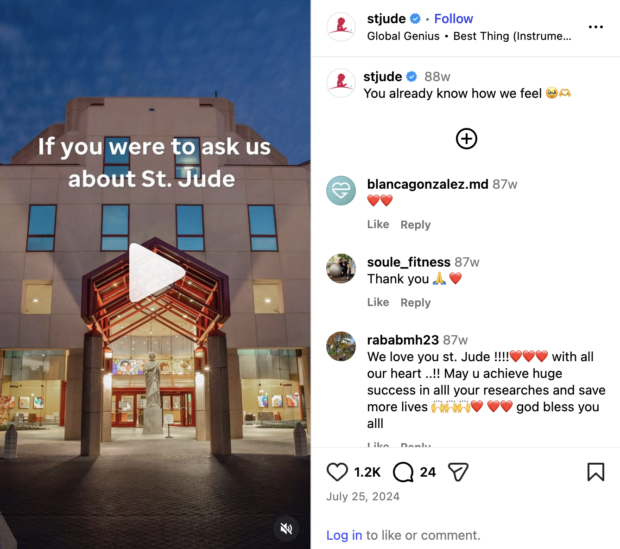
- The COVID-19 Pandemic (A Paradigm Shift): The public health crisis radically accelerated digital adoption. Social media became a frontline tool for public health agencies to disseminate real-time guidance, combat viral misinformation, and provide virtual reassurance. Concurrently, short-form video formats on TikTok and Instagram Reels emerged as powerful vehicles to humanize healthcare workers and make complex medical science accessible.
- The Present Day (Regulated AI and Integrated Social OS): Today, healthcare social media is characterized by sophisticated, multi-platform strategies backed by integrated software ecosystems. Organizations are increasingly adopting Artificial Intelligence (AI) for content drafting and social listening, forcing compliance teams to implement strict guardrails to prevent data leaks and maintain public trust.
Supporting Data: Risks, ROI, and Public Perception
Recent industry reports, including data from Hootsuite’s Healthcare Social Media Trends and Pew Research Center studies, highlight the complex landscape healthcare marketers must navigate:
- Financial Penalties for HIPAA Breaches: The U.S. Department of Health and Human Services (HHS) Office for Civil Rights (OCR) has settled or imposed penalties in 152 cases totaling $144.9 million for HIPAA violations, proving that privacy breaches carry severe financial consequences. Fines can exceed $2.1 million per violation category per year.
- Public Skepticism of AI: According to Hootsuite research, 62% of people state they are less likely to engage with or trust AI-generated healthcare content—though trust levels vary wildly, with younger demographics (Gen Z) showing higher acceptance than Baby Boomers.
- The Push for AI Efficiency: Despite consumer hesitation, healthcare organizations are rapidly scaling AI integration, with plans to increase AI usage for patient services by 422% compared to historical baselines.
- Resource Constraints: 49% of healthcare organizations report that their single greatest social media challenge is the sheer cost and time required to maintain a secure, active presence across multiple platforms. Furthermore, 69% of marketers express ongoing concern regarding how to accurately measure social media Return on Investment (ROI).
- Misinformation and Credibility: Pew Research data reveals that while many users turn to social media and AI chatbots for health information due to convenience, only 7% consider it highly accurate, underscoring the urgent need for credible clinical voices to dominate digital feeds.
Regulatory Frameworks and Official Responses
Compliance in healthcare social media is non-negotiable. Organizations must align their digital strategies with a complex patchwork of federal, regional, and industry-specific regulations:
1. HIPAA (Health Insurance Portability and Accountability Act)
The HIPAA Privacy Rule applies universally to all communication channels, including social media. It strictly prohibits the disclosure of Protected Health Information (PHI)—such as names, photos, medical record numbers, or specific treatment details—without explicit written patient consent. Even well-intentioned posts celebrating a patient’s recovery can trigger devastating penalties if authorization forms are missing.
2. FDA and FTC Regulations
The Food and Drug Administration (FDA) regulates the promotion of drugs, medical devices, and health products across social media, mandating that all efficacy claims be fully substantiated and that prescription product posts maintain a "fair balance" of benefits and risks. Concurrently, the Federal Trade Commission (FTC) enforces truth-in-advertising laws, requiring rigorous scientific evidence for any health-related claims made by brands or sponsored influencers.
3. Regional and International Mandates
International and regional laws further complicate digital marketing. In Canada, Health Canada restricts direct-to-consumer advertising for prescription medications, while EU regulations under the General Data Protection Regulation (GDPR) require explicit, unbundled consent before processing any personal health data. In the United States, emerging state-level legislation—such as Washington’s My Health My Data Act—regulates consumer health data outside traditional HIPAA boundaries, impacting website pixels and targeted ad campaigns.
Implications and Strategic Best Practices
To harness the power of social media while mitigating legal and reputational exposure, healthcare organizations must implement robust governance frameworks.
Developing a Comprehensive Social Media Policy
Every healthcare institution must establish a documented social media policy as part of its broader governance framework. This policy should explicitly cover:
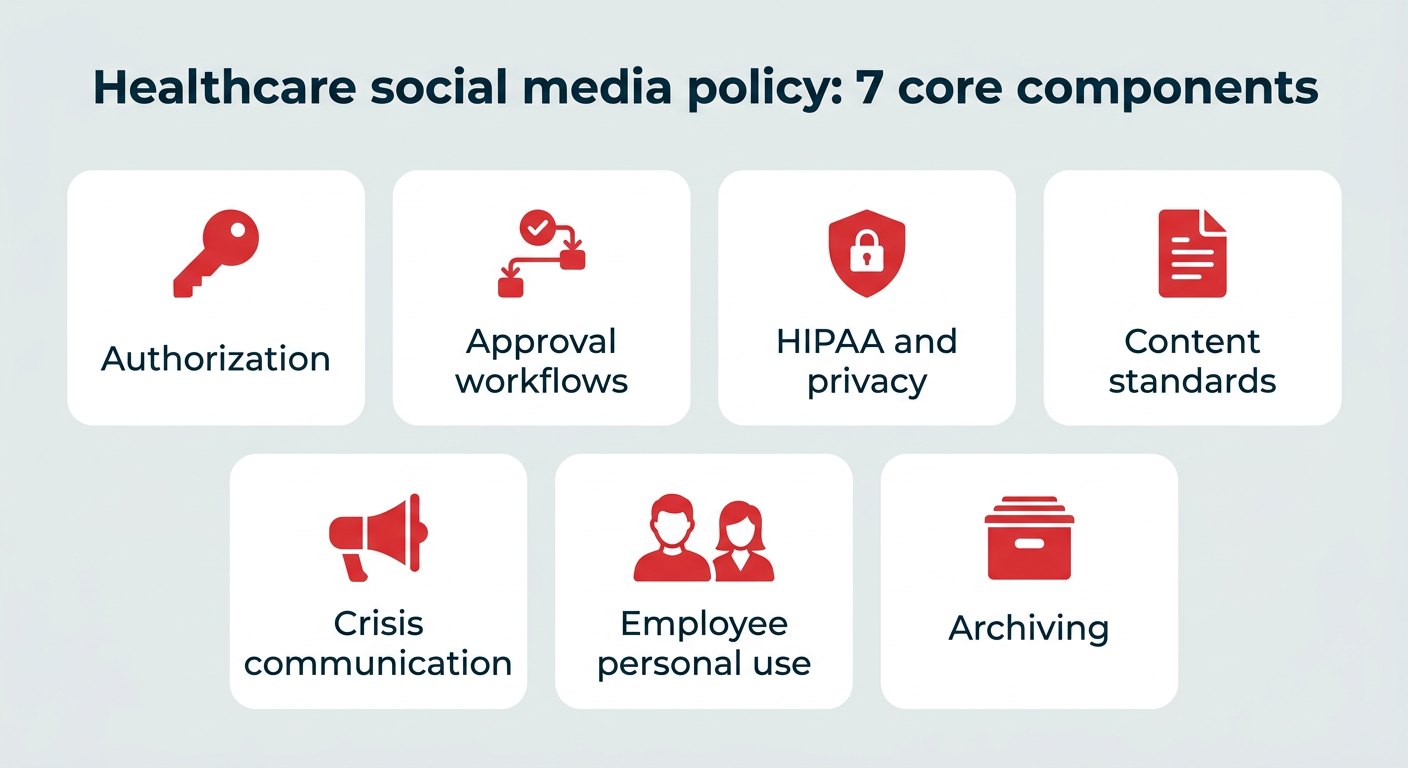
- Authorization Workflows: Clear definitions of who is permitted to speak on behalf of the organization.
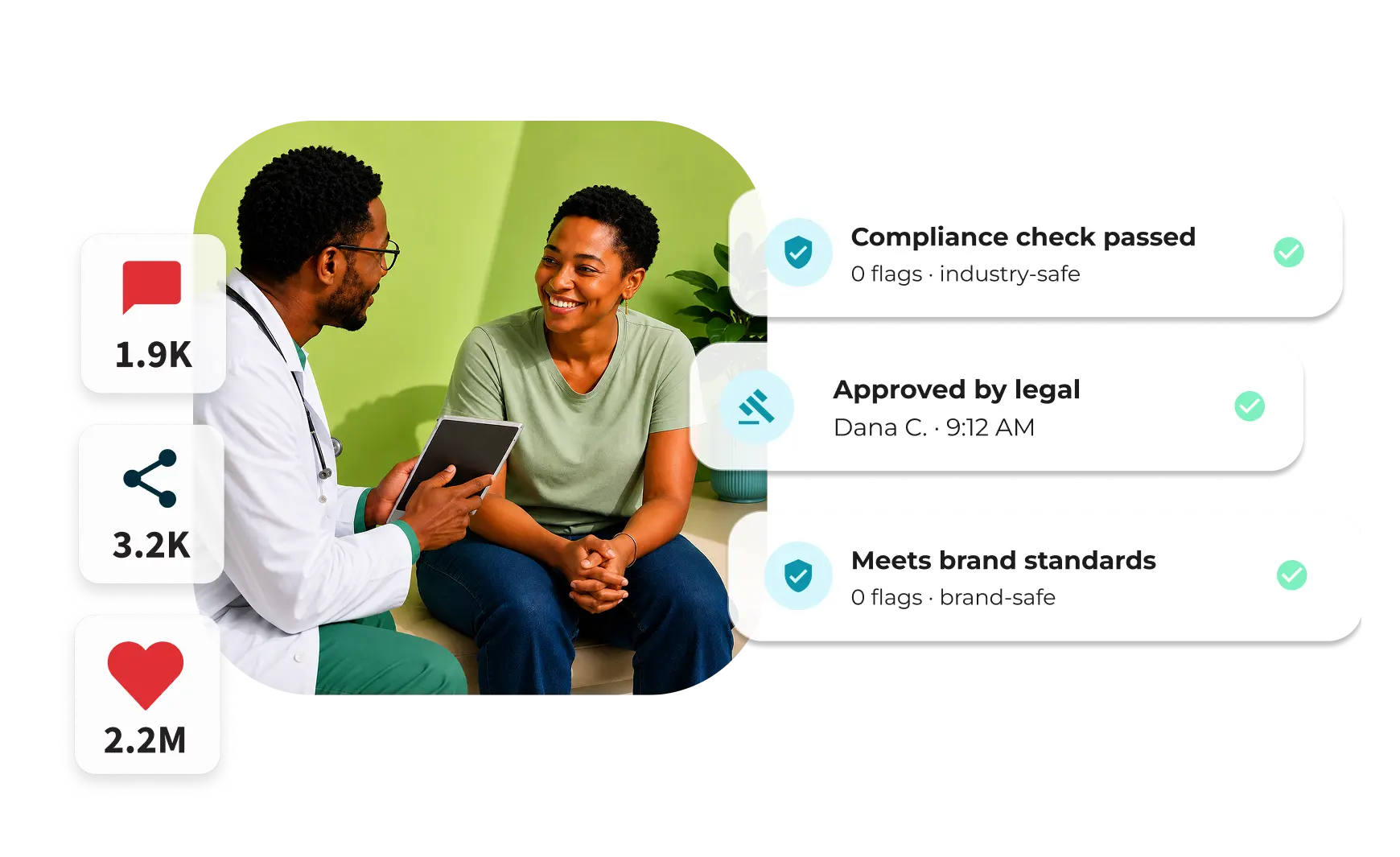
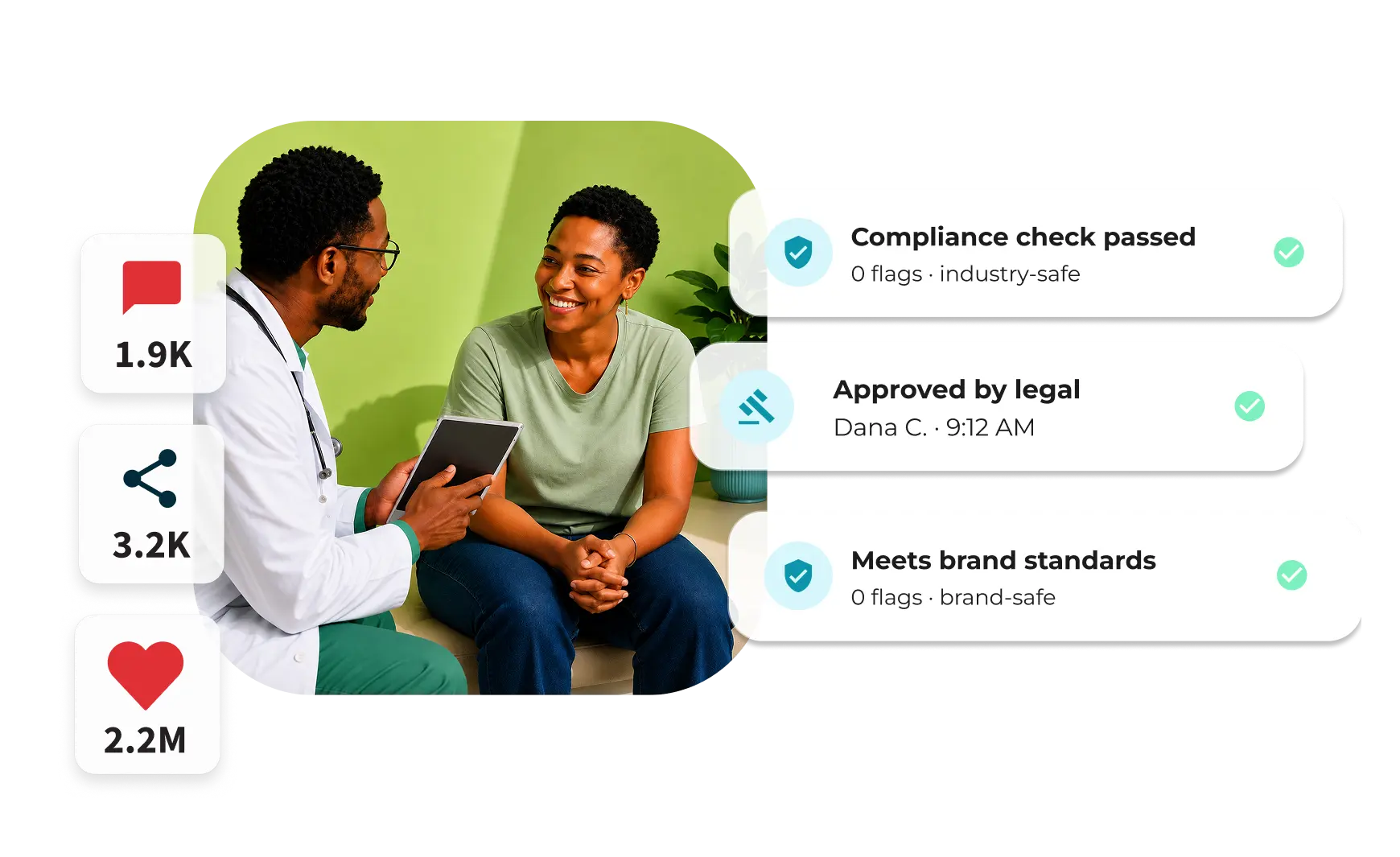
- Approval Hierarchies: Mandatory multi-step review processes involving legal, compliance, and clinical teams before content goes live.
- Crisis Protocols: Pre-approved response templates and escalation procedures for managing PR crises or viral misinformation.
- Employee Personal Use Guidelines: Clear boundaries separating personal social media accounts from professional responsibilities.
Managing Misinformation and Negative Reviews
- Combatting Misinformation: Organizations must utilize social listening tools to identify false medical claims early. Rather than repeating false narratives, communication teams should lead corrections by proactively publishing authoritative, evidence-based content.
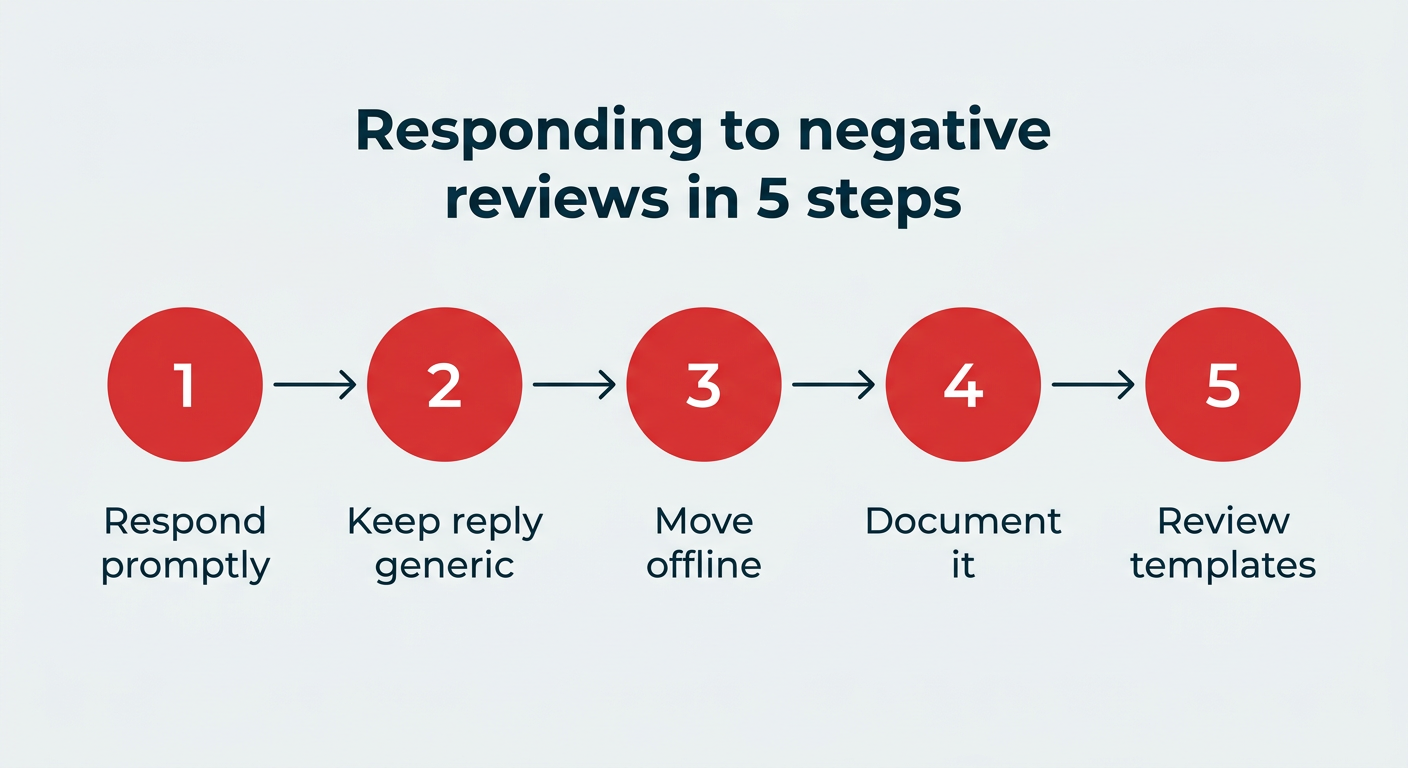
- Handling Negative Reviews: When faced with negative patient feedback, staff must respond promptly and professionally while strictly avoiding HIPAA violations. Acknowledge concerns generically, refrain from confirming or denying any patient relationship, and immediately transition the conversation to a secure offline channel (such as a dedicated patient relations phone line).
Selecting the Right Platforms and KPIs
Rather than spreading resources thin across every available network, healthcare brands should focus on high-impact platforms:
- Facebook & Instagram: Ideal for community building, visual storytelling, provider spotlights, and educational Reels.
- LinkedIn: The premier channel for recruitment, employer branding, and B2B health discourse.
- TikTok & YouTube: Powerful mediums for short-form myth-busting and long-form patient education.
When evaluating ROI, organizations must move beyond vanity metrics like follower counts and focus on meaningful KPIs: website referral traffic, appointment request conversions, recruitment pipeline velocity, educational engagement rates, and regional brand sentiment analysis.

Conclusion: Securing the Future of Digital Healthcare
The successful integration of social media in healthcare requires a delicate equilibrium between creative storytelling and uncompromising compliance. By combining human-led editorial oversight with secure, governed technology platforms—such as integrated social management systems—healthcare organizations can protect their patients, maintain regulatory adherence, and build enduring digital trust in an increasingly connected world.
 Ammar Sabilarrohman
 Jia Lissa
 Muslim
