
 By Laily UPN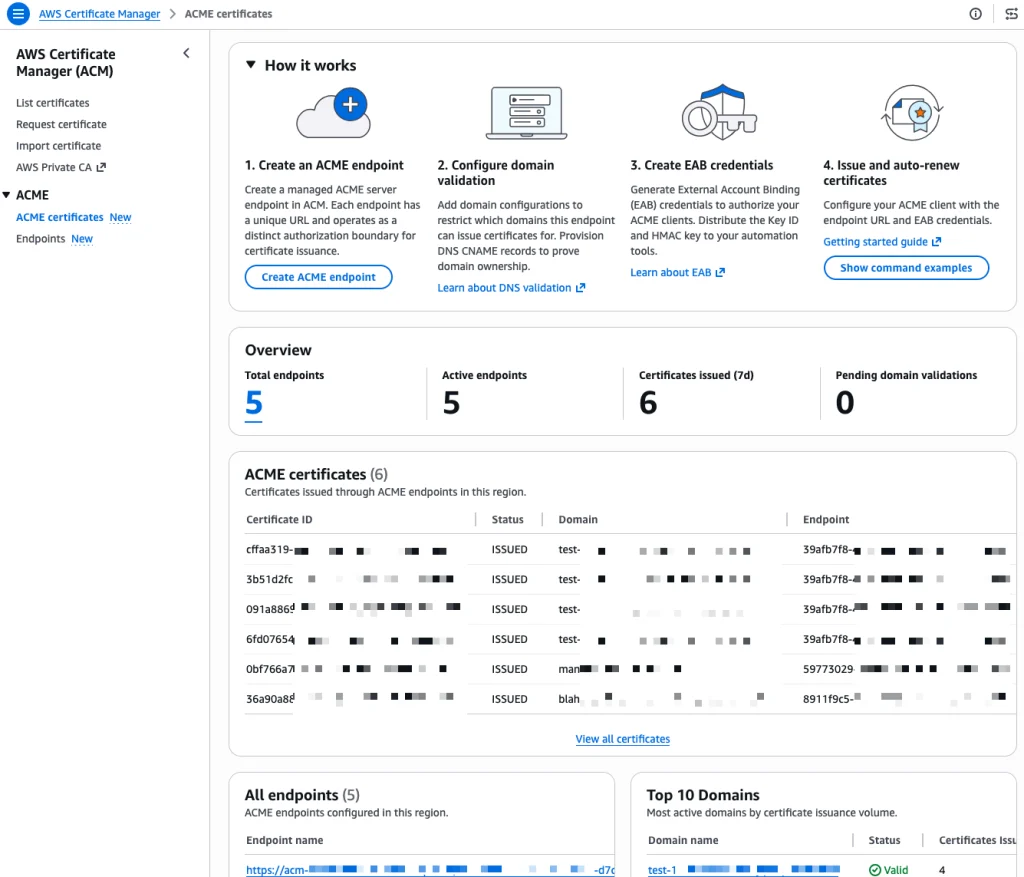
In an era where cybersecurity threats are evolving at an unprecedented pace, the integrity of Transport Layer Security (TLS) certificates remains the bedrock of internet trust. However, the operational reality of managing these certificates has long been a source of friction for DevOps and security teams. With the global regulatory landscape shifting toward significantly shorter certificate validity periods—mandated by the CA/Browser Forum to drop to 100 days by 2027 and just 47 days by 2029—the traditional, manual approach to certificate renewal is no longer sustainable.
Recognizing this critical bottleneck, Amazon Web Services (AWS) has announced a significant evolution in its security infrastructure: native support for the Automatic Certificate Management Environment (ACME) protocol within AWS Certificate Manager (ACM). This development promises to bridge the gap between open-standard automation and enterprise-grade security governance.

The Core Challenge: Why Automation is No Longer Optional
For years, the industry relied on longer-lived certificates, often spanning one or two years. This allowed for infrequent, manual interventions. However, as the industry moves toward "short-lived" certificates, the risk of human error—such as forgotten renewals—has skyrocketed. An expired certificate is more than an administrative nuisance; it is a service-disrupting event that triggers browser warnings, breaks API integrations, and undermines customer trust.
Until now, organizations seeking to automate this process often had to navigate a fragmented ecosystem. They were forced to use third-party Certificate Authorities (CAs) or complex, custom-built middleware to bridge the gap between their infrastructure and their certificate providers. This "siloed" approach created visibility gaps, where security teams struggled to maintain a centralized inventory of which certificates were active, where they resided, and who had the authority to request them.

The Evolution of the ACME Protocol
The ACME protocol, originally popularized by the non-profit certificate authority Let’s Encrypt, serves as the industry-standard "lingua franca" for certificate lifecycle management. It allows servers and applications to communicate directly with a CA to request, validate, and install certificates without human intervention.
By integrating an ACME server endpoint directly into AWS Certificate Manager, AWS is effectively commoditizing high-security automation. Developers can now utilize familiar tools like Certbot, cert-manager for Kubernetes, or acme.sh to interface directly with Amazon Trust Services. This move eliminates the need for external, fragmented management layers, allowing organizations to keep their entire certificate ecosystem within the AWS management plane.
Chronology: A Shift Toward Automated Governance
The integration of ACME into ACM represents a multi-year effort to align AWS services with the broader goals of the global security community.
- Pre-2026: Organizations managed certificates through a mix of the AWS console, CLI, and external ACME providers, leading to disjointed security policies and "shadow" certificate issuance.
- Early 2027 (Anticipated): Regulatory mandates begin pushing validity periods down to 100 days, making manual renewal effectively impossible for large-scale fleets.
- Current Milestone: AWS rolls out native ACME support, allowing for programmatic, policy-driven certificate issuance.
- Future Outlook (2029): As the industry approaches the 47-day validity requirement, the infrastructure now in place via AWS ACME endpoints is positioned to be the primary mechanism for enterprise compliance.
Strategic Implications for Security and DevOps
The introduction of this service is not merely a feature update; it is a fundamental shift in how organizations handle Public Key Infrastructure (PKI).
Centralized Visibility and Auditability
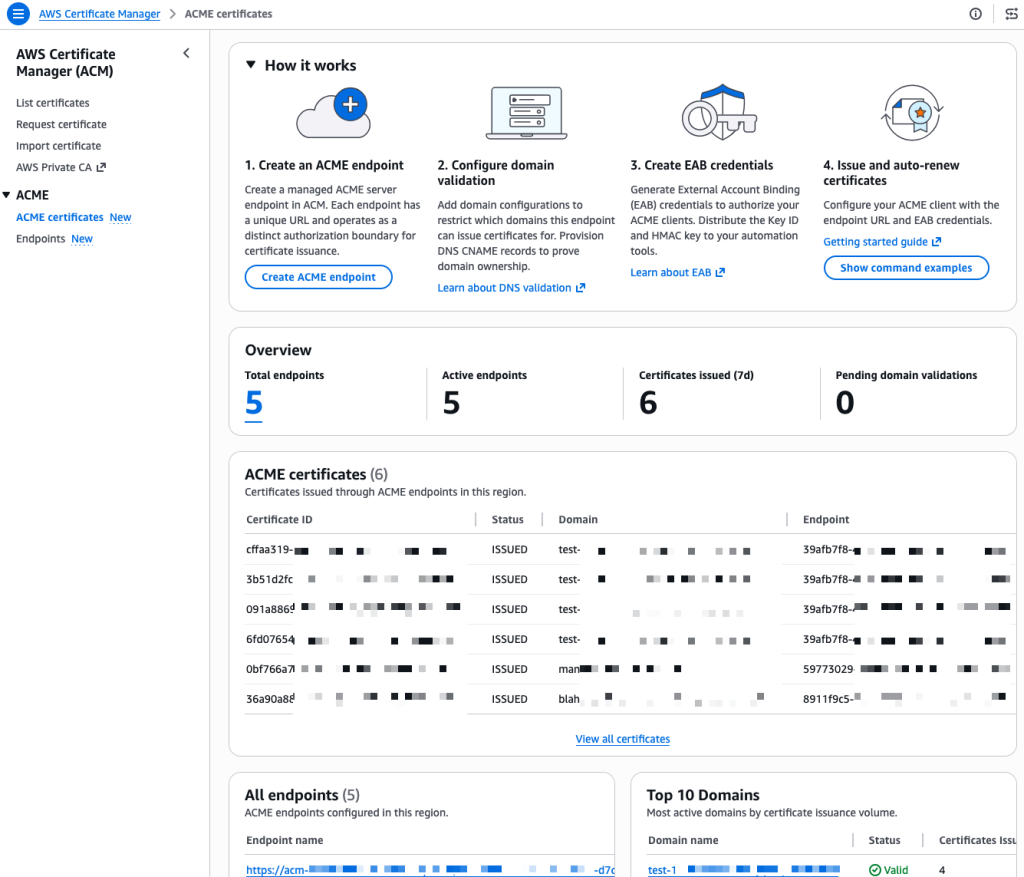
For a PKI administrator, the "holy grail" is visibility. With the new ACM ACME integration, every request made by any client across the organization is logged via AWS CloudTrail. This provides an immutable audit trail of who requested a certificate, for which domain, and when. Furthermore, integration with Amazon CloudWatch allows teams to set up automated alerts for renewal failures or unexpected spikes in issuance, providing a level of operational observability previously unattainable without expensive third-party tools.
Fine-Grained Access Control
One of the most powerful aspects of this rollout is the implementation of External Account Binding (EAB). In the past, distributing DNS validation credentials to every application team was a massive security risk—if a single service was compromised, the attacker could theoretically issue certificates for the entire domain.
With ACM’s ACME support, the PKI administrator validates the domain once at the endpoint level. Application teams are then granted EAB credentials that are scoped specifically to their needs. They can request certificates for their designated subdomains without ever having access to the primary DNS credentials. This "principle of least privilege" is a game-changer for large-scale cloud organizations.
Enforcing Policy at the Edge
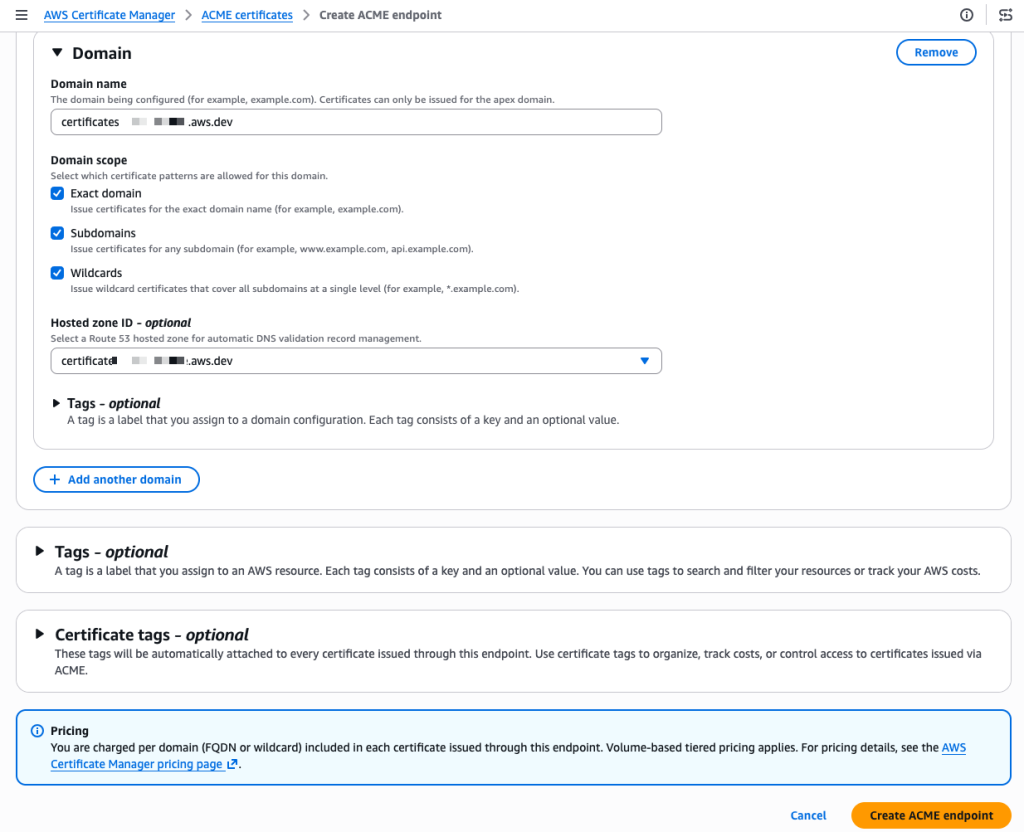
The ability to define domain scopes—limiting an endpoint to specific subdomains or preventing wildcard certificate issuance—allows security teams to enforce compliance at the infrastructure level. By simply leaving "wildcard" options unchecked, an administrator can ensure that no developer accidentally (or maliciously) issues an overly permissive certificate that could expose the entire infrastructure.
Technical Workflow: Implementing the Solution
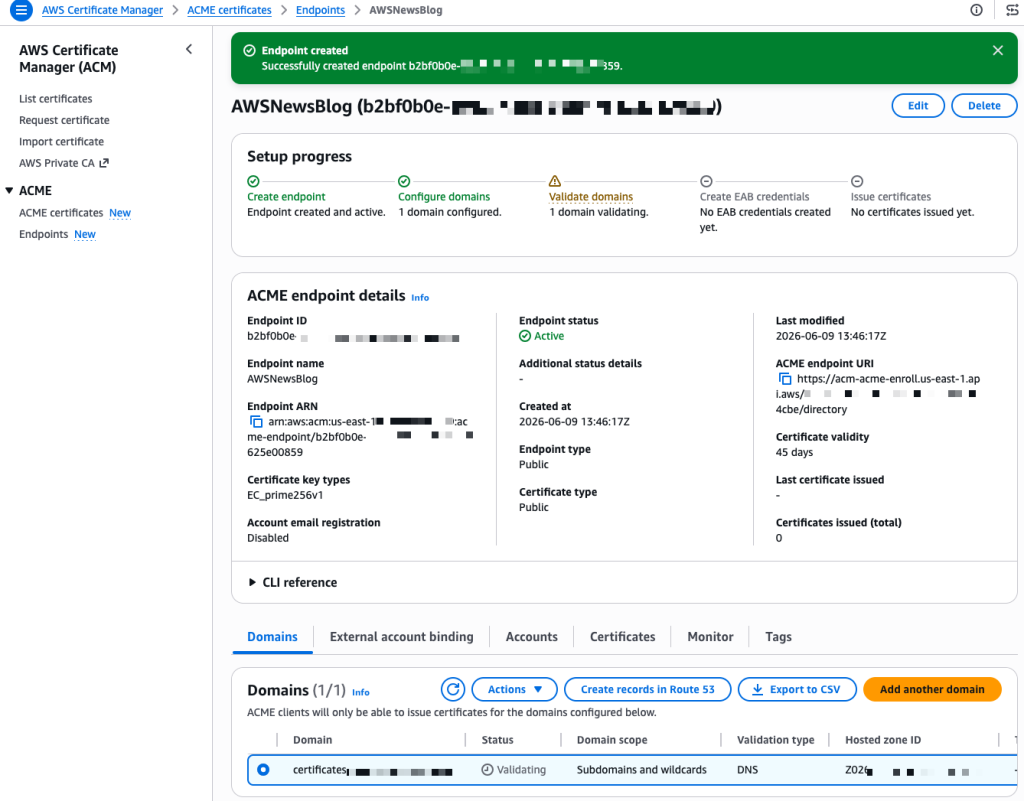
The transition to this model follows a streamlined, four-stage process designed for minimal friction:
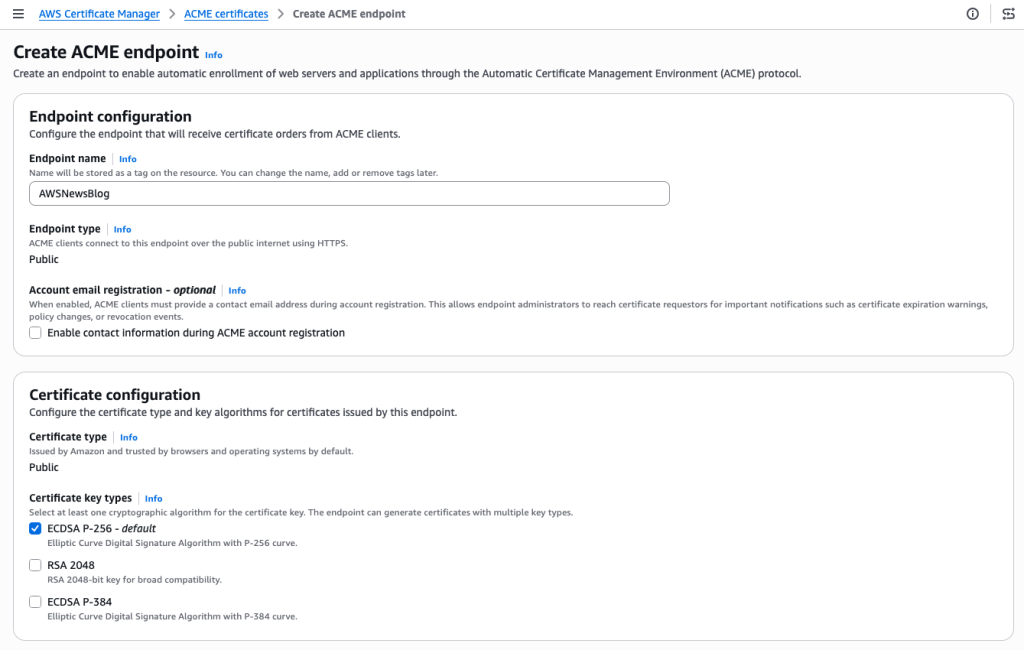
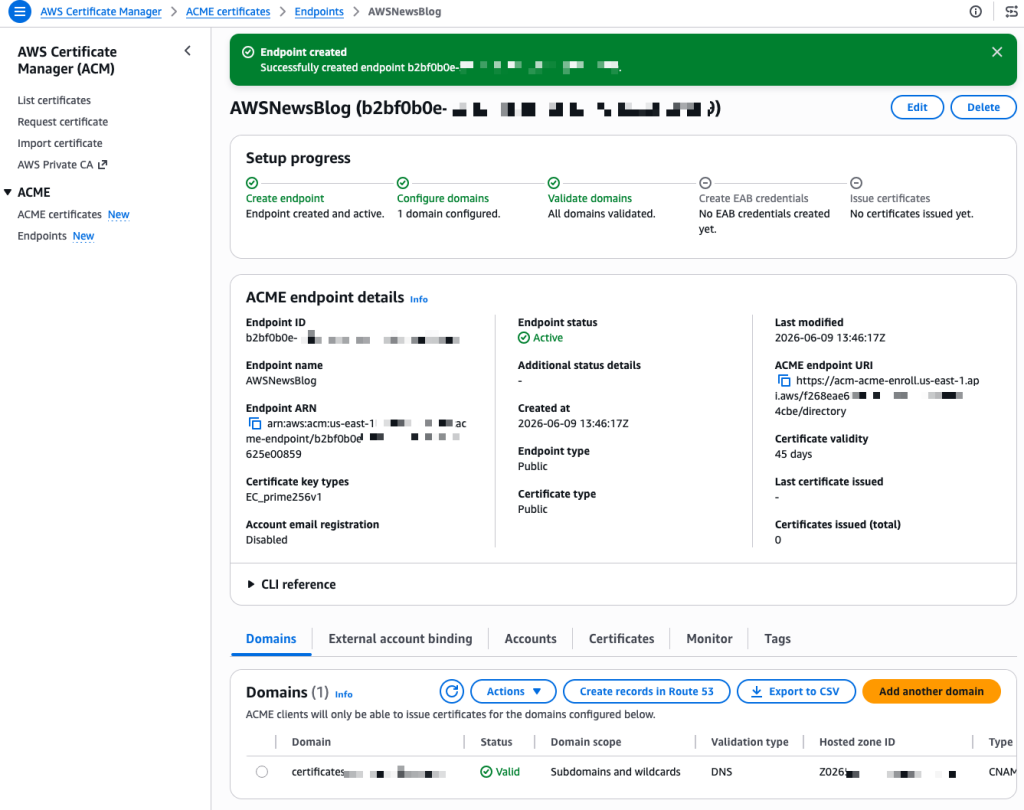
- Endpoint Creation: Administrators configure an ACME endpoint in the ACM console, selecting the type (Public) and defining the allowed domain scopes.
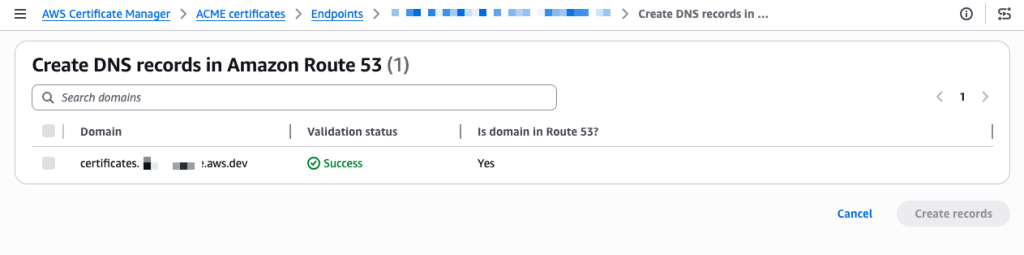
- Domain Validation: Using Route 53, ACM automates the creation of CNAME records to verify domain ownership. For non-Route 53 users, the process provides the necessary records for manual DNS configuration.
- Credential Issuance: The administrator generates EAB credentials (a Key ID and HMAC Key) and distributes them to the application teams.
- Client Configuration: Developers configure their ACME client (such as Certbot) with the provided endpoint URL and EAB credentials. The client handles the remainder of the lifecycle automatically, including the critical renewal process.
Official Perspective and Economic Impact
AWS has framed this release as a response to the "operational overhead" that plagues modern cloud engineering. By providing a managed endpoint, AWS is removing the "hidden costs" associated with building and maintaining custom certificate management software.
From an economic standpoint, the pricing model is structured to scale with an organization’s footprint. Costs are calculated based on the number of domains included in certificates at the time of issuance, with clear distinctions between fully qualified domain names and wildcards. This transparency allows for predictable budgeting, a stark contrast to the opaque and often expensive licensing models of legacy enterprise certificate management software.
Looking Ahead: The Future of Identity
As the digital landscape becomes increasingly encrypted, the importance of certificate management cannot be overstated. By democratizing access to the ACME protocol and anchoring it within the robust, compliant, and highly available AWS ecosystem, Amazon has set a new standard for how companies should approach identity and trust.
The move toward 47-day certificate cycles is daunting, but with the tools now available in AWS Certificate Manager, the challenge is no longer about the technical feasibility of renewal; it is about the governance of identity. Organizations that embrace this transition now will be well-positioned to meet the security requirements of 2029 and beyond, ensuring that their services remain secure, compliant, and—above all—available.
Key Takeaways for Decision Makers:
- Security: Native ACME reduces the attack surface by limiting the exposure of DNS credentials and providing centralized audit logs.
- Efficiency: Automating renewals removes the "manual labor" tax on DevOps teams, preventing costly outages.
- Compliance: With upcoming industry standards mandating shorter validity, this tool is essential for maintaining browser trust and regulatory compliance.
- Cost-Effectiveness: Built-in governance replaces the need for third-party lifecycle management platforms, reducing total cost of ownership.
For those ready to begin, the AWS documentation provides a comprehensive guide to migrating existing certificates to the new ACME-based management flow. The future of certificate management is automated, centralized, and, as of today, fully supported by AWS.
 Neng Nana
  Suro Senen
  Lina Hope