
 By Asep Darmawan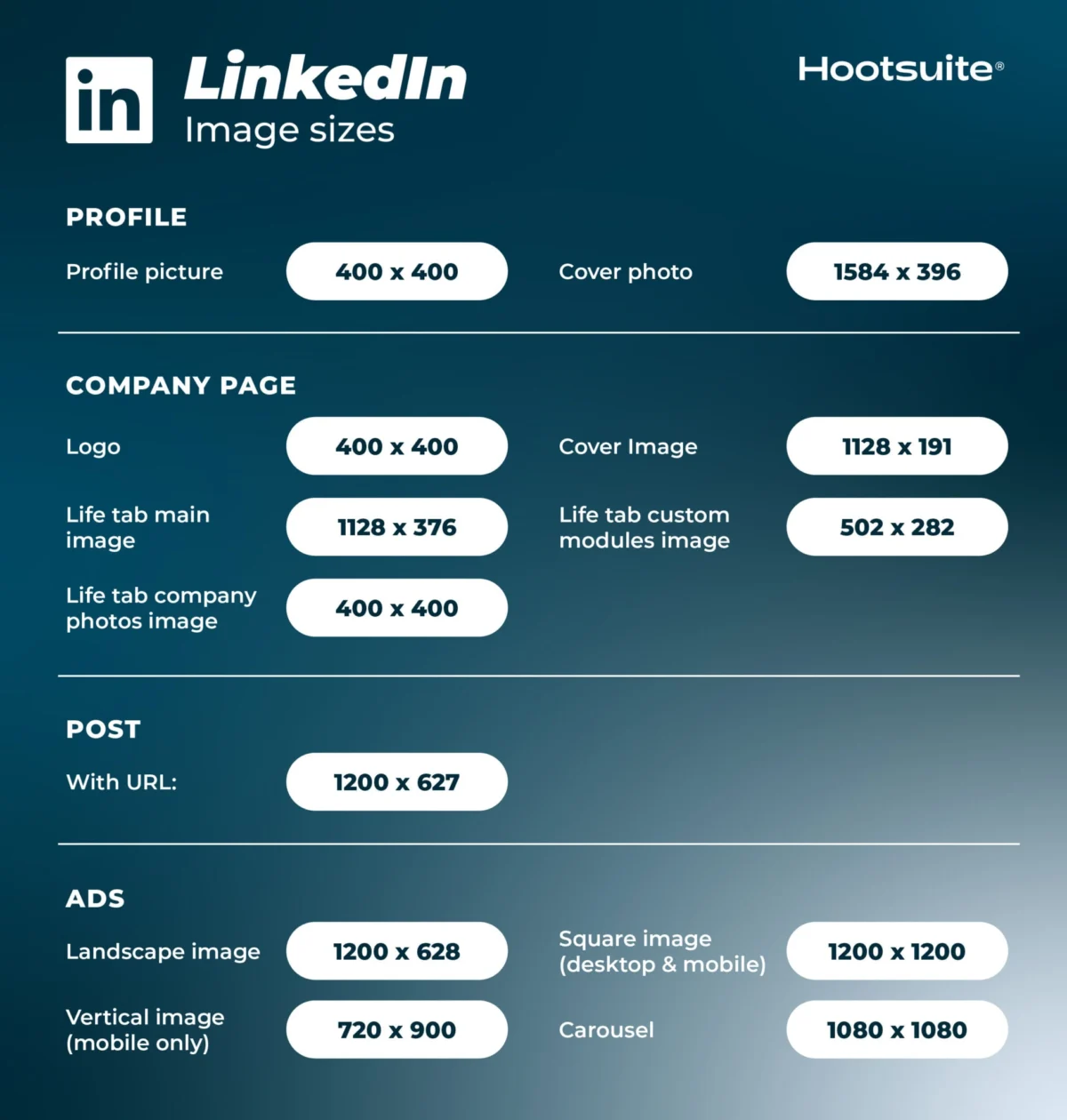
In the fast-paced world of digital marketing, nothing undermines a brand’s authority faster than a pixelated cover photo, a cropped-off product image, or a distorted ad creative. As social media platforms continue to evolve their algorithms and interface layouts, the technical requirements for visual content remain a moving target.
For 2026, the stakes are higher than ever. With the rise of AI-generated assets and the increasing dominance of high-resolution, mobile-first video and image feeds, understanding the specific geometry of every platform is no longer just a "best practice"—it is a fundamental requirement for maintaining brand consistency and maximizing audience engagement.
![Social media image sizes for all networks [July 2026]](https://blog.hootsuite.com/wp-content/uploads/2023/01/Social-Media-Image-Sizes-2023.png)
The State of Social Visuals in 2026: Key Facts
As we navigate through 2026, the consensus across major platforms is clear: Vertical content is king. Platforms like Instagram, TikTok, and even LinkedIn have shifted their focus toward immersive, full-screen experiences.
The "one-size-fits-all" approach to content creation is officially obsolete. To ensure your brand remains competitive, you must optimize every asset for its destination. A 1080 x 1920 pixel image might look stunning on a TikTok Story, but it will suffer from heavy cropping when forced into a standard Twitter (X) stream. Understanding these nuances is the difference between a high-performing campaign and a budget wasted on assets that fail to capture attention.
![Social media image sizes for all networks [July 2026]](https://blog.hootsuite.com/wp-content/uploads/2025/12/Social-media-image-sizes-for-all-networks-December-2025-556x556.png)
Chronology of Changes: Why Dimensions Keep Shifting
Social media platforms are not static; they are living products. Every few months, developers adjust UI elements, introduce new ad placements, or update how content is rendered on mobile devices versus desktop browsers.
In early 2026, we saw a massive pivot toward "Multimedia First" layouts on platforms like X and Bluesky. This shift was largely driven by the need to compete with the high-retention rates of short-form video apps. As a result, profile picture sizes have stabilized around the 320px to 1000px range, while header banners have become more expansive to accommodate ultra-high-definition displays. Keeping a log of these changes is a primary responsibility for social media managers, as platforms rarely announce these updates with widespread fanfare, often leaving brands to discover the "glitches" in their own feeds.
![Social media image sizes for all networks [July 2026]](https://blog.hootsuite.com/wp-content/uploads/2025/12/Social-media-image-sizes-for-all-networks-January-2026-1-620x465.png)
Platform-Specific Dimensions: The 2026 Standard
Instagram: The Visual Gold Standard
Instagram remains the most unforgiving platform regarding dimensions. While the platform allows for varied orientations, the grid layout demands precision.
- Profile Picture: 320 x 320 pixels. Note that the display is circular, so keep key elements centered.
- Feed Posts: 1080 x 1080 (Square), 1080 x 1350 (Portrait), and 1080 x 566 (Landscape).
- Stories & Reels: 1080 x 1920 pixels. Always ensure the "safe zone" is clear of text or buttons.
Facebook: Balancing Desktop and Mobile
Facebook’s dual nature—catering to both legacy desktop users and mobile-first scrollers—makes it one of the most complex platforms to manage.
![Social media image sizes for all networks [July 2026]](https://blog.hootsuite.com/wp-content/uploads/2025/04/Social-media-image-sizes-Instagram-620x558.jpg)
- Cover Photos: 851 x 315 pixels. Pro-tip: Aim for a smaller file size to ensure faster loading times on mobile.
- Timeline Posts: 1200 x 630 pixels remains the industry standard for link previews.
X (Formerly Twitter)
X is leaning heavily into media-rich posts. With the introduction of the new video-centric tab, visual quality has been prioritized.
- Profile Photos: 400 x 400 pixels.
- Header Photos: 1500 x 500 pixels.
- In-Stream Photos: 1600 x 900 pixels is the recommended maximum to ensure no quality loss during expansion.
LinkedIn: Professional Precision
LinkedIn is no longer just a professional networking site; it is a visual storytelling hub.
![Social media image sizes for all networks [July 2026]](https://blog.hootsuite.com/wp-content/uploads/2025/12/Social-media-image-sizes-for-all-networks-January-2026-1-1-620x629.png)
- Personal Profile: 400 x 400 pixels.
- Company Page Banner: 1128 x 191 pixels.
- Post Images: 1200 x 627 pixels for link shares and 1200 x 1200 for square image posts.
TikTok & Short-Form Video
TikTok is the most rigid of the major platforms. Because it is purely mobile-first, your assets must fit the 9:16 aspect ratio perfectly to avoid being "stretched" by the platform’s player.
- Profile Picture: 200 x 200 pixels.
- Videos & Carousels: 1080 x 1920 pixels.
Supporting Data: Why Dimensions Drive Performance
Data from leading social media management tools suggests that posts using platform-optimized dimensions see, on average, a 25% to 40% increase in engagement.
![Social media image sizes for all networks [July 2026]](https://blog.hootsuite.com/wp-content/uploads/2025/12/Social-media-image-sizes-for-all-networks-January-2026-3-620x753.png)
Why? It comes down to human psychology. When a user scrolls through a feed, their brain processes visual information in milliseconds. If an image is cropped incorrectly or looks distorted, the viewer subconsciously flags it as "low quality" or "spam," leading them to scroll past without interacting. By adhering to these dimensions, you reduce the friction between your message and your audience.
Official Responses and Platform Guidelines
Most platforms, including Meta and LinkedIn, provide "Help Center" documentation that updates sporadically. However, these documents often provide the minimum requirements rather than the optimal ones. For instance, while a platform might state a minimum width of 600 pixels, uploading at 1080 pixels or higher is necessary to future-proof your content for high-density Retina displays.
![Social media image sizes for all networks [July 2026]](https://blog.hootsuite.com/wp-content/uploads/2025/04/Social-media-image-sizes-LinkedIn-620x651.jpg)
Experts consistently advise: "Design for the highest common denominator." If you create your assets at the highest recommended resolution, the platforms’ compression algorithms will handle the downscaling more gracefully than if you upload a low-resolution image that requires the platform to scale it up.
The Implications for Enterprise Brands
For large organizations, the challenge is not just knowing these sizes, but enforcing them. When you have teams across multiple time zones creating content, maintaining brand guidelines can feel like a losing battle.
![Social media image sizes for all networks [July 2026]](https://blog.hootsuite.com/wp-content/uploads/2025/04/Social-media-image-sizes-Pinterest-620x517.jpg)
1. The Cost of Inconsistency
Inconsistent image sizing results in a fragmented brand identity. If your Instagram feed looks polished but your Facebook Page looks pixelated, you lose credibility with your audience.
2. Streamlining with Automation
Many modern marketing teams have moved toward centralized, cloud-based asset management. By utilizing integrated tools like Perch by Hootsuite, brands can bake these dimensions into their workflows. Instead of relying on a designer to manually resize every post, integrated editors allow social media managers to select a "network-optimized" template, ensuring the final output is perfect every time.
![Social media image sizes for all networks [July 2026]](https://blog.hootsuite.com/wp-content/uploads/2025/04/Social-media-image-sizes-Snapchat-620x325.jpg)
3. Future-Proofing for AI
As AI tools become more prevalent in content creation, they are also becoming smarter at aspect ratio management. However, AI cannot replace the human eye for "safe zones." Understanding where text will be covered by the "Like" or "Share" buttons is a human-centric skill that remains vital in 2026.
Conclusion: Mastering the Canvas
Social media is a visual language. If you speak that language with a "thick accent"—meaning your images are distorted, cropped, or blurry—your audience will struggle to understand your message.
![Social media image sizes for all networks [July 2026]](https://blog.hootsuite.com/wp-content/uploads/2025/04/Social-media-image-sizes-YouTube-620x321.jpg)
In 2026, the competitive edge belongs to those who treat every pixel with intention. By adopting a rigid, data-backed approach to image dimensions, you not only improve your technical performance but also signal to your audience that your brand is professional, meticulous, and worth their time.
Remember:
![Social media image sizes for all networks [July 2026]](https://blog.hootsuite.com/wp-content/uploads/2025/12/Social-media-image-sizes-for-all-networks-January-2026-5-1-620x507.png)
- Always prioritize 1080px width for high-quality display.
- Respect the "Safe Zones"—especially on mobile-first apps like TikTok and Instagram Reels.
- Leverage automation to remove the guesswork from your daily publishing routine.
By mastering these dimensions, you ensure that your brand stands out for the right reasons, turning every scroll into a potential conversion.
 Reynand Wu
  Muslim
  Nila Kartika Wati