
 By Asro
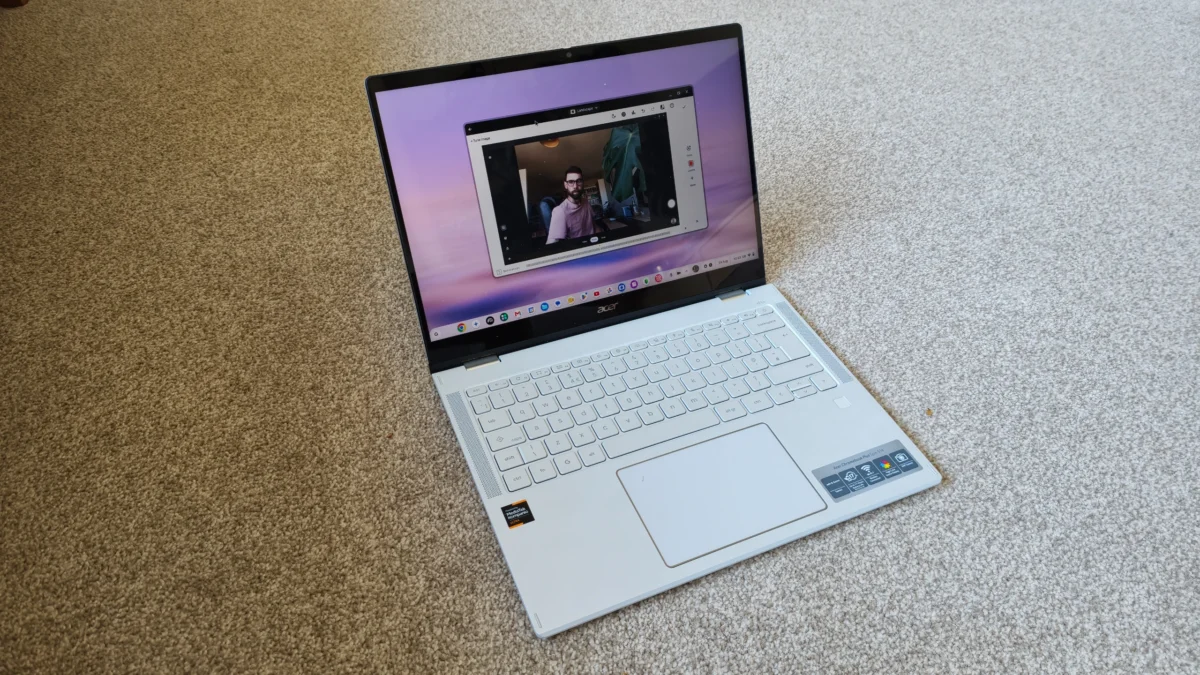
For the better part of the last decade, the Chromebook market has been defined by a singular, persistent narrative: affordability at the expense of power. As a tech journalist who has spent years navigating the limitations of ChromeOS, I have often viewed the platform with a blend of professional appreciation and creative frustration. When I recently penned my review of the Acer Chromebook Plus Spin 514, I didn’t mince words: this is the device I have been waiting five years for.
The journey toward this conclusion was not linear. In fact, it follows a broader industry trend—a critical re-evaluation of whether the 2-in-1 hybrid form factor is a relic of the past or a viable powerhouse for the modern creative.
The Evolution of the 2-in-1: From Niche to Necessity
The history of the 2-in-1 laptop is a turbulent one. Originally marketed as the "best of both worlds," early iterations often suffered from compromised keyboard decks or lackluster tablet interfaces. As the market matured, consumers began to ask: are these devices dead, or is there still time for a comeback?
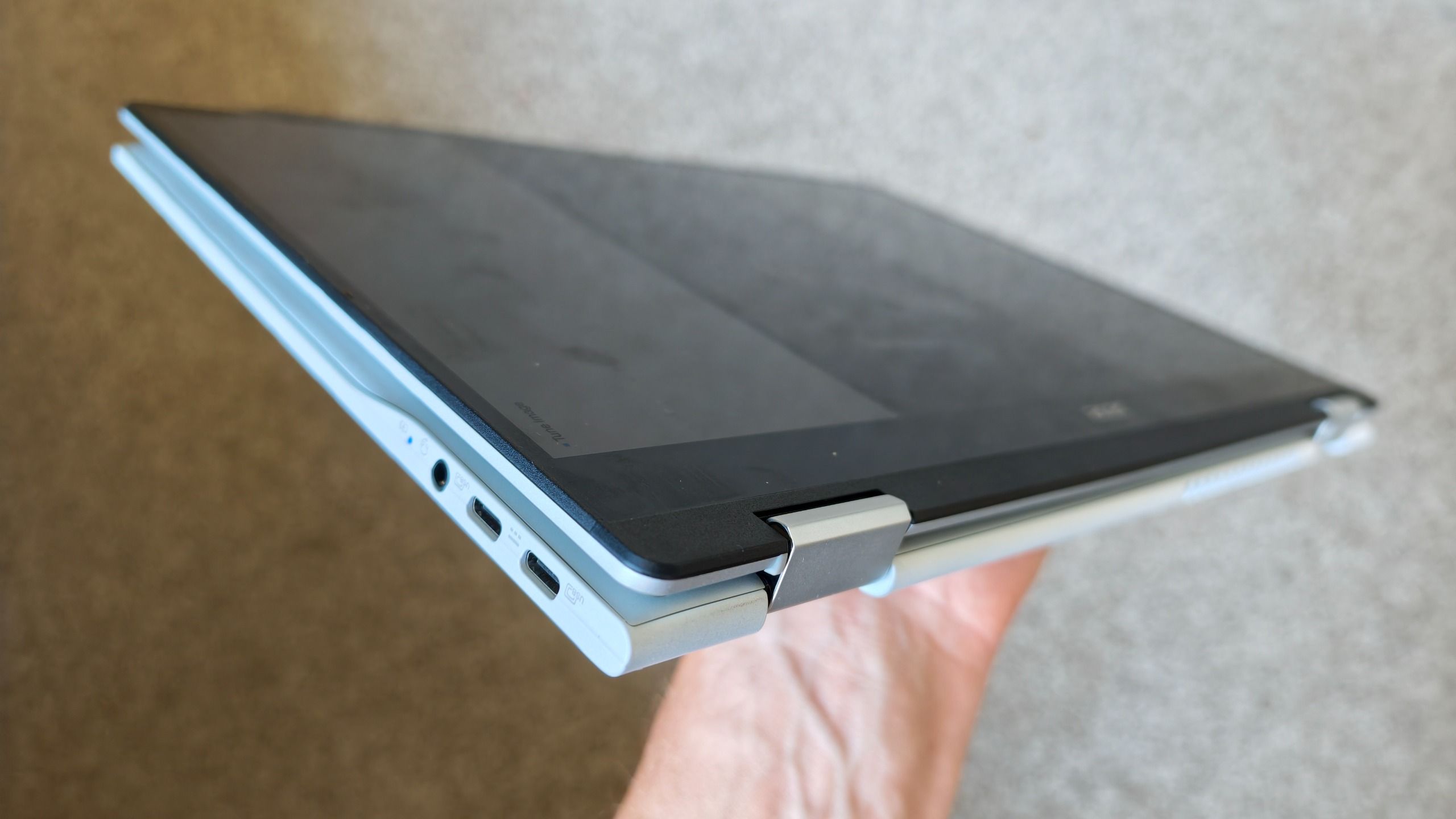
My own skepticism was high when I first received the Acer Chromebook Plus Spin 514 for testing. In an era dominated by high-performance workstations and specialized creative hardware, a Chromebook—even one bearing the "Plus" branding—felt like an outlier. However, the reality of the device quickly shattered my preconceived notions. The transformation from a traditional 14-inch laptop into a tablet-mode powerhouse is not merely a gimmick; it represents a fundamental change in how a creative workflow can be executed on the go.
Chronology of a Creative Workflow
To understand why the Spin 514 stands out, one must look at how it integrates into a professional creative pipeline. My experience with the device unfolded in several distinct phases:
- The Unboxing and Initial Apathy: Initially, the device seemed standard. A 14-inch Chromebook, while functional, rarely sparks excitement in a market saturated with high-end ultrabooks.
- The Shift to Field Utility: During a recent project, I needed to manage media assets on-site. Using the Spin 514 to ingest photos and videos was surprisingly fluid. The integration with cloud-based services meant that files were not just stored locally, but instantly synced for post-production.
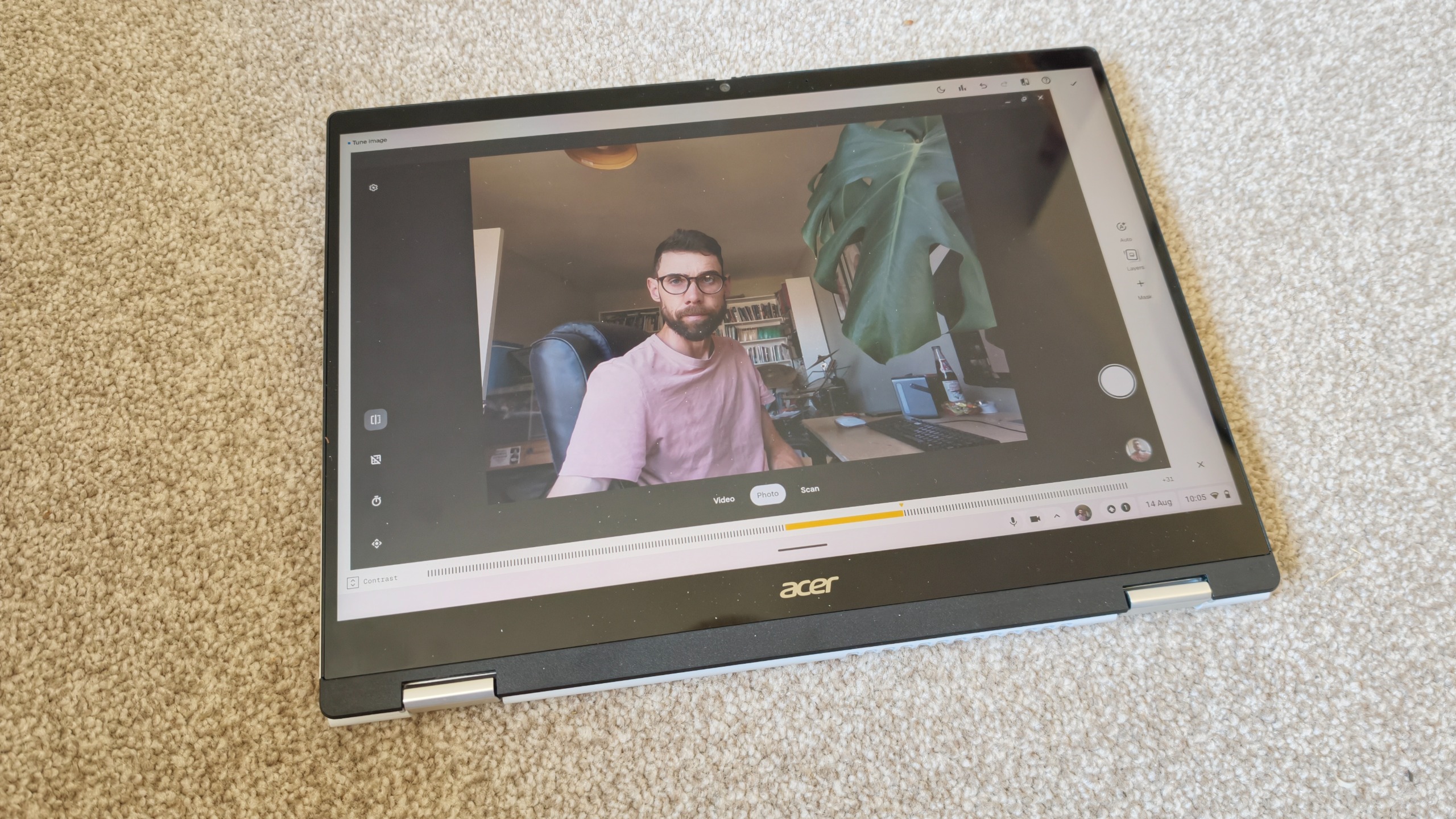
- The Creative "Aha!" Moment: I began using dedicated mobile-optimized applications like Snapseed for photo retouching and InShot for rapid video assembly. The transition from laptop mode (for drafting and file management) to tablet mode (for precise, touch-based creative adjustments) provided a level of ergonomics that a standard laptop simply cannot match.
- The Professional Validation: The final phase involved using the device during client-facing meetings. The 2.8K display and premium build quality shifted the conversation from "using a Chromebook" to "presenting with a professional tool."
Supporting Data: Why the Hardware Matters
The success of the Acer Chromebook Plus Spin 514 isn’t just about software optimization; it is rooted in its hardware specifications, which push the boundaries of what is expected in this price bracket.
Display Fidelity and Aspect Ratio
The device features a 2.8K resolution panel that is exceptionally sharp for a 14-inch form factor. Crucially, it utilizes a 16:10 aspect ratio. This vertical real estate is vital for creatives who spend their time in timelines, code editors, or long-form documents. It provides a sense of spaciousness that the traditional 16:9 ratio lacks, effectively making a 14-inch screen feel significantly larger.
The Tablet Paradox
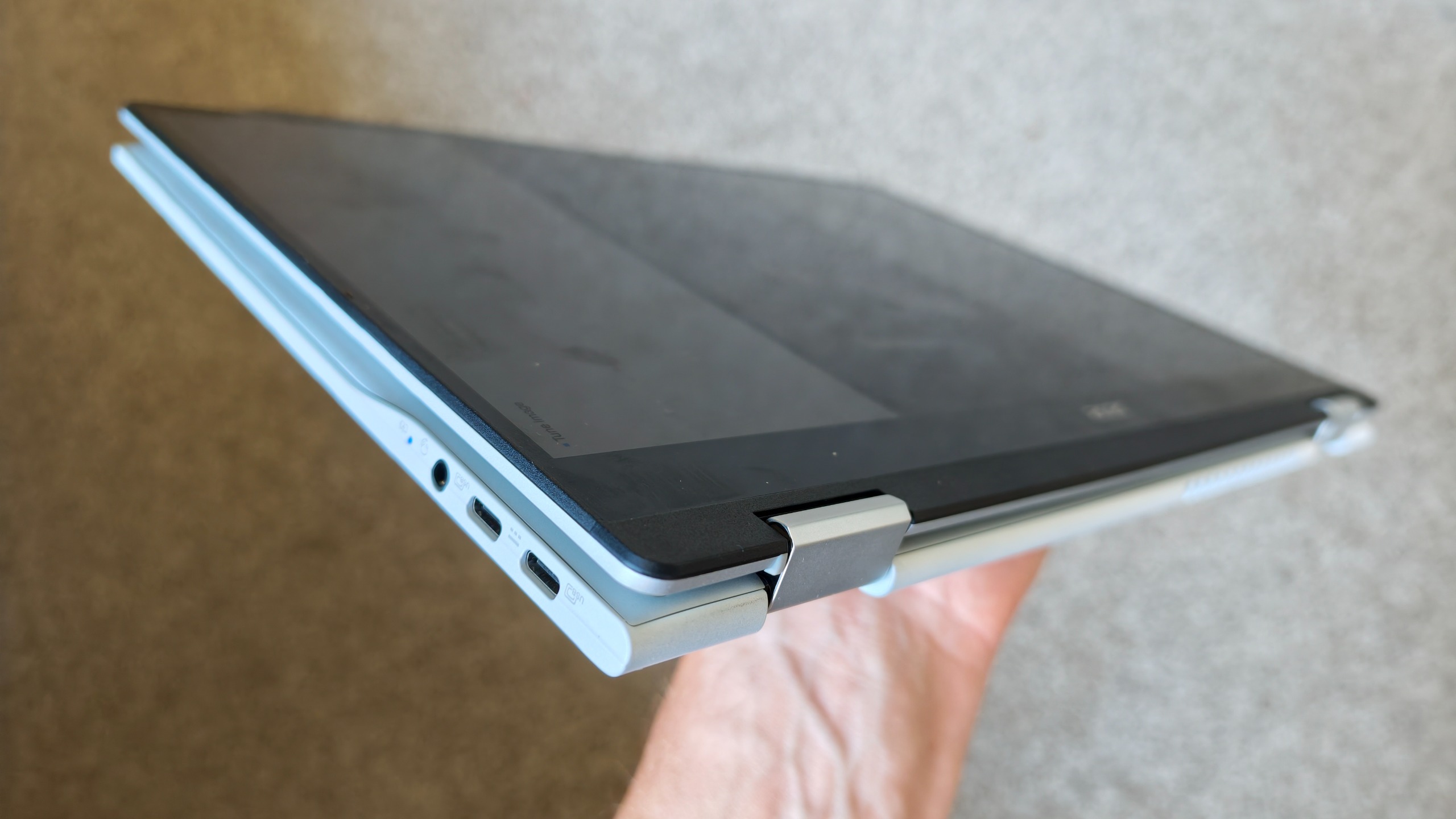
One of the most compelling arguments for this device is the "Tablet Paradox." Most tablets on the market—such as the iPad Pro or iPad Air—cap out at 13 inches, with many users opting for 11-inch or even 7-inch models. A 14-inch tablet is a rarity. When folded into its tablet configuration, the Spin 514 offers a canvas size that is practically unheard of in the dedicated tablet market. This size is ideal for viewing high-resolution imagery, managing complex touch-based interfaces, and collaborative whiteboard sessions.
Connectivity and Cloud Integration
Modern creative work is inherently cloud-reliant. The Chromebook Plus initiative by Google ensures that hardware meets specific performance benchmarks, including high-speed RAM and storage requirements. This ensures that the Spin 514 does not stutter when handling high-bitrate media files or complex web-based creative suites.
Official Industry Perspectives
The "Chromebook Plus" label represents a concerted effort by Google and its hardware partners, like Acer, to elevate the platform. According to industry analysts, the Chromebook Plus segment is designed to address the "creative gap."
In official communications, representatives from the ChromeOS team have emphasized that "the goal of the Plus initiative is to provide a standardized, high-performance baseline that developers can target." This is a departure from the "education-first" strategy of the past. By ensuring that all Plus-branded devices support AI-powered features, offline file synchronization, and superior multitasking, manufacturers are finally positioning these machines as legitimate alternatives for digital nomads and creative professionals.
Implications: The Future of Hybrid Computing
What does the rise of the Acer Chromebook Plus Spin 514 mean for the creative industry at large?
A Shift in Expectations
We must acknowledge that this device is not a replacement for a dedicated 3D modeling workstation or a high-end graphic design rig. It will not be replacing the primary workstation of an architect or a video editor working in 8K resolution. However, it succeeds as a companion device. It acknowledges that the modern creative professional is mobile, agile, and reliant on a hybrid of cloud and local processing.
The 2-in-1 Comeback
The 2-in-1 form factor, which many had written off, is finding its footing in the "prosumer" space. By combining the typing efficiency of a laptop with the tactile, intuitive nature of a large-format tablet, devices like the Spin 514 are proving that the hybrid category has a future. It serves as a bridge, filling the space between the portability of a tablet and the productivity of a laptop.
The Verdict for Professionals
If you are a creative who is tethered to a powerful desktop workstation but requires a secondary, highly portable device that doesn’t sacrifice screen real estate or touch-input capabilities, the Acer Chromebook Plus Spin 514 is a compelling candidate. It represents a maturation of the Chromebook ecosystem—a transition from "good enough for school" to "ready for the studio."
In conclusion, the Acer Chromebook Plus Spin 514 is not just a laptop; it is a testament to the fact that when manufacturers listen to the specific needs of users—ergonomics, display quality, and seamless workflow integration—the results can be transformative. The "dead" 2-in-1 market hasn’t just come back to life; it has evolved into something entirely more useful for the modern creative professional.
 Iffa Jayyana
 Reynand Wu
 Nila Kartika Wati
