
 By Azzam Bilal Chamdy
By Stevie Bonifield
Consumer Tech & VR Correspondent
Main Facts
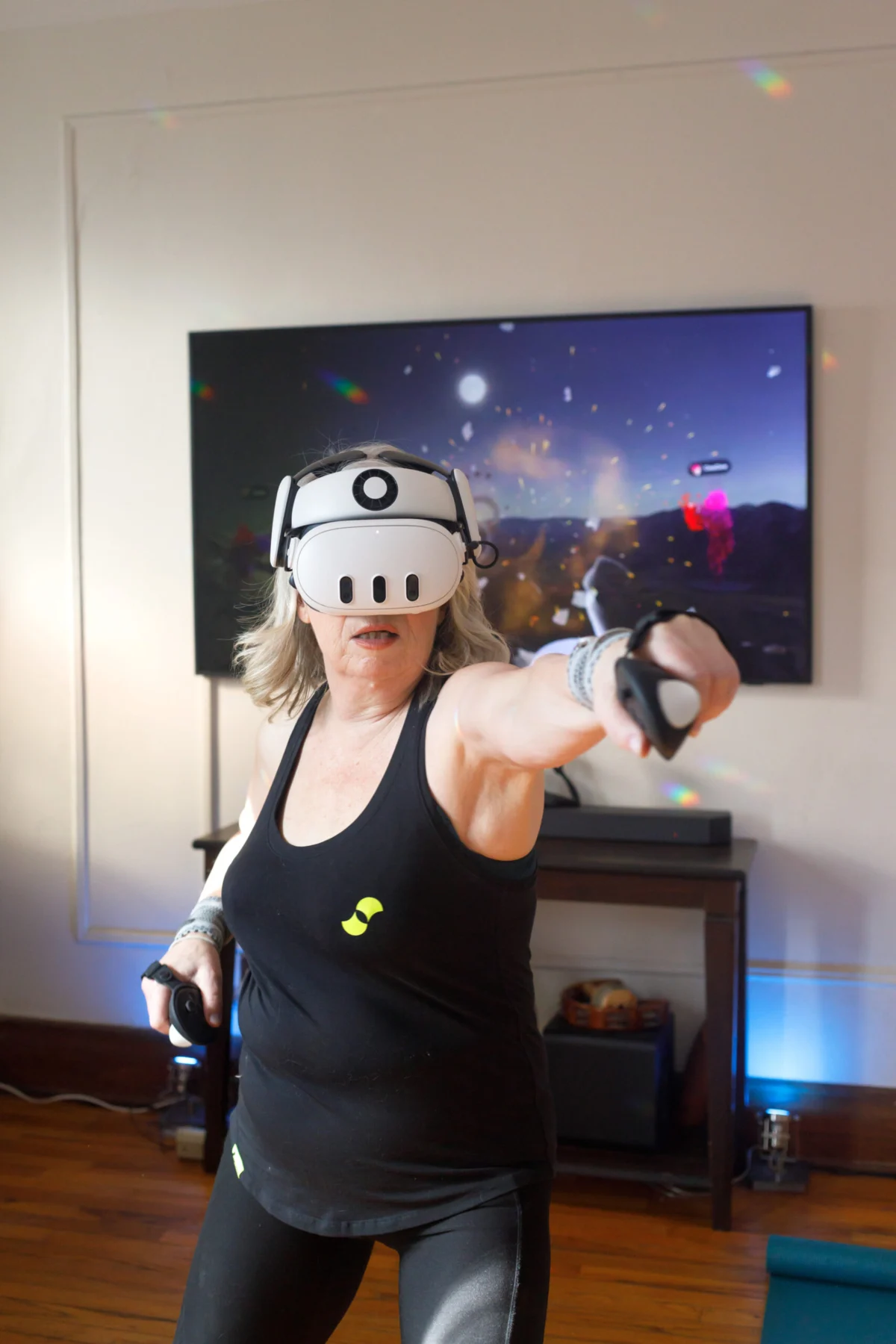
Supernatural, the widely acclaimed virtual reality fitness application that once served as a crown jewel for Meta’s hardware ecosystem, has officially made its triumphant return. Following a turbulent period marked by Meta Reality Labs layoffs, a strategic shift away from in-house content creation, and a subsequent corporate spin-off to secure its survival, the application is relaunching today.
Available now in the Meta Horizon Store as an Early Access preview, the revived app brings back thousands of "remastered" workouts alongside brand-new routines. However, this independence comes with a steep financial adjustment for its dedicated user base. The subscription model has doubled in price, jumping from the previous $9.99 per month to $20 per month, or an annual commitment of $200.
Despite the higher price tag, the newly independent development team promises a massive influx of content. Starting next week, users can expect fresh workouts on a weekly basis. Furthermore, the roadmap for the Early Access period includes the gradual return of back-catalog favorites, upgraded music licensing, higher-definition virtual environments, and entirely redesigned social and tracking features.
To smooth the transition for legacy users, the developers have implemented a data-migration system. Players from the original iteration of Supernatural can transfer their points, workout streaks, start dates, favorite routines, and achievement badges through December 3rd. Additionally, early adopters who stick with the platform during its independent relaunch will be granted "founding member" status, unlocking exclusive perks like a custom in-game bat, with more rewards promised as the Early Access phase progresses.
Chronology: From Meta’s Flagship Workout to Independent Survival
To understand the gravity of Supernatural’s relaunch, one must trace the timeline of its evolution, corporate entanglements, and ultimate liberation.
The Genesis and Meta Acquisition (2020–2021)
Developed by Within, Supernatural launched in 2020—just as the global COVID-19 pandemic catalyzed unprecedented demand for at-home fitness solutions. Combining rhythm-based mechanics reminiscent of Beat Saber with breathtaking, real-world 360-degree video destinations and personal coaching, the app quickly established itself as the premier fitness offering on the Oculus (later Meta Quest) platform. Recognizing its immense value in locking users into the Quest ecosystem, Meta moved to acquire Within in late 2021.
Regulatory Hurdles and Antitrust Scrutiny (2021–2023)
The acquisition immediately triggered fierce opposition. The U.S. Federal Trade Commission (FTC) filed an antitrust lawsuit to block the merger, arguing that Meta was attempting to monopolize the virtual reality fitness market by swallowing innovative competitors rather than building its own solutions. The legal battle dragged on for over a year, consuming resources and casting a shadow over the app’s long-term development roadmap. Ultimately, a federal judge cleared the path for the acquisition to proceed in early 2023, allowing Meta to officially fold Within under its Reality Labs umbrella.
The Reality Labs Pivot and Sudden Cutbacks (Late 2023–2025)
For a time, Supernatural thrived under Meta’s expansive corporate umbrella, receiving steady funding, high-profile music partnerships (featuring artists like Imagine Dragons, Katy Perry, and Lizzo), and marketing dominance. However, the macroeconomic landscape for Big Tech shifted dramatically. Facing ballooning losses in its Reality Labs division—which encompasses both hardware development and software ecosystems like the metaverse—Meta instituted sweeping layoffs and strategic realignments.
In a shock to the VR community, Meta announced it was stepping back from producing its own original content for Supernatural. For many in the industry, this signaled the slow death of the app. Rather than letting the platform wither on the vine, leadership at Within orchestrated a corporate spin-off, cutting the cord from Meta to chart an independent path forward.
The Independent Relaunch (Today)
Today marks the culmination of that grueling transition. By detaching from Meta’s corporate machinery, Supernatural has re-emerged as an independent entity. The launch of the Early Access preview on the Meta Horizon Store represents a critical test: Can a standalone VR fitness app survive without the direct financial cushion of a trillion-dollar parent company?
Supporting Data & Ecosystem Analysis
The economics of virtual reality software development are notoriously precarious. While hardware sales for Meta Quest headsets have steadily penetrated consumer markets, monetizing software subscriptions within a niche user base remains a high-stakes balancing act.

The Price Hike Breakdown
- Legacy Pricing: $9.99 / month (or periodic annual bundles around $100)
- New Independent Pricing: $20.00 / month or $200.00 / year
- Percentage Increase: 100% markup on subscription fees
While a 100% price increase is bound to face initial resistance from price-sensitive consumers, industry analysts point out that Supernatural’s previous pricing was heavily subsidized by Meta. As an independent company, Within must now independently shoulder the massive operational costs associated with running a premium fitness platform. These costs include:
- Music Licensing: Securing rights to popular, chart-topping pop and rock tracks requires substantial, recurring royalty payments.
- Video Production: Shooting high-definition, 360-degree panoramic workout environments across remote global locations (from Icelandic glaciers to tropical beaches) demands specialized camera crews and heavy post-production work.
- Coaching & Staff: Retaining professional fitness coaches, software engineers, and backend server infrastructure requires sustainable cash flow.
Content and Feature Roadmap
The newly independent app is rolling out in phases to ensure server stability and allow developers to fine-tune the platform based on live user telemetry.
- The Back Catalog: Thousands of remastered workouts are accessible immediately, with additional legacy fan-favorites returning on a rolling weekly schedule.
- Higher Fidelity: Upgraded visual pipelines promise higher-definition destinations, taking advantage of newer headset capabilities like the Meta Quest 3 and Quest 3S.
- Supernatural Together: The beloved social feature, which allows users to work out synchronously with friends or community members in virtual spaces, has been "rebuilt from the ground up" and is slated for a future rollout during the Early Access period.
- Companion Mobile App: To bridge the gap between headset sessions, a dedicated mobile companion app is on the horizon. This application will allow members to track long-term progress, monitor heart rate metrics, and stay engaged with the community outside of virtual reality.
Official Responses and Developer Insights
The transition from a Big Tech subsidiary to an independent startup has required transparent communication from the development team to keep the community unified.
In statements accompanying the Early Access launch, the developers emphasized their commitment to preserving the core experience that users fell in love with years ago. "We know how much Supernatural means to our community’s daily routines, health journeys, and social bonds," a representative shared in the community briefing. "Breaking away to go our own way was a daunting choice, but it is the only way to ensure the long-term survival and creative freedom of the platform."
Addressing the elephant in the room—the price increase—the team pointed directly to the realities of independent music licensing and continuous content production. "To bring you the high-end music, breathtaking international destinations, and weekly content drops you expect, our pricing must reflect the true cost of running an elite fitness service."
To mitigate friction, the team prioritized user data continuity. Through December 3rd, any returning subscriber can seamlessly port over their historical data:
- Lifetime Workout Points
- Original App Start Date
- Active Workout Streaks
- Favorite Routines and Bookmarks
- Unlocked Achievement Badges
Furthermore, the introduction of "founding member" rewards—starting with an exclusive custom in-game bat—serves as both a thank-you to loyal veterans and an incentive to embrace the platform during its transitional Early Access phase.
Implications for the VR Fitness Market
The survival, spin-off, and relaunch of Supernatural carry profound implications for the broader virtual reality landscape, particularly regarding the viability of non-gaming apps and the sustainability of platform ecosystems.
1. The Limits of Big Tech Incubation
When tech giants like Meta acquire promising startups, the narrative is often framed as a victory for the smaller company. However, corporate priorities shift rapidly. As Meta refocuses its long-term strategy toward artificial intelligence, foundational mixed reality infrastructure, and hardware cost-reductions, niche content verticals face the chopping block. Supernatural’s survival proves that successful spin-offs are possible, but they require immense brand loyalty and a willing investor base.
2. The Maturation of VR Subscriptions
For years, consumers accustomed to traditional video games have resisted recurring subscription models in virtual reality. However, fitness apps operate on an entirely different economic axis. Just like traditional brick-and-mortar gyms, Peloton bikes, or digital yoga apps like Apple Fitness+, VR fitness requires constant content creation. Supernatural’s move to double its price to $20 a month will serve as a bellwether for the entire XR industry. If users willingly pay gym-tier prices for virtual workouts, it opens the door for other high-end fitness and productivity apps to shed reliance on hardware subsidies and charge sustainable, independent rates.
3. Community Resilience Over Corporate Backing
Perhaps the most significant takeaway from this chapter is the power of community. Supernatural did not survive because a venture capitalist crunched a spreadsheet; it survived because an active, deeply engaged user base viewed the app as an essential pillar of their physical and mental health. By mobilizing during the transition, the community forced a path forward where closure seemed inevitable.
As the Early Access preview gains momentum in the Meta Horizon Store over the coming weeks, all eyes in the tech and fitness worlds will be watching to see if Supernatural can successfully rebuild its empire—one swing, one breathtaking vista, and one loyal subscriber at a time.
 Pevita Pearce
 Sagoh
