
 By Reynand Wu
By Editorial Staff
Marvel’s Wolverine, the latest blockbuster offering from Insomniac Games, arrives on the PlayStation 5 with the weight of immense expectation. As the studio that redefined the superhero genre with its Spider-Man series, Insomniac faced a daunting challenge: how to adapt a character as visceral, violent, and emotionally complex as Logan without losing the accessibility that has become the hallmark of modern Sony titles. The result is a game of striking highs and frustrating lows—a title that succeeds as a compelling piece of interactive storytelling but falters when it comes to mechanical evolution.
The Core Conflict: Style Over Substance
At its heart, Marvel’s Wolverine is a game of two halves. There is the cinematic, narrative-driven experience that captures the gritty, noir-soaked essence of Logan’s history, and then there is the gameplay loop, which often feels trapped within a "safe" design corridor.
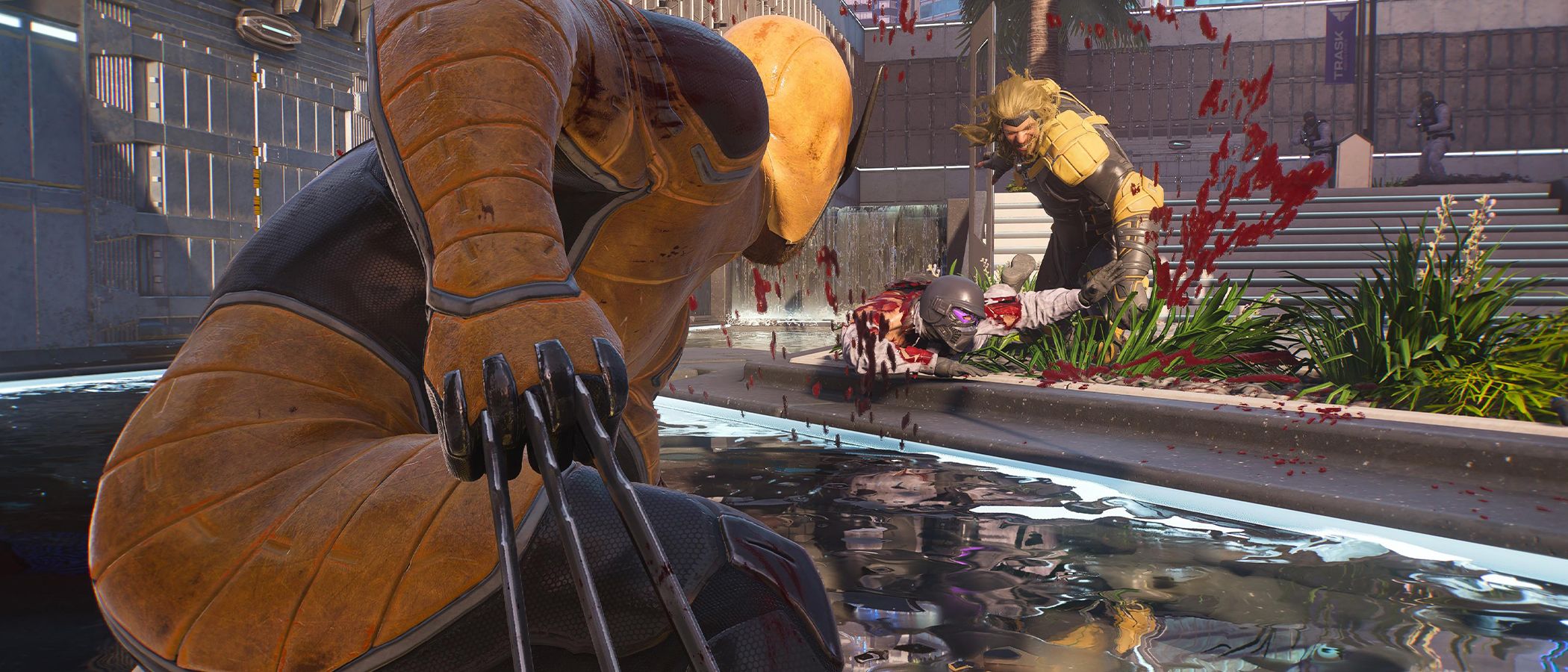
The game’s setup is deliberately lean. Three years after severing ties with Team X, Logan is pulled back into the fold. The narrative landscape spans from the snowy wilds of Canada to the neon-drenched streets of Madripoor and the serene, deadly architecture of Japan. Alongside iconic figures like Mystique, Sabretooth, and Jean Grey, Logan faces off against the industrial machinations of Bolivar Trask. It is a narrative that respects the source material, offering a grounded, character-focused journey that avoids the "save the city" tropes often found in the genre.
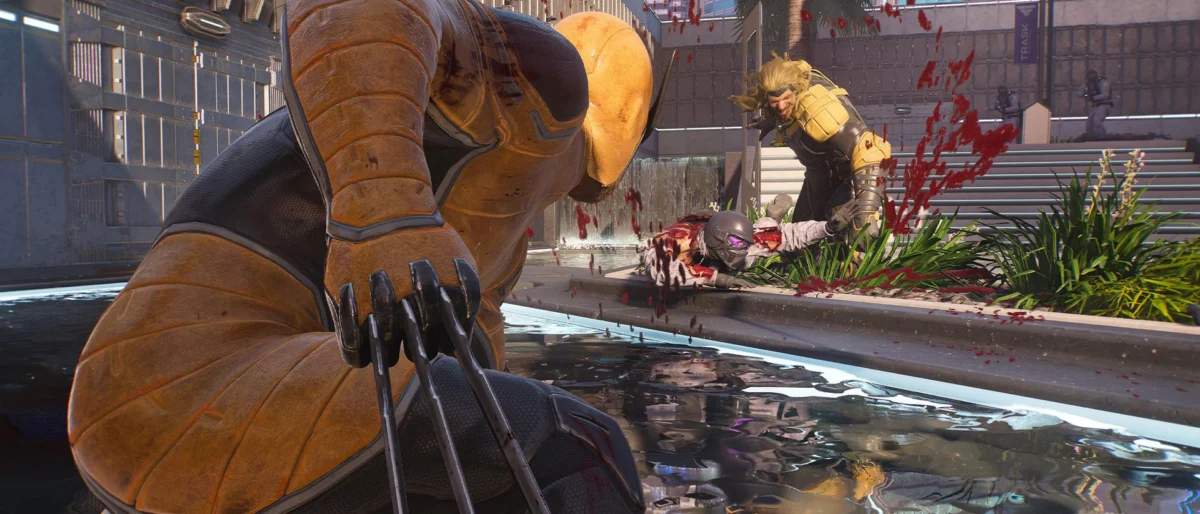
However, for all its narrative depth, the gameplay remains stubbornly one-note. While the animation team deserves immense credit for the kinetic energy of the combat—the way Logan shreds environments, leaves broken furniture in his wake, and moves with a feral, unhinged intensity—the mechanics themselves lack the agency one might expect from a modern action-brawler.
Chronology and Combat Dynamics
The experience begins with a promise of visceral, unadulterated violence. The first time you launch Logan into a room, claws extended, the feedback is immediate. The animation work is arguably some of the best in the industry, selling the physicality of a man who is not interested in elegance.

The "Growl" Factor
Perhaps the most peculiar aspect of the game is its dedication to Logan’s persona. About three hours in, it becomes clear that Logan’s signature growl has transcended a mere character trait and become a stylistic "bit." Whether he is taking damage, stalking an enemy, or simply frustrated, the audio cues are relentless. While voice actor Liam McIntyre delivers the lines with total sincerity, the sheer frequency of the growling highlights the game’s tendency to rely on caricature rather than subtle character development.
The Combat Loop
On paper, the combat system is robust. Players have access to:
- Basic Attacks and Parries: A rhythm-based defensive foundation.
- Special Techniques: Moves like the "Tornado Spin" and "Knee Breaker."
- Rage Tiers: A three-stage system that unlocks devastating critical hits.
- Environmental Interaction: Using the arena to your advantage, similar to the cult classic The Punisher.
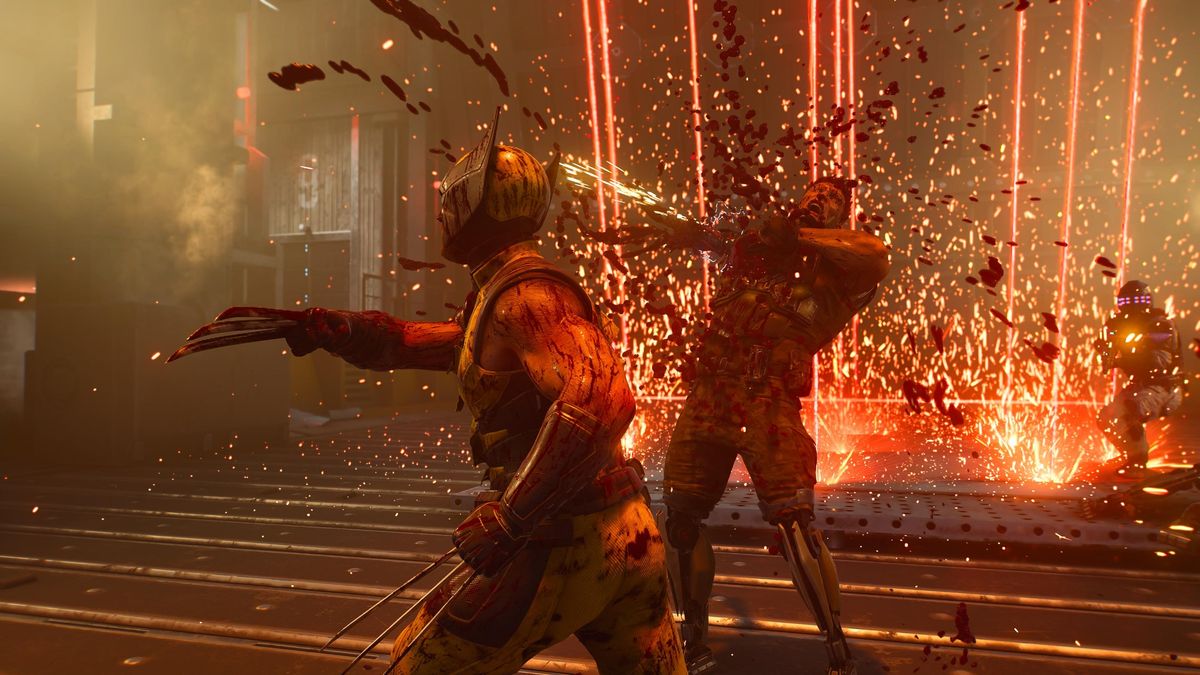
Despite this variety, the practical application often boils down to a repetitive loop: wait for a tell, parry, strike, and repeat. While the boss encounters offer larger arenas and flashier set pieces, they rarely force the player to adapt their strategy. In an era where games like Ninja Gaiden 4 and Hi-Fi Rush have pushed the boundaries of melee combat, Wolverine feels curiously archaic, prioritizing spectacle over deep, systemic player expression.
Supporting Data: Technical Performance and Design
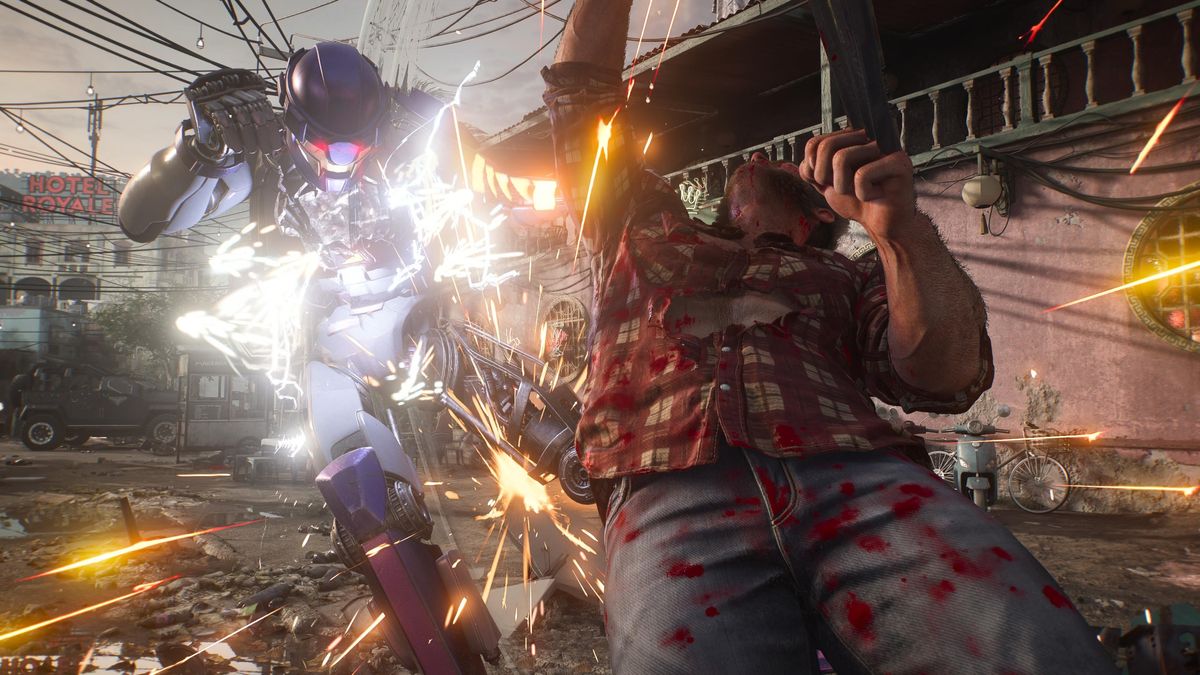
Insomniac Games has built a reputation for visual fidelity, and Marvel’s Wolverine is no exception. The environments are densely detailed, with real-world scanning providing a sense of weight and physical presence that is rare.
However, this is the first recent Sony title where the "formula" feels like it is hitting a ceiling. The game is plagued by minor but noticeable bugs:
- AI Glitches: Enemies occasionally becoming stuck in geometry or exhibiting stilted behavior.
- Static NPCs: Immersion-breaking pathfinding errors.
- The "Invisible Leash": While areas like the rooftops of Madripoor tease an open-world exploration, the game frequently forces players back into a linear path, often resetting them if they stray too far from the developer’s intended route.
The unlockable costumes, while numerous and lovingly modeled, serve only as fan service. They provide no mechanical changes, reinforcing the sense that the game prioritizes aesthetic polish over meaningful progression systems.
Official Perspectives and Studio Philosophy
Insomniac’s approach to Marvel’s Wolverine appears to be rooted in a desire for broad accessibility. This strategy worked flawlessly for Spider-Man, where the traversal mechanics provided enough inherent joy to sustain the experience. In Wolverine, the lack of a secondary, robust system (like swinging through Manhattan or the complex puzzle-exploration of God of War) leaves the combat to carry the entire weight of the experience. When the combat feels thin, there is little else to pick up the slack.
The development team has clearly poured their hearts into the narrative beats. The relationship between Logan and Jean Grey is a standout, providing a necessary emotional anchor that prevents the story from becoming a monotonous shouting match between angry, immortal mutants. These moments of quiet character study serve as the game’s strongest justification for existence.
Implications for the Future of the Genre
The release of Marvel’s Wolverine raises critical questions about the current state of "prestige" superhero games. Is the industry reaching a point of diminishing returns for the "cinematic brawler" format?
The Gap Between Spectacle and Agency
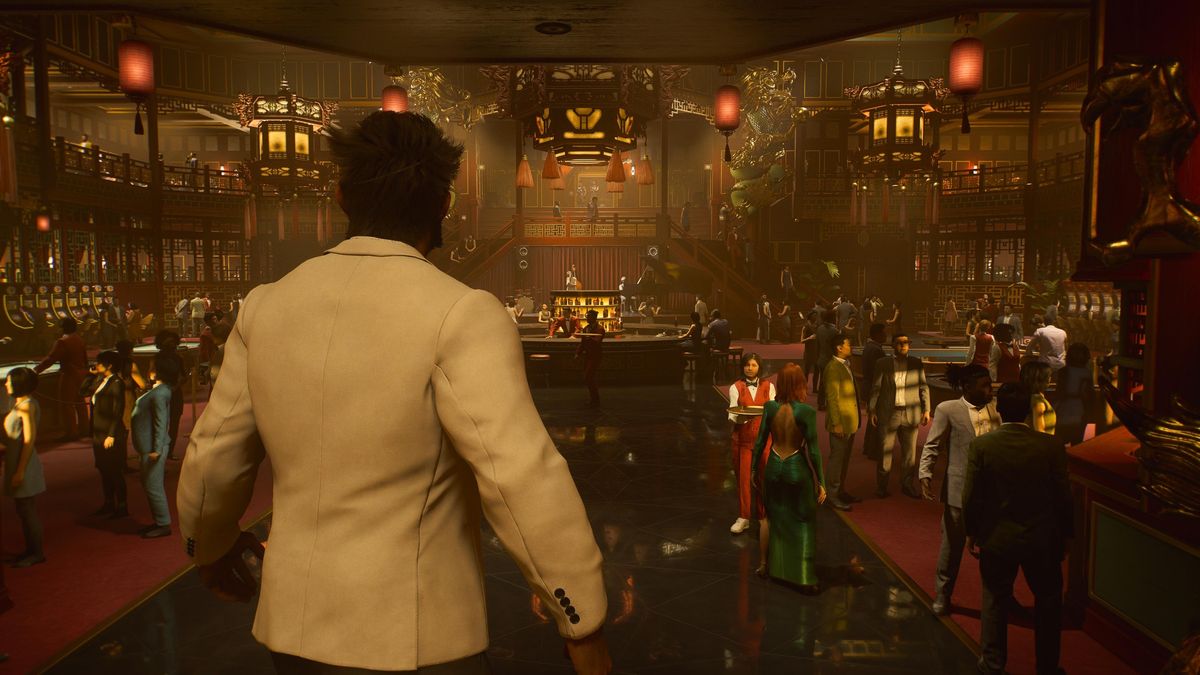
There is a profound difference between a game that looks like a movie and a game that plays like one. Wolverine possesses immense style but struggles to provide the player with the feeling of agency. When a game dictates the flow of a fight through cinematic triggers rather than allowing the player to solve combat encounters through creative experimentation, the experience can feel like an interactive cutscene.
A Missed Opportunity?
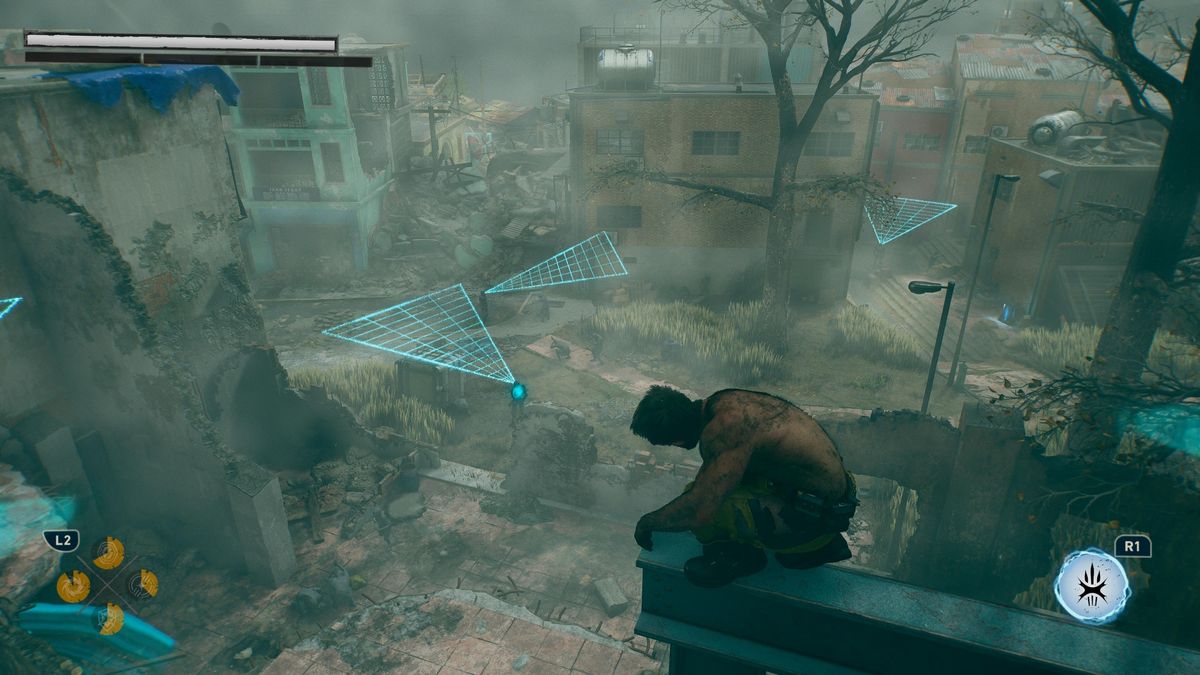
The game shows flashes of brilliance. The stealth sections, while underutilized, hint at a version of the game where Logan’s heightened senses are the core mechanic, allowing players to track scents or navigate environments with a predatory focus. The use of the DualSense controller to "feel" for hidden rooms or keypad codes is an inspired touch of haptic design. These elements prove that the talent at Insomniac is capable of doing more; they simply, for reasons perhaps tied to budget or scope, chose to play it safe.
Conclusion: Is it Worth the Journey?
Marvel’s Wolverine is a solid, frequently spectacular title that offers a compelling look at one of Marvel’s most enduring characters. It is a game that is easy to recommend for the story alone, as it captures the emotional weight of Logan’s life with genuine care.
However, it is also a game that leaves the player wanting more. It is "safe" in a way that feels at odds with the character of Wolverine himself. Logan is a character defined by his refusal to conform, his wildness, and his unpredictability. A game that attempts to capture his essence should, by definition, be willing to take risks.
Ultimately, Marvel’s Wolverine serves as a visual and narrative success, but a mechanical disappointment. It is a polished, beautiful product that stops just short of being a masterpiece. For fans of the character, it is an essential experience; for those looking for the next evolution in action gaming, it may feel like a reminder that even the most legendary heroes can sometimes be held back by their own history.
 Nila Kartika Wati
 Nana Muazin
